
Featured OEM Industrial Valve Catalog (Primary Showcase)
Explore our core engineered valve series, manufactured under ISO 9001 and API standards for global project integration.
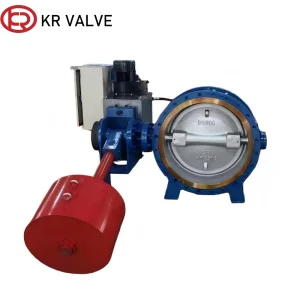
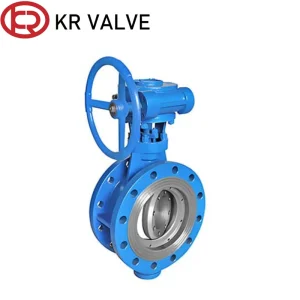
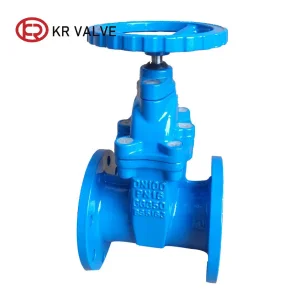
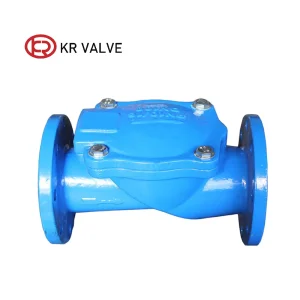
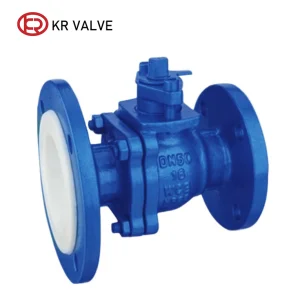
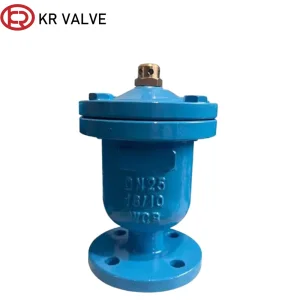
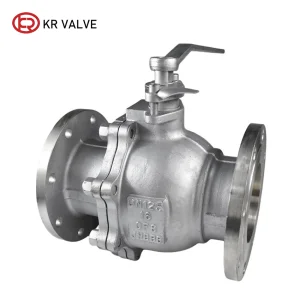
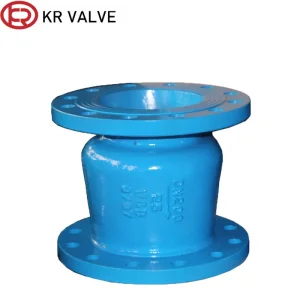
Global Enterprise Sourcing Needs for OEM Ball Valves
Analyzing procurement intent across EPC contractors, plant operators, and industrial OEM equipment builders seeking high-reliability fluid isolation solutions.
Critical Engineering Pain Points in OEM Sourcing
Procurement teams for major energy, chemical, and municipal water projects face significant hurdles when sourcing custom ball valves internationally. Structural longevity, pressure vessel integrity, and precise flow coefficients ($C_v$) are paramount.
- ✓ Seat Wear & Fugitive Emissions: Premature polymer degradation causing environmental non-compliance under ISO 15848-1.
- ✓ Dimensional Inconsistency: Sub-standard casting tolerances causing alignment stress on rigid piping networks.
- ✓ Supply Chain Bottlenecks: Unreliable lead times disrupt multi-million dollar plant commissioning schedules.
- ✓ Material Mismatch: Corrosive pitting due to non-verified alloy compositions (e.g., fraudulent SS316 vs SS304 grading).
OEM Customization Intent & Technical Criteria
Modern industrial buyers require far more than off-the-shelf valves; they demand bespoke engineering tailored to precise fluid pressure-temperature dynamics and severe service conditions.
- ✓ Bespoke Actuation Interfaces: Direct-mount ISO 5211 top flanges for seamless pneumatic/electric actuator pairing.
- ✓ Custom Metallurgical Formulations: Duplex 2205, Super Duplex 2507, Hastelloy C276, and Monel 400 for aggressive acids.
- ✓ Fire-Safe Certification: API 607 and ISO 10497 compliance ensuring structural sealing during extreme thermal events.
- ✓ Zero-Cavity & Clean Designs: Encapsulated PTFE seats preventing media cross-contamination in chemical lines.
| Procurement Scenario | Primary Intent / Goal | Technical Specification Need | OEM Valve Solution Focus |
|---|---|---|---|
| Hydrocarbon Pipeline Midstream | High-pressure isolation & emergency shutdown (ESD) | API 6D, ANSI Class 600-1500, Double Block & Bleed (DBB) | Trunnion-Mounted Ball Valve with Emergency Sealant Injection |
| Severe Chemical Processing | Acidic fluid containment with zero leakage | PTFE/PFA Lined WCB or SS316, ISO 15848-1 Class AH | Full-Port Corrosion-Resistant Lined Ball Valve |
| Municipal Water Infrastructure | Low maintenance, extended 30+ year lifecycle | Ductile Iron GGG40 / SS304, PN10-PN25, EPDM Soft Seal | Floating Ball / Double Eccentric Control Valve System |
| Power Plant Steam Lines | High-temperature, high-differential pressure throttling | Metal-to-Metal Hard Seating (Stellite/HVOF), ANSI Class 2500 | Forged Steel Top-Entry Metal Seated Ball Valve |
Advanced Architecture: Floating vs. Trunnion-Mounted Ball Valves
Understanding the mechanical stress distribution, torque characteristics, and seat sealing mechanisms for optimal OEM valve selection.
Floating Ball Valve Architecture
In a floating ball design, the sphere is supported solely by two elastomeric or polymeric valve seats. Under upstream fluid pressure, the ball shifts slightly downstream, pressing firmly against the downstream seat to form a bubble-tight seal.
- ✓ Ideal for small-to-medium diameters (DN15 to DN200).
- ✓ Low-to-medium pressure ratings (Class 150 to Class 600).
- ✓ Highly cost-effective with low operating mass.
- ✓ Available in 1-piece, 2-piece, and 3-piece split bodies.
Trunnion-Mounted Ball Valve
Trunnion ball valves incorporate top and bottom mechanical anchoring stems. The ball remains fixed in space while floating seat rings are pushed against the ball by spring assistance and hydraulic fluid pressure.
- ✓ Essential for large diameters (DN50 to DN1400+).
- ✓ High-pressure service (Class 900 to Class 2500, PN420).
- ✓ Operating torque is dramatically reduced.
- ✓ Features automatic cavity relief & DBB capabilities.
Advanced Seat Tribology & Coatings
Sealing technology defines valve performance. OEM manufacturers provide both soft polymer seats and thermal-sprayed metallic seats for abrasive media.
- ✓ Virgin & Reinforced PTFE: Superior chemical inertness up to 180°C.
- ✓ PEEK & Devlon: High mechanical strength up to 260°C.
- ✓ HVOF Chromium Carbide: Hardness up to 70 HRC for severe slurry.
- ✓ Stellite 6 Overlays: Thermal shock resistance up to 550°C.
China Factory 4.0: Supply Chain Resilience & OEM Production Capacity
Leveraging automated investment casting, 5-axis CNC machining, non-destructive testing (NDT), and agile digital supply integration.
Automated Machining & Foundry Precision
Our Tianjin and partner manufacturing centers integrate Industry 4.0 IoT infrastructure to ensure every valve body casting adheres strictly to ASME B16.34 wall thickness requirements.
- ✓ 5-Axis Machining Centers: Single-setup sphere turning achieving spherical tolerances within ±0.005mm.
- ✓ Automated Shell Molding: Precision investment casting eliminating internal gas porosity and micro-cracks.
- ✓ Spectral Analysis (PMI): Positive Material Identification via X-ray Fluorescence (XRF) prior to machining.
Rigorous Quality Assurance & Testing Protocols
Every single valve undergoes 100% hydrostatic and pneumatic pressure verification prior to export, fully backed by EN 10204 3.1 material test report certifications.
- ✓ API 598 Shell & Seat Testing: Zero-leakage testing using high-pressure water and dry nitrogen gas.
- ✓ Non-Destructive Examination (NDE): Radiographic (RT), Ultrasonic (UT), and Liquid Penetrant (PT) testing.
- ✓ Cryogenic & High-Temp Rig Testing: Thermal cycling validation from -196°C to +550°C.
Macro Industry Solutions & Sector-Specific Deployments
Custom engineered valve solutions adapted for distinct operating environments, fluid chemistry, and international regulatory frameworks.
Oil & Gas Petrochemical Processing
Designed for severe sour gas ($H_2S$) service complying with NACE MR0175 / ISO 15156. Features anti-blowout stem design, anti-static grounding, and emergency sealant injection on trunnion seats to prevent catastrophic leaks.
Municipal Water Treatment & Desalination
High-volume municipal networks require low-friction operation and zero corrosion. We supply ductile iron (GGG40) and SS316 ball/butterfly valves with NSF/WRAS certified EPDM seals and high-durability epoxy coating.
Thermal & Green Hydrogen Power Generation
Hydrogen gas leakage containment requires sub-microscopic sealing precision. Our fugitive-emission certified Class AH packing systems guarantee zero environmental venting across rapid pressure cycling.
Localization Support, Logistics & Compliance Assurance
Supporting international partners with full legal compliance, regional standard alignment, customized private labeling, and duty-optimized global freighting.
Regulatory Certifications & Standards Compliance
Navigating complex international imports requires exact documentation. Our product lines hold full compliance accreditations across key global jurisdictions:
- ✓ Pressure Equipment Directive (PED 2014/68/EU): CE marking for European market installation.
- ✓ ATEX Directive 2014/34/EU: Explosion-proof certification for hazardous area electrical actuators.
- ✓ API 6D Spec & Monogram: Standardized face-to-face and testing compliance for pipeline valves.
- ✓ Functional Safety (SIL 3): Certified reliability metrics for automated safety shutdown systems.
OEM Branding & Supply Chain Logistics
We provide full white-label and private-brand manufacturing for valve distributors and pump/compressor OEM integrators worldwide:
- ✓ Laser Tagging & QR Tracking: Custom stainless steel nameplates with customer part numbers and serial codes.
- ✓ Seaworthy Export Packaging: Reinforced IP67 vacuum foil wrap and fumigated wooden crates.
- ✓ Consolidated Freight Forwarding: Combining gate, check, strainers, and ball valves in single container loads to optimize tariffs.
Technology Roadmap: IIoT Smart Valves & Next-Gen Automation
Exploring the convergence of physical valve hardware with digital diagnostics, machine learning, and zero-emission carbon-neutral energy systems.
IIoT Condition Monitoring
Integration of wireless piezoresistive pressure sensors and tri-axial accelerometers embedded directly within the valve stem housing to detect micro-vibrations and seat erosion before failure occurs.
Digital Twin & Predictive AI
Collaborating with plant operators to build Digital Twin models of flow systems. Machine learning algorithms analyze real-time torque profiles to accurately predict seat replacement intervals.
Zero-Emission CCUS Valves
Next-generation valve stem packing utilizing nanostructured graphite matrix foils designed specifically for Carbon Capture, Utilization, and Storage (CCUS) super-critical $CO_2$ transport networks.
Frequently Asked Questions (OEM Sourcing FAQ)
Detailed answers from our senior engineering director addressing key technical, material, and procurement considerations.
Q1: What are the primary structural differences between floating and trunnion-mounted ball valves?
In a floating ball valve, the ball is held between two seats and drifts slightly downstream under pressure to seal against the downstream ring. In a trunnion-mounted design, the ball is mechanically supported by top and bottom stems; floating seat rings are pressed against the ball via spring and hydraulic force. Trunnion designs are required for larger sizes (>DN50) and high-pressure ratings to prevent excessively high operating torque.
Q2: Which body material should I specify for corrosive petrochemical applications?
For standard hydrocarbon service, ASTM A216 WCB cast carbon steel or A105 forged steel is standard. For corrosive media, ASTM A351 CF8M (SS316) is recommended. In severe acidic or marine environments, Duplex 2205, Super Duplex 2507, or Hastelloy C276 body castings provide optimal pitting resistance (PREN > 40).
Q3: How do soft-seated ball valves compare against metal-seated ball valves?
Soft-seated ball valves utilize polymeric inserts (PTFE, RPTFE, PEEK) offering true bubble-tight shutoff (ANSI/FCI 70-2 Class VI) up to ~260°C. Metal-seated valves employ thermal-sprayed metallic coatings (Stellite, Chrome Carbide) on both sphere and seat rings, enabling service in abrasive slurry or extreme temperatures up to 550°C with Class IV or V leak rates.
Q4: What certifications are provided with custom OEM valve shipments?
Every shipment is accompanied by complete EN 10204 3.1 Material Test Reports (MTRs) detailing chemical composition and mechanical tensile properties. Additional certificates include API 598 Pressure Test Certificates, NDE/NDT inspection reports (RT/UT/PT), API 607 Fire-Safe testing certifications, and Certificate of Origin documents.
Q5: Can you manufacture ball valves with customized actuation interfaces?
Yes. All our OEM ball valves can be engineered with ISO 5211 direct-mount top flanges and customized stem keyways to seamlessly mount pneumatic, double-acting hydraulic, or electric multi-turn actuators from leading global brands.
Q6: How does your factory maintain supply chain lead times during peak demand?
Our China Factory 4.0 infrastructure maintains buffer reserves of raw forging bar stock and standardized castings. Coupled with automated multi-axis CNC machining, standard OEM orders have lead times of 2-3 weeks, while custom engineered project orders are delivered within 4-6 weeks.
Extended OEM Flow Control Solutions & Secondary Catalog
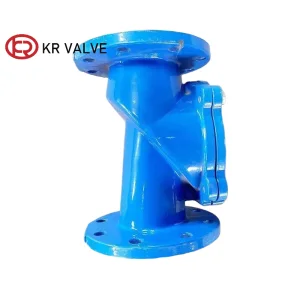
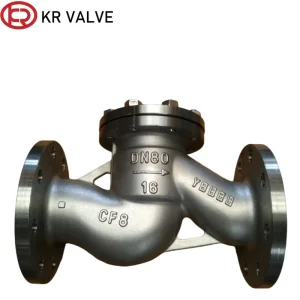
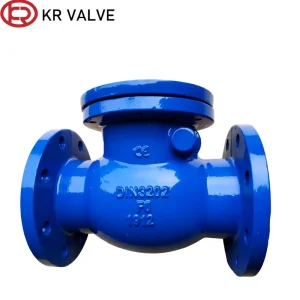
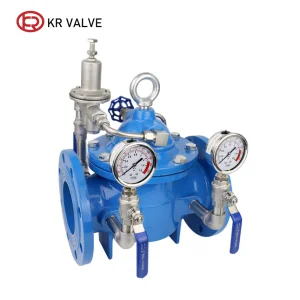
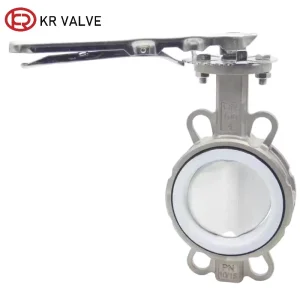
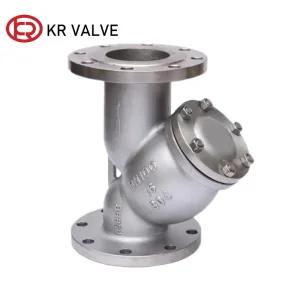
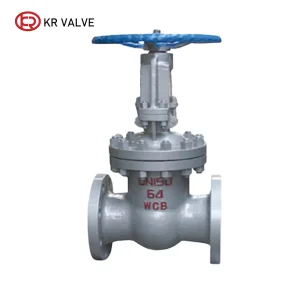
Explore check valves, gate valves, strainers, and specialty valves completing your integrated pipeline infrastructure.
Partner with a Global Lead OEM Ball Valve Manufacturer
Consult with our engineering team today to review technical drawings, request custom alloy casting quotations, or order sample prototypes for validation.