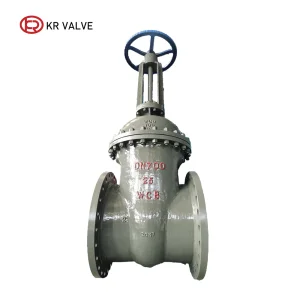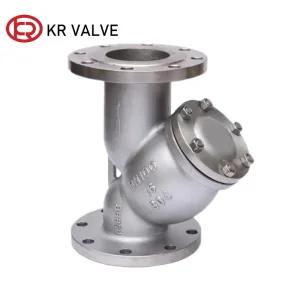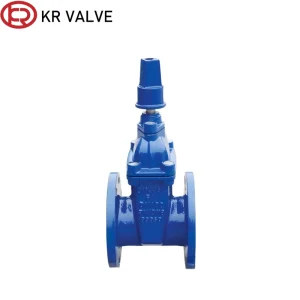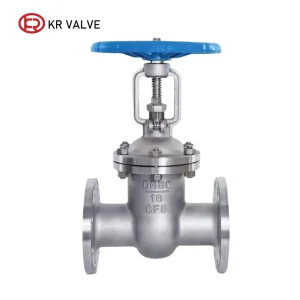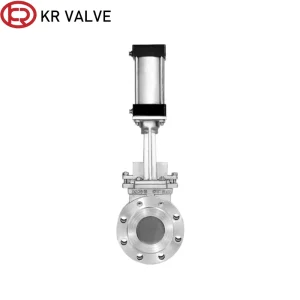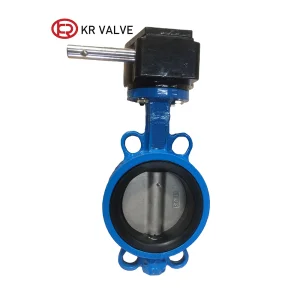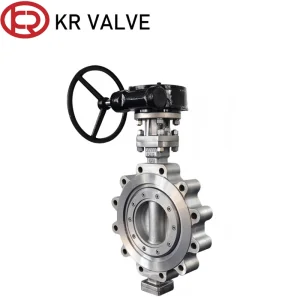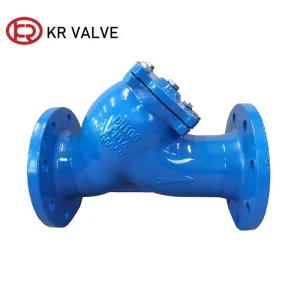
Featured OEM Valve & Strainer Portfolio
Explore our high-performance swing check valves, hydraulic control valves, and precision basket strainers designed to international standards (ANSI, BS, DIN).
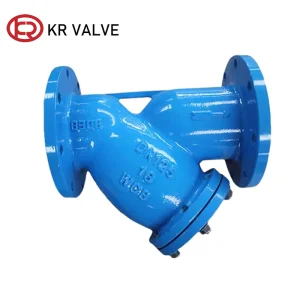
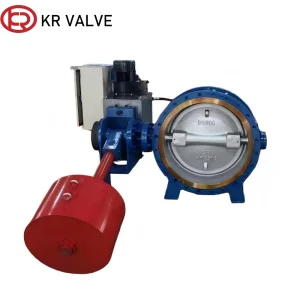
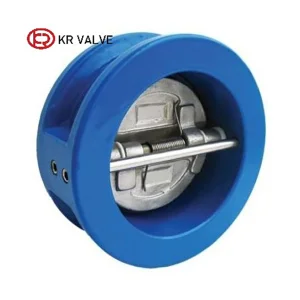
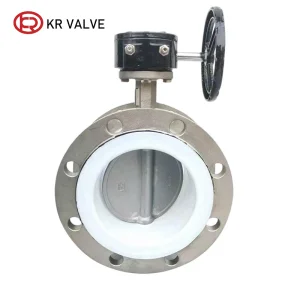
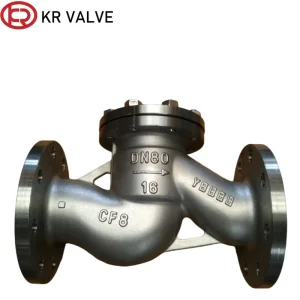
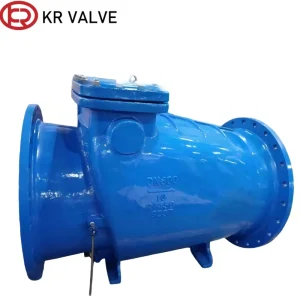
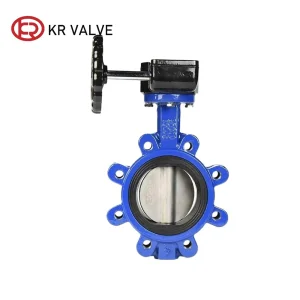
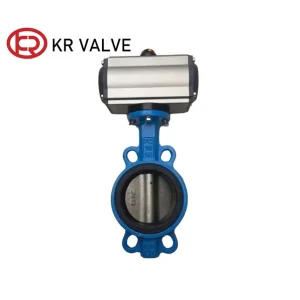
Global Procurement Demand & Intent Mining for Swing Valve Technology
In modern industrial fluid networks, backflow prevention is not merely a component requirement; it is a critical safeguard against catastrophic hydraulic shock, reverse pump rotation, and severe environmental contamination. Procurement specialists, lead piping designers, and Engineering, Procurement, and Construction (EPC) directors globally are executing searches for reliable OEM Valve Swing Suppliers & Manufacturers capable of delivering robust non-return valves tailored to precise operating pressures and media types.
Understanding search intent reveals that global buyers require more than standardized off-the-shelf items. They seek manufacturing partners equipped with high-precision metallurgy, rigorous non-destructive testing (NDT), customized face-to-face dimensions (ANSI B16.10, DIN EN 558-1), and customized disc hinge geometry. From municipal water purification facilities in Northern Europe to high-pressure oil transmission trunklines in the Middle East, the global market demands swing check valves and micro-resistance slow-closing non-return units engineered to withstand extreme hydrodynamic forces.
Transient Pressure Surge Protection
Preventing destructive water hammer effects during rapid pump shutdown using slow-closing hydraulic dashpots and tilting disc counterweights.
Lifecycle Cost Minimization
Full-bore unobstructed fluid passages cut dynamic pressure drop, optimizing pumping energy costs across decades of continuous plant operation.
Customized OEM Engineering
Tailored body materials ranging from Ductile Iron GGG40 and WCB Cast Steel to duplex SS316, Hastelloy, and specialized soft/metal seats.
Engineering Dynamics: Swing vs. Tilting Disc & Lift Check Valve Mechanics
Selecting the optimal check valve configuration requires an in-depth understanding of fluid dynamics, closure response times, and valve disc trajectory. A swing check valve features a hinged disc that swings open under forward media pressure and closes as velocity approaches zero, relying on gravity and backpressure to seal.
| Valve Type / Mechanics | Flow Resistance (Cv Value) | Water Hammer Mitigation | Primary Media Suitability | Ideal Installation Orientation |
|---|---|---|---|---|
| Standard Swing Check Valve | Very High Cv (Low head loss) | Moderate (Risk of slam in fast-reverse lines) | Clean water, raw sewage, viscous fluids | Horizontal lines, vertical upward lines |
| Tilting Disc Swing Check Valve | High Cv (Optimized pivot point) | High (Fast response before flow reversal) | High-velocity municipal water, power plants | Horizontal & vertical upward piping |
| Slow-Closing Hydraulic Swing Valve | High Cv (Controlled closure) | Superior (Eliminates surge spikes completely) | Pumping stations, long transmission mains | Horizontal installations |
| Dual Disc Wafer Check Valve | Medium Cv (Compact center pin) | Good (Spring-loaded fast shut-off) | HVAC, space-constrained industrial plants | Universal orientation |
| Lift Check Valve | Low-to-Medium Cv (Guided piston/ball) | High (Quick vertical seating) | High-pressure steam, boiler feed, oil/gas | Horizontal pipelines strictly |
For applications where backflow acceleration is severe, such as high-head pump discharge lines, standard swing check valves may suffer from "valve slam"—a phenomenon where the disc slams shut against the seat, causing high pressure transients. In such environments, our OEM Micro-Resistance Slow-Closing Tilting Disc Swing Check Valves utilize an internal or external hydraulic dashpot cylinder, allowing 90% of the travel to close rapidly while dampening the remaining 10% to completely eliminate acoustic slam and structural vibration.
Macro-Industry Solutions & Field Deployments
Our OEM valve manufacturing capability delivers targeted performance profiles across a wide spectrum of demanding process industries:
Municipal Water Supply & Desalination
Municipal networks demand long-service-life valves resistant to cavitation and dezincification. We manufacture resilient-seated swing check valves and eccentric hydraulic butterfly valves coated with fusion-bonded epoxy (FBE, minimum 250 microns thick) compliant with WRAS, NSF 61, and EN 1074 standards. These valves maintain zero leakage while isolating municipal supply mains and RO high-pressure pumps.
Petrochemical & Crude Oil Logistics
For hydrocarbon processing and midstream pipelines, body integrity under high pressure and elevated temperature is vital. Our WCB cast steel and CF8/CF8M stainless steel swing check valves feature hard-faced Stellite Monel seat ring overlays, fire-safe graphite packing, and full compliance with API 6D and ASME B16.34 regulations, guaranteeing bubble-tight sealing under fluctuating pressure gradients.
Wastewater & Slurry Management
Sewage, industrial effluent, and mining tailings contain high solids ratios capable of clogging conventional valve guided stems. Our non-clogging ductile iron ball check valves and full-opening swing valves feature smooth, unobstructed flow paths, rubber-encapsulated discs, and inspection covers for easy maintenance without removing the valve body from the pipeline.
Power Generation & Cooling Water Systems
Thermal power plants and nuclear cooling circuits require large-diameter (up to DN2000) check valves capable of low opening pressure and rapid closing without pressure spikes. Our micro-resistance slow-closing check valves combine weight-loaded levers with hydraulic dampeners to safeguard multi-megawatt cooling pumps.
Metallurgical Excellence & Material Selection Matrix
The lifespan of a swing check valve in harsh service environments is fundamentally determined by material compatibility. As a dedicated OEM supplier, KR Valve executes strict raw material spectral analysis (PMI testing) for every batch of valve castings.
| Material Designation | Tensile Strength (MPa) | Corrosion & Temperature Limits | Common Applications |
|---|---|---|---|
| Cast Iron (GG25 / EN-GJL-250) | ≥ 250 | -10°C to 120°C; Mild non-corrosive media | HVAC chilled water, low-pressure municipal lines |
| Ductile Iron (GGG40 / EN-GJS-400-15) | ≥ 400 (Elongation ≥ 15%) | -10°C to 150°C; High shock resistance | Potable water supply, underground distribution, fire networks |
| Cast Carbon Steel (WCB / ASTM A216) | ≥ 485 | -29°C to 425°C; High pressure resistance | Oil & gas transmission, steam systems, industrial boilers |
| Stainless Steel (CF8 / SS304) | ≥ 485 | -196°C to 535°C; Excellent oxidizing acid resistance | Food processing, chemical lines, water desalination |
| Stainless Steel (CF8M / SS316) | ≥ 485 | -196°C to 600°C; Chloride pitting resistance | Marine environments, aggressive chemicals, pharmaceutical |
Technical Roadmap: Smart Valves & Next-Generation Innovations
As industrial automation shifts toward Industry 4.0, fluid networks are undergoing a digital transformation. KR Valve is driving research and development to transition traditional mechanical swing check valves into intelligent, data-emitting assets.
IoT-Enabled Disc Position Sensing
Integrating non-contact magnetic inductive sensors and micro-switches into the hinge pin mechanism allows real-time remote telemetry of valve opening angles and closure status back to SCADA controls.
Acoustic & Vibration Diagnostics
Embedding piezo-electric vibration sensors on the valve bonnet enables predictive maintenance algorithms to detect seat erosion, disc chatter, or severe cavitation before physical valve failure occurs.
Zero-Fugitive-Emission Sealing
Upgrading stem and bonnet sealing interfaces with dynamic PTFE spring-energized seals and expanded graphite composite gaskets to fulfill strict ISO 15848-1 environmental leak standards.
Global Commercial Support & OEM/ODM Supply Chain Integration
Managing large-scale pipeline procurement involves juggling multiple specialized vendors, complex lead times, and varying standard compliance requirements. KR Valve simplifies your procurement chain by acting as a comprehensive OEM valve manufacturer and single-source supplier.
Whether you require private-label branding, customized face-to-face dimensions according to obsolete legacy specs, special flange drilling (ANSI B16.5 Class 150/300, PN10, PN16, PN25, JIS 10K), or custom actuation packages (pneumatic, electric, hydraulic), our engineering team supports your technical workflow from CAD design validation to final export packaging.
Quality Assurance Protocols & Regulatory Compliance
In high-pressure water and industrial gas lines, quality non-conformance leads to unscheduled plant shutdown and costly legal liabilities. Every valve produced by KR Valve undergoes rigorous step-by-step quality gates prior to dispatch:
1. Material Inspection
Spectrographic analysis verifies chemical composition of raw castings; ultrasonic flaw testing checks internal structural integrity of critical valve pressure boundaries.
2. Precision CNC Machining
Automated multi-axis CNC lathes ensure micrometer-level accuracy for valve seats, disc sealing faces, and hinge pin alignment to eliminate seat misalignment leaks.
3. Hydrostatic & Shell Pressure Testing
100% of finished valves undergo hydrostatic shell testing (1.5x nominal pressure) and seat tightness testing (1.1x nominal pressure) in accordance with API 598 and EN 12266-1 standards.
Frequently Asked Questions (OEM Valve Procurement)
Clear engineering answers to common technical queries from overseas distributors, EPC contractors, and plant engineers.
A swing check valve uses a hinged disc that pivots away from the seat, providing a full-bore, straight-through flow path with minimal pressure drop—ideal for large volume water and solids-laden media. A lift check valve uses a guided piston or ball that moves vertically off the seat, offering faster closure speed suitable for high-pressure steam and gas lines, but with higher hydraulic flow resistance.
When a pump stops, reverse fluid flow can accelerate the valve disc back toward its seat, causing violent valve slam. A slow-closing hydraulic cylinder attaches to the valve hinge pin to dampen the final stage of disc travel. This allows rapid initial closure to prevent major reverse flow, followed by controlled micro-dampening over the last 10-15% of travel to eliminate pressure spikes.
Yes. We specialize in custom OEM manufacturing. We can produce swing check valves, gate valves, and butterfly valves matching specific international standard dimensions (EN 558-1 Series 10/14/15, ANSI B16.10, DIN 3202) or custom drawing requirements. Flange connection end options cover EN1092-2 PN10/16/25, ASME B16.5 Class 150/300, and JIS 10K/16K.
For seawater and RO desalination applications, we recommend Stainless Steel CF8M (SS316), Duplex Stainless Steel (2205/2507), or Ductile Iron GGG40 lined with thick Vulcanized EPDM or Rilsan Nylon 11 coating. Sealing faces should utilize high-grade bronze, Monel, or Stellite hardfacing overlays to prevent pitting corrosion.
Every export shipment includes EN 10204 3.1 Material Test Reports (MTRs), Hydrostatic Pressure Inspection Certificates (API 598 / ISO 5208), Coating Thickness Test Reports, and Certificate of Compliance. Third-party inspections by SGS, BV, or TÜV can also be coordinated upon request.
Industrial Gate, Knife & Strainer Product Line
Complete your pipeline engineering requirements with our comprehensive range of gate valves, knife gate valves, and heavy-duty strainers.