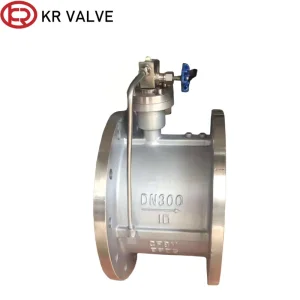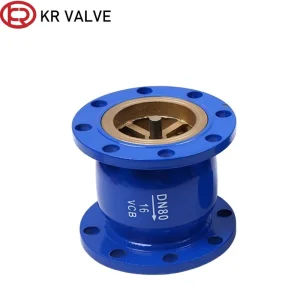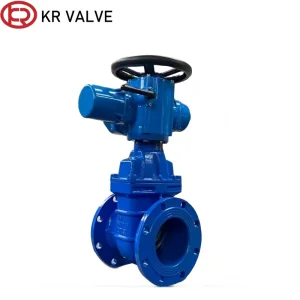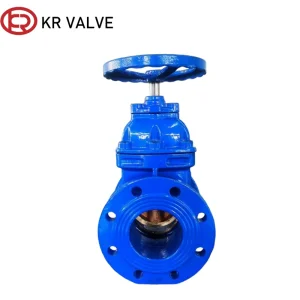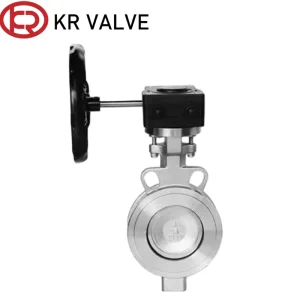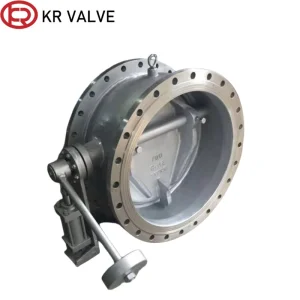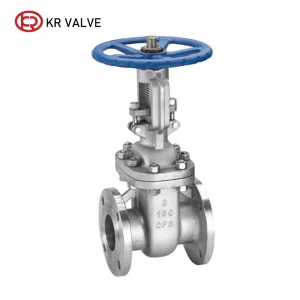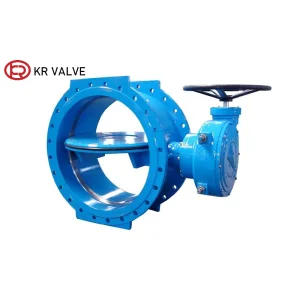
Featured OEM Industrial Flow Control Range
Engineered to ANSI, DIN, BS, and JIS standards. Direct factory supply with full material traceability and hydrostatic testing certificates.
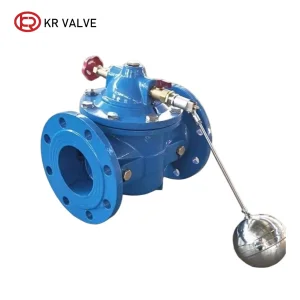
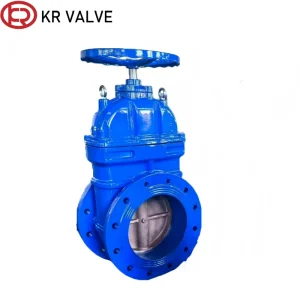
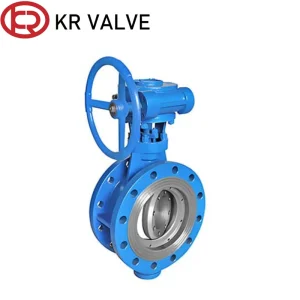
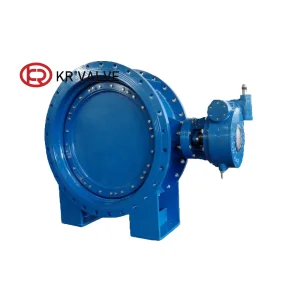
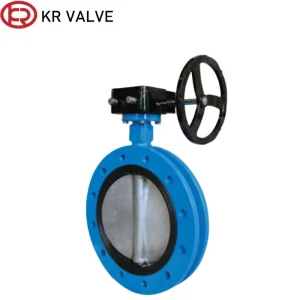
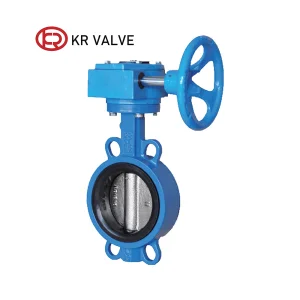
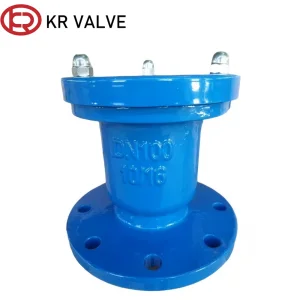
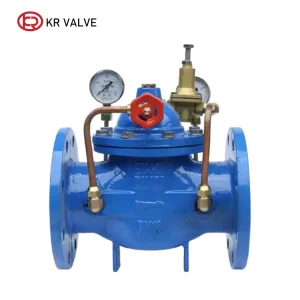
Executive Summary: Next-Generation Butterfly Valve OEM Engineering
In modern fluid mechanics and industrial process engineering, selecting the right quarter-turn valve architecture directly impacts operational efficiency, system safety, and lifecycle maintenance expenditure.
Our OEM wafer and lug butterfly valves feature advanced vulcanized or renewable resilient liners (EPDM, NBR, Viton, PTFE) and metallic seats engineered to yield ISO 5208 Rate A zero-leakage performance under working pressures up to PN25 / Class 300.
Equipped with standardized ISO 5211 top flange dimensions, enabling seamless direct-mount integration with electric, pneumatic, or hydraulic actuators without requiring custom brackets or adapters.
Full compliance with API 609, EN 593, MSS SP-67, and ISO 5752 specs. Every casting undergoes EN 10204 3.1 chemical and mechanical testing, positive material identification (PMI), and pressure shell testing.
Technical Anatomy: Wafer Type vs. Lug Type Design Architecture
Understanding the structural, mechanical, and installation distinctions between wafer and lug connection styles is paramount for piping designers and EPC contractors.
Wafer butterfly valves are engineered to maintain a seal against bi-directional differential pressure to prevent backflow in system flow paths. This is accomplished by using a tight fit, such as a rubber sleeve or elastomeric ring, precision machined to fit the valve body.
- Installation Mechanics: The wafer body is positioned between opposing pipe flanges, and long flange bolts span the entire length of the valve body.
- Weight & Space Optimization: Offers the lowest weight profile and smallest face-to-face dimensions (ISO 5752 Series 20 / EN 558 Series 20), reducing pipeline structural loading.
- Operational Limitation: Cannot be used in dead-end service. Removing downstream piping requires isolating the upstream section or shutting down the entire pipeline.
- Primary Duty: Standard HVAC chilled water, municipal water distribution, air lines, and low-pressure fluid transport.
Lug butterfly valves feature threaded metal lugs integrated into the body casing, aligned with bolt holes corresponding to ANSI Class 150/300 or DIN PN10/16 flange patterns.
- Installation Mechanics: Individual bolts thread into the lugs from both sides, enabling independent connection to upstream and downstream flanges.
- Dead-End Isolation Capability: Allows for downstream line disconnection and maintenance under full rated working pressure while retaining system pressure upstream.
- Structural Integrity: The heavy-duty body casting mitigates line stresses transmitted through the pipe headers, preventing body deformation and seat binding.
- Primary Duty: Chemical process plants, offshore platforms, pump discharge manifolds, and maintenance-critical headers.
Engineering Insights: Disc Offsets & Flow Hydraulics
Beyond body style, the internal shaft and disc geometry determines torque requirements and dynamic flow resistance ($C_v$ / $K_v$ values):
The shaft axis passes through the centerline of the disc and seat. Ideal for resilient-seated soft valves handling water and non-abrasive fluids up to 16 bar.
The shaft is offset from the center of the seat and pipe center. Disc detaches immediately from the seat upon opening, drastically reducing friction, wear, and actuation torque.
Adds a third angular offset to the sealing cone. Provides frictionless metal-to-metal torque-seated sealing for high-temperature, high-pressure, and cryogenic service.
Strategic Advantage of OEM Valve Manufacturing in China
Leveraging the Tianjin industrial cluster for precision casting, advanced CNC machining, and cost-optimized global export supply chains.
Utilizing shell-mold and resin-sand casting processes for Ductile Iron (GGG40 / GGG50 / A536 65-45-12), Carbon Steel (WCB / LCB), and Stainless Steels (CF8, CF8M, CF3M, Duplex SS), ensuring high tensile strength and defect-free body castings.
High-precision multi-axis CNC machine centers guarantee exact tolerances for body bore dimensions, disc seating surfaces, and stem keyways, maintaining absolute alignment and reduced breakaway torque.
Proprietary rubber formulation and high-pressure vulcanization technologies produce liners (EPDM, NBR, Viton) with low compression set, superior erosion resistance, and extended cycle life.
Every single valve undergoes 100% shell hydro-testing at 1.5x PN and seat leakage testing at 1.1x PN in compliance with API 598 and ISO 5208 prior to automated coating and export packing.
Engineering Material & Application Selection Matrix
Match fluid medium, operating temperature, and system pressure against optimum valve trim configurations.
| Valve Type | Body Material | Seat / Liner Material | Stem / Disc Trim | Temp. Range | Ideal Application Scenario |
|---|---|---|---|---|---|
| Resilient Wafer Butterfly | Ductile Iron GGG40 | EPDM (FDA / WRAS) | SS304 / SS316 Disc | -20°C to +120°C | Potable water supply, HVAC chilled water, municipal drainage |
| Resilient Lug Butterfly | Ductile Iron GGG50 | NBR (Buna-N) | Ductile Iron Nylon-Coated | -10°C to +80°C | Oily wastewater, diesel fuel lines, dead-end tank isolation |
| PTFE Lined Wafer | Cast Steel WCB / DI | PTFE / FEP Lined | SS316 / PTFE Coated | -30°C to +180°C | Corrosive acids, pharmaceutical fluids, semiconductor chemicals |
| Double Eccentric Flanged | Ductile Iron / WCB | SS304 Surfacing + EPDM | Ductile Iron / SS304 | -20°C to +100°C | Water transmission trunk lines, dam intake works, power station cooling |
| Triple Eccentric Metal Seat | Carbon Steel WCB / CF8M | Stellite Hardfaced Metal | SS316 Solid Disc | -50°C to +450°C | High-pressure steam, oil & gas refining, petrochemical processing |
Global Industry Solutions & Localized Applications
Custom engineering solutions tailored for international engineering projects across diverse industrial domains.
Large-scale water supply and sewage networks require long-term operational reliability with minimal pressure head loss. OEM double eccentric and concentric wafer butterfly valves equipped with epoxy powder coatings (RAL 5005/5017) prevent internal tuberculation and corrosion.
Seawater reverse osmosis (SWRO) facilities demand high-alloy materials. We deliver custom lug and wafer butterfly valves featuring Duplex Stainless Steel (2205 / 2507) and Aluminum Bronze (C95800) discs that withstand severe pitting and crevice corrosion.
Modern building automation requires fast-acting motorized butterfly valves for thermal energy regulation. Our ISO 5211 direct-mount wafer valves integrate seamlessly with modulating electric actuators for precise BACnet / Modbus protocol control.
Future Trends in Valve Manufacturing & Smart Flow Control
Staying ahead of global technological shifts: Smart valves, zero-emission sealing, and digital twin monitoring.
The integration of micro-sensors within actuator assemblies enables real-time monitoring of stem torque curves, cycle counts, operating temperature, and seat vibration. This transition toward predictive maintenance eliminates unexpected downtime in critical process lines.
Environmental regulations (such as ISO 15848-1 and TA-Luft) demand zero fugitive stem emissions. Future-ready OEM factories utilize self-lubricating stem packing arrangements, advanced fluoroelastomers, and eco-friendly water-based epoxy coatings to lower carbon footprints.
Frequently Asked Questions (Procurement & Technical FAQ)
Expert answers to common technical queries from procurement specialists, valve distributors, and project engineers.
The key mechanical advantage of a lug butterfly valve is its ability to provide dead-end service. Because the valve has threaded bolt holes (lugs) around its body flange, downstream piping can be completely disconnected for system maintenance or pump replacement while the valve remains under full operating pressure upstream. Wafer valves rely on flange-to-flange clamping and cannot support dead-end duty.
As an established Chinese OEM manufacturer, we offer comprehensive private labeling. This includes custom body casting logos, laser-engraved stainless steel nameplates, custom paint color matching (RAL codes), specialized packaging (seaworthy wooden cases with customer shipping marks), and custom technical documentation/catalogs tailored for your market brand.
Standard EPDM seats offer excellent resistance to hot water, steam, and polar chemicals, but deteriorate rapidly when exposed to mineral oils and hydrocarbons. For oily wastewater or hydrocarbon-laden media, NBR (Nitrile Rubber) or Viton (FKM) seat liners must be specified to maintain elastic seal resilience and prevent swelling or degradation.
All valves undergo 100% factory inspection before packing. Testing protocols conform to API 598 / ISO 5208 / EN 12266-1: Shell Hydrostatic Test at 1.5x PN rating, High-Pressure Seat Leakage Test at 1.1x PN rating, Low-Pressure Air Seat Test (0.6 MPa), torque verification, and coating thickness measurements (min. 250 microns fusion-bonded epoxy).
ISO 5211 is the international standard for actuator attachment. Standardized stem dimensions (square or keyway) and top flange bolt patterns allow distributors and end-users to effortlessly mount any brand of pneumatic rack-and-pinion, electric quarter-turn, or manual worm gear actuator without expensive custom machining or mounting brackets.
Complete OEM Industrial Valve Catalog Solutions
Explore our full line of gate valves, check valves, high-performance butterfly valves, and system strainers.