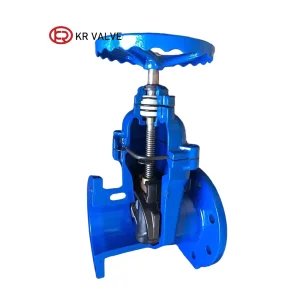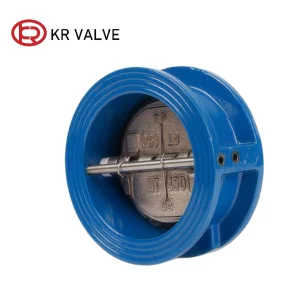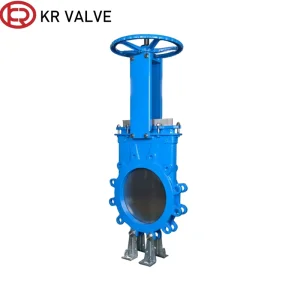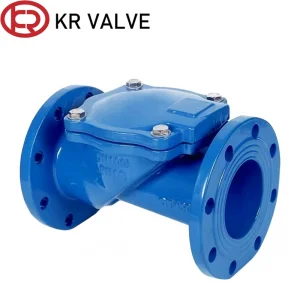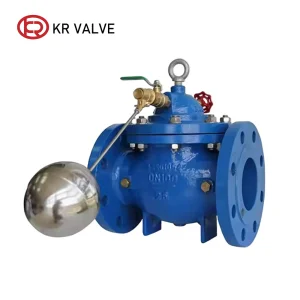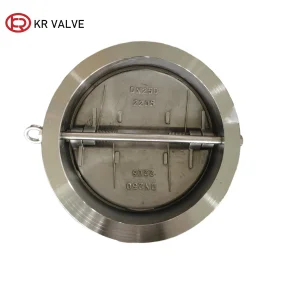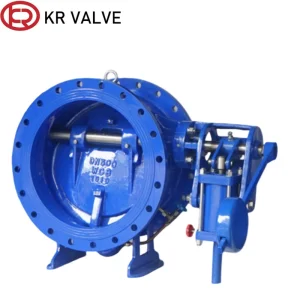
Featured High-Performance Industrial Valves
Explore our primary OEM valve selection engineered for municipal, chemical, power, and high-pressure fluid control pipelines worldwide.
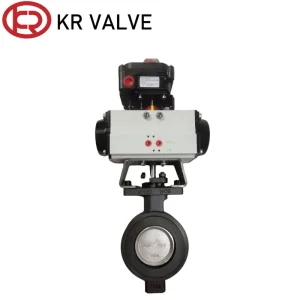
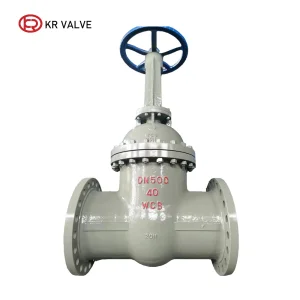
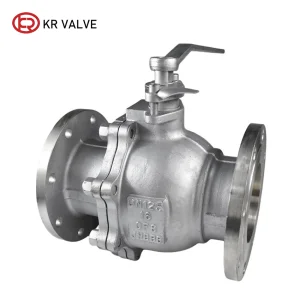
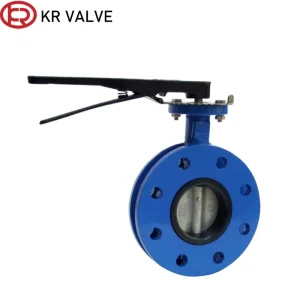
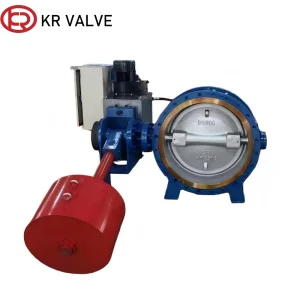
Global Industrial Landscape: The Rise of Advanced Wafer Butterfly Valves
In modern industrial process engineering, the wafer-type butterfly valve has evolved from a lightweight isolation alternative into an essential, highly engineered flow-control component serving global municipal, energy, desalination, and chemical infrastructure.
As global pipeline architectures demand higher operational efficiency, reduced spatial footprints, and stringent zero-fugitive-emission parameters, OEM wafer type butterfly valve suppliers play a pivotal role. Designed to be sandwiched between pipe flanges utilizing through-bolt tensioning, wafer butterfly valves eliminate the excessive bulk, heavy casting overheads, and high installation costs associated with traditional flanged gate or globe valves. Today, the global valve manufacturing ecosystem demands uncompromising accuracy in hydro testing, precision disc profiles, and specialized elastomer formulations capable of resisting aggressive media.
From standard concentric designs with vulcanized EPDM seats to advanced double-offset and pneumatic triple-offset high-performance butterfly valves equipped with intelligent digital positioners, OEM custom manufacturing provides project engineers with exact metallurgical and mechanical alignment for specified process metrics.
Valve Kinematics & Mechanical Engineering Principles
Understanding the structural taxonomy and hydrodynamic capabilities of wafer butterfly valves allows system integrators to select the optimal geometry for minimum head loss and extended operational life.
Concentric Wafer Design
Features a centered stem passing through the vertical midpoint of the disc. The resilient elastomeric seat (EPDM, NBR, or Viton) wraps around the interior body wall, providing bubble-tight shutoff at low to medium working pressures (up to 16 bar).
Double Offset (High Performance)
The stem is offset from the shaft center and the pipe center. This dual eccentricity lifts the disc off the seat immediately upon rotation, reducing friction, wear, and break-open torque while accommodating PTFE seats up to 25 bar.
Triple Offset (Torque Sealed)
Adds a third angular axis offset to the seating cone geometry. Eliminates all friction throughout the stroke. Employs laminated stainless steel and graphite metallic seals for zero-leakage performance under extreme thermal conditions (+450°C) and PN64 pressures.
Engineering Specification & Standard Compliance Matrix
| Parameter | Concentric Wafer Valves | Double Offset Wafer Valves | Triple Offset Wafer Valves |
|---|---|---|---|
| Nominal Diameter | DN50 – DN1200 (2" – 48") | DN80 – DN800 (3" – 32") | DN100 – DN1500 (4" – 60") |
| Pressure Ratings | PN6, PN10, PN16, Class 150 | PN16, PN25, PN40, Class 150/300 | PN16 to PN64, Class 150/300/600 |
| Seat Materials | EPDM, NBR, FKM (Viton), PTFE | R-PTFE, PEEK, Metal-to-Metal | Stellite Hardfaced, SS316 + Graphite Laminated |
| Leakage Rate | ISO 5208 Rate A (Bubble Tight) | ISO 5208 Rate A / ANSI FCI 70-2 V | API 598 Zero Leakage / ISO 5208 Rate A |
| Applicable Standards | API 609 Cat A, EN 593, ISO 5752 | API 609 Cat B, ASME B16.34 | API 609 Cat B, BS EN 12516, MSS SP-68 |
Sector-Specific Industrial Application Scenarios
As a dedicated OEM supplier, our custom wafer-type butterfly valves are engineered to withstand rigorous conditions across diverse global infrastructure networks.
1. Municipal Water Supply & Desalination
Ductile Iron (GGG40/GGG50) bodies paired with WRAS/NSF-61 certified EPDM seats provide non-toxic, corrosion-resistant isolation in potable water networks. High-nickel aluminum bronze (C95800) discs resist severe pitting in marine reverse osmosis (RO) desalination plants.
2. HVAC & Commercial District Energy
Short face-to-face dimensions (ISO 5752 series 20) allow installation in cramped mechanical rooms. Integrated electric or pneumatic actuators interface directly with BACnet/Modbus Building Management Systems (BMS) for dynamic energy balancing.
3. Chemical & Petrochemical Processing
Fully PTFE/PFA lined wafer butterfly valves isolate aggressive acids, alkalis, and organic solvents. The virgin fluoropolymer lining covers both the internal body bore and disc stem, preventing liquid contact with metallic structural components.
4. Mining Slurry & Bulk Handling
Heavy-duty thick-liner rubber seats combined with abrasion-resistant duplex stainless steel (2205/2507) discs handle abrasive tailings, cement slurries, and ash handling systems without premature seat degradation.
Every industrial project presents unique pressures, flow velocities, and media chemistries. As an established OEM factory, we offer tailored casting options including ASTM A216 WCB carbon steel, ASTM A351 CF8/CF8M stainless steel, Monel 400, and Hastelloy C276, paired with custom stem extension kits for cryogenic or high-temperature sub-surface installations.
Technology Roadmap & Future Engineering Outlook (2025–2035)
The industrial valve market is undergoing a technological transition driven by automation, predictive analytics, and decarbonization mandates.
Smart IoT Positioners & Diagnostics
Integration of smart electro-pneumatic positioners equipped with HART, Profibus, or WirelessHART protocols. Real-time monitoring of stem torque profile, partial stroke testing (PST), and seat seal degradation allows predictive maintenance, avoiding unscheduled facility shutdowns.
Low-Fugitive-Emission Stem Packing
Compliance with ISO 15848-1 and TA-Luft environmental standards. Advanced live-loaded packing sets featuring expanded graphite and PTFE chevron rings eliminate fugitive volatile organic compound (VOC) leaks into the atmosphere.
Computational Fluid Dynamics (CFD)
3D CFD fluid dynamics optimization yields streamlined disc profiles that maximize flow coefficient ($C_v$) values while minimizing dynamic torque requirements. Reduced disc thickness reduces overall pressure drop and pumping energy consumption across long pipeline networks.
Macro Infrastructure Turnkey Solutions & TCO Analysis
For EPC contractors and project procurement directors, evaluating the Total Cost of Ownership (TCO) of flow control hardware extends beyond the initial purchase price.
Opting for high-precision OEM wafer-type butterfly valves delivers quantifiable cost savings across the entire project lifecycle:
Freight & Handling Economy
Wafer valves weigh up to 70% less than equivalent flanged gate valves. This significantly reduces ocean container shipping weights, crane capacities during site installation, and structural pipe support framing requirements.
Rapid Installation & Commissioning
Simple sandwich-style installation between standard ANSI B16.5 or EN 1092-2 PN16 flanges minimizes bolt installation labor. Built-in elastomeric seat faces act as integrated flange gaskets, eliminating separate gasket procurement costs.
Modular Maintenance
Replaceable seat liners allow fast field refurbishments without replacing the main valve body. Standardized ISO 5211 mounting pads allow direct field retrofit of levers, worm gearboxes, pneumatic cylinders, or electric actuators.
Frequently Asked Engineering Questions (FAQ)
Direct technical responses addressing common procurement, design, and field installation queries.
Q: What is the primary operational difference between a Wafer and a Lug type butterfly valve?
A: A wafer type butterfly valve features a smooth body outer diameter (or positioning holes) designed to be clamped directly between two pipe flanges using full-length stud bolts. A lug type butterfly valve features threaded lug inserts protruding around its perimeter. Lug valves allow dead-end service—permitting downstream piping removal while keeping the upstream system under pressure. Wafer valves are lighter, more compact, and generally lower in hardware cost.
Q: How does disc material selection impact performance in corrosive aqueous systems?
A: Standard Ductile Iron discs coated with Nylon-11 or Epoxy provide adequate protection for neutral HVAC and clean water. However, for saline, brackish, or chemical fluids, upgrading the disc to SS316 (CF8M), Duplex SS (2205), or Aluminum Bronze (C95800) prevents galvanic corrosion, erosion, and premature disc edge cavitation wear.
Q: What testing standards are applied prior to factory dispatch?
A: All manufactured OEM valves undergo 100% hydrostatic testing in compliance with API 598, ISO 5208, and EN 12266-1 standards. Shell test pressures are performed at 1.5 times the nominal working pressure (e.g., 24 bar for PN16 rating), while resilient seat leakage tests are subjected to 1.1 times nominal pressure to ensure zero-bubble seal integrity.
Q: Can OEM wafer butterfly valves be retrofitted with third-party actuators?
A: Yes. Our wafer butterfly valve bodies feature standardized ISO 5211 top mounting flanges with removable square/keyed stems. This design ensures plug-and-play mechanical compatibility with standard electric quarter-turn actuators, double-acting or spring-return pneumatic actuators, and manual gear operators.
Comprehensive Fluid Control & Non-Return Valve Portfolio
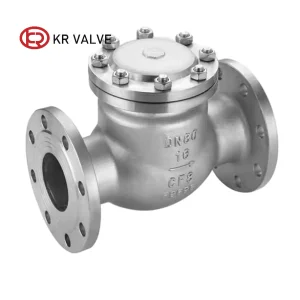
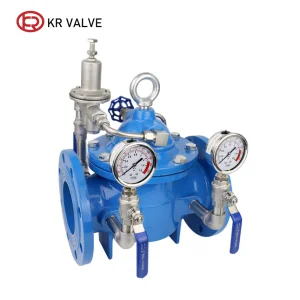
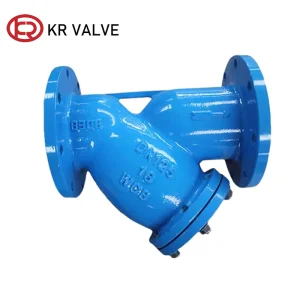
Discover our extended line of gate valves, check valves, hydraulic control valves, and strainers manufactured to DIN, BS, and ANSI specifications.