
Featured Industrial Flow Control Solutions
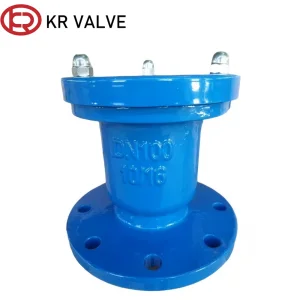
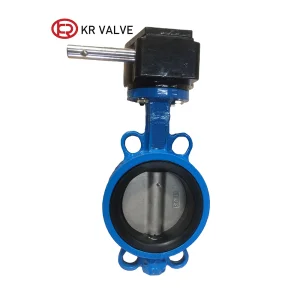
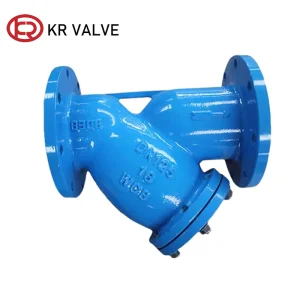
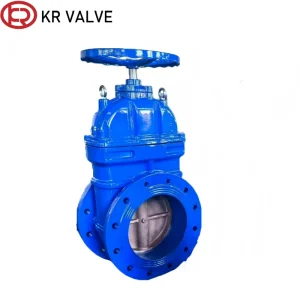
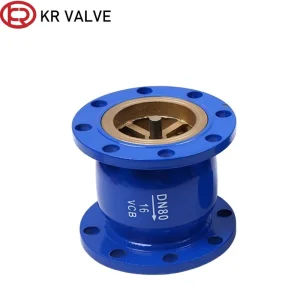
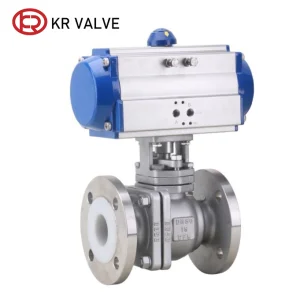
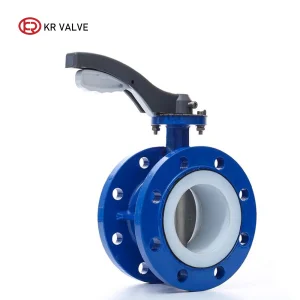
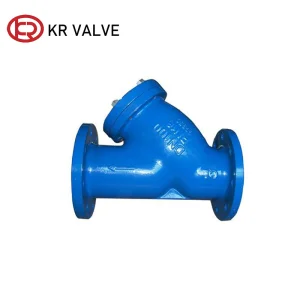
Explore our top-tier ductilized and cast iron valve assemblies, engineered for critical isolation, non-return liquid handling, and pressure relief in high-capacity pipelines.
Global Procurement Demand for Ductile Iron (DI) Slide Gates
In modern heavy infrastructure—ranging from mega municipal wastewater treatment plants (WWTP) to agricultural irrigation networks and industrial slurry conveyance—Ductile Iron (DI) slide gates, sluice gates, and knife gate valves represent the ultimate line of defense for fluid isolation and flow regulation.
Escalating Slurry & Sludge Loads
Global industrialization demands flow control hardware capable of enduring highly abrasive, solid-laden slurries without seat degradation or stem binding. DI slide gates manufactured to GGG40/GGG50 standards deliver superior yield strength compared to traditional cast iron, ensuring zero structural fracture under hydraulic surges.
TCO Optimization for EPC Buyers
Engineering, Procurement, and Construction (EPC) conglomerates prioritize Total Cost of Ownership (TCO). High-integrity DI slide gates equipped with resilient EPDM/NBR seals or precision metal-to-metal seating drastically reduce scheduled maintenance intervals, eliminating costly municipal downtime.
Rigorous International Compliance
Global enterprise tenders mandate strict compliance with AWWA C561, BS EN 1171, and DIN 3352 standards. Modern Chinese OEM foundries have transformed manufacturing lines with automated green sand molding and CNC machining centers to meet these exact global specifications.
Ductile Iron (DI) vs. Cast Iron (CI): The Metallurgical Advantage
Understanding why global municipal water authorities and industrial plants specify Ductile Iron (EN-GJS-400-15 / ASTM A536 65-45-12) over Gray Cast Iron (GG25 / ASTM A48 Class 30) for slide gate construction requires examining the graphite microstructure and yield stress behavior under transient pressure spikes.
| Mechanical & Material Property | Ductile Iron (DI - GGG40 / GGG50) | Gray Cast Iron (CI - GG25) | Operational Impact on Slide Gates |
|---|---|---|---|
| Microstructure Morphology | Spheroidal / Nodular Graphite | Flake / Lamellar Graphite | Nodular graphite eliminates stress concentrations, preventing crack propagation during water hammer. |
| Tensile Strength (MPa) | 400 – 500 MPa | 200 – 250 MPa | Provides 2x safety factor for high-head penstock installations and deep-buried channel gates. |
| Yield Strength (MPa) | 250 – 320 MPa | Nil (Brittle failure) | Ensures the frame and gate blade withstand elastic deformation without permanent warping. |
| Elongation / Ductility (%) | 7% – 15% | < 1% | Resists seismic shocks, ground movement, and heavy pipeline expansion stresses. |
| Corrosion & Cavitation Resistance | Superior with FBE Coating | Moderate (Pitting prone) | When paired with Fusion Bonded Epoxy (300µm), DI resists aggressive sewage and industrial effluent. |
Bi-Directional vs. Uni-Directional Sealing Mechanics
In high-capacity water handling, slide gate leakage is unacceptable. Uni-directional slide gates utilize fluid pressure to force the gate blade against the seat frame, achieving tight shut-off only when flow approaches from the designated upstream side. However, modern municipal storm reservoirs and tidal pump stations experience dynamic reversing heads.
Wholesale manufacturers utilize **bi-directional seating systems** incorporating continuous, molded EPDM or NBR lip seals embedded within a heavy-duty DI frame, backed by stainless steel retainers. The precision-ground knife edge or rectangular blade slides across self-lubricating PTFE or bronze guide blocks, reducing seating torque by up to 35% compared to conventional unguided gates. For severe abrasive environments, dual-metal seating (SS316 / Aluminum-Bronze surfacing) is precision-machined to achieve FCI 70-2 Class IV or Class VI zero-leakage standards.
Macro Industrial Solutions & Application Scenarios
Ductile Iron slide gates are not one-size-fits-all products. Factory-direct engineering tailored to specific fluid chemistries, suspended solid ratios, and actuation mechanics is mandatory for long-term reliability.
1. Municipal Sewage & Wastewater Treatment (WWTP)
Challenge: Raw influent carries rags, plastics, sand grit, and corrosive hydrogen sulfide gas ($H_2S$).
Engineering Solution: Heavy DI GGG50 frame coated with 350-micron hot-applied Fusion Bonded Epoxy (FBE). Integrated with an SS316L knife slide blade and non-rising stem (NRS) setup to protect drive threads from raw sewage contact. Flush bottom design eliminates grit accumulation pockets.
2. Mining Slurry & Mineral Tailings Disposal
Challenge: Ore processing slurries containing 40%+ iron, copper, or gold solids cause extreme erosion and valve jam.
Engineering Solution: Heavy-duty DI slide gate bodies featuring replaceable Ni-Hard or polyurethane liner sleeves. Bi-directional elastomeric seats squeeze tight around a polished 17-4PH precipitation-hardened stainless steel gate blade that shears through dense mineral deposits without binding.
3. Seawater Desalination & Coastal Outfalls
Challenge: High chloride levels lead to severe pitting corrosion and galvanic destruction of iron components.
Engineering Solution: DI slide gate structures specified with Duplex 2205 or Super Duplex 2507 internal gate trim, internal sacrificial zinc anodes, and 2-pack epoxy resin systems certified to WRAS / DVGW for drinking water safety.
4. Hydropower Channels & Agricultural Flood Control
Challenge: Large open channel openings (up to 3000mm x 3000mm) subjected to high static water heads and debris impact.
Engineering Solution: Modular fabricated DI penstock gates configured with electric multi-turn actuators (AUMA / Rotork interface ISO 5210 standard) and dual-rising stems (RS) for uniform lifting without gate jamming.
Technical Roadmap: Smart Actuation & CFD Design
The industrial valve manufacturing landscape is undergoing a digital revolution. Future-ready DI slide gate manufacturers are moving beyond basic mechanical casting to deliver integrated smart flow nodes.
CFD Flow Optimization
Utilizing 3D Computational Fluid Dynamics (CFD) simulation software allows factory engineers to model gate knife edge geometry. Optimizing the bevel angle from 45° to a patented parabolic curve reduces head loss by 18% and minimizes turbulent cavitation zones beneath the gate seat during throttling.
IoT Sensor Integration
Modern DI slide gates are increasingly requested with smart stem positioning sensors, acoustic leakage monitoring, and packing gland pressure transducers. These sensors transmit real-time telemetry via Modbus/PROFINET protocols directly to SCADA systems, enabling predictive maintenance.
Decarbonized Foundry Tech
Leading Chinese factories are replacing coal-fired cupolas with medium-frequency electric induction furnaces. Combined with resin-bonded sand reclamation systems, modern manufacturers produce lower carbon-footprint DI castings while meeting ISO 14001 environmental directives.
Regulatory Compliance & Quality Assurance
Enterprise buyers procuring wholesale DI slide gates from China require absolute transparency in testing and international certification compliance. Every step of our manufacturing workflow adheres to international quality protocols.
Factory Inspection & Hydrostatic Testing Protocols
- Shell Pressure Test: Conducted at 1.5x PN rating (e.g., 24 bar for PN16 rating) per ISO 5208 / EN 12266-1 standards to ensure body casting integrity.
- Seat Tightness Test: Hydrostatic seat testing at 1.1x PN rating, verified to meet MSS SP-81 leakage limits for knife gate valves and AWWA C561 for penstocks.
- Material Traceability: Spectrographic chemical analysis for every melt lot, accompanied by EN 10204 3.1 Material Test Reports (MTR).
- Coating Verification: Holiday testing (spark test at 2.5 kV) to verify non-porous epoxy coating coverage across all internal DI surfaces.
Global OEM/ODM Customization & Logistics
- Flange Standards Compatibility: ANSI B16.5 Class 150, EN 1092-2 PN6/PN10/PN16, JIS 10K, and AS 4087 drilling configurations.
- Actuation Options: Handwheel with bevel gearbox, pneumatic double-acting cylinders, hydraulic power units, or electric actuators (AUMA, Rotork, SIPOS).
- Export Packaging: Fumigated solid wooden crates wrapped with VCI (Vapor Corrosion Inhibitor) heat-sealed plastic bags for sea freight protection.
- On-Site Technical Support: Remote video guidance and field commissioning assistance for global engineering projects.
Frequently Asked Engineering Questions
In-depth answers to critical procurement and operational questions asked by project engineers and sourcing managers.
Complementary Valve Systems & Strainers
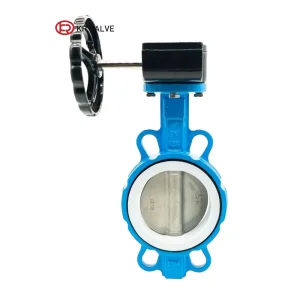
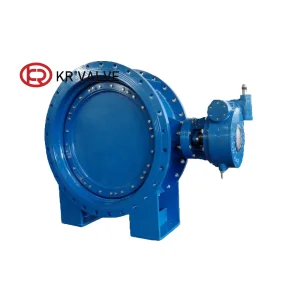
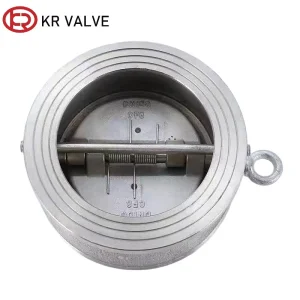
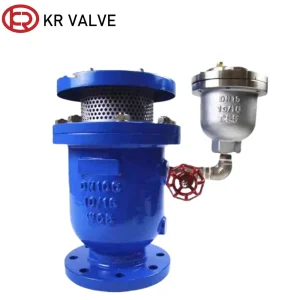
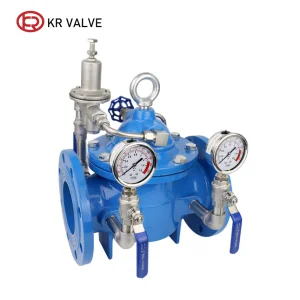
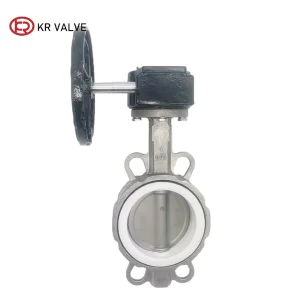
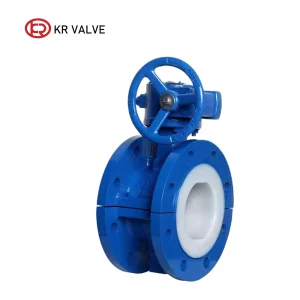
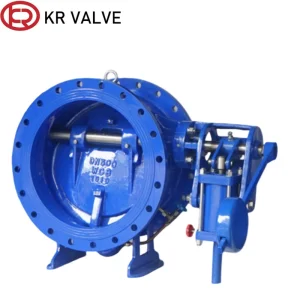
Browse our extended product lineup including butterfly valves, check valves, hydraulic control valves, and specialized exhaust valves to complete your pipeline package.
Request Engineering Datasheets & Wholesale Pricing
Partner directly with China's leading valve manufacturer. Get custom CAD/3D drawings, material test reports, and competitive factory-direct quotations within 24 hours.
Contact Engineering Team Direct