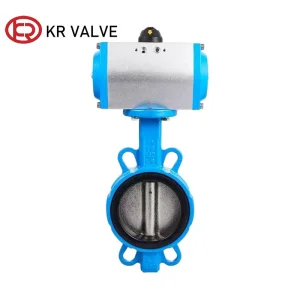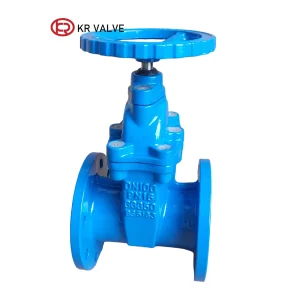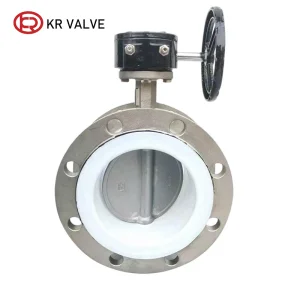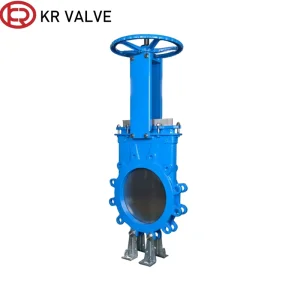
Wholesale Directional & Flow Control Product Series (Top Line)
Engineered to ANSI, DIN, BS, and JIS standards. Direct factory sourcing for global contractors, EPC buyers, and fluid handling distributors.
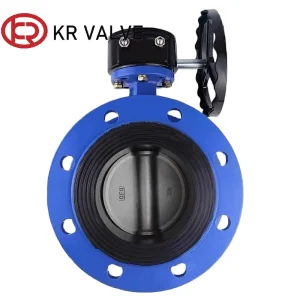
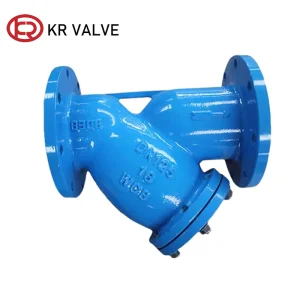
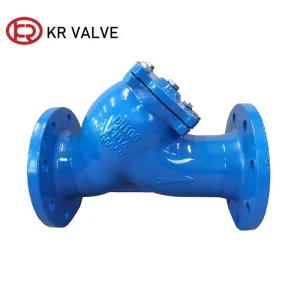
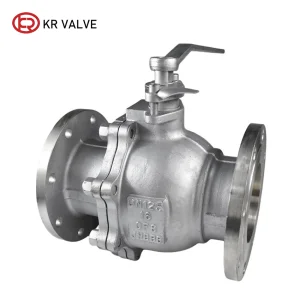
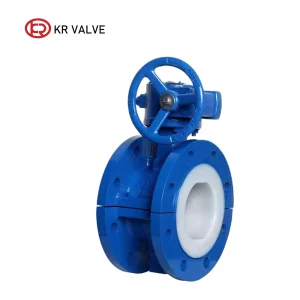
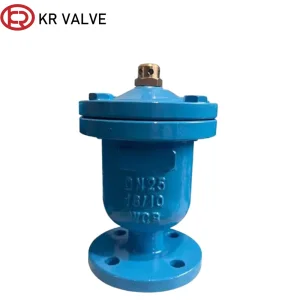
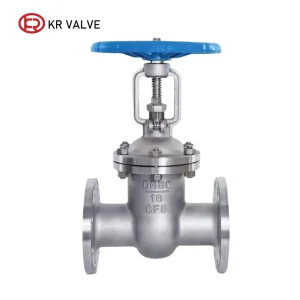
Industrial Footprint & Quality Benchmarks
Quantifiable operational excellence serving international buyers, municipal authorities, and heavy industrial plant operators.
Global Industrial & Commercial Landscape of Directional Control Valves
Analyzing global market shifts, supply chain optimization, OEM factory capabilities, and technical compliance in high-pressure fluid redirection.
The global industrial fluid control sector is currently undergoing a structural transformation driven by urbanization, aging municipal infrastructure replacement, and rapid energy sector modernization. Directional control systems—comprising hydraulic directional spools, pilot-operated diaphragm check valves, concentric butterfly valves, resilient seated gate valves, and multi-port fluid routing networks—serve as the foundational control layer in critical fluid infrastructure worldwide. As global capital expenditure shifts toward high-efficiency, zero-emission flow systems, procurement managers and project engineers require direct access to wholesale directional control manufacturers and factory-direct engineering partners capable of guaranteeing micro-tolerance machining, material traceability, and absolute shut-off integrity.
Historically, global buyers operated within multi-tiered distribution networks, leading to inflated procurement costs, extended lead times, and fragmented quality accountability. Today, leading engineering groups, such as KR VALVE (TIANJIN) CO., LTD., have established direct-to-customer manufacturing frameworks. Operating across more than 30 specialized casting, machining, assembly, and testing facilities in China's industrial valve hub, KR Valve combines localized raw material sourcing with international standards compliance (including ISO 9001, CE, API 609, ANSI B16.34, BS5163, and DIN F5). This integrated supply architecture allows project owners to secure Tier-1 valve quality at competitive factory-direct wholesale pricing.
Information Gain Benchmark: Direct factory procurement reduces total cost of ownership (TCO) by up to 28% while accelerating pre-commissioning document sign-offs via direct access to factory metallurgy certificates and hydrostatic inspection reports.
Supply Chain Resilience & Quality Certification Standards
Global procurement teams navigating large-scale infrastructure projects face volatile raw material costs (nodular cast iron GGG40/50, cast steel WCB, forged stainless steel CF8/CF8M) and stringent regional regulatory demands. High-performance directional control assemblies must withstand severe fluidic dynamic forces, thermal expansion cycle stresses, and corrosive media exposure. Factory-level quality control requires strict adherence to documented standards:
- Face-to-Face Standard Dimensions: Full alignment with EN 558 series, DIN 3202 F4/F5, ASME B16.10, and BS 5163 for drop-in maintenance compatibility.
- Pressure Class Rating & Testing: Hydrostatic shell testing at 1.5x nominal pressure (PN10, PN16, PN25, ANSI 150/300) and seat leakage testing at 1.1x nominal pressure in compliance with ISO 5208 Rate A (zero visible leakage).
- Metallurgical Verification: Spectrometric material analysis ensuring exact nickel, chromium, and molybdenum ratios in stainless components, along with spheroidal graphite content verification for ductile iron castings to prevent brittle fracture under water hammer surges.
Technical Architecture & Fluid Dynamic Engineering
Deep-dive analysis of directional routing mechanisms, body geometry, seat seating tribology, and pilot actuation physics.
Spool & Disc Topology
Directional flow control relies on precise spool displacement or rotary disc offset. Concentric and double-eccentric discs minimize friction, extending elastomeric seat life across high-frequency cycling applications.
Hydraulic Pilot Actuation
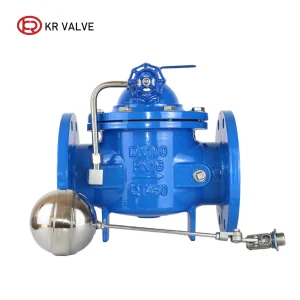
Diaphragm-operated hydraulic control valves (such as the 100X float and 200X PRV series) utilize pipeline fluid pressure to drive internal chamber balance, providing smooth modulation without external electrical power.
Seat Sealing & Tribology
Soft-seal resilient seats (EPDM, NBR, Viton) deliver bubble-tight isolation, while PTFE-lined split body designs and metal-to-metal SS304/SS316 surfacing handle high-temperature and abrasive fluids.
Cavitation & Flow Coefficient
Engineered internal flow channels maximize Kv/Cv values while reducing localized flow velocity spikes, preventing cavitation damage to valve bodies and downstream pipe walls during throttle operations.
Debris & Strainer Integration
Y-type strainers and basket filtration assemblies safeguard directional check and float valves by intercepting particulate matter down to 40 mesh via high-tensile SS304/SS316 filter elements.
Actuation Interface Compatibility
Standard ISO 5211 top flange dimensions support direct mounting of single-acting or double-acting pneumatic cylinders, worm gearboxes, and smart electric motorized actuators.
Localized Industrial Scenarios & Application Frameworks
How specialized directional control valve configurations solve operating challenges across distinct global markets.
1. Municipal Water Supply & Wastewater Infrastructure (Europe & Latin America)
In European and South American municipal water supply networks, reducing non-revenue water (NRW) loss and maintaining system pressure stability are top priorities. Engineers rely heavily on DIN F5 resilient seated non-rising stem gate valves combined with 200X pressure reducing valves. Built with non-toxic fusion-bonded epoxy (FBE) interior coatings (minimum 250 microns thickness) and EPDM wedges, these valves ensure long-term potable water safety, rust prevention, and zero leakage across PN10 to PN25 operational ranges.
2. Heavy Mining, Mineral Processing & Slurry Transport (Australia & North America)
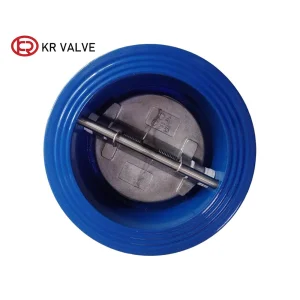
In Australian iron ore facilities and North American copper mines, fluid channels frequently carry highly abrasive mineral slurries under high static head pressures. Traditional gate valves suffer rapid seat erosion and jam under sediment buildup. The solution is WCB lug-type knife gate valves and dual disc check valves featuring hard-faced SS316 disc edges and flush ports. These assemblies shear through dense solids to maintain reliable one-way flow, while spring-loaded silent check valves eliminate destructive hydraulic shock during abrupt pump shutdowns.
3. Oil & Gas Refining, Petrochemical Tank Farms (Middle East & Southeast Asia)
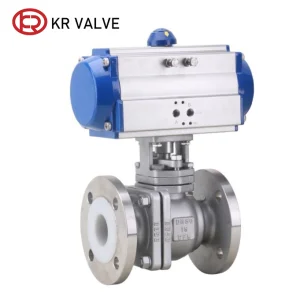
Refineries and tank farms in the Gulf region demand fire-safe, high-temperature directional isolation. Metal-to-metal seated rising stem cast steel (WCB) gate valves and flanged SS304 floating ball valves are widely deployed in these operating environments. Designed to withstand rapid temperature swings, these valves provide full-bore flow profiles that minimize head loss during bulk hydrocarbons transfer while maintaining structural integrity during emergency shutdowns.
4. Hygienic Food & Beverage Processing (Global Standards)
In hygienic production lines, dead-leg fluid pockets can cause bacterial growth and contamination. Direct manufacturing specs demand split-body full PTFE-lined concentric butterfly valves. The inert PTFE lining isolates the metal valve body from process media, allowing continuous CIP (Clean-in-Place) and SIP (Sterilization-in-Place) procedures using aggressive caustic wash solutions.
Technical Engineering Selection & Specification Matrix
Comparative structural analysis for pipeline design engineers, EPC procurement officers, and plant maintenance teams.
| Directional Valve Type | Primary Body Material | Sealing Architecture | Nominal Pressure | Best Suited Application |
|---|---|---|---|---|
| Concentric Gearbox Butterfly Valve | Ductile Iron GGG40 / WCB | EPDM / NBR / PTFE Seat | PN10 - PN16 / Class 150 | Large diameter HVAC, Municipal Water Mains |
| Split Body PTFE Lined Butterfly Valve | Cast Steel WCB / SS304 | Full Virgin PTFE Lining | PN10 - PN16 / Class 150 | Corrosive Chemicals, Fine Acid Transport |
| Resilient Seat DIN F5 Gate Valve | Ductile Iron GGG50 | EPDM Encapsulated Wedge | PN10 - PN25 | Underground Potable Water Distribution |
| WCB Flanged Basket Y-Strainer | Cast Steel WCB / SS304 | SS304 Mesh Screen | PN16 - PN40 / Class 300 | Debris Filtering for Pumps & Meters |
| 100X Diaphragm Remote Float Valve | Ductile Iron / Carbon Steel | Reinforced NBR Diaphragm | PN16 - PN25 | Automatic Water Tank Level Control |
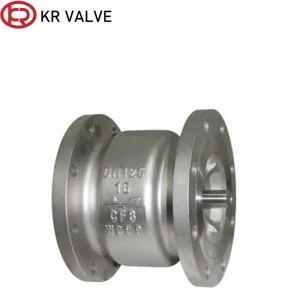
| Spring-Loaded Silent Check Valve | Cast Iron GG25 / SS304 | Metal / EPDM Soft Seat | PN16 - PN25 | Pump Outlet Water Hammer Prevention |
| Lug Type Manual Knife Gate Valve | Cast Steel WCB / CF8 | SS316 Knife Edge / Soft Seal | PN6 - PN10 / Class 150 | Pulp, Mining Slurry, Wastewater Sludge |
System-Level Macro Solutions & Strategic Technology Roadmap (2025–2035)
Integrative engineering methodologies and future development horizons in industrial fluid automation.
Comprehensive System Integration Solutions
Industrial piping systems rarely rely on standalone valve units; reliable operation requires holistic system engineering. KR Valve delivers complete fluid control packages designed for high-stress industrial applications:
- Integrated Anti-Surge & Water Hammer Prevention: Combining spring-loaded silent check valves on pump discharge manifolds with fast-closing hydraulic relief valves. This configuration absorbs pressure transients before sonic wave fronts damage pump impellers or pipeline joints.
- Automated Zone Pressure Regulation: Integrating 200X pressure reducing valves into multi-tier municipal grids to automatically reduce elevated main pressures to stable target downstream levels, regardless of flow demand fluctuations.
- Protection & Filtration Networks: Positioning WCB basket Y-type strainers upstream of expensive directional control valves and magnetic flowmeters, preventing scale, rust, and welding slag from causing seat scoring or jamming moving spools.
Future Outlook Roadmap: Smart Directional Control (2025-2035) will shift from purely mechanical fluid balance toward IoT-connected real-time diagnostic valves with predictive seal wear monitoring and dynamic hydraulic balancing.
Technology Horizon (2025–2035)
Over the next decade, valve manufacturing will move toward advanced materials science, computational fluid dynamics (CFD) optimization, and digital system integration:
- CFD-Guided Internal Cavity Shaping (2025–2027): Utilizing high-resolution hydrodynamic modeling to optimize valve body flow paths, achieving a 15% reduction in turbulence energy losses and lowering pump power consumption worldwide.
- Smart IoT Sensor Integration (2027–2030): Embedding pressure differential transducers, stem position sensors, and micro-vibration monitors directly into directional control valve bonnets to enable AI-driven predictive maintenance.
- Eco-Friendly Alloy Metallurgy & Zero-VOC Coatings (2030–2035): Transitioning toward lead-free copper-bearing ductile iron alloys and solvent-free thermal powder epoxies to meet strict global environmental regulations.
Frequently Asked Technical Questions (Engineering Q&A)
Expert insights addressing key procurement, installation, and operational queries from global buyers.
Wholesale Directional & Flow Control Product Series (Bottom Line)
Factory-direct engineering models certified for waterworks, chemical processing, fire protection, and industrial pumping networks.