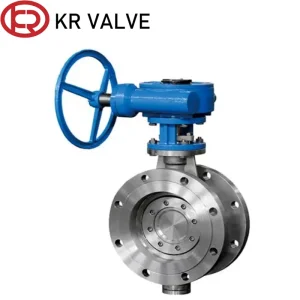
Featured Electro-Hydraulic & Industrial Valve Series
High-reliability flow isolation and non-return valve assemblies engineered to DIN, BS, and ANSI standards for municipal, energy, and heavy processing networks.
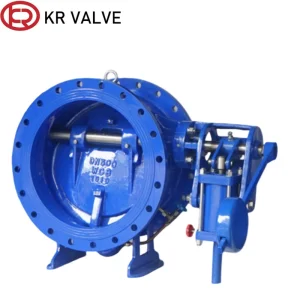
Wholesale WCB slow closing check valve inclined disc type Manufacturer, Factory
View Details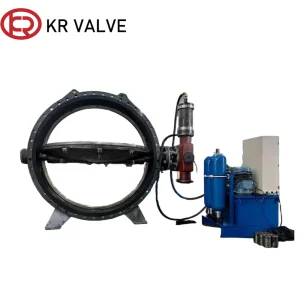
Wholesale Adjustable Hydraulic Cylinder Butterfly Valve - Double Eccentric Type from China Suppliers and Factory - DN200-DN3000 Suppliers, Manufacturer
View Details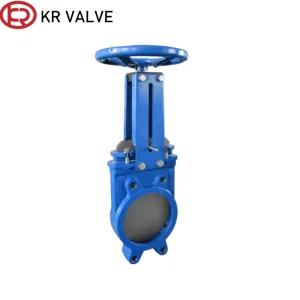
Custom Ductile Iron Wafer Knife Gate Valve PN16 - China Suppliers & Factory for Sewage, Slurry, and Powder Pipelines Manufacturers, Factory
View Details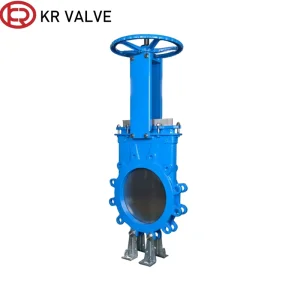
Wholesale WCB knife gate valve lug type manual operation Manufacturer, Factory
View Details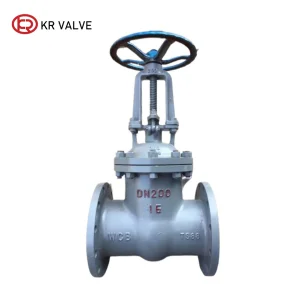
OEM Rising stem gate valve WCB/WCC material Supplier, Factory
View Details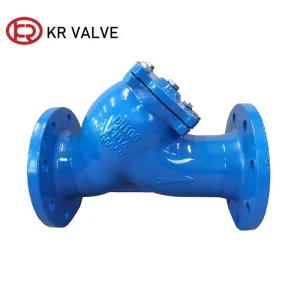
Custom China GG25 Cast Iron Y Strainer Flanged Connection - OEM & ODM Suppliers Factory Supplier, Factory
View Details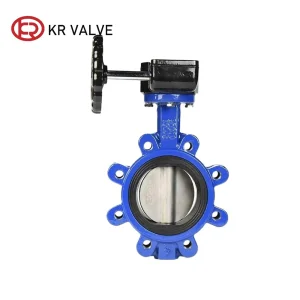
Custom Gear Box Operation Lug Butterfly Valve EPDM Seal Supplier, Factory
View Details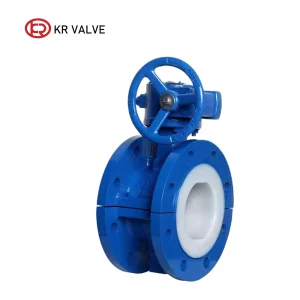
Wholesale China Suppliers Factory WCB Split Body Full PTFE Lined Concentric Butterfly Valve - D341F Series DN40-DN2000 Supplier, Factory
View DetailsEngineering Architecture of Electro-Hydraulic Actuation Systems
Understanding the hydro-mechanical coupling, electronic control logic, and self-contained power units driving modern heavy industrial flow control.
In modern industrial process engineering and large-scale fluid transmission, selecting the correct valve actuation technology directly governs plant safety, operational uptime, and total cost of ownership (TCO). Electro-hydraulic actuators (EHAs) represent the pinnacle of actuation technology, combining the clean, micro-processor-controlled flexibility of electric actuators with the immense torque density, stiffness, and rapid fail-safe response of hydraulic systems.
Core Engineering Advantage: Unlike traditional centralized hydraulic power units (HPUs) requiring extensive, leak-prone external piping, a wholesale electro hydraulic actuator operates as a self-contained electro-hydraulic power unit (EHCU). It integrates an electric motor, precision bi-directional gear/piston pump, fluid reservoir, hydraulic control manifolds, and digital positioner directly onto the valve bonnet.
1. Hydro-Mechanical Power Generation & Fail-Safe Logic
Electro-hydraulic actuators utilize a closed-loop hydraulic circuit. Upon receiving a digital or analog control signal (e.g., 4–20 mA, HART, Modbus RTU, or PROFIBUS), the internal brushless electric motor drives a high-efficiency hydraulic pump. Hydraulic fluid is directed into double-acting or single-acting spring-return hydraulic cylinders, translating hydraulic pressure into linear thrust (up to 2,500 kN) or quarter-turn rotary torque (up to 500,000 Nm).
Fail-safe mechanisms are paramount in critical installations such as Emergency Shutdown Valves (ESDV), dam discharge gates, and refinery isolation mains. In the event of main power loss or emergency trip signal, integrated nitrogen gas accumulators or heavy-duty mechanical coil springs instantaneously release stored mechanical energy. This drives the valve to its designated fail-safe position (Fail-Closed, Fail-Open, or Fail-In-Place) within action times as rapid as 0.5 to 2.0 seconds, without depending on external electrical backup power.
2. Advanced Modulation Precision & SIL-3 Safety Integrity
Unlike purely electric gear-driven actuators that suffer from mechanical backlash, thermal motor overload during continuous modulation, and gear wear, electro-hydraulic systems exhibit virtually zero backlash due to the incompressibility of hydraulic oil. Integrated micro-servo valve manifolds allow continuous modulating duty cycles (Class D / Class E per EN 15714-2) with positioning accuracy within ±0.1% to ±0.25% of full stroke.
Furthermore, leading electro-hydraulic actuator manufacturers design units in compliance with IEC 61508 Functional Safety Standards, achieving SIL 2 and SIL 3 certification. Embedded Partial Stroke Testing (PST) logic enables automated, non-disruptive testing of emergency valves during active pipeline operation, drastically elevating safety integrity without disrupting continuous production processes.
China Manufacturing Strengths: Tianjin Flow Control Hub
Why global EPC engineering firms and valve distributors partner with Tianjin valve and actuator manufacturing clusters for procurement.
Vertical Industry Integration
Tianjin’s industrial ecosystem combines heavy precision casting foundries (QT450, WCB, CF8M), CNC multi-axis machining centers, and fluid power testing laboratories in a single geography, reducing component sourcing lead times by up to 40%.
Rigorous QA & International Standards
Every wholesale electro-hydraulic actuator and matching valve assembly undergoes 100% factory acceptance testing (FAT), including hydrostatic pressure test to 1.5x PN, dynamic positioning calibration, cryogenic seal validation, and ATEX/IECEx explosion-proof screening.
Unrivaled Cost-to-Performance Ratio
Direct factory sourcing eliminates intermediary markups. B2B procurement buyers gain enterprise-grade electro-hydraulic solutions at competitive CAPEX while securing long-term reliability and standardized ISO 5211 mounting interfaces.
Global Trends Reshaping Electro-Hydraulic Actuation (2025–2030)
Technological shifts driving smart grid integration, zero-emission green actuation, and digital twin monitoring.
1. Edge AI & Predictive Diagnostics
Modern EHAs integrate smart microprocessors that capture real-time telemetry: oil viscosity, motor temperature, pressure differential, and seat wear. Machine learning algorithms process this data at the edge, predicting maintenance windows before catastrophic system failure occurs.
2. Zero-Emission Green Actuation
Environmental regulations are phasing out traditional gas-over-oil actuators in natural gas pipelines due to fugitive methane venting. Self-contained electro-hydraulic actuators operate with zero greenhouse gas venting, supporting global decarbonization mandates.
3. Extreme Environment & Subsea Resilience
Emerging offshore energy platforms and hydrogen transmission grids demand actuators capable of surviving ambient temperatures from -50°C to +150°C and subsea pressures down to 3,000 meters depth with pressure-compensated oil reservoirs.
Macro-Industry Solutions & Field Implementations
Customized electro-hydraulic valve actuation engineered for high-stakes operational environments.
Municipal Water & Hydro-Power Dams
Challenge: Hydraulic transient surges (water hammer) in large-diameter transmission mains (DN800–DN3000) can rupture pipes during rapid pump shutdown.
Solution: Electro-hydraulic cylinder butterfly valves equipped with programmable dual-speed slow-closing hydraulic control valves, safely dissipating kinetic wave energy.
Oil & Gas Midstream Pipeline ESDV
Challenge: High-pressure natural gas and crude oil transmission lines require instant zero-leakage isolation during overpressure emergency incidents.
Solution: ATEX Ex d IIB/IIC T4 certified fail-safe spring-return electro-hydraulic gate and triple eccentric butterfly valves capable of closure within < 1.0 second under full line differential pressure.
Thermal & Combined-Cycle Power Plants
Challenge: Steam turbine bypass systems and feed-water regulation demand continuous high-frequency modulating action with high thrust resistance.
Solution: High-precision modulating electro-hydraulic linear actuators delivering continuous S4-100% duty cycle, high dynamic stiffness, and zero thermal motor tripouts.
B2B Actuation Technology Evaluation Matrix
Comparing Electro-Hydraulic, Electric Gear, Pneumatic, and Centralized Hydraulic systems for global engineering sourcing.
| Performance Feature | Self-Contained Electro-Hydraulic | Pure Electric (Gear-Drive) | Pneumatic Cylinder | Centralized Hydraulic HPU |
|---|---|---|---|---|
| Maximum Torque Output | Extreme (Up to 500,000+ Nm) | Moderate to High (Up to 50,000 Nm) | High (Up to 100,000 Nm) | Extreme (Up to 1,000,000+ Nm) |
| Fail-Safe Action Speed | Ultra-Fast (< 1.0s via Spring/Accumulator) | Slow (Battery/UPS Dependent) | Fast (Spring Return) | Fast (Central Accumulator) |
| Modulating Duty Cycle | Continuous (Class D/E - No Overheat) | Limited (S2/S4 Intermittent) | High (Requires Air Positioner) | Continuous |
| Infrastructure Piping Cost | Zero (Fully Self-Contained) | Zero (Electric Cabling Only) | High (Compressors & Air Lines) | Very High (Stainless Oil Piping) |
| Environmental & Leak Risk | Zero External Venting / Sealed Oil | None | Air Leakage Energy Losses | Risk of External Pipe Leaks |
| Positioning Stiff & Backlash | Zero Backlash (Incompressible Oil) | Gear Backlash Present | Low Stiffness (Compressible Air) | Zero Backlash |
Frequently Asked Engineering & Sourcing Questions
Direct answers to technical queries from valve specifiers, EPC contractors, and procurement managers.
What defines a self-contained electro-hydraulic actuator compared to conventional actuation?
How does the fail-safe mechanism function during total electrical power failure?
What explosion-proof and hazardous area certifications are available?
Can electro-hydraulic actuators be mounted to existing valves from other manufacturers?
What digital communication protocols are supported for Distributed Control Systems (DCS)?
How does China factory OEM customization benefit B2B bulk procurement?
Explore Complete Flow Control Assemblies
Heavy-duty sluice gate valves, high-pressure butterfly valves, non-return valves, and specialized air exhaust valves.
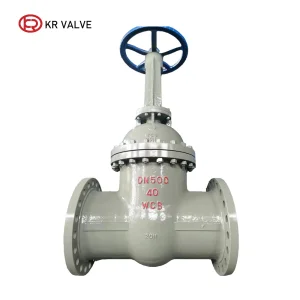
Custom Big size gate sluice valve WCB material PN64 DN500 Manufacturers, Factory
View Details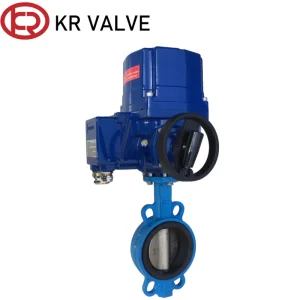
Wholesale Electric Actuated Butterfly Valve Wafer EPDM Seal Type Motorized Suppliers, Factory
View Details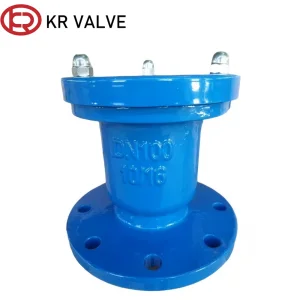
Custom China Suppliers Factory Single Port Air Exhaust Valve Ductile Iron PN16 for Liquid Pipeline Systems Supplier, Manufacturer
View Details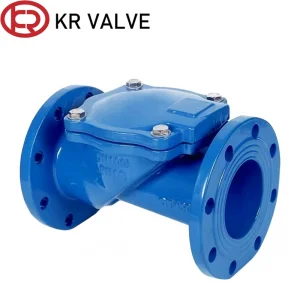
Wholesale China Ductile Iron Ball Type Non-Return Valve Suppliers & Factory | DIN Standard HQ41X, DN50-DN300, PN16/PN25 Manufacturers, Factories
View Details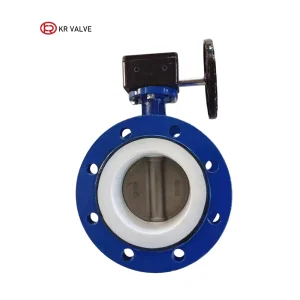
Custom China PTFE Seal Concentric Flange Butterfly Valve Gearbox - D341F Series from Leading Suppliers and Factory Manufacturers, Manufacturer
View Details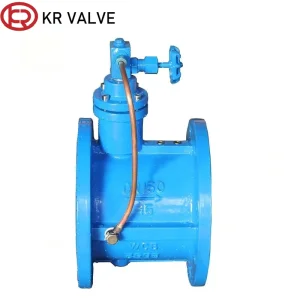
Wholesale WCB micro resistance slow closing backflow preventer valve Manufacturer, Factories
View Details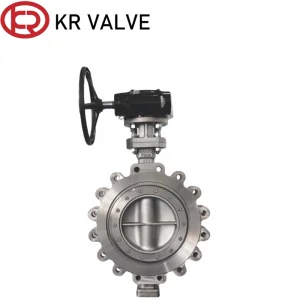
OEM Three eccentric butterfly valve metal to metal lug type Suppliers, Manufacturers
View Details