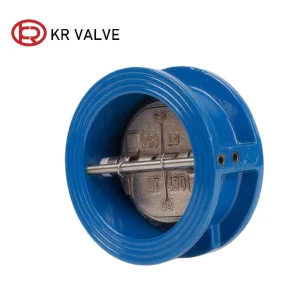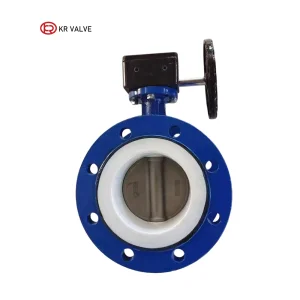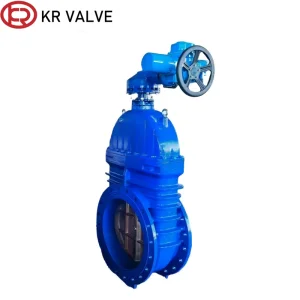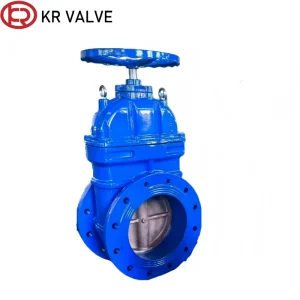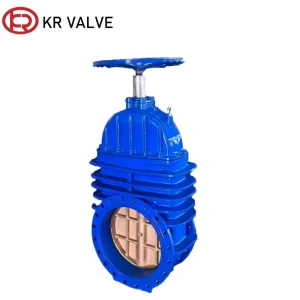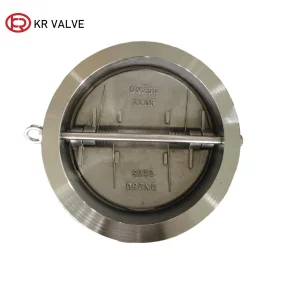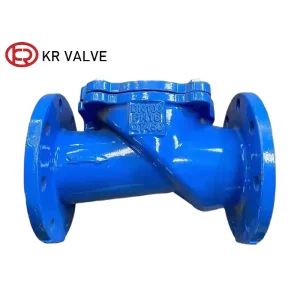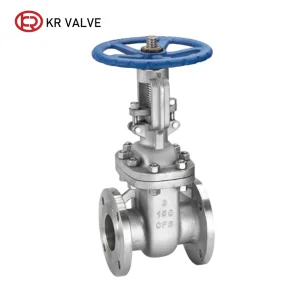
Featured Industrial Flow Control Systems (Top Tier Series)
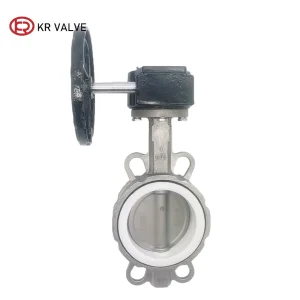
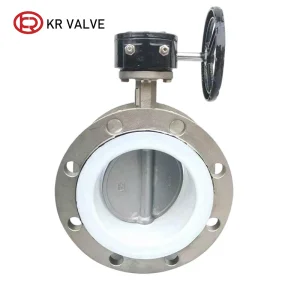
Precision-engineered butterfly, gate, and check valves designed for demanding municipal, chemical, and fire suppression installations worldwide.
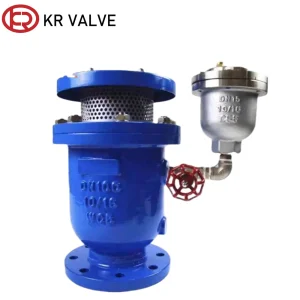
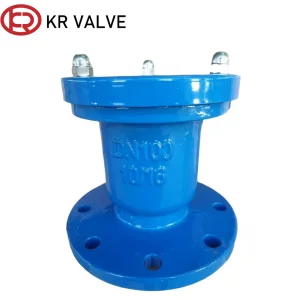
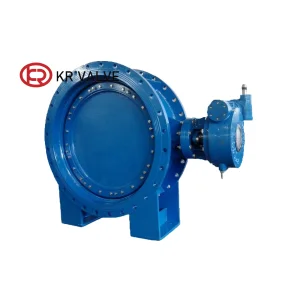
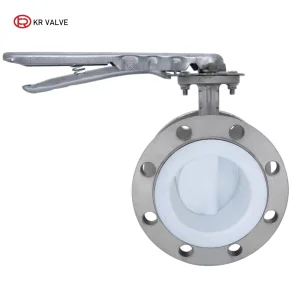
Global Commercial Landscape: The Paradigm Shift to Grooved Flow Control
Analyzing how modern industrial engineering is replacing traditional welded and flanged connections with grooved mechanical coupling technologies.
In the evolving domain of fluid handling and municipal pipeline engineering, the global industrial valve market is undergoing a significant transition toward grooved mechanical joint butterfly valves. Traditionally dominated by heavy flanged or labor-intensive welded valve assemblies, commercial construction, HVAC, mining, and fire protection sectors now mandate faster installation cycles, operational flexibility, and lower total cost of ownership (TCO).
Groove butterfly valves—engineered with standardized peripheral circumferential grooves conforming to AWWA C606 and ISO standards—allow immediate coupling integration via flexible or rigid mechanical couplings. This structural design completely eliminates the necessity for field flange welding, heat-treatment inspection, and tedious multi-bolt torquing procedures, cutting field labor hours by up to 70%.
Vibration & Acoustic Isolation
Grooved mechanical joints inherently absorb systemic expansion, thermal contraction, and mechanical vibration generated by high-head booster pumps, preventing joint fatigue across high-rise HVAC and industrial cooling towers.
Seismic Resilience
In earthquake-prone regions, rigid flanged systems are susceptible to catastrophic shear failure. Grooved joints provide angular deflection allowance (up to 3° per joint), enabling mainlines to absorb ground movement without rupture.
Simplified Retrofitting & MRO
Maintenance, Repair, and Operations (MRO) teams can isolate and remove a grooved butterfly valve simply by unbolting two mechanical couplings, bypassing the costly line-cutting needed in traditional piping.
Engineering Anatomy & Comprehensive Connection Matrix
Understanding the material metallurgy, elastomeric compound engineering, and structural differences across industrial valve designs.
A premium Wholesale Groove Butterfly Valve consists of five critical structural components optimized for hydrodynamic efficiency and zero-leakage performance:
- Ductile Iron Body (ASTM A536 65-45-12 / GGG50): High tensile strength (minimum 450 MPa) engineered with CNC-machined peripheral grooves to resist hydraulic surge and line pressure spikes up to 300 PSI.
- Vulcanized Elastomeric Seat (EPDM / NBR / Viton / PTFE): Precision molded and bonded directly to the internal body bore, preventing seat displacement during high-velocity fluid flow (up to 5 m/s).
- Streamlined Disc (Ductile Iron / SS304 / SS316 / Al-Bronze): Hydrodynamically designed with ultra-thin profile contours to reduce flow resistance, minimize pressure drop ($\Delta P$), and optimize $K_v / C_v$ coefficients.
- Splined/Pinned Stainless Steel Shaft (SS416 / SS420 / SS316): Heavy-duty, blow-out proof stem design transmitting high torque with minimal hysteresis for reliable manual, pneumatic, or electric actuator operation.
| Evaluation Parameter | Grooved End Butterfly Valve | Wafer Butterfly Valve | Lug Butterfly Valve | Flanged Butterfly Valve |
|---|---|---|---|---|
| Installation Speed | Ultra Fast (~10 mins) | Moderate (~30 mins) | Moderate (~35 mins) | Slow (~60 mins) |
| Joint Flexibility | High (Angular & Axial Shift) | Rigid | Rigid | Rigid |
| Dead-End Service | Full Capability (with coupling) | Not Recommended | Full Capability | Full Capability |
| Weight Profile | Lightweight / Compact | Ultra Lightweight | Medium | Heavy / Bulk Casting |
| Vibration Absorption | Superior (Rubber Gasketed) | Poor (Transmits Stress) | Poor (Transmits Stress) | Moderate (Flange Gasket) |
| Primary Application | Fire Protection, HVAC, Mining | Commercial Water, HVAC | Process Piping, MRO Lines | Heavy Municipal, Water Plants |
Selecting the correct seat elastomer is paramount for operating longevity. EPDM (Ethylene Propylene Diene Monomer) is ideal for potable water, HVAC chilled water, and fire protection (-10°C to +120°C). NBR (Nitrile Rubber) must be specified for petroleum derivatives, compressed air, and hydrocarbon slurries. For aggressive chemicals or acid-phase media, PTFE-lined or Viton (FKM) seat matrices are mandatory.
China Manufacturing Mastery: Industrial Scale, Cost Synergy & Quality Control
How Tier-1 Chinese valve manufacturing hubs combine metallurgical precision, automated production, and rigorous QA to empower global importers.
1. Automated Foundry & Resin-Sand Casting
Leading Chinese factories employ DISA automated sand-molding lines and induction melting furnaces. This guarantees strict control over carbon equivalent (CE) ratios in Ductile Iron GGG50, eliminating internal porosity, pinholes, and micro-fractures before machining commences.
2. Ultra-Precision CNC Machining
Grooved dimensions (groove width, depth, and margin distance) require microscopic tolerance control conforming to AWWA C606. Multi-axis CNC turning centers ensure every valve body exhibits absolute axial concentricity and zero-taper grooving.
3. Electrostatic Fusion-Bonded Epoxy Coating
Valves undergo shot-blasting to Sa 2.5 cleanliness, followed by automated electrostatic spray deposition of non-toxic Fusion-Bonded Epoxy (FBE) powder (minimum coating thickness 250 µm / 10 mils). This provides exceptional protection against internal scaling and atmospheric corrosion (EN 12944 C4/C5 rated).
4. 100% Hydrostatic & Pneumatic Testing
Every single valve undergoes bi-directional pressure testing per ISO 5208 / API 598 / EN 12266-1 standards prior to packaging. Shell tests are conducted at 1.5× PN rating, while low-pressure and high-pressure seat tests confirm absolute Rate A zero-leakage performance.
Localized Application Scenarios & Field Deployment Matrix
From high-rise fire protection risers to underground mining de-watering, discover how grooved butterfly valves perform across real-world sectors.
1. Fire Protection & Sprinkler Systems
Groove butterfly valves equipped with internal supervisory tamper switches are universally specified in commercial fire standpipe networks. Certified to UL 1091 and FM 1112/1120, they provide reliable visual/electrical status monitoring to central alarm control panels.
2. HVAC & Commercial Hydronics
In high-capacity chilled water circuits, condenser lines, and thermal energy storage plants, grooved butterfly valves manage variable primary flow rate changes effortlessly while isolating fan coil units (FCUs) and chillers for routine maintenance.
3. Mining De-Watering & Slurry Transport
Underground mining operations require fast assembly of high-pressure drainage lines. Heavy-duty ductile iron grooved butterfly valves fitted with abrasion-resistant Polyurethane or NBR linings withstand tailing slurries and acidic mine fluids.
4. Municipal Water & Desalination
Engineered with WRAS, NSF/ANSI 61, and ACS drinking water rubber accreditations, grooved valves serve potable water transmission networks and reverse osmosis (RO) desalination intake lines without risk of chemical leaching.
5. Marine & Offshore Engine Rooms
Shipyards install space-saving grooved butterfly valves in ballast water treatment, bilge pumps, and cooling systems where marine space constraints and weight reduction are essential naval design metrics.
6. Industrial Process Automation
Equipped with standardized ISO 5211 direct-mount top flanges, grooved butterfly valves easily integrate with modern quarter-turn pneumatic actuators or smart digital electric control units for automated process plants.
Global Procurement Compliance & Quality Auditing Framework
Key standards, material certifications, and documentation guidelines for international project procurement teams.
For EPC contractors, engineering consultants, and B2B distributors, procuring industrial valves requires rigorous compliance verification to prevent operational failures and legal project delays. Authentic manufacturers must provide transparent documentation proving compliance with international standards:
Product Design & Testing Standards
- AWWA C606 / MSS SP-67: Standard dimensions for grooved mechanical pipe joints & butterfly valves.
- ISO 5208 / API 598: Hydrostatic pressure testing standards for zero-leakage industrial valves.
- ISO 5211: Standardized top-flange dimensions for actuator mounting compatibility.
Traceability & Material Certifications
- EN 10204 3.1 MTC: Mill Test Certificates detailing chemical breakdown and mechanical tensile test results.
- UL / FM Certification: Mandatory safety accreditation for fire main valve installations.
- NSF/ANSI 61 & WRAS: Drinking water safety approval confirming zero heavy metal contamination.
Future Innovations: Smart Actuation, Tribology & FEA Structural Optimization
Exploring the technological breakthroughs reshaping the next generation of industrial butterfly valves.
IoT-Enabled Predictive Monitoring
Modern grooved butterfly valves are increasingly integrated with smart IoT wireless position sensors, pressure transducers, and vibration monitors. This enables predictive maintenance algorithms to flag stem packing wear or seat friction increases before leaks occur.
Low-Torque Disc Tribology
Through advanced computational fluid dynamics (CFD) and elastomeric tribology research, manufacturers have engineered ultra-low friction EPDM seat compounds and offset disc geometry, reducing required seat breakaway torque by up to 25%.
FEA Weight Optimization
Finite Element Analysis (FEA) software allows structural engineers to reinforce high-stress zones (such as neck flange radii and groove land shoulders) while eliminating non-structural cast iron weight, optimizing freight efficiency for bulk export shipments.
Technical & Commercial Procurement FAQ
Expert answers to critical technical questions asked by project engineers, buyers, and international valve distributors.
What are the main advantages of choosing a grooved butterfly valve over a flanged valve?
Which pressure ratings and standards do your grooved butterfly valves conform to?
How do I choose between EPDM, NBR, and PTFE seat options?
What certifications are required for fire protection grooved butterfly valves?
Can grooved butterfly valves be directly actuated with pneumatic or electric actuators?
What quality control documentation is provided with wholesale orders?
What OEM and custom manufacturing services do you offer for international distributors?
How does China manufacturing efficiency optimize procurement costs for global buyers?
Extended Valve Portfolio & Pipeline Accessories
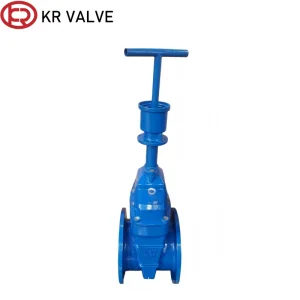
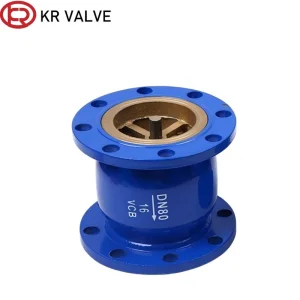
Explore our full line of non-return check valves, underground resilient gate valves, and customized flow control components.