
Featured Hydraulic System Control Solutions
High-performance hydraulic butterfly valves, knife gate actuators, and automatic pressure evacuation units manufactured to DIN, BS, and ANSI standards.
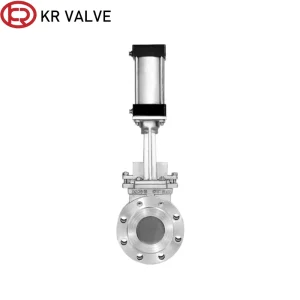
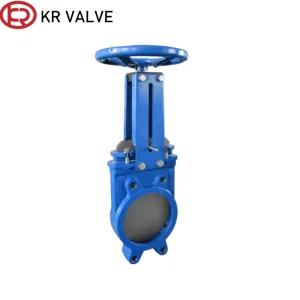
Custom Ductile Iron Wafer Knife Gate Valve PN16 - China Suppliers & Factory for Sewage, Slurry, and Powder Pipelines
View Specifications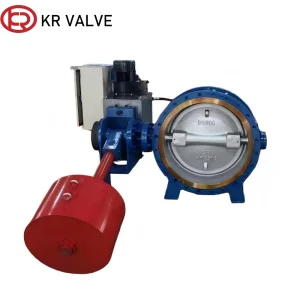
Wholesale Eccentric type hydraulic control butterfly valve PN16 EPDM sealing Supplier, Factory
View Specifications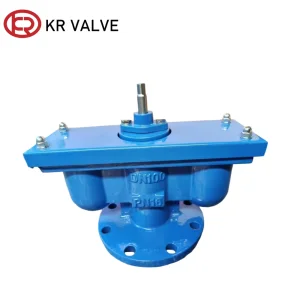
Custom Double Port Air Evacuation Valve - Automatic Release Air | China Suppliers & Factory
View Specifications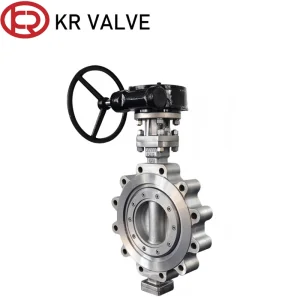
Wholesale Replaceable metal seat eccentric lug type butterfly valve Supplier, Factories
View Specifications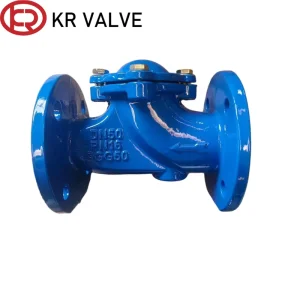
OEM Ball check valve flange connection EPDM ball non return valve Manufacturer, Factories
View Specifications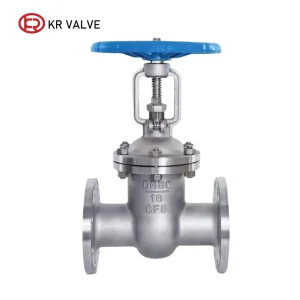
Wholesale Stainless Steel SS Flange Gate Valve Rising Stem Type - China Metal to Metal Seated Design
View Specifications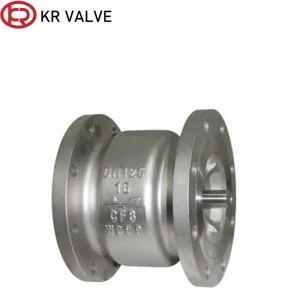
Wholesale Spring Loaded Check Valve stainless steel silent valve Supplier, Manufacturer
View SpecificationsExecutive Summary & Fluid Power Engineering Scope
An authoritative analysis of wholesale hydraulic system control mechanisms, electro-hydraulic pilot circuits, and robust valve manufacturing technologies for enterprise B2B buyers.
Macro Industry Dynamics
Global industrial modernization demands severe-service hydraulic system control units. Hydraulic actuation systems manage extreme energy dissipation, prevent hydraulic transients (water hammer), and ensure continuous volumetric efficiency across municipal water distributions, hydroelectric facilities, and heavy processing plants.
Integrated Electro-Hydraulics
The convergence of mechanical fluid control with micro-processor solenoids, hydraulic accumulators, and digital positioners allows dynamic response speeds under 100 milliseconds. Wholesale suppliers must supply integrated valve systems capable of handling working pressures up to PN40 and ANSI Class 600.
E-E-A-T Sourcing Guarantee
Tier-1 OEM factories provide 100% hydrostatic, pneumatic seat, and shell pressure testing in strict accordance with ISO 5208 Rate A. Every single consignment includes complete chemical and mechanical mill test reports (MTRs) to EN 10204 3.1 to mitigate procurement risk.
Global Enterprise Procurement Demand Analysis
Evaluating multi-regional sourcing behavior, critical operational requirements, and Total Cost of Ownership (TCO) parameters across major industrial sectors.
Modern hydraulic system control sourcing has shifted from commoditized valve buying to strategic fluid system optimization. Large-scale engineering procurement construction (EPC) contractors and municipal authorities require OEM manufacturers that offer comprehensive technical customization, modular pilot circuits, and certified component durability.
1. Municipal Water & Wastewater Mains
High-capacity distribution mains depend heavily on double eccentric hydraulic control butterfly valves and automatic slow-closing check mechanisms. Procurement demands zero-head-loss full-bore passage, non-slam closure characteristics, and certified EPDM/PTFE drinking water contact seals (WRAS/NSF-61 certified).
2. Slurry, Mining & Heavy Process Media
Severe-duty applications require pneumatic and hydraulic-actuated knife gate valves manufactured in high-grade stainless steel (CF8M/CF3M) or ductile iron (GGG40). Sourcing managers prioritize replaceable metal seats, bi-directional tight shut-off, and self-cleaning blade geometries to handle up to 60% solid concentrations.
3. Power Generation & Hydroelectric Dams
Hydro-power turbine bypass and pump storage installations utilize heavy-duty hydraulic pressure check valves featuring counterweight slow-closing oil cylinders. Emergency fail-safe closing speed regulation is essential to prevent destructive pressure surges and reverse rotation of prime movers.
| Procurement Metric | Technical Threshold / Benchmark | Impact on Enterprise TCO | Factory Compliance Verification |
|---|---|---|---|
| Mean Time Between Failures (MTBF) | > 150,000 continuous full-stroke operational cycles | Reduces unplanned process downtime by up to 68% | Accelerated Life Cycle Testing Protocols |
| Iso 4406 Fluid Cleanliness | Class 16/14/11 for integrated hydraulic pilot circuits | Prevents spool jamming and seal degradation | Laser Particle Count Laboratory Certification |
| Water Hammer Mitigation | Multi-stage adjustable closing speed (0.5s to 30s) | Protects downstream infrastructure from rupture | Transient Pressure Transducer Analysis |
| Seat Leakage Rate | ISO 5208 Rate A (Zero bubble-tight closure) | Eliminates revenue loss from fluid leakage | 100% Hydrostatic Seat Testing Prior to Shipment |
Macro Industrial System Control Architectures
In-depth technical breakdown of wholesale hydraulic valve mechanisms, pilot flow distribution, and dynamic actuation physics.
1. Eccentric Hydraulic Control Butterfly Valves (Slow-Closing Systems)
Double and triple eccentric hydraulic butterfly valves represent the gold standard in main-line pump protection. The hydraulic cylinder operates via system line pressure or an external Hydraulic Power Unit (HPU). During normal pump activation, line pressure enters the lower chamber of the hydraulic cylinder, lifting the heavy counterweight and fully opening the disc. When power cuts occur, the counterweight drops in a two-stage controlled sequence: a rapid fast-closing phase to prevent reverse flow, followed by a slow-closing damping phase to dissipate kinetic wave energy without water hammer shock.
2. Severe-Duty Pneumatic & Hydraulic Knife Gate Actuation
Handling abrasive slurries, untreated sewage, and dry powders requires precision knife gate designs. Ductile iron (GGG40) and stainless steel knife gates feature bevelled gate edges that cut through dense suspended solids. Equipped with double-acting hydraulic or pneumatic cylinders, position limit switches, and electro-pneumatic positioners, these valves interface directly with plant SCADA systems via 4-20mA or HART protocol, achieving step-less micro-throttling or rapid shut-off.
3. Hydraulic Air Evacuation & Kinetic Relief Valves
Air entrapped within liquid pipelines causes severe localized pressure spikes, accelerated pipe corrosion, and flow cavitation. Double port, automatic kinetic air evacuation valves dynamically release large air volumes during pipeline charging and introduce atmospheric air during pipeline draining to prevent vacuum collapse. Integrated hydraulic dampening mechanisms ensure smooth seat sealing without premature float slamming.
Technology Roadmap & Future Industry Outlook
Strategic development trajectories shaping the next decade of wholesale hydraulic system control and smart industrial fluid automation.
IO-Link & Smart Sensor Integration
Widespread deployment of inline pressure sensors, stroke position transducers, and oil cleanliness monitors connected directly to hydraulic control blocks via IO-Link and CANbus protocols, enabling micro-second diagnostics.
Eco-Friendly Bio-Hydraulic Fluids
Optimization of valve seals (FKM, HNBR, Special EPDM) tailored specifically for zero-emissions synthetic esters and biodegradable bio-hydraulic oils, eliminating environmental contamination risks in municipal watersheds.
AI-Driven Autonomous Cavitation Control
AI edge computing integrated into electro-hydraulic actuators to continuously adjust pilot throttle orifice openings in real-time, predicting cavitation zones and dynamically altering flow coefficients (Cv) to achieve zero erosion.
Global Commercial & Factory Capacity
Empirical operational metrics and global distribution footprint supporting multi-national B2B procurement programs.
Strategic Factory Sourcing Advantages
Sourcing directly from OEM hydraulic control valve factories in Tianjin and China's primary industrial hubs offers unmatched cost efficiency without compromising technical precision. By consolidating sand casting, CNC machining, rubber vulcanization, electrostatic epoxy powder coating (DIN 30677-2 compliant), and hydrostatic testing under unified ISO 9001 management, lead times for custom DN40-DN2000 engineered valves are reduced by up to 40% compared to Western European alternatives.
Local Engineering Support & Quality Assurance
Extensive certification framework and technical service commitments ensuring total risk mitigation for project engineers.
International Standards Compliance
All hydraulic system control components are engineered to international dimensional and structural design specifications including DIN F4/F5, BS5163, BS5153, ANSI B16.10, API 6D, and AWWA C504. Flange drilling is compatible with EN1092-2 PN10/16/25 and ANSI Class 150/300.
Full Material Traceability
Raw materials undergo rigorous spectrographic alloy verification (PMI testing) prior to pouring. Castings of GG25, GGG40 ductile iron, WCB steel, and stainless steel (CF8/CF8M) are certified with EN 10204 3.1 material test certificates specifying exact tensile strength, yield point, and elongation percentages.
Global Field Technical Support
Dedicated application engineers provide 24/7 technical consultation, 3D CAD modeling, line sizing calculations (Kv/Cv analysis), and on-site commissioning guidance for complex hydraulic power unit (HPU) integrations worldwide.
Factory Wholesale Hydraulic Controls & Valves
Explore our extended catalog of high-pressure check valves, PTFE double-flanged butterfly valves, air exhaust units, and Y-type strainers.
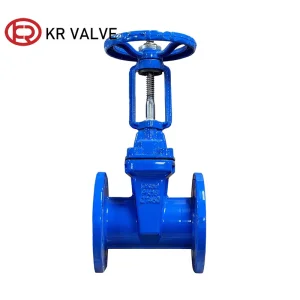
OEM Rising stem gate valve ductile iron body and EPDM Seat Suppliers, Manufacturer
View Specifications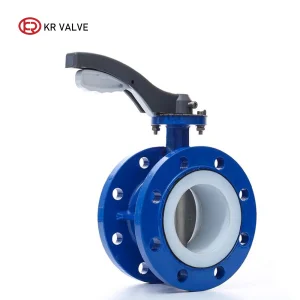
Wholesale China PTFE Seal Double Flange Butterfly Valve Suppliers - D41F Series, DN40-DN2000
View Specifications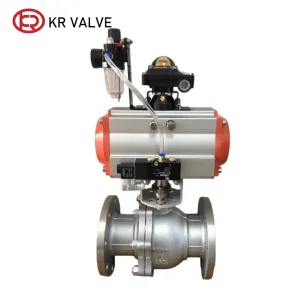
Custom China Pneumatic Ball Valve with Positioner & Limit Switch - Quality Suppliers & Factory Options
View Specifications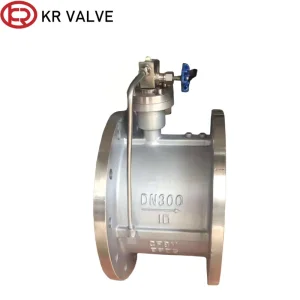
OEM SS hydraulic pressure check valve butterfly type slow closing Supplier, Manufacturer
View Specifications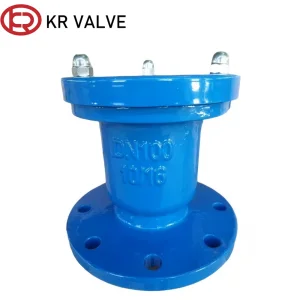
Custom China Suppliers Factory Single Port Air Exhaust Valve Ductile Iron PN16 for Liquid Pipeline Systems
View Specifications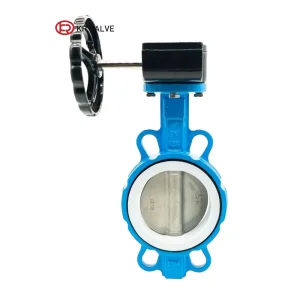
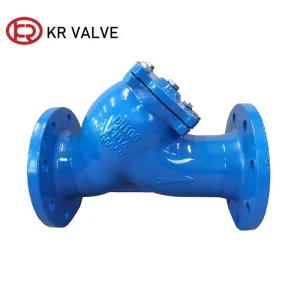
Custom Cast iron GG25 strainer type y flanged connection Suppliers, Manufacturer
View Specifications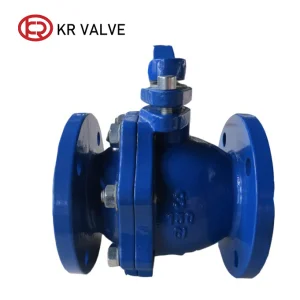
Custom Ductile Iron Flange Ball Valve with PTFE Seat - China Suppliers PN16/PN25 DN50-DN300
View SpecificationsFrequently Asked Questions (Procurement Q&A)
Addressing technical engineering queries, sourcing workflows, and standard specifications for enterprise buyers.
Q: What makes an eccentric hydraulic control butterfly valve ideal for surge protection in main water lines?
Eccentric hydraulic control butterfly valves utilize a double-offset shaft design that lifts the sealing disc off the EPDM seat immediately upon rotation, eliminating friction wear. When connected to a counterweight slow-closing hydraulic cylinder, the valve closes quickly for 70% of its stroke to stop reverse fluid flow, then slows down smoothly for the remaining 30% stroke to dissipate dynamic energy. This multi-stage closing curve prevents destructive pressure transients (water hammer) and protects upstream pumping equipment.
Q: How do hydraulic system control valves differ from standard manual or electric actuated valves?
Hydraulic control valves utilize the energy of the pipeline fluid itself or an integrated oil hydraulic power unit (HPU) to drive valve movement. Unlike electric actuators that depend continuously on external grid power (which can fail during sudden plant blackouts), hydraulic control valves store mechanical potential energy via counterweights or nitrogen accumulators, guaranteeing automated emergency shut-off even during complete power loss.
Q: What body materials and sealing surfaces are specified for slurry and sewage applications?
For abrasive slurries, mining tailings, and untreated wastewater, we recommend Ductile Iron GGG40 or Stainless Steel (CF8/CF8M) knife gate valves. The knife plate is precision machined from SS304 or SS316 with hard-chrome plating or Stellite alloy facing. Seats can be specified as replaceable metallic seats (for abrasive solids) or high-resilience EPDM/NBR/PTFE soft seats (for bubble-tight liquid isolation).
Q: What testing procedures are performed prior to export dispatch from wholesale suppliers?
Every manufactured valve undergoes rigorous quality inspection prior to packing: 100% shell hydrostatic testing at 1.5 times the nominal working pressure (e.g., 24 bar for PN16 valves), 100% seat leak testing at 1.1 times nominal pressure according to ISO 5208 Rate A standards, and pneumatic low-pressure seat testing at 6 bar. Dimensional compliance, coating thickness (min 250 µm epoxy powder), and operational torque tests are certified in EN 10204 3.1 test documentation.
Q: Can wholesale hydraulic system controls be customized to match existing site face-to-face dimensions?
Yes. OEM factories provide complete structural customization. We supply valves manufactured to short series (DIN 3202 F4 / ISO 5752 Series 14) and long series (DIN 3202 F5 / ISO 5752 Series 15), as well as ANSI B16.10 dimensions. Flange bolt hole configurations can be drilled to PN6, PN10, PN16, PN25, BS10 Table E, or ANSI Class 150/300 standards to allow direct drop-in replacement without piping alteration.
Q: What is the typical production lead time for bulk wholesale hydraulic valve orders?
Standard inventory models (DN50 to DN300 resilient seat gate valves and butterfly valves) ship within 7-14 days. Custom-engineered large-diameter hydraulic system controls (DN400 to DN2000 with custom hydraulic power units, limit switches, and positioners) feature a production cycle of 25 to 45 days, supported by full sea freight container consolidation and export-standard wooden box packaging.