
Precision-Engineered Industrial Valves
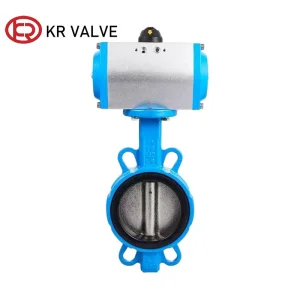
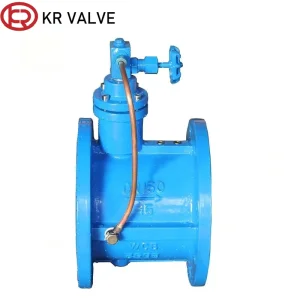
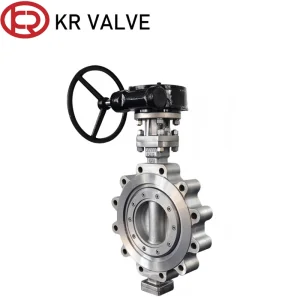
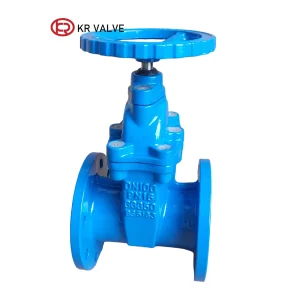
Explore our flagship industrial valve product line. Each unit undergoes 100% hydrostatic and pneumatic pressure testing to guarantee absolute operational integrity under severe working conditions.
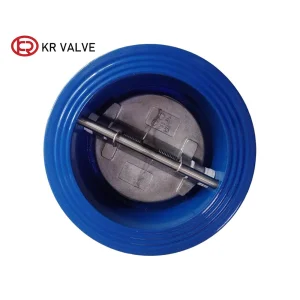
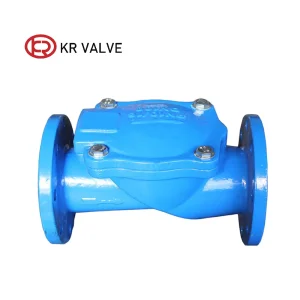
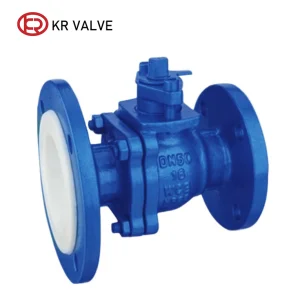
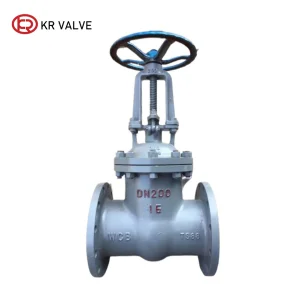
Global Valve Commercial & Industrial Market Landscape
The global industrial valve market is experiencing a profound structural transformation driven by municipal infrastructure modernization, energy transition initiatives, and strict environmental mandates regarding fugitive emissions.
Market Trajectory & Valuations
Valued at approximately $78.4 Billion in 2023, the global industrial valve sector is projected to expand at a compound annual growth rate (CAGR) of 4.8%, reaching over $112 Billion by 2032. Growth is spearheaded by massive expansion in wastewater treatment, LNG infrastructure, and high-purity chemical processing facilities across APAC, North America, and the Middle East.
Fugitive Emissions & Environmental Policy
Regulatory frameworks such as the EPA Clean Air Act and EU Directive 2010/75/EU have elevated ISO 15848-1 emission compliance from an optional engineering preference to a mandatory legal standard. Industrial valve manufacturers must now implement live-loaded packing glands and double-block-and-bleed designs to minimize VOC leakage.
Total Cost of Ownership (TCO) Shift
Global engineering procurement construction (EPC) contractors are shifting focus from initial capital expenditure (CAPEX) to operational expenditure (OPEX). Selecting premium ductile iron (GGG40), fully vulcanized EPDM wedges, and fluoropolymer linings dramatically reduces maintenance downtime, extend mean time between failures (MTBF), and lower lifecycle cost.
Industrial Valve Category Engineering Matrix
Selecting the correct valve design requires matching hydrodynamic parameters, chemical compatibility, pressure thresholds, and mechanical stress profiles. The following matrix provides a foundational engineering overview of core valve classifications manufactured by our facilities.
| Valve Category | Pressure Class Range | Metallurgy Options | Sealing Technology | Standards Compliance | Primary Application Profile |
|---|---|---|---|---|---|
| Butterfly Valves (Wafer / Lug / Flanged) | PN6 – PN25 Class 150 – 300 |
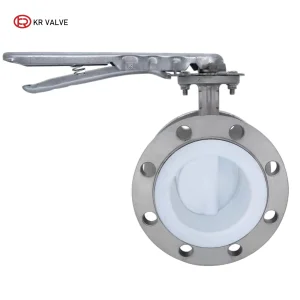
GGG40, WCB, CF8, CF8M, Aluminum Bronze | EPDM, NBR, Viton, PTFE, Stellite Metal-to-Metal | ISO 5752, API 609, EN 593, BS 5155 | HVAC, Municipal Water, Seawater Desalination, Bulk Isolation |
| Resilient Seat Gate Valves | PN10 – PN25 Class 125 – 150 |
Ductile Iron GGG50 / GGG40 | EPDM / NBR Fully Encapsulated Ductile Wedge | DIN 3352 F4/F5, BS 5163, AWWA C509/C515 | Potable Water Distribution, Sewage Mains, Underground Fire Lines |
| Metal Seat Gate Valves | PN10 – PN100 Class 150 – 600 |
Cast Steel WCB, Stainless Steel CF8M | Brass, Bronze, Stainless Steel, Stellite Facing | DIN 3352, API 600, BS 1414 | High-Temperature Steam, Slurry Lines, Crude Oil Transmission |
| Dual Disc Check Valves | PN10 – PN40 Class 150 – 300 |
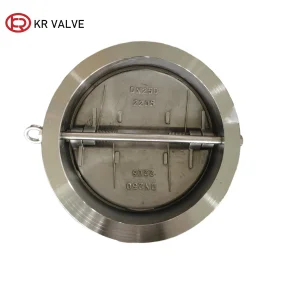
Cast Iron GG25, GGG40, WCB, CF8M | NBR, EPDM, Viton, Metal Seat | BS 5153, API 594, AWWA C594 | Pump Discharge Protection, Anti-Water-Hammer Municipal Lines |
| PTFE Lined Ball Valves | PN10 – PN16 Class 150 |
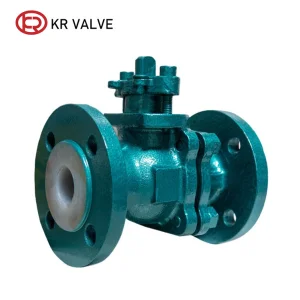
WCB / Ductile Iron with PTFE/PFA Lined Body | Virgin PTFE, PFA, FEP Fluoropolymer Sealing | HG/T 3704, API 608, ISO 17292 | Aggressive Chemical Processing, Strong Acid/Alkali Lines |
| Hydraulic Water Control Valves | PN10 – PN25 Class 150 |
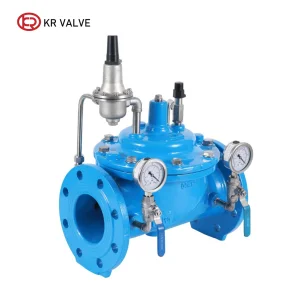
Ductile Iron GGG40 with SS304 Trim | Reinforced Nylon Diaphragm, EPDM Seal Ring | CJ/T 219, JB/T 10674 | Automated Zone Pressure Reduction (200X), Level Control (100X) |
Materials Science, Corrosion Engineering & Coatings
Long-term operational stability in severe hydraulic and chemical environments is fundamentally governed by metallurgical purity, elastomeric polymer stability, and advanced surface coating physics.
Ductile Iron & Alloy Casting Metallurgy
Our foundries utilize elevated spheroidization techniques for Ductile Iron GGG40/GGG50 (EN-GJS-400-15 / 500-7). By introducing magnesium micro-alloys into molten iron, carbon crystallizes into spherical graphite nodules rather than flakes. This eliminates stress concentration points, delivering tensile strengths up to 500 MPa and high impact tolerance superior to conventional gray iron.
Elastomeric Vulcanization & Fluoropolymers
Elastomeric seals determine absolute bubble-tight closure. We employ high-grade EPDM (Ethylene Propylene Diene Monomer) with WRAS and NSF-61 certifications for potable water lines up to 120°C, and sulfur-cured NBR for petroleum media. For aggressive chemical processing, full fluoropolymer linings (PTFE, PFA, FEP) provide complete chemical inertness across the entire pH 1 to 14 spectrum.
Fusion-Bonded Epoxy (FBE) Coating
To prevent internal tuberculation and external atmospheric corrosion, all cast and ductile iron components undergo fluid-bed or electrostatic Fusion-Bonded Epoxy (FBE) powder coating per DIN 30677-2 and AWWA C550. Applied at a minimum dry film thickness (DFT) of 250 microns, the coating is verified via 3000V non-porous holiday spark testing.
Technology Roadmap: Next-Generation Flow Control
The convergence of industrial IoT, computational fluid dynamics (CFD), and advanced tribological coatings is defining the next era of smart, maintenance-free flow control hardware.
Smart Actuation & IIoT Diagnostics
Modern smart valve assemblies incorporate embedded piezoresistive pressure sensors, micro-vibration transceivers, and digital valve positioners utilizing HART, Modbus, or IO-Link communications. Real-time dynamic torque tracking enables predictive maintenance, notifying operators of seat wear before catastrophic seal failure occurs.
CFD & FEA Hydrodynamic Optimization
By leveraging Finite Element Analysis (FEA) and 3D Computational Fluid Dynamics (CFD), disc profile geometries in our wafer butterfly valves and body contours in dual disc check valves are optimized to maximize flow coefficient values ($C_v / K_v$) while suppressing turbulence and localized cavitation zones.
Green Hydrogen & Severe Service Coatings
As global energy networks integrate hydrogen blending, valve stems and seats are subjected to severe atomic hydrogen embrittlement. Our R&D technical roadmap includes HVOF (High-Velocity Oxygen-Fuel) thermal sprayed Stellite hardfacing and specialized nickel-based superalloys for zero-permeation performance.
Localized Application Scenarios & Industrial Solutions
Engineered flow control hardware tailored to the unique operational pressures, chemical media, and environmental conditions of major global process industries.
1. Municipal Water Supply & Wastewater Networks
Municipal utility networks demand continuous reliability under transient surge conditions. Our Resilient Seat Gate Valves (DIN F5 / BS 5163) deliver full-bore, unobstructed flow paths that minimize head loss. Paired with 200X Pressure Reducing Valves, municipal distribution zones maintain constant downstream pressure despite fluctuating peak demand hours, preventing main line bursts.
2. Severe Corrosive Chemical & Petrochemical Processing
Handling concentrated acids ($H_2SO_4$, $HCl$) and organic solvents rapidly degrades standard metallic valve internals. Our PTFE-Lined WCB Ball Valves utilize thick fluoropolymer linings melt-bonded to ductile or cast steel bodies, isolating metallic components completely from aggressive process media while maintaining fire-safe structural strength.
3. Industrial HVAC, District Cooling & Energy Systems
Chilled water circulation and district heating systems prioritize compact footprint, lightweight installation, and rapid automated throttling. Our double-acting Pneumatic Wafer Butterfly Valves and Wafer Dual Disc Check Valves eliminate dangerous water hammer during sudden pump stops while occupying minimal flange-to-flange piping dimension.
4. Hydrocarbon Transport & Heavy Slurry Management
Upstream crude oil refining and mining tailings require robust abrasion resistance. Heavy-duty WCB rising stem gate valves and rubber flap check valves with reinforced NBR discs prevent backflow of suspended solid slurries without valve seat jamming or premature abrasive scoring.
Specialized Hydraulic & Control Valve Portfolio
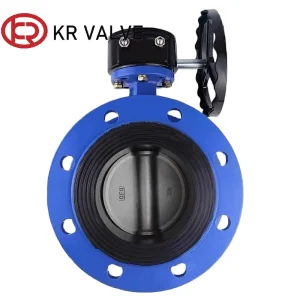
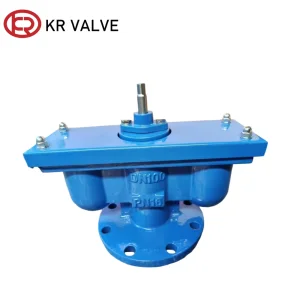
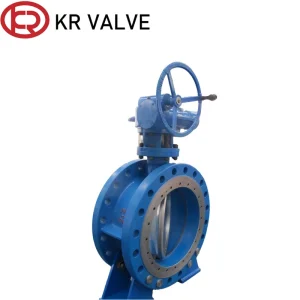
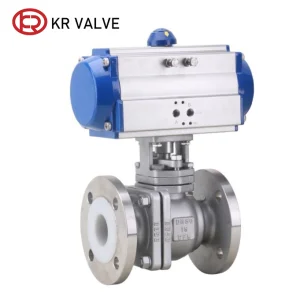
Discover our comprehensive collection of custom control valves, air evacuation systems, high-performance triple offset butterfly valves, and full PTFE-lined solutions engineered for heavy industrial deployment.
Hydrostatic Testing & Quality Compliance
Every valve manufactured across our facilities undergoes rigorous, multi-stage quality assurance protocols to guarantee conformance with EN 12266-1, API 598, and ISO 5208 standards prior to export.
100% Hydrostatic & Pneumatic Inspection
Standard quality sampling is insufficient for critical infrastructure. Every finished unit is tested on automatic hydraulic test benches. Shell pressure tests are conducted at 1.5x nominal design pressure (PN), while seat tightness testing is validated at 1.1x PN, ensuring zero-leakage closure (ISO 5208 Rate A).
Material Traceability & EN 10204 3.1 Certification
Complete metallurgical integrity is ensured through X-ray fluorescence Positive Material Identification (PMI) spectrometer checks. Every heat batch of ductile iron, carbon steel, and stainless steel is backed by full raw material inspection reports and EN 10204 3.1 chemical/physical test certificates.
Global Standard Interchangeability
Our valve dimensions fully comply with international face-to-face specifications, including DIN 3202 (F4/F5/F6), BS EN 558-1 series 3/4/5, and ANSI B16.10. Multi-standard flange drilling (PN10, PN16, ANSI 150, JIS 10K) allows direct seamless integration into existing global piping networks.
Industrial Valve Technical & Procurement FAQ
In-depth technical answers curated by our chief flow control engineers to guide project specifiers, EPC contractors, and wholesale procurement managers.
What is the structural difference between concentric, double offset, and triple offset butterfly valves?
+
Double Offset (High Performance) Butterfly Valves feature a stem offset in two axes. This causes the disc to unseat cleanly upon rotation, drastically reducing friction wear on PTFE/elastomeric seats, suitable for medium pressure/temperature steam and chemical lines.
Triple Offset Butterfly Valves (TOV) introduce a third angular offset in the seat cone axis. This geometry eliminates all sliding friction between disc and metal seat during stroke. The seal is purely dynamic and torque-seated, delivering bi-directional, fire-safe, zero-leakage performance under extreme high-pressure (Class 600+) and cryogenic or high-temperature steam conditions up to 550°C.
Why choose a Resilient Seat Gate Valve over a traditional Metal Seat Gate Valve for municipal water systems?
+
In contrast, Resilient Seat Gate Valves (DIN F4/F5, BS 5163) feature a smooth, flat-bottom passage. The ductile iron wedge is fully encapsulated in vulcanized EPDM rubber. When closed, the elastomeric wedge deforms slightly to absorb small pipeline particles while creating a bubble-tight seal (ISO 5208 Rate A). Upon opening, the wedge springs back without memory deformation, eliminating bottom debris traps and ensuring zero head loss.
How does a Wafer Dual Disc Check Valve mitigate hydraulic water hammer compared to a conventional swing check valve?
+
Wafer Dual Disc Check Valves (BS 5153 / AWWA C594) utilize two semi-circular spring-loaded discs hinged around a central pin. The torsional springs begin closing the dual discs automatically as fluid acceleration decelerates—before backflow velocity actually reverses. This rapid, non-slam spring response closes the flow area early, virtually eliminating reverse fluid impact and protecting delicate pump impellers and pipe fittings.
What material considerations govern the selection of PTFE vs. PFA linings in fluoropolymer ball and butterfly valves?
+
- PTFE is cold-molded and sintered. It exhibits excellent chemical inertness but can suffer from micro-porosity under severe vacuum conditions at elevated temperatures.
- PFA is melt-processable and injection-molded directly into the metal shell dovetail grooves. PFA provides superior permeation resistance, higher mechanical flex-life, and smoother surface finish, making PFA the preferred choice for high-vacuum chemical processing and semiconductor-grade ultra-pure media.
How does a 200X Adjustable Pressure Reducing Valve automatically regulate pipeline hydraulics without external electrical power?
+
When downstream pressure rises above the setpoint, the pilot valve automatically closes slightly, increasing pressure in the main valve’s upper control chamber and throttling the main disc shut. Conversely, when downstream demand increases and pressure drops, the pilot valve vents pressure from the upper chamber, allowing line pressure beneath the disc to open the main valve. This provides steady, continuous downstream pressure regulation regardless of upstream flow rate variations.
What are the key standard face-to-face dimensions for gate valves (DIN 3352 F4 vs. DIN 3352 F5)?
+
- DIN F4 (Short Series / EN 558 Series 14): Features a shorter face-to-face body dimension (e.g., DN100 F4 = 190 mm). It is lighter and ideal for space-constrained plant rooms or compact valve vaults.
- DIN F5 (Long Series / EN 558 Series 15): Features a longer face-to-face body dimension (e.g., DN100 F5 = 230 mm). F5 valves offer a larger internal body cavity, reducing fluid friction slightly, and are widely specified across European municipal infrastructure replacements.
Can your factory accommodate OEM custom branding, special paint finishes, and custom flange drilling?
+
How are fugitive emission requirements addressed in stem sealing design for industrial gate and ball valves?
+
What is the importance of Fusion-Bonded Epoxy (FBE) thickness and non-porous testing in buried water valves?
+
Our FBE coating process ensures a minimum thickness of 250 µm across all internal and external cast iron surfaces. Every valve casting is passed through a 3000V high-voltage spark holiday tester. If any microscopic pinhole exists, the electrical circuit triggers an immediate rejection, guaranteeing 100% continuous non-porous dielectric barrier protection.
What documentation and inspection test certificates accompany wholesale order shipments?
+
1. EN 10204 3.1 Material Test Certificates (chemical composition and mechanical tension testing per heat number).
2. Hydrostatic & Pneumatic Shell/Seat Test Reports detailing test pressure, holding duration, and leakage rate (ISO 5208 Rate A).
3. FBE Coating Thickness & Spark Test Records.
4. Commercial documents including Certificate of Origin (COO), Bill of Lading, Packing List, and CE/ISO 9001 compliance declarations.