
Osaka Heavy-Duty Knife Gate Valve Series
Precision-manufactured knife gate valves optimized for severe slurry, high viscosity, and corrosive chemical pipelines across the Hanshin Industrial Region.
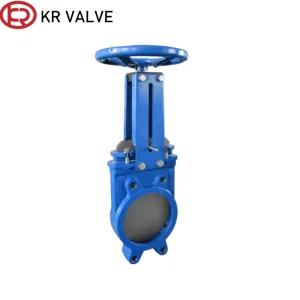
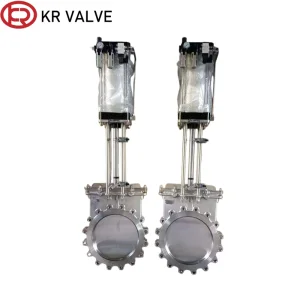
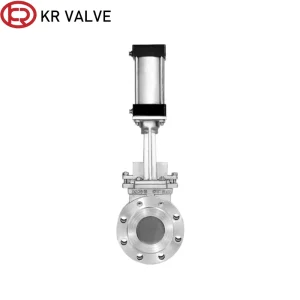
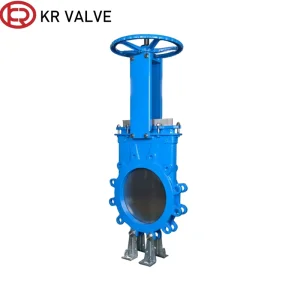
Industrial Ecosystem of Osaka & The Need for Specialized Fluid Control
As the economic powerhouse of the Kansai region, Osaka represents one of East Asia’s most sophisticated industrial hubs. From the vast Sakai-Senboku Coastal Industrial Zone to the dense municipal reclamation facilities along Osaka Bay, the city operates an extensive network of chemical refining, pulp and paper recycling, steel production, and municipal wastewater treatment systems. Operating fluid control hardware in this environment demands valves capable of handling high-viscosity media, abrasive mineral slurries, aggressive chemical effluents, and fibrous organic suspended solids.
Standard gate valves or butterfly valves frequently experience seat degradation, packing chamber jamming, and incomplete shut-off when handling Osaka's complex media streams. The Knife Gate Valve (KGV) engineered by KR Valve offers a decisive technological solution. Featuring a bevel-edged stainless steel blade that shears through viscous media and solids, our KGVs deliver bubble-tight isolation, zero seat clogging, and reduced lifecycle maintenance costs for Osaka-based plant operators and engineering contractors.
Global Market Dynamics & Technical Evolution of Knife Gate Valves
The global industrial valve market is undergoing a rapid transition toward digital monitoring, eco-efficient sealing, and extreme-service metallurgy. Driven by stringent environmental regulations regarding industrial effluent discharge and fugitive emissions, plant owners are discarding obsolete valve architectures in favor of specialized knife gate valves equipped with dynamic packing glands and resilient elastomeric/metal hybrid seats.
In high-density industrial corridors like Osaka, downtime costs can reach tens of thousands of dollars per hour. Consequently, valve procurement strategies have shifted from initial purchase price evaluations to total cost of ownership (TCO) models. Key technical parameters defining modern high-performance KGVs include:
Shear Bevel Geometry
Precision-machined blade edge with a 45° or 30° knife bevel designed to cut cleanly through high-density pulp (up to 12% consistency) and heavy slurries without wedging.
Fugitive Emission Packing
Multiple layers of PTFE-impregnated synthetic fiber or flexible graphite packing rings with adjustable live-loaded gland followers to eliminate stem leakage.
Actuation Integration
Seamless adaptability with pneumatic cylinders, electric multi-turn actuators, and hydraulic systems supporting 4-20mA HART or Modbus protocols.
Localized Application Scenarios in Osaka Industrial Sectors
Selecting the ideal knife gate valve requires matching metallurgy and seating design to specific operating environments. Below is a structured matrix detailing how KR Valve supplies targeted configurations for Osaka’s premier industries:
| Osaka Industrial Sector | Typical Media Handled | Recommended KGV Material | Seat & Sealing Type | Key Operating Advantage |
|---|---|---|---|---|
| Wastewater & Sewage (e.g., Osaka Bay Water Plants) |
Raw sewage, grit slurry, digested sludge | Ductile Iron GGG40 / Carbon Steel WCB | EPDM / NBR Resilient Soft Seat | Zero leakage at low pressure; bi-directional seating prevents backflow contamination. |
| Chemical & Petrochemical (Sakai-Senboku Complex) |
Acidic effluent, organic solvents, polymer slurry | Stainless Steel SS316L / 254 SMO | PTFE / RTFE Lined Seat | Superior chemical immunity; prevents localized pitting corrosion in chloride-rich environments. |
| Pulp, Paper & Recycling (Yodo River Basin Mills) |
Recycled fiber stock, black liquor, waste slurry | Stainless Steel SS304 / SS316 | Metal-to-Metal Hardened Gate | Sharp shear edge severs dense fiber bundles cleanly without jamming the valve body. |
| Steel & Heavy Industry (Osaka Bay Manufacturing) |
Blast furnace slag, coal wash slurry, fly ash | Cast Steel WCB / Ni-Hard Iron | Stellite Hardfaced Metal Seat | Extreme abrasion resistance under abrasive high-velocity particle impact. |
Technical Engineering: Seating Architecture & Metallurgical Selection
The survival of a knife gate valve in severe slurry applications hinges upon seat design and blade surface treatments. KR Valve engineers employ three distinct seating configurations tailor-made for Japanese procurement requirements:
1. Resilient Perimeter Seat
Utilizes a molded elastomeric ring (EPDM, Viton, or NBR) embedded securely in a reinforced body pocket. When closed, the gate exerts uniform radial compression, achieving bubble-tight zero-leakage shut-off up to 16 bar.
2. Deflection Cone Metal Seat
Incorporates a replaceable sacrificial metal cone (Ni-Hard or Stainless Steel) that shields the inner valve body and seal from direct abrasive particle impact, extending valve service life by up to 300% in mining and ash handling lines.
3. Through-Conduit O-Port Gate
Features a circular blade with a central port. When open, the port aligns perfectly with the pipe bore, eliminating flow turbulence. When closed, the solid upper portion isolates the line completely, ideal for high-density pulps.
For gate surface finishing, KR Valve offers Hard Chrome Plating, Nitriding, and Stellite Overlays. In corrosive marine-air environments such as the Osaka Bay port district, SS316L gates are passivated to withstand atmospheric salt fog and aggressive internal liquid media.
JIS Standards Mapping & Failure Mode Prevention (FMEA)
Seamless integration into existing Japanese piping infrastructure requires precise adherence to flange dimensions and face-to-face standards. KR Valve manufactures knife gate valves compatible with:
- JIS B2220 10K / 16K Flange Drilling: Direct pitch circle diameter (PCD) alignment for rapid bolt-up installation without pipe modifying.
- ISO 5211 Actuator Top Flanges: Standardized mounting pads allowing easy automation retrofits using local Japanese pneumatic or electric actuators.
- MSS SP-81 Face-to-Face Dimensions: Ultra-narrow wafer profiles minimizing pipeline footprint and weight load on pipe supports.
• Slurry Packing in Seat Pocket: Prevented by self-cleaning bottom flush ports and angled seat bevels that force solids back into the main flow stream during closure.
• Stem Scoring & Corrosion: Eliminated by using ground stainless steel stems paired with brass stem nuts and protective stem covers against environmental contaminants.
• Gate Deformity under Differential Pressure: Prevented by finite element analysis (FEA) verified gate thickness sizing, preventing deflection under high pressure heads.
Technology Roadmap: Next-Gen Smart Valve Solutions for Kansai
KR Valve is advancing flow control into the Industry 4.0 era. Discover our R&D direction for smart knife gate valves tailored for automated manufacturing in Osaka.
2025: IoT Seat-Wear Diagnostics
Embedded ultrasonic thickness sensors on seat rings to measure slurry erosion in real-time, transmitting predictive maintenance data directly to plant SCADA systems.
2027: Zero-Emissions Gland Packing
Next-generation nano-composite packing materials compliant with ISO 15848-1 Class AH, ensuring virtually zero fugitive hydrocarbon emissions in petrochemical plants.
2030+: Autonomous Actuation
Self-calibrating smart positioners utilizing AI algorithms to adjust torque curves based on media viscosity changes, maximizing actuator power efficiency.
Complete Heavy Industrial Valve Range for Kansai Projects
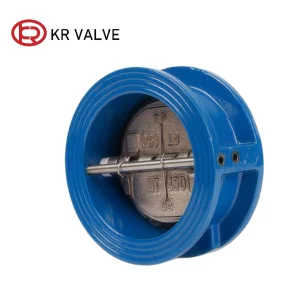
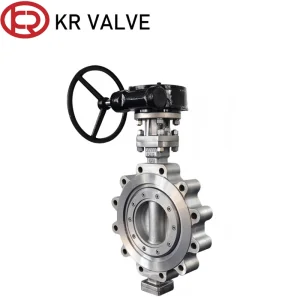
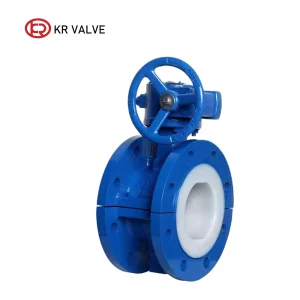
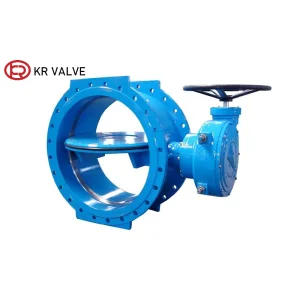
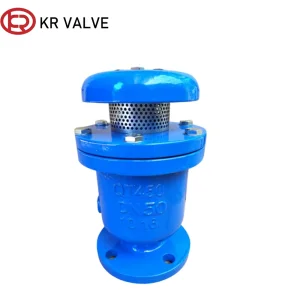
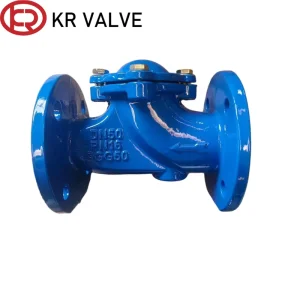
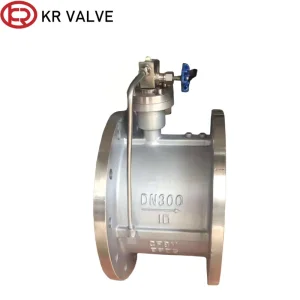
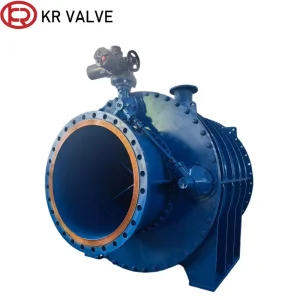
Explore our extended series of high-performance check valves, butterfly valves, and control valves engineered to support comprehensive municipal and industrial piping contracts.
B2B Technical Procurement FAQ: Knife Gate Valves in Osaka
Direct responses to common engineering and commercial questions asked by Japanese EPC contractors, plant managers, and fluid control distributors.