
High-Performance Metal-Seated Gate Valves for Chicago Heavy Industry
Discover our primary heavy-duty metal-seated sluice and gate valve configurations, optimized to meet ANSI/ASME and DIN standards for harsh operating conditions throughout Cook County and the Greater Chicago Industrial Belt.
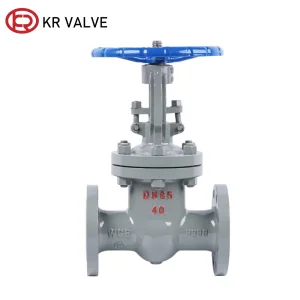
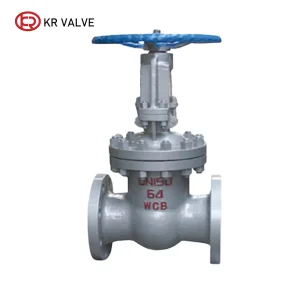
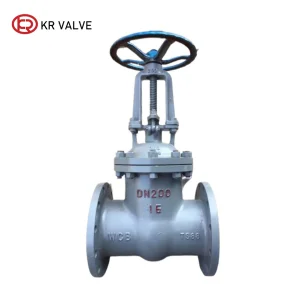
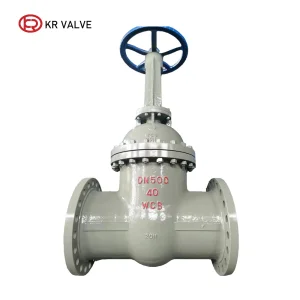
Chicago Market Demands Heavy-Duty Metal-Seated Valve Engineering
Why resilient soft seats fail in Chicago’s rigorous municipal water tunnels, steam utility lines, and heavy manufacturing corridors—and why metal-to-metal hard seal technology provides the definitive solution.
Municipal Water & Sewage (MWRD)
The Metropolitan Water Reclamation District of Greater Chicago operates some of the world's largest wastewater processing facilities, including the Stickney Plant. High sand, grit, and abrasive slurry render soft-seated EPDM gate valves prone to tearing and leakage. Cast iron and ductile iron metal-seated (bronze/brass trim) valves provide long-term erosion resistance.
District Heating & Steam Networks
Downtown Chicago’s subterranean district steam systems operate under intense thermal cycles exceeding 450°F (232°C) and pressure ratings from ANSI 150LB to 300LB. Resilient elastomer seals melt or deform under prolonged thermal exposure, requiring WCB/WCC cast steel valves with Stellite hard-faced metal seats to achieve zero thermal degradation.
Petrochemical & Lake Michigan Refining
Extending along the Chicago Area Waterway System into the Northwest Indiana refining corridor (Whiting Refinery), flow lines carrying heavy crudes, hydrocarbons, and chemical byproducts demand fugitively sealed metal-seated gate valves certified to API 600 and API 6D standards to prevent catastrophic valve blowout.
Information Gain: Why Metal-to-Metal Hard Seals Outperform Resilient Seals in Chicago
In high-velocity fluid networks subject to particulate erosion, thermal spikes, or severe water hammer (such as pumping stations pulling raw water from Lake Michigan), soft EPDM/NBR seats experience compression set and physical shearing. Metal-seated gate valves engineered with Stellite 6 overlays, high-nickel bronze, or hardened 13Cr stainless steel trims maintain structural integrity under continuous bi-directional flow, extending service lifespan by up to 300% over elastomeric alternatives.
Tianjin Direct Supply to the Greater Chicago Market
Leveraging end-to-end foundry capacity, rigorous hydro-testing protocols, and rapid container shipping pathways from Tianjin Port directly to Chicago rail hubs and stocking distributors.
Metallurgical & Mechanical Specifications
Our metal-seated gate valves are manufactured to precise international standards (ANSI, API, DIN, BS), ensuring full drop-in compatibility for replacement projects across Chicago’s industrial infrastructure.
| Body Material | Seat Trim Specification | Pressure Class | Temperature Range | Primary Industrial Application (Chicago Market) |
|---|---|---|---|---|
| WCB / WCC Cast Steel | 13Cr SS / Stellite Hardfacing | ANSI 150LB - 600LB (PN16 - PN100) | -29°C to 425°C (-20°F to 797°F) | High-pressure steam lines, district heating, power plants, oil refineries. |
| GGG40 / GGG50 Ductile Iron | Bronze (B62) / Brass Sealing Rings | PN10, PN16, PN25 / ANSI 125LB | -10°C to 120°C (14°F to 248°F) | Municipal waterworks (MWRD), raw water intake from Lake Michigan, storm sewers. |
| CF8 (304 SS) / CF8M (316 SS) | Integral Stainless Steel / Cobalt-Base Alloy | ANSI 150LB - 300LB (PN16 - PN40) | -196°C to 550°C (-320°F to 1022°F) | Chemical processing plants, food & beverage processing along the Calumet River. |
| GG25 Gray Cast Iron | Cast Bronze Trim / Hardened Brass | PN6, PN10, PN16 | 0°C to 80°C (32°F to 176°F) | Low-pressure HVAC chilled water loops, agricultural runoff, non-critical isolation. |
Why Chicago Procurement Managers Partner Directly with Our Tianjin Facility
Eliminating excess intermediary distributor markups while securing custom engineering, EN 10204 3.1 material traceability, and seamless sea-rail logistics straight into Midwest freight hubs.
Full Metallurgical Traceability
Every casting batch undergoes Spectrometric Chemical Analysis and Mechanical Tensile Testing. We provide EN 10204 3.1 MTRs (Material Test Reports) with every order to satisfy Chicago municipal building codes and ASME Section VIII quality mandates.
OEM Customization & Actuation
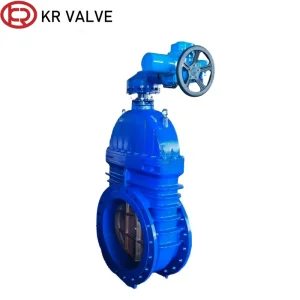
Whether your project calls for electric multi-turn actuators (AUMA, Rotork, or Limitorque interface), bevel gearboxes for buried service in Midwest soils, or custom face-to-face lengths, our engineering team custom-fits every valve to your blueprint.
Streamlined Logistics to Chicago
Tianjin Port offers direct maritime container routes to US East Coast and Gulf ports with rail intermodal transport straight into Chicago inland hubs (BNSF / Union Pacific railyards), ensuring fast door-to-door delivery for major turnarounds.
Expanded Metal-Seated & Industrial Gate Valve Series
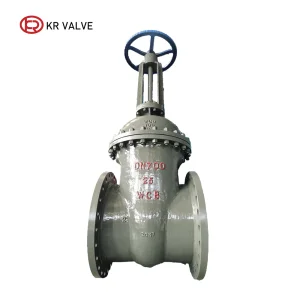
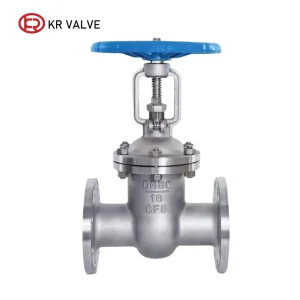
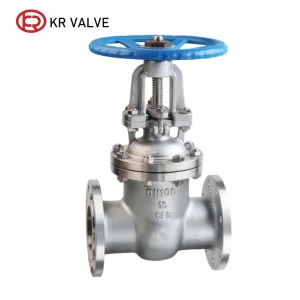
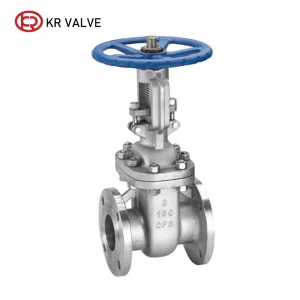
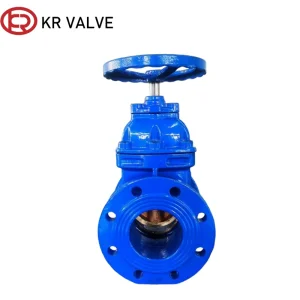
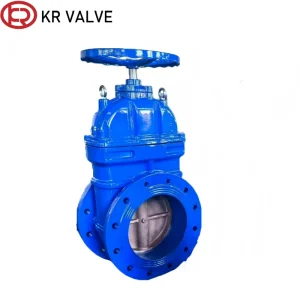
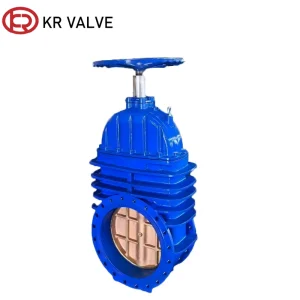
Explore our full spectrum of WCB cast steel, GGG40 ductile iron, and CF8 stainless steel metal-seated gate valves available for bulk supply to Chicago stockists, contractors, and industrial plants.
The Evolution of Hard-Seal Gate Valve Design
How advanced metallurgy, HVOF thermal spraying, and fugitive emissions control are redefining severe-service isolation valves for 2026 and beyond.
HVOF Carbide Hardfacing
Traditional brass or standard stainless steel trims can wear rapidly when exposed to high-velocity particulates. We apply High-Velocity Oxygen-Fuel (HVOF) thermal spray technology to apply Tungsten Carbide or Chrome Carbide overlays, achieving surface hardness levels up to 68 HRC for exceptional anti-galling performance.
API 622 Fugitive Emissions Compliance
With US EPA and Illinois environmental mandates tightening around industrial emission leaks, our metal-seated gate valves feature flexible graphite packing sets with die-formed anti-extrusion end rings tested and certified to API 622 standards (<100 ppm stem leakage).
Flexible Wedge Thermal-Binding Mitigation
In thermal steam service, rigid wedge designs suffer from thermal binding—where differential expansion locks the valve shut. Our precision-machined flexible wedges absorb thermal shocks, ensuring low break-torque even during rapid cool-downs.
Chicago Buyer’s Verification & Selection Checklist
Follow these four critical engineering verifications when specifying or purchasing foreign-sourced metal-seated gate valves for Midwest project sites.
Verify Face-to-Face & Flange Standard
Ensure the valve strictly conforms to ASME B16.10 (for ANSI 150/300/600LB flanged piping) or EN 558-1 / DIN 3202 F5 (for metric replacement lines). Drilling must match ANSI B16.5 Class 150/300 RF specs.
Confirm Leakage Class (API 598 vs ISO 5208)
Metal-seated valves differ from resilient bubble-tight valves. Verify whether your process permits API 598 allowable metal seat leakage (typically Rate D or E) or requires custom lapped ISO 5208 Rate CC tight shut-off.
Review NDT & Material Certificates
Request 100% Positive Material Identification (PMI) report for alloy trims, Radiographic Testing (RT) for critical cast steel bodies, and Hydrostatic Pressure Test certificates prior to container sealing.
Technical & Procurement FAQ for Chicago & Midwest Buyers
Get authoritative answers to direct questions regarding metal-seated gate valve selection, standards compliance, and direct factory procurement.
What is the primary difference between a resilient seat gate valve and a metal seat gate valve?
Are your metal-seated gate valves compliant with US ANSI and AWWA standards for Chicago projects?
How do you prevent wedge jamming or thermal binding in high-temperature steam applications?
What seat trim materials do you recommend for raw water pulled from Lake Michigan?
What is the typical ocean and rail freight lead time from your Tianjin plant to Chicago rail depots?
Can you supply electric or pneumatic actuators pre-installed on metal-seated gate valves?
Partner with a World-Class Metal Seat Gate Valve Manufacturer
Get direct factory pricing, full 3D CAD modeling support, EN 10204 3.1 certification, and dedicated technical assistance for your next Chicago or Midwest pipeline project.
Send Inquiry Now