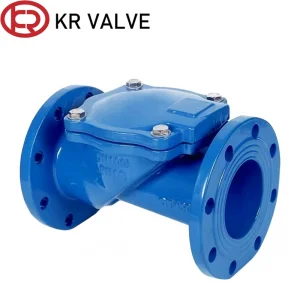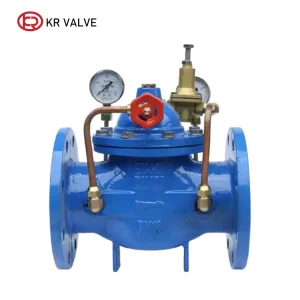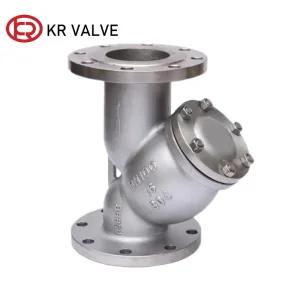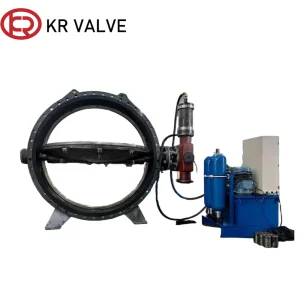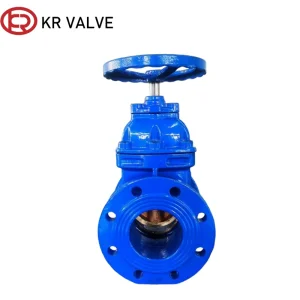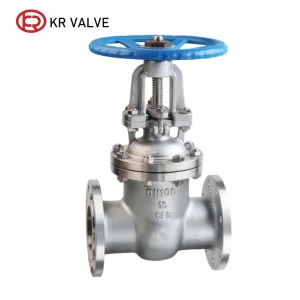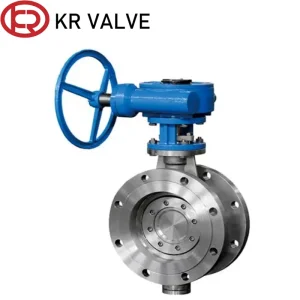
Featured Industrial Check & Flow Control Valves
High-performance ductile iron, bronze seat, and pneumatic valve configurations engineered to international standards (DIN, BS, ANSI) for critical fluid pipeline systems.
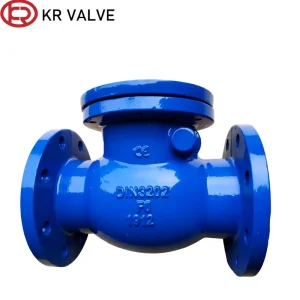
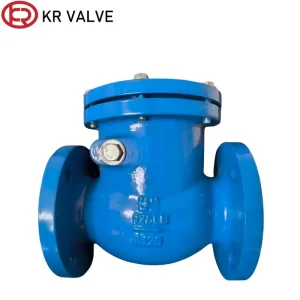
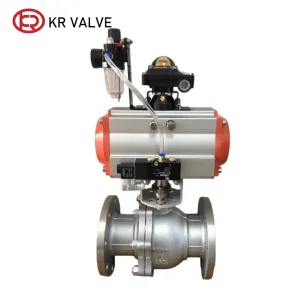
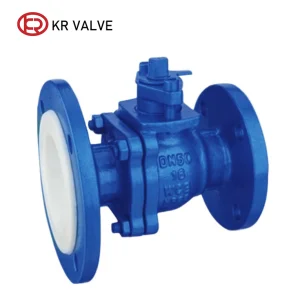
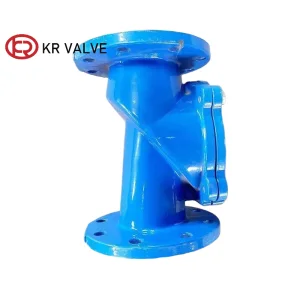
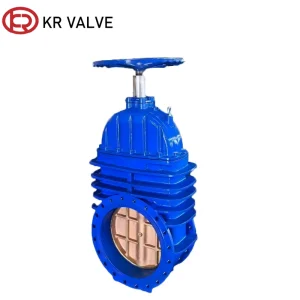
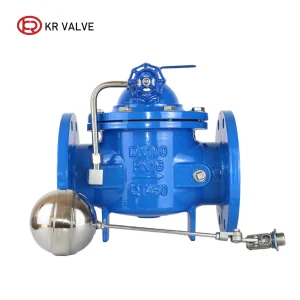
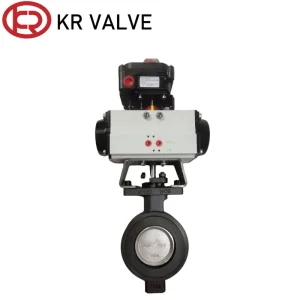
Understanding Swing Check Valve Mechanics in Pipeline Systems
In modern industrial fluid networks, swing check valves (non-return valves or NRVs) represent the definitive mechanical safeguard against backflow, pressure surges, and destructive water hammer. Engineered with a swinging disc hinged at its top edge, these valves operate autonomously driven solely by system fluid dynamics. As forward fluid pressure exceeds the valve's cracking pressure, the disc pivots smoothly away from the valve seat into a recessed body cavity, allowing full-bore, unrestricted flow with minimal head loss.
When line pressure drops or fluid flow reverses, gravitational acceleration combined with backpressure causes the disc to swing back against the resilient or metallic seat, establishing a pressure-tight seal. Sourcing high-grade units from reliable swing check valve manufacturers and factories ensures system integrity across municipal water supply networks, sewage treatment plants, chemical processing facilities, and power generation loops.
To prevent disc flutter and premature hinge pin wear, a swing check valve must operate above its minimum stable flow velocity ($V_{min}$). Hydraulic designers calculate this threshold using the empirical equation: Vmin = k · √(vs), where k is the valve coefficient (typically ranging between 35 and 60 depending on disc weight and hinge radius) and vs represents the specific fluid volume. Operating below $V_{min}$ leads to disc oscillation, localized cavitation, and accelerated fatigue of the internal pin mechanism.
Low Flow Resistance
The full-ported internal geometry guarantees an unrestricted flow channel. Compared to lift or globe-type non-return valves, swing check valves exhibit significantly lower hydraulic friction coefficients (K-factors), translating into direct pumping energy savings over the operational lifespan.
Autonomous Action
Operating entirely on system differential pressure without requiring external electric, pneumatic, or manual actuation, swing check valves provide fail-safe operational protection even during complete electrical grid blackouts.
Versatile Mounting
Suitable for horizontal piping runs as well as vertical pipelines with upward fluid flow, providing mechanical design flexibility for space-constrained pump stations and utility plant rooms.
Material Engineering: Soft Rubber Sealing vs. Bronze Hard Metal Seats
Selecting the proper metallurgical composition and seating mechanism dictates the longevity and sealing efficiency of a swing check valve. Leading Chinese valve foundries utilize advanced spectral analysis and sand-casting automation to produce precision castings compliant with EN-GJS-400-15 (GGG40), EN-GJS-500-7 (GGG50), WCB cast steel, and CF8/CF8M stainless steel grades.
1. Resilient Soft Seal Disc Design (H44X-10/16 Series)
In potable water distribution and clean water pumping systems, resilient soft-sealed swing check valves (such as the standardized H44X series) feature a ductile iron disc fully encapsulated in EPDM or NBR elastomer. This design achieves zero-leakage closure (ISO 5208 Rate A) even under minimal backpressure conditions ($< 0.2 \text{ bar}$). The compliant nature of the rubber cushion absorbs micro-particulates without scoring the seating surface and dampens mechanical closing impacts to diminish noise in urban residential pumping stations.
2. Metal-to-Metal Hard Seal Systems (Bronze & Stainless Steel)
For raw sewage, industrial sludge, elevated temperature condensate lines, or petrochemical duties, metal-to-metal seating is mandatory. Foundries precision-machine seats from cast bronze (BS1400 LG2 / CuSn5Zn5Pb5) or weld stainless steel (SS304/SS316) overlays directly onto the body and disc rings. Bronze seats provide superior resistance to biogenic hydrogen sulfide ($H_2S$) corrosion in municipal sewage loops, while stainless steel and Stellite hard-facings prevent localized wire-drawing erosion caused by abrasive particulate slurries.
| Material Grade | Standard Specification | Tensile Strength (MPa) | Yield Strength (MPa) | Optimal Media Application |
|---|---|---|---|---|
| Ductile Iron GGG40 | EN-GJS-400-15 / QT400-15 | ≥ 400 | ≥ 250 | Municipal Potable Water, HVAC Chilled Water |
| Ductile Iron GGG50 | EN-GJS-500-7 / QT500-7 | ≥ 500 | ≥ 320 | High-Pressure Water Mains (PN25), Irrigation |
| Cast Carbon Steel | ASTM A216 Grade WCB | ≥ 485 | ≥ 250 | High-Temperature Steam, Petrochemical Refineries |
| Stainless Steel | ASTM A351 CF8 / CF8M | ≥ 485 | ≥ 205 | Corrosive Chemical Lines, Desalination Plants |
Mitigating Water Hammer with Counterweights & Hydraulic Dashpots
When high-capacity water pumps stop suddenly, reverse fluid deceleration occurs rapidly. Standard swing check valves with heavy discs can slam shut against the seat ring, generating high-amplitude pressure transients known as water hammer (hydraulic shock). These extreme pressure peaks—often exceeding five times the rated line working pressure—cause severe pipe vibration, flange gasket blowouts, pump casing fractures, and catastrophic structural failure.
External Counterweight Lever Arms
By attaching an external lever arm and adjustable counterweight directly to the extended hinge pin shaft, engineers can fine-tune the center of gravity and rotational inertia of the valve disc. Adjusting the counterweight position accelerates initial closing motion before fluid reversal takes place, effectively eliminating reverse flow velocity build-up prior to seat contact.
Hydraulic Oil Cushion Cylinder (Dashpot)
For high-head pumping systems (PN16/PN25), swing check valves are fitted with a dual-stage hydraulic oil cylinder. As the disc swings down, the initial 80% of travel closes rapidly to arrest backflow. The remaining 20% of stroke engages the hydraulic dampener, cushioning seat impact over a controlled 3 to 10 second period to dissipate kinetic energy smoothly.
The maximum pressure rise generated by sudden valve slamming is calculated via: ΔP = ρ · a · ΔV, where ρ is fluid density (kg/m³), a is speed of sound in the liquid matrix (~1200 m/s for water in steel pipe), and ΔV is change in fluid velocity upon reverse flow arrest. Controlled counterweight closing minimizes ΔV, retaining system surge pressures within safe allowable envelope limits.
Why Global Procurement Teams Choose China Swing Check Valve Manufacturers
China's valve manufacturing industry—centered around robust industrial foundry clusters in Tianjin, Hebei, Zhejiang, and Jiangsu—produces a major share of the world's municipal and industrial flow control hardware. Global Engineering, Procurement, and Construction (EPC) contractors and wholesale valve distributors leverage Chinese factory partnerships due to four core structural advantages:
Advanced Foundry Automation & LFC Technology
Modern Chinese factories have transitioned from traditional green-sand molding to automated Lost Foam Casting (LFC) and Resin Sand Shell Molding. This shift ensures precise dimensional tolerances, flawless smooth surface finishes (eliminating internal flow micro-turbulence), and consistent body wall thickness compliant with EN 1074-2 and ASME B16.34.
Rigorous Quality Assurance & ISO Testing
Tier-1 OEM factories operate internal metallurgical testing laboratories equipped with optical emission spectrometers, micro-hardness testers, and ultrasonic flaw detectors. 100% of manufactured valves undergo hydrostatic shell testing ($1.5 \times \text{PN}$) and seat leakage testing ($1.1 \times \text{PN}$) in strict alignment with ISO 5208 and API 598 standards before export container loading.
Full-Chain Supply Control & Customization
From raw scrap iron refining and chemical inoculation to precision CNC flange drilling, electrostatic powder coating (Fusion Bonded Epoxy ≥ 250μm), and final pressure testing, complete vertical supply chain integration allows factories to offer custom face-to-face dimensions (DIN F6, BS5153, ANSI B16.10) with short production lead times.
Unrivaled Cost-to-Performance Ratio
Scalable foundry capacities paired with direct proximity to raw material producers and major sea transport hubs (such as Tianjin Port) allow Chinese manufacturers to deliver high-specification ductile iron valves at highly competitive total landed costs without sacrificing technical performance.
Macro Industry Solutions: Where Swing Check Valves Are Deployed
Swing check valves serve as vital safety components across diverse municipal, commercial, and industrial infrastructure segments. Each operating environment demands specific material trims and functional design adaptations:
Municipal Potable Water Distribution
Deployed at water treatment plant pump discharges and pressure boosting stations. Requires non-toxic, WRAS/NSF-61 certified EPDM soft seats, stainless steel hinge pins, and non-contaminating blue Fusion Bonded Epoxy (FBE) interior coating to prevent corrosion and maintain drinking water purity.
Sewage & Wastewater Pumping Stations
Utilizes rubber-disc soft seal (H44X) or bronze metal seat GGG40 swing check valves. The smooth internal body contour eliminates dead pockets, allowing suspended solids, fibrous organic waste, and grit to clear the seating line without clogging or causing disc jams.
Thermal Power & HVAC Chilled Water Loops
Fitted in auxiliary boiler feedwater systems, cooling tower recirculation loops, and district energy central chillers. Carbon steel (WCB) or stainless steel body materials handle elevated pressure-temperature ratings (PN25/PN40, Class 150/300) and thermal cycling stresses.
Non-Return Valve Comparison: Swing vs. Dual Disc Wafer vs. Ball Check
Selecting the correct non-return valve architecture requires evaluating pressure drop characteristics, space constraints, media particulate content, and water hammer susceptibility. The table below outlines key technical tradeoffs across standard check valve designs:
| Engineering Feature | Swing Check Valve (H44X / BS5153) | Dual Disc Wafer Check Valve | Ball Type Check Valve (HQ41X) |
|---|---|---|---|
| Flow Resistance (K-Factor) | Very Low (K ≈ 1.1 - 1.5) | Moderate (K ≈ 2.0 - 2.5) | Low-Moderate (K ≈ 1.8 - 2.2) |
| Particulate / Sludge Tolerance | High (Unrestricted full bore) | Low (Central pin collects fibers) | Excellent (Self-cleaning rubber ball) |
| Face-to-Face Compactness | Standard (Flanged per DIN F6 / BS) | Ultra-Compact (Wafer length) | Standard (Flanged DIN/BS) |
| Water Hammer Resistance | Requires Counterweight / Dashpot | Good (Spring-assisted fast closing) | Moderate |
| Maintenance Accessibility | Top-entry bonnet for easy access | Requires removal from flange line | Top-entry cover plate for ball access |
Total Cost of Ownership (TCO) Calculation
While compact wafer valves have lower initial purchase costs, full-bore swing check valves provide lower lifetime running expenses in continuous pumping applications. The annual electricity cost attributable to valve head loss is calculated via: Cost = (Q · ΔP · t · C) / (3600 · η), where Q is flow rate (m³/h), ΔP is pressure drop (kPa), t is annual operating hours, C is electricity tariff ($/kWh), and η is overall pump efficiency. Over a 15-year lifecycle, the energy savings from a swing check valve's low K-factor frequently exceed its initial capital expenditure by multiple times.
Future Trends: IIoT Integration & Green Foundry Technology
The industrial valve manufacturing landscape is undergoing digital and environmental transformations driven by smart infrastructure and carbon neutrality initiatives:
1. IIoT Wireless Monitoring & Predictive Maintenance
Modern swing check valves are increasingly integrated with digital IoT position sensors, acoustic emissions monitors, and tri-axial vibration accelerometers mounted directly on the bonnet and hinge shaft. These wireless sensors transmit real-time disc position tracking, seat slam intensity data, and internal wear indicators directly to plant SCADA systems, enabling predictive maintenance prior to catastrophic backflow events.
2. Green Manufacturing & Recyclable Materials
Leading Chinese manufacturers are replacing coal-fired cupolas with medium-frequency electric induction furnaces paired with closed-loop dust extraction filters. Foundries are adopting 100% lead-free bronze alloys (C89833 / CuZn42) and water-based, volatile organic compound (VOC)-free epoxy powder coatings to conform with European REACH and RoHS environmental directives.
Frequently Asked Questions (FAQ)
In-depth technical answers for procurement managers, mechanical engineers, and pipeline contractors.
1. What is the difference between H44X soft seal and traditional metal-seated swing check valves?
2. Can a swing check valve be installed in a vertical pipeline orientation?
3. How do I choose between Ductile Iron (GGG40/GGG50) and Cast Carbon Steel (WCB)?
4. What measures prevent valve slam and water hammer in high-head pumping systems?
5. What international manufacturing standards do Chinese valve factories conform to?
6. What quality control testing is mandatory before shipment?
7. Can swing check valves be customized for OEM private-label branding?
8. What is the typical lead time for bulk wholesale swing check valve orders?
Non-Return, Control & Pipeline Accessories
Explore our complete range of DIN standard non-return valves, pressure reducing valves, flanged strainers, and heavy-duty gate/butterfly valve units direct from our foundry facilities.