
Engineered Flow Control & Sealing Assemblies
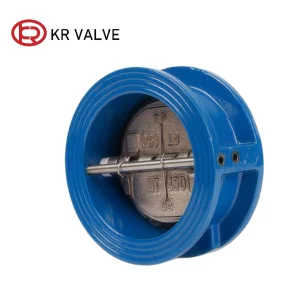
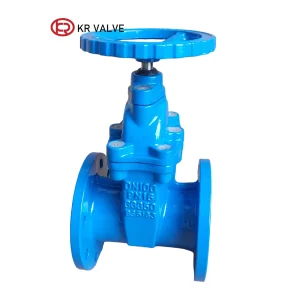
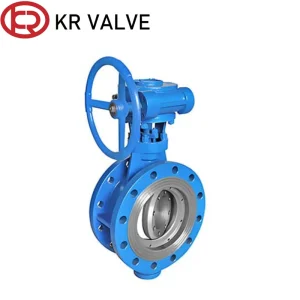
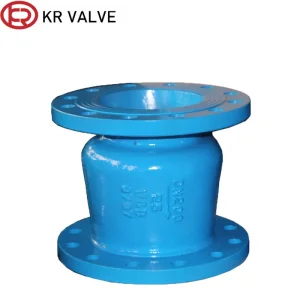
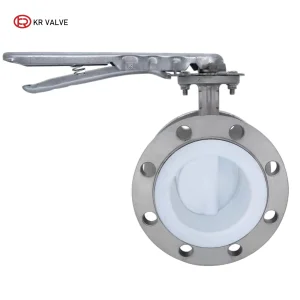
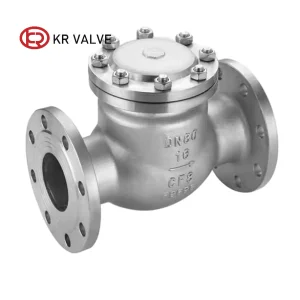
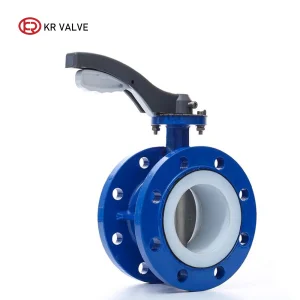
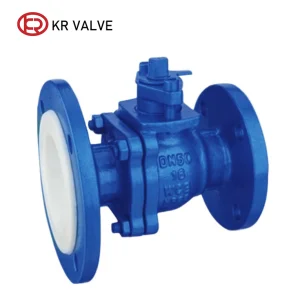
Explore our flagship industrial valve and precision seal configurations built to DIN, BS, ASME, and ANSI standards.
Macro-Industrial Sealing Dynamics & Brass Metallurgy
A rigorous examination of fluid containment, wear dynamics, and global supply chain requirements for custom engineered brass seals.
In modern industrial process engineering, high-efficiency fluid control systems demand sealing components capable of withstanding extreme mechanical fatigue, aggressive chemical corrosion, thermal expansion cycles, and zero-tolerance pressure variances. As global infrastructure transitions toward higher energy density, localized district heating, automated HVAC network management, and stringent drinking water sanitation compliance, the engineering selection of custom brass seals has emerged as a critical structural determinant of system integrity and operating lifecycle.
Brass—primarily an alloy composed of copper and zinc—occupies a unique material niche between synthetic elastomeric gaskets and heavy stainless steel or exotic nickel alloy seals. While elastomers (such as EPDM, NBR, and Viton) provide rapid resilience at modest temperatures, they suffer from irreversible thermal degradation, gas permeability, and mechanical extrusion under extreme differential pressures (PN40 and above). Conversely, stainless steel seals offer high heat resistance but require exceptionally high bolting torques to conform, often inducing localized strain and stress-corrosion cracking in valve bodies. Brass seals, manufactured through precision hot forging and high-speed CNC finish-machining, combine optimal yield strength, superior natural lubricity, high thermal conductivity, and predictable deformation dynamics.
The global brass seal manufacturing sector is undergoing a profound shift driven by technological advances in multi-axis automation and regulatory mandates regarding lead leaching (such as the U.S. Safe Drinking Water Act and EU RoHS 3 directives). Tier-1 OEMs, EPC project contractors, and valve assembly factories no longer evaluate brass seal factories purely on raw unit cost. Instead, technical procurement decisions focus on metallurgical consistency, grain structure alignment via drop-forging, dezincification resistance (DZR), and full material traceability from ingot to final inspection.
Metallurgical Engineering
Custom formulation of forging brasses (CW617N, C37700), lead-free brass alloys (CW511L), and specialized Dezincification-Resistant (DZR / CZ132) grades engineered for zero degradation in aggressive aqueous environments.
Precision CNC Machining
State-of-the-art Japanese sub-spindle turning centers and 5-axis milling centers achieving dimensional tolerances down to ±0.005mm and surface roughness ratings of Ra 0.2µm for vacuum-tight metal-to-metal sealing interfaces.
Global Compliance & QA
Rigorous quality management certified under ISO 9001:2015 and ISO 14001. Fully compliant with WRAS, DVGW, NSF/ANSI 61, and REACH standards, ensuring smooth cross-border acceptance for critical municipal and industrial builds.
Brass Alloy Composition & Physical Mechanics
Understanding how brass microstructures directly dictate mechanical sealing integrity, friction coefficients, and galvanic corrosion limits.
The operational performance of a custom brass seal depends intrinsically on the crystalline phase distribution within the copper-zinc matrix. Standard commercial brass contains roughly 60% copper and 40% zinc. At this ratio, the alloy exhibits a duplex alpha-beta (α+β) structure. The α-phase provides superior ductility and cold working properties, while the β-phase delivers elevated tensile strength and hot-malleability, making it ideal for precision hot drop forging.
However, when deployed in water distribution networks containing high levels of dissolved chloride ions, standard duplex brass is susceptible to dezincification—a selective leaching process where zinc is dissolved from the alloy matrix, leaving behind a porous, mechanically weak copper framework. To mitigate catastrophic seal failure, our manufacturing facility utilizes engineered Dezincification Resistant (DZR) Brasses (such as CW602N / CZ132 / CuZn36As), fortified with trace additions of arsenic (0.02% to 0.06%) and subject to specialized thermal annealing to stabilize the single-phase α matrix.
| Standard Designation | Alloy Grade | Chemical Composition | Tensile Strength (MPa) | Hardness (HB) | Primary Sealing Application |
|---|---|---|---|---|---|
| EN 12165 CW617N | CuZn40Pb2 | Cu 57-59%, Pb 1.6-2.5%, Zn Bal. | 410 - 540 | 110 - 150 | Hot-forged valve seat rings, ball valve stem seals, general fluid seals. |
| ASTM B124 C37700 | Forging Brass | Cu 59-62%, Pb 1.5-2.5%, Fe <0.3%, Zn Bal. | 380 - 500 | 100 - 140 | High-pressure hydraulic seals, HVAC body seats, pneumatic press fittings. |
| EN 12164 CW602N | DZR / CZ132 | Cu 64-67%, As 0.02-0.06%, Pb 1.7-2.8%, Zn Bal. | 340 - 460 | 100 - 130 | Potable water supply seals, underground service valves, marine fittings. |
| EN 12165 CW511L | Lead-Free Eco Brass | Cu 63-65%, Si 0.2-0.6%, P 0.02-0.1%, Pb <0.1% | 450 - 580 | 130 - 170 | NSF/ANSI 61 compliant municipal seals, medical gas control, food/beverage lines. |
| ASTM B150 C64200 | Silicon Aluminum Bronze | Cu 89-92%, Al 6.3-7.6%, Si 1.5-2.2% | 520 - 680 | 150 - 200 | High-stress metal-to-metal butterfly valve disc seats, subsea check valve rings. |
Engineering Insight: Tribological Behavior & Seat Wear Mitigation
When designing brass-to-stainless steel or brass-to-cast iron sealing pairs (e.g., in resilient seat gate valves or triple eccentric butterfly valves), the self-lubricating characteristics of leaded or bismuth-modified brass significantly reduce dynamic coefficient of friction (μ ≈ 0.15 - 0.22). This minimizes operational actuation torque while preventing galling—a common failure mode observed in high-pressure stainless-on-stainless sealing configurations.
Advanced Custom Tooling & CNC Manufacturing Pipeline
From 3D CAD modeling and finite element stress analysis to automated robotic forging and multi-axis finishing.
As a specialized custom brass seal manufacturer and global supplier, our production ecosystem integrates modern digital manufacturing workflows with time-tested metallurgical craftsmanship. We partner directly with industrial valve manufacturers, HVAC system integrators, hydraulic cylinder builders, and municipal water authority suppliers to deliver custom-tailored brass sealing solutions engineered to exact client specifications.
1. Co-Engineering & FEA Simulation
Our engineering team utilizes SolidWorks 3D and ANSYS Finite Element Analysis (FEA) to simulate compressive contact stresses, fluid pressure gradients, and elastic deformation under thermal cycling before physical tooling cutting begins.
2. Precision Hot Drop Forging
Using automated closed-die forging presses ranging from 160T to 800T, raw extruded brass billets are forged at controlled temperature ranges (680°C–750°C). This process closes micro-porosity and creates a continuous grain flow parallel to sealing stress vectors.
3. Ultra-Precision CNC Turning
Forged blanks undergo high-speed CNC turning on multi-turret Swiss-type lathes. Critical sealing angles, o-ring grooves, and thread pitch profiles are machined in a single clamping setup to eliminate concentricity errors (runout < 0.008mm).
4. Surface Lapping & Passivation
For applications requiring bubble-tight metal-to-metal seating (ANSI FCI 70-2 Class VI), seals undergo optical precision diamond lapping. Passivation baths remove surface free iron and enhance natural protective copper-oxide film formation.
5. Optical & CMM Quality Control
Every batch undergo automated non-contact optical measurements and CMM (Coordinate Measuring Machine) dimensional validation. Hardness testing, spectral material verification (XRF), and grain-size micro-analysis ensure strict quality control.
6. Custom Packaging & Logistics
Finished custom brass seals are cleaned via ultrasonic degreasing, vacuum-sealed in anti-oxidation VCI film, and packed into custom modular compartmentalized cartons to ensure pristine condition upon arrival at customer assembly plants.
Global Industry Applications & Field Performance
Real-world integration scenarios across municipal water networks, industrial process automation, HVAC, and marine systems.
Custom brass seals play an indispensable role in maintaining fluid separation across diverse commercial and heavy industrial sectors. Because fluid properties, thermal parameters, and mechanical vibration profiles vary drastically across regions and industries, our engineering team customizes alloy selection and surface geometry to meet localized application constraints.
1. Municipal Water Supply & District Heating (Europe & UK Market)
In modern European district heating systems operating under EN 253 standards, circulating water temperature frequently spikes to 120°C with static working pressures exceeding 1.6 MPa (PN16). Elastomeric valve seats often harden and fail within 24 to 36 months due to thermal oxidation. Custom brass sealing rings—machined from DZR CW602N brass—provide decades of maintenance-free service when paired with resilient EPDM soft seals in gate and check valve assemblies. Furthermore, for potable water infrastructure in North America and Western Europe, our lead-free CW511L brass seals prevent trace metal migration, fully satisfying WRAS (UK), DVGW (Germany), and NSF/ANSI 61 (USA) safety requirements.
2. Heavy Industrial Flow Control & Oil/Gas Processing
In petrochemical refineries, fuel transfer manifolds, and industrial gas handling plants, valves must handle hydrocarbons, compressed air, nitrogen, and industrial lubricants. Double eccentric flanged butterfly valves and WCB metal-seated gate valves rely on heavy-duty brass disc seal rings to achieve fire-safe metal-to-metal sealing. Brass provides non-sparking properties during rapid valve closure, drastically mitigating explosion risks in volatile hydrocarbon atmospheres.
3. HVAC, Commercial Plumbing & Refrigeration
Commercial chiller units, hydronic heating loops, and pneumatic automation setups rely heavily on compact, high-precision brass sealing components. Dual plate check valves, automatic air release valves, and soft-seated gate valves utilize precision-turned brass gland packing rings, seal retainers, and seat face inserts to resist constant pressure pulsation and water hammer spikes caused by high-frequency pump cycles.
4. Marine, Offshore & Saltwater Environments
Marine engine cooling circuits, ballast water transfer systems, and offshore platform utilities present extreme corrosive hazards due to continuous sodium chloride exposure. Standard commercial brass rapidly succumbs to galvanic corrosion and stress corrosion cracking (SCC) in seawater. Our factories produce high-tensile Silicon Aluminum Bronze (C64200) and specialized naval brass seals that resist biofouling, cavitation erosion, and chloride-induced pitting under severe marine operating pressures.
Zero-Defect Quality Assurance Framework
Stringent non-destructive testing, dimensional verification, and pressure testing standards ensuring 100% operational reliability.
To ensure that every custom brass seal shipped from our manufacturing facilities performs flawlessly in critical field installations, we maintain a comprehensive Quality Assurance (QA) architecture governed by ISO 9001:2015 principles. Quality control is not merely a final inspection phase; it is embedded into every operational stage—from raw material melt verification to final hydro-testing.
XRF Spectrometry Analysis
Every incoming lot of raw brass ingots or extruded bars undergoes portable and stationary X-ray Fluorescence (XRF) spectroscopy to verify chemical composition, ensuring exact compliance with copper, zinc, lead, and arsenic content limits before melting or forging.
Coordinate Measuring (CMM)
High-precision Zeiss 3D Coordinate Measuring Machines measure critical dimensional characteristics, profile tolerances, seal angle concentricity, and flatness down to sub-micron accuracy, preventing field leaks caused by geometric deviation.
Hydrostatic & Helium Leak Test
Finished valve assemblies incorporating our brass seals undergo 100% hydrostatic testing at 1.5 times the nominal pressure rating (PN), along with high-sensitivity helium mass-spectrometer leak testing for gas-service seals to confirm zero-bubble shutoff.
Failure Analysis & Preventative Engineering
Our internal metallurgy lab conducts destructive tensile testing, metallographic grain inspection (per ASTM E112), and salt spray corrosion testing (per ASTM B117). By analyzing field-returned parts and extreme-duty prototypes, we continuously refine our heat treatment schedules and forging die geometries to eliminate potential stress-concentration failure points.
Technological Roadmap & Eco-Friendly Innovations
Pioneering sustainable lead-free brass alloys, smart sensor-embedded seals, and AI-optimized manufacturing processes.
As global industrial supply chains move toward stringent decarbonization goals, zero-waste manufacturing, and stricter environmental protection laws, the custom brass seal industry is experiencing rapid technological evolution. Our factory research and development (R&D) teams are actively driving technological breakthroughs in three core areas:
1. Next-Generation Lead-Free Eco-Brass Formulations
With international health organizations lowering allowable lead leaching thresholds in potable water components to near-zero levels, traditional leaded brasses (such as CW617N with 2% Pb) are being phased out in drinking water applications. Our metallurgical research has successfully scaled the production of Silicon-Phosphorus Eco-Brasses (CW511L / C69300). By replacing lead with micro-alloyed silicon and bismuth, we achieve equivalent chip-breaking machinability during CNC turning while maintaining 100% compliance with strict global health regulations.
2. AI-Driven Generative Seal Geometry & FEA Optimization
Leveraging artificial intelligence algorithms and generative design tools, our engineering group designs non-standard brass seal profiles optimized for specific pressure-drop reduction and dynamic fluid flow patterns. Generative modeling minimizes raw material usage while reinforcing high-stress contact zones, yielding lighter, more durable brass seals with up to 30% extended operational lifespans under severe pressure pulsing.
3. Industry 4.0 Smart Manufacturing & Automated Inspection
Our modern factory shop floors integrate IoT-connected CNC machinery, automated robotic loaders, and AI-driven high-speed optical inspection cameras. Real-time telemetry monitors tool wear, spindle vibration, and thermal drift during machining, dynamically adjusting offset parameters to maintain zero-defect output across high-volume OEM production runs.
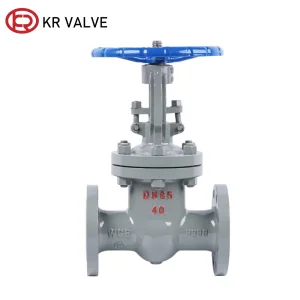
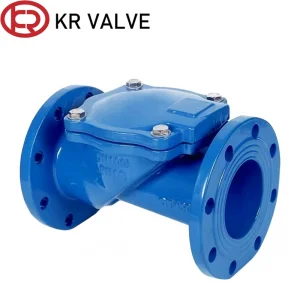
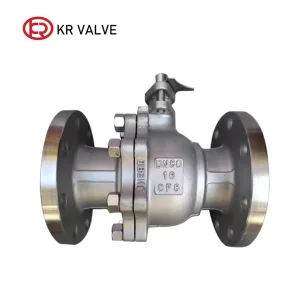
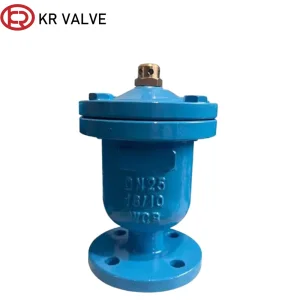
Industrial Valve & Flow Component Selection
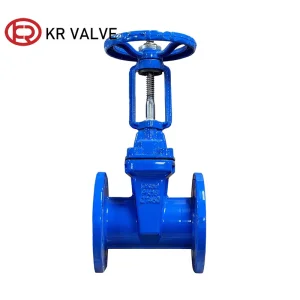
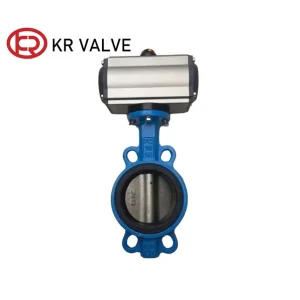
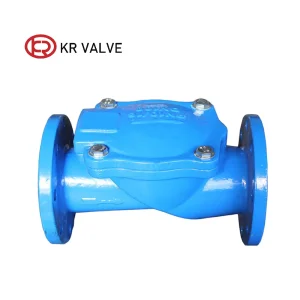
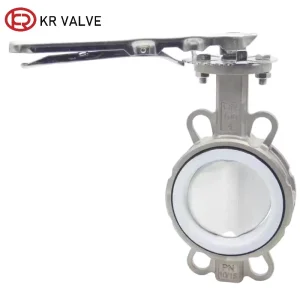
Browse our extended catalog of high-performance check valves, gate valves, strainers, and specialized butterfly valve products.
Frequently Asked Questions (FAQ)
Expert engineering responses to common inquiries regarding custom brass seal manufacturing, material selection, and procurement logistics.