Featured Industrial Valve Solutions
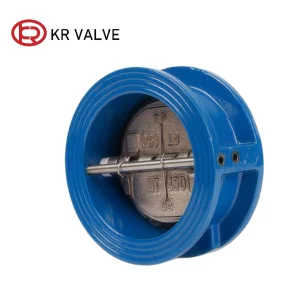
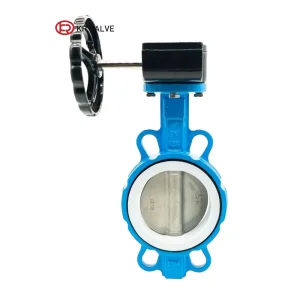
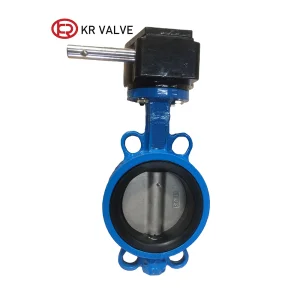
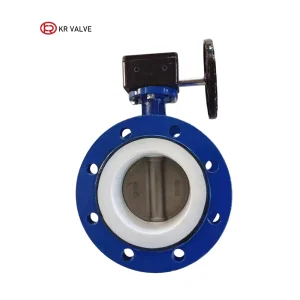
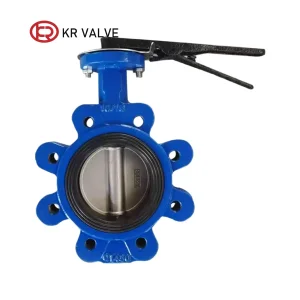
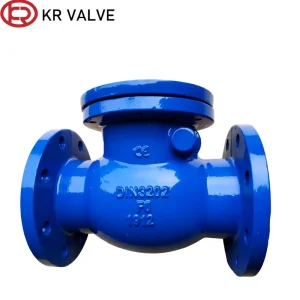
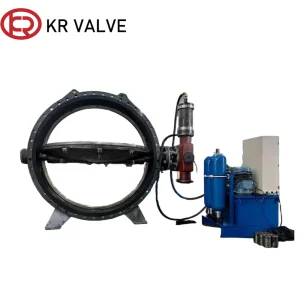
Explore our flagship manufactured line of resilient and metal-seated isolation, check, butterfly, and hydraulic control valves built to BS, DIN, and ANSI specifications.
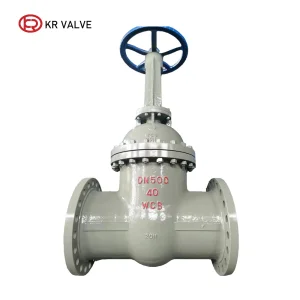
Engineering Foundations of Brass Seat Gate Sluice Valves
An authoritative overview of metal-to-metal seating mechanics, material science, and heavy-duty flow control performance in modern pipeline networks.
Metal-to-Metal Durability
Unlike soft-seated (EPDM/NBR) valves that suffer from thermal degradation, elastomer erosion, and compression set over long service cycles, brass seat gate sluice valves utilize solid bronze or high-strength brass alloy rings. Mechanically rolled or threaded into the iron body and wedge, these metal seats provide bi-directional zero-leakage shut-off under severe hydraulic shocks, elevated temperatures, and abrasive particle flow.
Metallurgical Formulations
Engineered with specialized copper alloys—including Dezincification Resistant (DZR) Brass (CZ132/CW602N), Leaded Bronze (C83600), and Aluminum Bronze (C95800)—our seat rings prevent selective leaching in aggressive water conditions. Combined with Ductile Iron body shells (EN-GJS-400-15 / GGG40), the valve matrix achieves exceptional tensile strength (>400 MPa) and high impact resistance.
Global Compliance Standards
Precision-manufactured in compliance with DIN 3352 F4/F5, BS 5163, AWWA C500, EN 1171, and ISO 5996. Every custom unit undergoes hydrostatic shell testing at 1.5x nominal pressure (PN10/PN16/PN25/PN64) and seat tightness testing at 1.1x PN to guarantee structural integrity for 30+ years of maintenance-free operation.
In raw water diversion, storm-water lift stations, and industrial effluent pipelines, suspended solids quickly slice soft EPDM wedge linings. Metal-to-metal brass seating provides a self-wiping, scraping edge that shearing through debris during valve closure, maintaining a tight hydraulic barrier where soft seals fail prematurely.
Global Commercial Status & Macro Procurement Trends
Market dynamics, regional infrastructure demand, and strategic procurement frameworks for B2B valve buyers and project engineers.
Market Drivers in Infrastructure & Water Management
The global demand for custom brass seated gate sluice valves is experiencing steady expansion driven by rapid urbanization across the Asia-Pacific region, extensive replacement of aging municipal distribution networks in Europe and North America, and massive desalination initiatives across the Middle East. B2B purchasers—ranging from municipal utility authorities and EPC contracting giants to industrial fluid equipment distributors—increasingly demand tailored valve configurations that reduce lifecycle maintenance expenditures.
Because gate valves function as primary isolation units (on/off duty) in water transmission mains, failure of a main isolation valve causes catastrophic network downtime. Consequently, buyers are shifting focus from lowest initial purchase price to long-term Reliability-Centered Maintenance (RCM), favoring heavy-duty cast/ductile iron bodies with corrosion-resistant brass seating rings.
Manufacturer Selection & Supply Chain Resilience
Modern industrial buyers face tight project deadlines and complex regional standards (such as BS 5163 in Middle Eastern/British-influenced specs vs. DIN 3352 F4/F5 in Continental Europe). Partnering with a comprehensive OEM manufacturer like KR VALVE (TIANJIN) CO., LTD. provides distinct strategic advantages:
- Full-Chain Production Control: Direct oversight from foundry pattern casting, CNC machining, and brass seat lapping to final hydrostatic chamber testing.
- Consolidated Procurement: Ability to bundle gate sluice valves with matching dual-plate check valves, wafer/lug butterfly valves, and 200X pressure-reducing control valves in a single container.
- Engineering Transparency: Comprehensive material test reports (MTRs to EN 10204 3.1), coating thickness certificates, and dimensional submittals provided pre-production.
Metallurgy, Precision Machining & Seating Mechanics
An in-depth technical analysis of metal seat insertion technology, wedge guiding mechanisms, and stem sealing architecture.
1. Seat Ring Mounting Techniques
The operational life of a brass seat gate sluice valve depends heavily on the interface between the bronze/brass ring and the iron body shell. We utilize two high-reliability assembly routes:
Threaded & Screwed-In Seats: Precision-threaded brass rings screwed into CNC-machined body recesses with thread-locking compounds, allowing easy seat replacement during major plant overhauls.
Hydraulic Press-Fit & Rolled-In Seats: High-pressure hydraulic insertion followed by mechanical expanding/rolling, creating a gas-tight mechanical bond that resists thermal expansion mismatch.
2. Wedge Precision & Guiding
To eliminate wedge chatter, stem binding, and localized seat abrasion under high differential pressure (DP), our custom sluice valves feature continuous integral body guides.
The solid cast iron or ductile iron wedge is equipped with matching bronze guide shoes or precision-machined slots that maintain perfect axial alignment throughout the stroke length, ensuring equalized contact stress across the entire 360° seat surface upon closure.
3. Stem & Stuffing Box Integrity
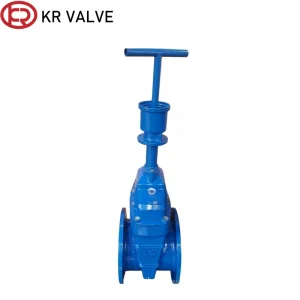
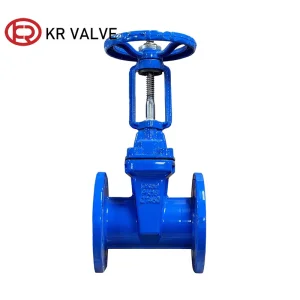
Options include Non-Rising Stem (NRS) for buried underground service or space-constrained plant rooms, and Rising Stem / Outside Screw & Yoke (OS&Y) for visual position indication.
Stems are forged from high-tensile Stainless Steel (SS420/SS316) or Manganese Bronze. The primary seal features multiple O-rings (NBR/EPDM/FKM) combined with a flexible graphite packing gland to eliminate stem leakage under vacuum or high surge conditions.
Localized Application Scenarios & Macro Engineering Solutions
Where custom brass seat gate sluice valves outperform alternative flow control devices in specialized operating environments.
Municipal Raw Water Intakes & Waterworks Mains
Raw water pumped from rivers, reservoirs, and deep wells contains sand, silt, and mineral deposits that quickly degrade soft EPDM/NBR gate valve wedges. Metal-to-metal brass seating provides the abrasion resistance necessary for raw water intake isolation valves (DN50 to DN2000). Equipped with extended stems and underground T-key gearboxes, these valves operate flawlessly even after long periods of inactivity.
Wastewater Treatment Plants & Slurry Lines
Primary sludge, digested effluent, and industrial wastewater carry solid debris that causes soft-seated valves to jam open. Brass seat gate sluice valves utilize a wedge with a tapered bottom edge that shears through organic solids and grit upon closing, driving them into the valve pocket where fluid velocity flushes them out. Combined with epoxy internal coatings, they offer excellent service life in WWTP environments.
Agricultural Irrigation & Dam Sluice Systems
Open-canal irrigation networks and dam reservoir bypass lines require large-diameter, low-maintenance isolation gates. Our custom factory produces big-size metal-seated gate sluice valves (e.g., DN500-DN1200, PN10/PN16/PN64) fitted with spur or bevel gearboxes, electric actuators, or hydraulic cylinders, enabling effortless remote control for agricultural water distribution.
District Heating, Thermal Power & HVAC Loops
In high-temperature hot water circulation and auxiliary cooling loops where water temperatures exceed 120°C (248°F), standard rubber soft seals decompose. Brass and bronze metal seats withstand continuous operating temperatures up to 200°C+ without loss of sealing capability, providing fire-safe, reliable isolation in municipal heating plants.
Custom Actuation, Underground Extensions & Protective Coatings
Tailored engineering packages designed for seamless integration into modern SCADA systems and buried pipeline infrastructure.
Fusion-Bonded Epoxy (FBE)
Internal and external surfaces are shot-blasted to Sa 2.5 finish and electrostatically coated with non-toxic Fusion Bonded Epoxy (FBE) powder to a thickness of ≥250 μm (RAL 5005 / RAL 5015). Certified for drinking water safety under WRAS, DVGW, and NSF 61, providing maximum resistance against soil corrosion and electrolytic pitting.
Underground T-Key & Extensions
For buried utility applications, valves can be supplied with non-rising stems, extension spindles, surface boxes, and underground operating T-keys. Telescope extension shafts allow flexible adjustment to ground level without requiring access manholes, reducing civil construction budgets.
ISO 5210 Actuation Interfaces
Configured with standardized ISO 5210 top flanges for effortless mounting of multi-turn electric actuators (AUMA, Rotork, SIPOS), pneumatic cylinders, or planetary gear operators. Integrates position feedback transmitters, limit switches, and torque protection for automated SCADA monitoring.
Technology Roadmap & Industry Outlook (2025–2035)
Innovations shaping the next decade of metal-seated gate valve manufacturing and smart pipeline monitoring.
1. Lead-Free DZR Alloys
With global environmental regulations (such as the EU Drinking Water Directive and US Safe Drinking Water Act) tightening lead migration thresholds, our R&D roadmap emphasizes lead-free Dezincification-Resistant Brass (CuZn21Si3P / Silicon Bronze). These advanced copper alloys maintain exceptional machinability and wear resistance while complying with zero-lead potable water standards.
2. IoT-Enabled Smart Valves
Integration of wireless micro-sensors into the valve bonnet to measure internal line pressure, temperature, stem movement torque, and vibration profiles. Machine learning algorithms analyze live torque curves to predict scale buildup or seat wear before leakage occurs, enabling predictive maintenance across vast municipal networks.
3. Advanced Surface Coatings
Application of Physical Vapor Deposition (PVD) titanium nitride (TiN) or high-velocity oxy-fuel (HVOF) ceramic matrix overlays onto brass seating surfaces. This hybrid metallurgical bonding increases seat surface hardness above 60 HRC, virtually eliminating scratching from abrasive quartz slurry and grit.
Standard Technical Specifications Matrix
Engineering reference parameters for custom brass seat gate sluice valves manufactured by KR VALVE.
| Parameter / Feature | Standard Specification Options | Custom / Optional Engineering Capabilities |
|---|---|---|
| Nominal Diameters (DN) | DN50 – DN1200 (2" to 48") | Up to DN2000 (80") for large dam & raw water intakes |
| Pressure Ratings (PN/Class) | PN10, PN16, PN25 (Class 120 / Class 150) | High pressure PN40, PN64 (Class 300) available |
| Design Standards | BS 5163, DIN 3352 F4 / F5, EN 1171, AWWA C500 | Non-standard custom face-to-face to client drawings |
| Body & Bonnet Material | Ductile Iron GGG40 / GGG50 (EN-GJS-400-15 / 500-7) | Cast Iron GG25, WCB Carbon Steel, CF8 Stainless Steel |
| Seat Ring Material | DZR Brass (CW602N), Leaded Bronze (C83600), CuZn39Pb3 | Aluminum Bronze (C95800), SS316 Surfacing, Monel |
| Stem Configuration | Non-Rising Stem (NRS) with internal stem nut | Rising Stem (OS&Y), Stainless Steel 420 / 316 / Duplex |
| Coating System | Fusion Bonded Epoxy (FBE) powder ≥250 μm (Blue RAL 5005) | High-temp ceramic epoxy, polyurethane for underground soil |
| Operation Options | Handwheel, Cap Top / Underground T-Key Socket | Spur / Bevel Gearbox, AUMA / Rotork Electric, Pneumatic |
| Tightness Test Class | EN 12266-1 Rate A / Rate B (Zero Visible Leakage) | 100% Hydrostatic shell test (1.5x PN) & seat test (1.1x PN) |
Engineering & Purchasing Procurement Q&A
Detailed technical answers to common questions regarding valve selection, brass alloys, customization, and factory quality assurance.
Resilient seat gate valves use an iron wedge completely encapsulated in EPDM or NBR rubber, sealing against a smooth iron body interior. They excel in clean drinking water lines under moderate temperatures. In contrast, brass seat gate sluice valves utilize precision-machined brass or bronze metal seating rings on both body and wedge. Metal seating provides superior resistance to abrasive raw water sand, higher temperatures (>120°C), hydraulic shock surges, and aggressive chemical slurries where rubber coatings would wear away or degrade.
Standard brass alloys containing high zinc content can suffer from dezincification in soft, acidic, or high-chloride water. In this corrosion process, zinc is selectively leached out of the brass matrix, leaving behind a porous, mechanically weak copper framework that leaks and crumbles. DZR brass (such as CW602N / CZ132) contains specialized alloying elements like arsenic and antimony that inhibit dezincification, ensuring long-term structural integrity and water quality compliance.
Yes. As a direct OEM manufacturer with full pattern-making and CNC machining facilities, we regularly produce custom face-to-face lengths (matching obsolete historical valves or non-standard replacement dimensions) and custom flange drillings (BS 10 Table D/E, EN 1092-2 PN10/16/25, ANSI B16.1 Class 125/250, JIS 10K). Contact our technical sales team with your dimensional drawings or site survey data.
Every single valve produced by KR VALVE undergoes 100% inspection in accordance with EN 12266-1 and ISO 5208 standards. This includes raw material spectrographic chemical analysis, dimensional verification, epoxy coating thickness spark testing (≥250 μm), shell hydrostatic pressure testing (1.5x PN), and dual-seat pressure tightness testing (1.1x PN). Final inspection reports and 3.1 material test certificates accompany all shipments.
In Non-Rising Stem (NRS) sluice valves, the stem threads operate inside the wedge within the fluid path. The stem rotates but does not move vertically, making NRS valves compact and ideal for underground burial with stem extension caps or tight plant rooms. In Rising Stem (OS&Y) valves, the stem thread is located outside the body, moving upward as the valve opens. This keeps stem threads away from corrosive line fluids and provides immediate visual verification of valve position.
Our custom sluice gate valves can be fitted with standard ISO 5210 mounting pads to accept manual spur/bevel gearboxes, multi-turn electric actuators (AUMA, Rotork, Bernard), pneumatic double-acting cylinders, or hydraulic actuation units. We provide factory-assembled, wired, and tested valve-actuator packages ready for immediate field installation.
More Industrial Valve Solutions from Our Factory
Discover our extended line of specialized check valves, big-size gate valves, air exhaust valves, and automatic pressure-reducing control valves.