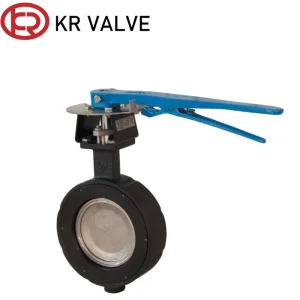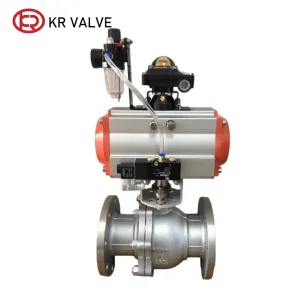
Flagship Valve & Pipeline Flow Control Solutions
Explore our top-tier export range engineered for municipal water networks, chemical processing, high-pressure gas transport, and power utilities.
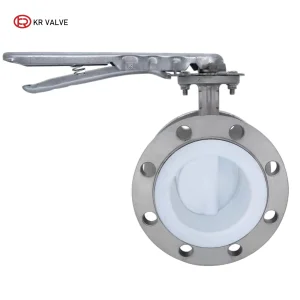
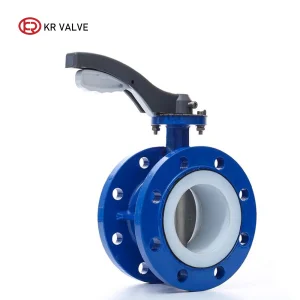
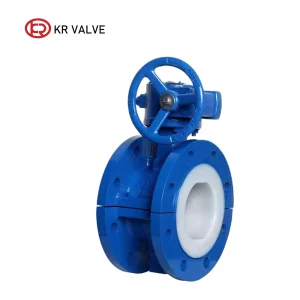
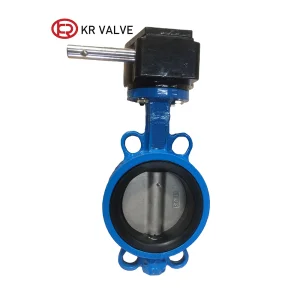
Wholesale China PTFE Seal Double Flange Butterfly Valve Suppliers - D41F Series DN40-DN2000
View Details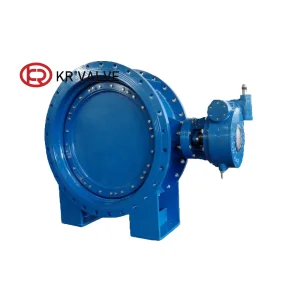
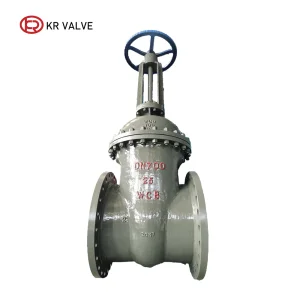
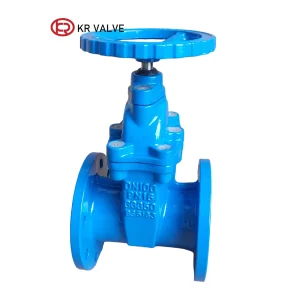
The Engineering Benchmark for Custom DIN F5 Gate Valve Manufacturing
In the domain of modern fluid infrastructure—spanning municipal potable water distribution, industrial effluent management, high-pressure hydroelectric conduits, and petrochemical pipelines—the selection of robust shut-off isolation valves dictates operational reliability. Among the standardized valve geometries recognized globally, the DIN F5 Gate Valve (standardized under EN 558-1 Series 15 / DIN 3352 F5) represents the gold standard for long face-to-face dimensions, minimal pressure drop, and exceptional structural rigidity under hydrodynamic stress.
Global procurement teams, civil EPC (Engineering, Procurement, and Construction) contractors, and water authority engineers seeking custom DIN F5 gate valve OEM/ODM manufacturing face multi-faceted challenges: balancing cost efficiency against rigorous material specs, ensuring zero-leakage compliance over decades of subterranean burial, and navigating international certification frameworks such as WRAS, DVGW, CE/PED, and ISO 9001. This technical whitepaper establishes an analytical framework for evaluated buyers, providing deep insight into material metallurgy, custom factory capabilities, supply chain optimization in China's manufacturing clusters, and engineering decision models.
Information Gain Key Takeaway for Valve Procurement Officers
Unlike standard short-body DIN F4 valves (EN 558-1 Series 14), custom DIN F5 gate valves feature extended structural body lengths that accommodate deeper sealing channels, larger internal flow areas, and reinforced wall thicknesses. This structural profile makes DIN F5 valves inherently superior for absorbing pipeline expansion stresses, resisting water hammer shocks up to PN25, and accepting advanced internal coatings (e.g., fusion-bonded epoxy ≥ 250 µm).
DIN F5 (EN 558-1 Series 15) vs. DIN F4 Engineering Metrics
Understanding dimensional parameters, pressure classes, and mechanical tolerances is essential for correct pipeline retrofit and greenfield project specification.
| Specification Parameter | DIN F5 Gate Valve (EN 558-1 Series 15) | DIN F4 Gate Valve (EN 558-1 Series 14) | Engineering Benefit of DIN F5 Specification |
|---|---|---|---|
| Face-to-Face Dimension (DN100) | 300 mm | 190 mm | Greater laying length permits stress-dissipating body wall taper. |
| Face-to-Face Dimension (DN200) | 400 mm | 230 mm | Enhanced seat angle stability under heavy differential pressure. |
| Face-to-Face Dimension (DN300) | 500 mm | 270 mm | Allows installation of double-guided wedge channels for low torque. |
| Nominal Pressure Ratings | PN10 / PN16 / PN25 / Class 150 | PN10 / PN16 | Higher burst safety margin for critical pressure spikes. |
| Wedge Sealing Technology | Fully Encapsulated EPDM/NBR or Metal-to-Metal | Soft Rubber Lined / Light Duty Metal | Extended rubber vulcanization volume prevents delamination. |
| Applicable Media | Potable Water, Wastewater, Slurry, Gas, Steam | Clean Water, Low-Viscosity Fluids | Superior handling of particulate-laden or abrasive flows. |
Hydrodynamic Flow Efficiency
The straight-through full-bore cavity of custom DIN F5 gate valves ensures friction coefficient (K-factor) minimization. The lack of bottom seating recesses prevents sediment settlement and clogging.
Low-Torque Drive Actuation
Engineered with brass or stainless steel stem nuts and polished rolled threads (Non-Rising Stem NRS or Outside Screw & Yoke OS&Y), reducing operational torque by up to 35% compared to legacy designs.
Corrosion Prevention Barrier
Electrostatic interior and exterior application of non-toxic Fusion Bonded Epoxy (FBE) powder coating in accordance with DIN 30677-2, tested for 3000-hour holiday resistance and chemical inertness.
Metallurgical Customization & Casting Excellence
Tier-1 OEM factories utilize automated lost-foam and resin-sand casting foundries to produce valve bodies engineered for extreme longevity.
Body & Bonnet Ductile Iron Metallurgy
Custom DIN F5 gate valves manufactured in China utilize high-grade Ductile Iron EN-GJS-400-15 (GGG40) and EN-GJS-500-7 (GGG50). Spheroidal graphite structure delivers higher tensile strength (≥ 400 MPa) and elongation (≥ 15%) compared to brittle gray cast iron (GG25).
- WCB Cast Steel: For high-temperature or hydrocarbon lines up to 425°C.
- CF8 / CF8M Stainless Steel: For aggressive desalination and chemical media.
- Duplex Stainless (2205 / 2507): Custom poured for subsea and offshore platforms.
Wedge Sealing Vulcanization & Trim Science
The heart of resilient seated DIN F5 valves lies in the wedge. Custom factories leverage high-pressure injection molding to permanently bond premium EPDM or NBR rubber onto a ductile iron core.
- EPDM (Drinking Water Approved): Ozone resistant, WRAS/DVGW compliant, -10°C to +120°C.
- NBR (Oil & Gas Rated): Hydrocarbon resistant, swelling resistant, -20°C to +80°C.
- Metal-to-Metal Seats: Solid Bronze (CuZn39Pb2) or SS304/SS316 welded seat rings for abrasive slurries.
China Factory Scale & Ecosystem Integration
Why international EPC contractors choose Chinese gate valve manufacturers for global mega-projects.
Tianjin Port Logistics Hub
Strategic proximity to Tianjin Port provides streamlined containerized sea freight shipping, lowering transportation lead times and export logistics costs for heavy flanged valve cargo.
Vertical Integration Efficiency
From raw iron melting and sand core molding to CNC multi-axis machining, automated epoxy spraying, and pneumatic shell testing—in-house processing guarantees total quality control.
OEM/ODM Customization Agility
Capabilities include private label brand casting, custom flange drilling (EN1092-2, ANSI B16.5, BS4504), extended stem lengths for underground burial, and specialized gearbox/actuator mounting pads (ISO 5210).
International Testing Standards & Certification Framework
Strict adherence to global quality benchmarks guarantees leak-free performance and structural safety under extreme line conditions.
Material Spectrometric Verification
Every heat lot of ductile iron or cast steel undergoes Optical Emission Spectrometry (OES) to verify exact carbon, silicon, manganese, and nodularity percentages prior to casting approval.
Hydrostatic Shell & Seat Testing
100% of manufactured valves are hydrostatically tested per ISO 5208 and EN 12266-1. Shell test pressure is held at 1.5x PN, while seat test pressure is maintained at 1.1x PN to guarantee Rate A zero-leakage.
Coating Holiday & Thickness Audit
Epoxy coatings undergo magnetic gauge thickness testing (≥ 250 microns) and high-voltage spark testing (3 kV) to detect pinholes, micro-cracks, or voids before shipment.
Global Compliance Endorsements
Custom DIN F5 gate valve factories comply with: CE / PED (2014/68/EU) for European pressure vessels, WRAS (UK) & ACS (France) for drinking water contact, DVGW (Germany) W270 hygiene standard, and ISO 9001:2015 Quality Management Systems.
Emerging Trends in Gate Valve Design & Sourcing
How modern technology and environmental regulations are shaping the next generation of industrial flow control valves.
IoT-Enabled Smart Actuation
Modern municipal water authorities are retrofitting DIN F5 gate valves with intelligent electric actuators (ISO 5210 flange) and SCADA-connected wireless position sensors. Real-time torque monitoring detects pipe blockage and prevents stem buckling.
Eco-Friendly & Non-Lead Materials
With stricter international lead-free water mandates (such as NSF/ANSI 372), custom factories are shifting stem nut formulations to eco-friendly lead-free bronze alloys (CuZn21Si3P) and food-grade vulcanized elastomers.
Anti-Water-Hammer Dynamic Geometry
Advanced computational fluid dynamics (CFD) modeling has optimized wedge bottom contours, enabling gradual flow area reduction during the final 10% of closure stroke—significantly dampening pressure surges in high-head pumping systems.
Localized Application Scenarios & Project Deployment
From direct-buried underground utility lines to heavy industrial processing plants, DIN F5 valves adapt to challenging environments.
Scenario A: Subterranean Municipal Potable Water Supply
Challenge: Soil movement, moisture corrosion, and maintenance-free requirement for 50-year buried service.
Solution: Non-Rising Stem (NRS) DIN F5 resilient seated gate valve with extension spindle, street cap, double O-ring stem seals (replacable under pressure), and 300 µm FBE coating.
Scenario B: Coastal Seawater Desalination Plants
Challenge: Extreme chloride corrosion leading to pitting of valve bodies and rapid seal degradation.
Solution: Custom DIN F5 gate valve specified with Nickel-Aluminum Bronze (C95800) body or Stainless Steel CF8M body, duplex stainless stem (UNS S31803), and high-grade EPDM wedge lining.
Scenario C: Urban Wastewater & Sewage Lift Stations
Challenge: High solid content, rags, and fibrous debris causing seating jams in standard valves.
Solution: Full-bore DIN F5 metal-seated gate valve with stainless steel body seat rings, double-guided wedge, and integrated bottom cleaning port—or custom Knife Gate Valve retrofits.
Scenario D: High-Rise Building Fire Protection Mains
Challenge: Requirement for immediate, clear visual indication of valve position and UL/FM structural safety margins.
Solution: Outside Screw & Yoke (OS&Y) Rising Stem DIN F5 flanged gate valve fitted with supervisory tamper switches for centralized fire control room monitoring.
Frequently Asked Questions (FAQ)
Expert engineering answers to common technical queries raised by global procurement specialists and valve buyers.
What is the key structural difference between DIN F4 and DIN F5 gate valves?
Why should buyers select Ductile Iron GGG50 over Gray Cast Iron GG25 for DIN F5 valves?
Can custom DIN F5 gate valves be manufactured for direct burial without valve pits?
What testing procedures guarantee zero leakage (EN 12266-1 Rate A)?
What custom OEM options are available from Chinese valve factories?
How does fusion-bonded epoxy (FBE) coating protect valve longevity?
Complementary Valves & Pipeline Infrastructure Accessories
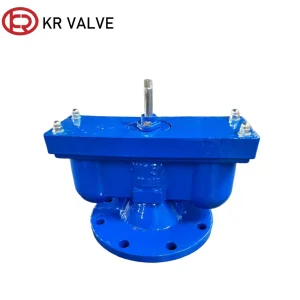
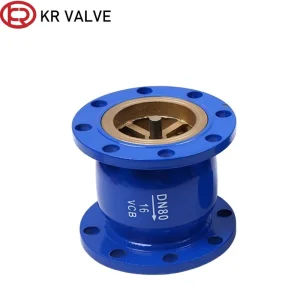
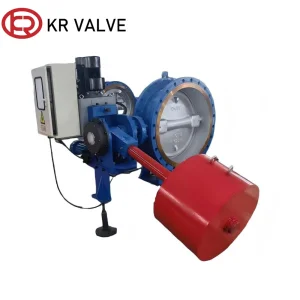
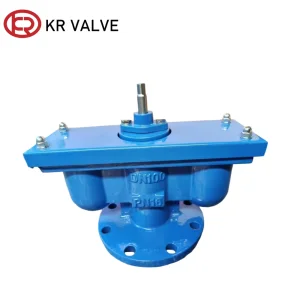
Complete your pipeline package with our certified line of check, vent, ball, and control valves manufactured under identical QA standards.