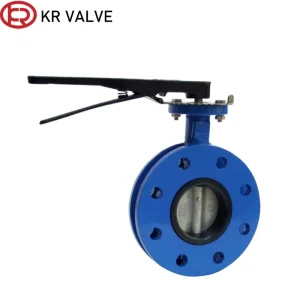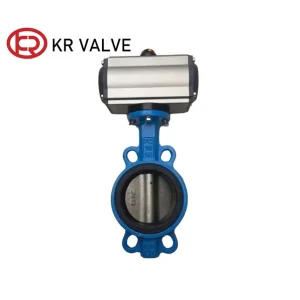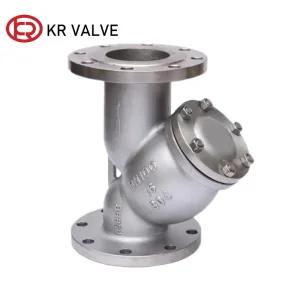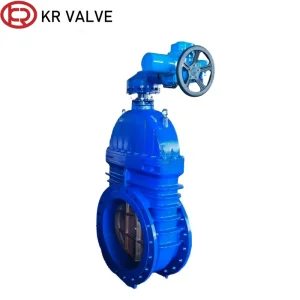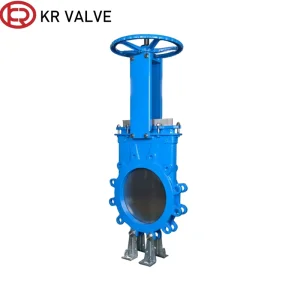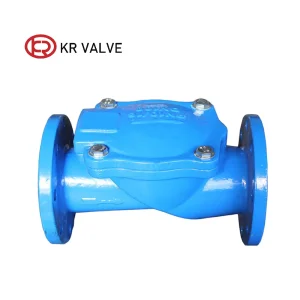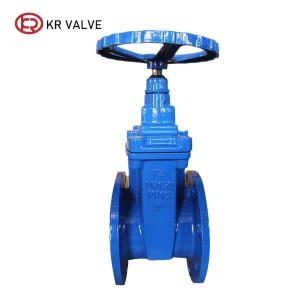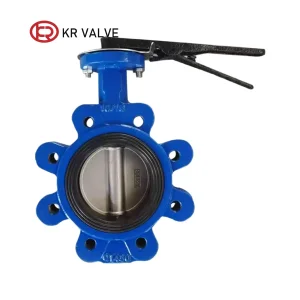
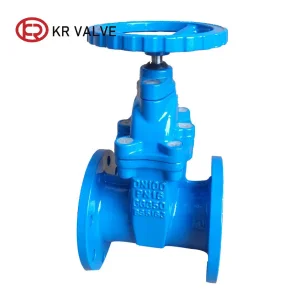
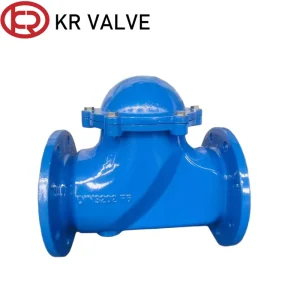
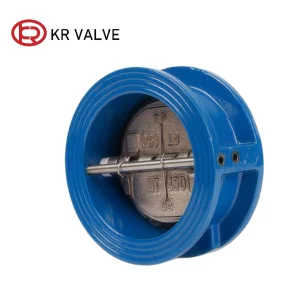
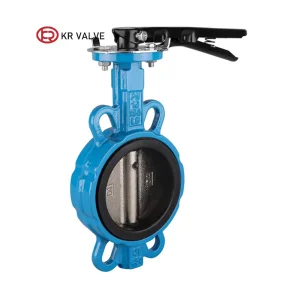
Featured Industrial Isolation & Check Valves
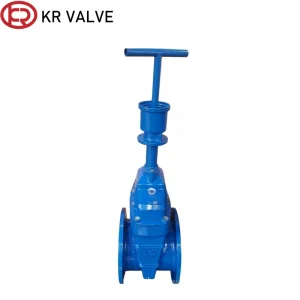
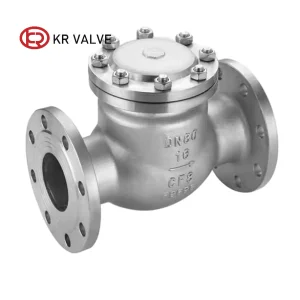
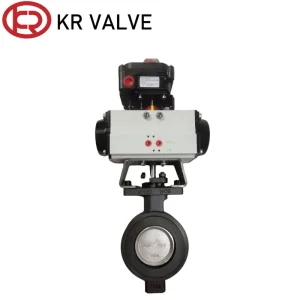
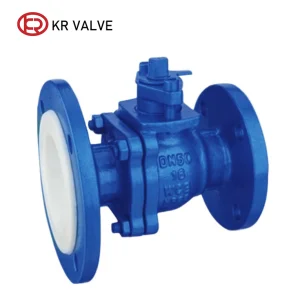
Explore our premium factory-direct solutions featuring optimized resilient seats, custom extended stems, and high-performance alloy constructions.
Global Macro Industrial Analysis: The Rise of Resilient Seated Butterfly Valves
A comprehensive examination of market expansion, infrastructure modernization, and decarbonization mandates driving demand across international supply chains.
The global industrial valve sector is undergoing a profound paradigm shift. As municipal infrastructure ages across Western markets and rapid urbanization expands across the Asia-Pacific and Middle Eastern corridors, fluid control ecosystems require higher reliability, lower operational expenditure (OPEX), and total environmental compliance. Within this framework, resilient seated butterfly valves have emerged as the dominant fluid isolation mechanism across water distribution systems, HVAC thermal control, seawater desalination plants, and light chemical processing networks.
Unlike legacy metal-to-metal gate or plug valves—which are susceptible to seat scaling, particulate trapping, excessive torque requirements, and high weight overheads—resilient seated butterfly valves utilize advanced polymer and elastomer chemistry (such as vulcanized EPDM, NBR, Viton, and bonded PTFE) to deliver bi-directional, bubble-tight shut-off. This design minimizes space requirements, cuts valve weight by up to 60%, and enables automated high-cycle actuation at a fraction of the capital cost.
Strategic E-E-A-T Insights for Procurement Executives
Procuring custom resilient seated butterfly valves directly from qualified OEM Chinese factories allows international engineering, procurement, and construction (EPC) contractors to reduce supply chain costs while securing fully certified products (ANSI/AWWA C504, DIN EN 593, BS5155, and ISO 5752). Key selection parameters extend beyond initial purchase price to include seat vulcanization integrity, shaft anti-blowout engineering, and hydrodynamic torque factors.
Key Drivers of Global Market Adoption
- Municipal Water Infrastructure Renewal: Aging municipal pipe networks in North America and Europe are undergoing aggressive replacement programs prioritizing NSF/ANSI 61 and NSF 372 lead-free certified resilient seated butterfly valves.
- Energy Efficiency & Decarbonization: Concentric and double-offset butterfly valves offer streamlined flow paths, reduced pressure drops ($\Delta P$), and optimized flow coefficients ($C_v$), lowering pumping energy overheads in HVAC and power plant cooling circuits.
- Actuation Integration & Automation: Modern industrial processing facilities require real-time SCADA telemetry. Resilient seated butterfly valves feature standard ISO 5211 mounting pads, allowing direct integration with pneumatic, electric, and hydraulic actuators without customized mounting brackets.
Material Science & Engineering Anatomy of Resilient Seats
Analyzing elastomeric formulation chemistry, seat bonding vulcanization methods, and mechanical disc geometries for extreme service conditions.
EPDM (Ethylene Propylene Diene Monomer)
Ideal for drinking water, HVAC chilled/hot water, and weak acid environments. Features high resistance to ozone, oxidation, and temperature cycles from -20°C to +120°C. Fully compliant with WRAS, DVGW, and NSF 61 drinking water directives.
NBR (Nitrile Butadiene Rubber)
Engineered for hydrocarbon service, petroleum oils, natural gas, compressed air, and hydraulic fluids. NBR exhibits exceptional tensile strength, tear resistance, and low compression set across an operational window of -10°C to +85°C.
PTFE / FEP Lined Elastomers
Utilizes a dual-layer strategy: a virgin PTFE or FEP armor layer backed by a resilient EPDM elastomer core. Provides complete chemical inertness against concentrated acids, chlorine, alkalis, and aggressive solvents while maintaining soft-seat tightness.
| Elastomer Material | Temp Range (°C) | Recommended Media | Non-Compatible Media | Pressure Rating |
|---|---|---|---|---|
| Food-Grade EPDM | -20°C to +120°C | Potable Water, Deionized Water, Steam (<110°C), Alcohols | Petroleum Oils, Concentrated Nitric Acid, Hydrocarbons | PN10 / PN16 / Class 150 |
| High-Spec NBR | -10°C to +85°C | Crude Oil, Natural Gas, Diesel, Lubricants, Sewage Sludge | Hot Water, Ozone, Strong Oxidizing Acids, Ketones | PN16 / PN25 |
| Viton / FKM | -15°C to +200°C | High-Temp Chemicals, Mineral Acids, Chlorine, Hydrocarbons | Low Molecular Weight Esters, Hot Steam, Ammonia | Up to PN25 / Class 300 |
| PTFE Lined EPDM | -30°C to +160°C | Ultra-Pure Chemicals, Sulfuric Acid, Solvents, Pharmaceuticals | Molten Alkali Metals, High Velocity Abrasive Slurries | PN10 / PN16 / Class 150 |
Localized Application Scenarios & Engineering Field Protocols
Deploying specialized resilient seated butterfly valves across varied industrial environments, regional standards, and operating pressures.
1. Underground Municipal Water Mainways
Challenge: Soil movement, groundwater submersion, and external corrosion.
Solution: Ductile Iron (GGG40) wafer/lug butterfly valves featuring fusion-bonded epoxy coating (RAL 5005, minimum 250 microns thick), combined with T-key operated extended stems and IP68 waterproof gearbox enclosures. Prevents external corrosion while maintaining low-torque operation over multi-decade lifespans.
2. Seawater Desalination Plants (RO)
Challenge: Severe chloride pitting, galvanic corrosion, and high salinity.
Solution: U-type concentric butterfly valves equipped with Duplex Stainless Steel (2205 / 2507) or Nickel-Aluminum Bronze (C95800) discs paired with molded-in EPDM liners. Vulcanized seat geometry eliminates creep deformation under high differential velocities.
3. High-Rise Commercial HVAC Circuits
Challenge: Thermal expansion cycling, continuous throttling wear, and space limits.
Solution: Compact Wafer-pattern resilient seated valves fitted with high-accuracy modulating electric actuators. Precision-machined disc edges reduce friction torque, preventing elastomer degradation under 24/7 climate control operation.
Technology Roadmap: Next-Gen Resilient Seated Valves (2025–2035)
Pioneering smart diagnostic telemetry, bio-based elastomer compounding, and advanced digital twin integration in flow control engineering.
1. Embedded IoT Health Monitoring
Integration of micro-piezoelectric sensors directly into the rubber matrix during vulcanization. Enables continuous real-time measurement of seat stress relaxation, elastomer degradation, disc position drift, and localized fluid temperature, predicting failures prior to leakage.
2. Sustainable Polymer Compounding
Transitioning from fossil-derived synthetic rubbers to bio-based monomer compounds and recycled fluoropolymer linings. Next-generation EPDM compounds achieve carbon neutrality while retaining high tear strength and zero chemical leaching into municipal supplies.
3. Hydrodynamic Disc Topology
AI-driven Finite Element Analysis (FEA) and Computational Fluid Dynamics (CFD) optimization of disc profiles. Reduces fluid dynamic drag by 18%, minimizes cavitation inception index ($K_c$), and lowers seating torque to allow smaller actuator sizing.
Comprehensive OEM Manufacturing & Customization Protocols
How leading Chinese valve manufacturing hubs deliver specialized solutions for global EPC project requirements.
Customizing resilient seated butterfly valves requires strict adherence to international metallurgical, dimensional, and testing benchmarks. Modern Chinese manufacturing centers feature advanced sand-casting foundries, CNC machining centers, automated rubber vulcanization equipment, and hydrostatic test rigs designed to meet project-specific engineering orders.
1. Body Construction & Metallurgy Options
Custom valves can be cast in a variety of structural metals depending on mechanical stress and environmental exposure:
- Ductile Iron (ASTM A536 65-45-12 / EN-GJS-400-15): Standard material for municipal water, offering high tensile strength, impact ductility, and resistance to pressure surges.
- Cast Carbon Steel (WCB / LCC): Preferred for industrial plants, higher temperatures, and petroleum lines where structural toughness is required under external stress.
- Stainless Steels (CF8 / CF8M / CF3M): Applied in aggressive process lines, chemical plants, and marine environments requiring resistance to internal and atmospheric corrosion.
2. Seat Vulcanization: Dovetail vs. Molded-In / Bonded
Two primary engineering approaches govern how the resilient seat is secured within the valve body:
- Replaceable Loose/Dovetail Seat: The elastomer liner slips into a machined body groove. Allows easy field maintenance and replacement of worn seats, reducing total lifecycle repair costs.
- Molded-in / Direct Bonded Seat: The rubber is vulcanized directly onto the valve body. This prevents seat movement, handles full vacuum service without liner collapse, and extends total mechanical life in high-velocity pipelines.
Factory Quality Assurance & Hydrostatic Testing Standards
Every custom valve must undergo rigorous testing prior to dispatch. Standard QA protocols include: Shell Pressure Testing at $1.5\times$ PN rating, Seat Hydrostatic Leak Testing at $1.1\times$ PN rating (compliant with ISO 5208 Rate A / API 598 zero visual leakage), spark testing on rubber linings, and dimensional flange inspection against EN 1092-2 or ASME B16.5 standards.
Frequently Asked Questions (FAQ) for Valve Buyers
Detailed technical answers addressing procurement, engineering, and maintenance queries.
Complete Pipeline Valves & Filtration Catalog
Browse our additional industrial valve series, including U-type butterfly valves, pneumatic control valves, Y strainers, and gate valves.