
High-Integrity Check & Isolation Valve Solutions
Explore our foundational hydraulic control systems engineered to international DIN, BS, and ANSI standards for municipal water, slurry, and energy distribution.
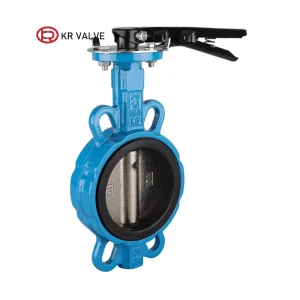
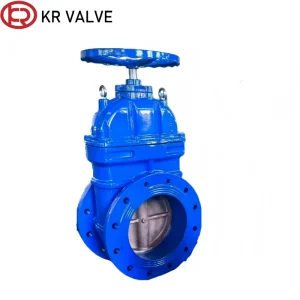
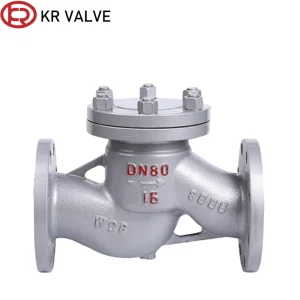
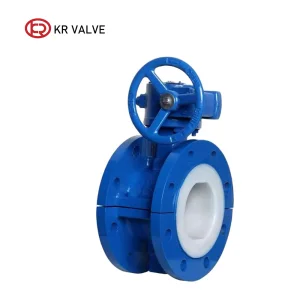
Global Procurement Drivers for Slow Closing Check Valves
Industrialization, aging municipal infrastructure, and large-scale hydraulic engineering projects have significantly escalated the operational risk of hydraulic shock.
Water Hammer Mitigation
Sudden pump stoppage causes rapid fluid reversal and violent pressure surges. Custom slow closing check valves deploy staged closing mechanisms (rapid closure up to 80-90% followed by slow hydraulic damping), eliminating damaging shock waves.
High-Rise & Deep-Well Boosting
Modern mega-urban high-rise buildings and deep mining dewatering facilities encounter substantial static head pressure. Standard swing check valves induce catastrophic slamming, demanding dual-speed closing check valves.
Total Lifecycle Cost (TCO)
International EPC contractors increasingly prioritize operational longevity. Investing in customizable slow-closing assemblies drastically reduces downstream pipe bursts, instrument fatigue, and emergency plant downtime.
Anatomy of Slow Closing Hydro-Dynamic Valves
Unlike standard non-return valves, a slow closing non-slam check valve integrates a dual-chamber hydraulic dampening cylinder, balance weight, or needle-valve regulated bypass circuit. The mechanical movement is dynamically synchronized with pipeline decelerations.
- Phase 1: Rapid Closure (0-85%): Disc swiftly travels across main cross-sectional area immediately as forward momentum ceases, mitigating bulk backflow volume.
- Phase 2: Damped Slow Closure (85-100%): External or internal hydraulic buffer engages, allowing remaining stroke to seal over an adjustable period (3 to 60 seconds).
- Cavitation Resilient Sealing: Integrated resilient EPDM/NBR soft seating backed by bronze or stainless steel 304/316 structural facings prevents seat erosion.
Engineering Comparison: Valve Closure Dynamics
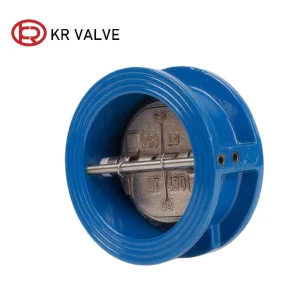
| Dynamic Property | Standard Swing Check | Dual Disc Wafer Check | Custom Slow Closing Check |
|---|---|---|---|
| Water Hammer Prevention | Poor (Prone to slam) | Moderate | Superior (Zero Slam) |
| Closure Speed Regulation | Fixed by gravity | Spring tension dependent | Fully Adjustable (Hydraulic/Orifice) |
| Head Loss Coefficient (Kv) | Medium | Higher | Optimized Full Bore |
| System Pressure Surge | Up to 300% of nominal | 150% - 200% | < 115% nominal rated pressure |
Tailored Non-Slam Systems Across Critical Sectors
Customizing check valves by body casting (GGG40, GG25, WCB, CF8), trim alloys, and hydraulic damper ratios to meet exacting operational criteria.
Municipal Water & Sewage Mains
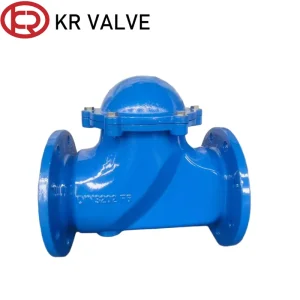
Large-bore ductile iron slow closing valves designed for raw sewage, effluent transfer, and potable networks. Features non-clogging contours and anti-cavitation dual-disc or hydraulic damper swing mechanisms.
Thermal & Hydroelectric Power
Cooling water circulation lines experience extreme volumetric mass momentum. Custom micro-resistance slow closing check valves arrest hydraulic recoil, protecting giant turbine pump casings.
Desalination & Marine Systems
Engineered with nickel-aluminum bronze, Duplex SS, or high-build fusion-bonded epoxy linings to resist chloride attack while mitigating intense pressures in reverse osmosis discharge lines.
Technology Roadmap & The Future of Check Valves
Bridging traditional cast metallurgy with autonomous digital flow monitoring and next-generation composite polymers.
IoT-Enabled Smart Damping
Integration of real-time angle sensors, dynamic pressure transducers, and micro-electromechanical hydraulic controllers capable of automatically altering closure rates based on predictive AI transient surge algorithms.
Advanced Tribological Coatings
Application of nano-diamond like carbon (DLC) and hyper-resistant ceramic seal matrixes designed to resist ultra-abrasive mining tailings and chemical slurry without scoring hydraulic buffer cylinders.
Zero-Emission Hydraulic Closed Circuits
Next-gen self-contained non-venting hydraulic dampers that utilize line fluid or hermetically sealed non-toxic fluids, preventing environmental discharge and compliance issues in municipal drinking supplies.
Strict Standards, Certified Materials & Traceability
We combine 20+ years of manufacturing experience with comprehensive material tracking and strict standard compliance for clients in over 50 countries.
Pressure & Seal Testing
Every single check valve undergoes 100% shell hydro-testing at 1.5× PN rating and seat leak tests in accordance with ISO 5208 and EN 12266-1 before export packaging.
Certifications & Norms
Engineered to match DIN F5, BS5163, BS5153, and ANSI B16.34/B16.5 standards. Full material test reports (EN 10204 3.1 MTR) with chemical and mechanical verification provided with every batch.
Global Field Engineering Support
From initial design calculation of water hammer parameters to final commissioning, our multilingual engineering team in Tianjin delivers prompt CAD modeling, technical submission packages, and 24-hour response.
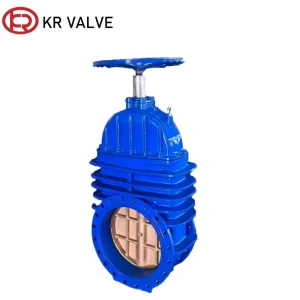
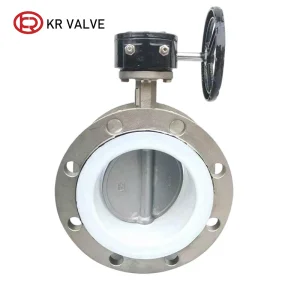
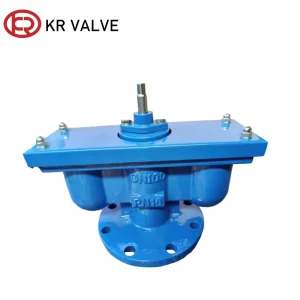
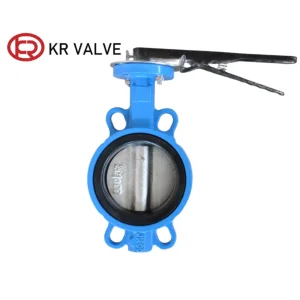
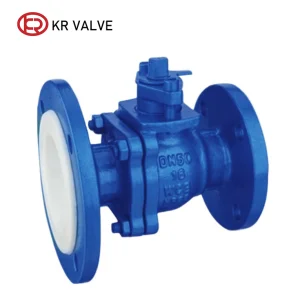
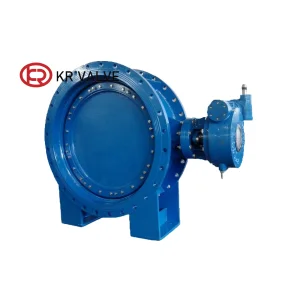
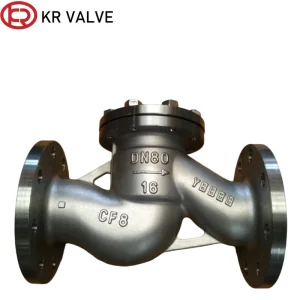
Engineered Flow Control & Air Release Series
Complete project valve packages manufactured to minimize sourcing complexity, reduce project lead times, and optimize balance-of-plant reliability.
Frequently Asked Questions on Slow Closing Check Valves
Comprehensive insights for project engineers, procurement specialists, and plant operators seeking custom surge-alleviation solutions.