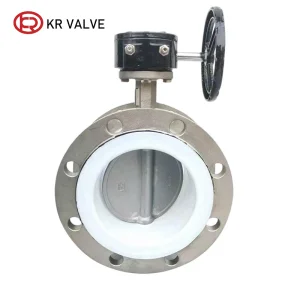
Precision Flow Isolation & Control Systems
Explore our factory-direct industrial valve solutions engineered to DIN, BS, ANSI, and AWWA standards. Rigorously 100% pressure-tested before export.
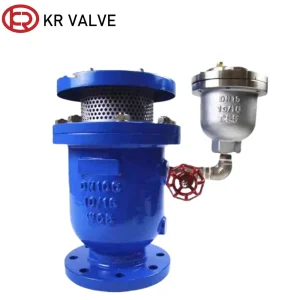
CARX High Speed Release Compound Exhaust Valve
View Specs & OEM Options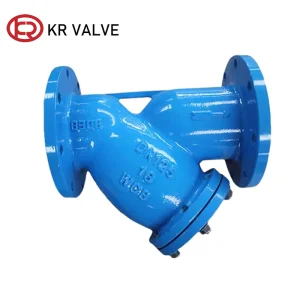
Flanged Y-Type Strainer Basket Filter (WCB Material)
View Specs & OEM Options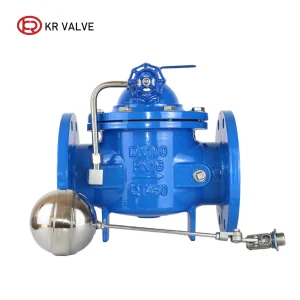
GGG50 Hydraulic Diaphragm Remote Float Valve 100X
View Specs & OEM Options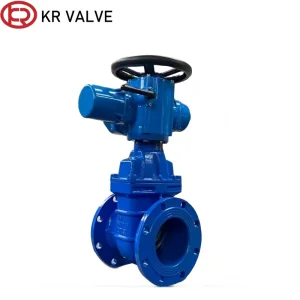
Electric Actuated Ductile Iron Gate Valve (EPDM Seal)
View Specs & OEM Options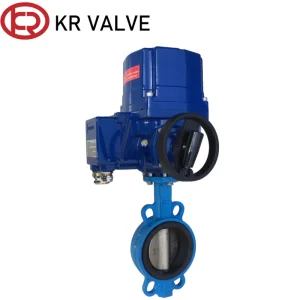
Electric Actuated Wafer Butterfly Valve (EPDM Seal)
View Specs & OEM Options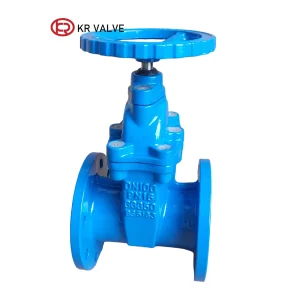
Non-Rising Stem EPDM Gate Valve (DIN F5 Standard)
View Specs & OEM Options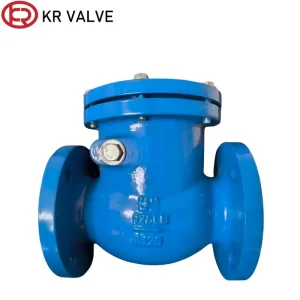
Brass Seat GGG40 Swing Check Valve for Sewerage
View Specs & OEM Options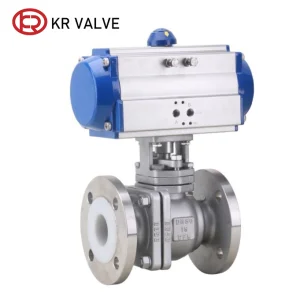
Pneumatic Stainless Steel PTFE-Lined Ball Valve
View Specs & OEM OptionsGlobal Industrial Landscape of Custom Threaded Valve Manufacturing
Understanding supply chain evolution, thread geometry standardization, and procurement parameters for high-reliability fluid networks.
Global Market Dynamics & Supply Chain Shifts
The global market for custom threaded valves is undergoing a structural transition. Industrial automation, municipal infrastructure modernization, and chemical process safety demand higher precision, tighter tolerances, and customized metallurgy. Threaded valves—specifically small-to-medium bore sizes ranging from DN15 to DN100 (1/2" to 4")—represent the operational backbone of compact hydraulic systems, HVAC hydronic circuits, fuel gas distribution, and high-pressure chemical dosing networks.
Leading OEM buyers and Engineering, Procurement, and Construction (EPC) contractors are moving away from off-the-shelf standard valves toward tailored threaded valve configurations. This includes specialized NPT (ANSI/ASME B1.20.1), BSPT (ISO 7-1), and BSPP (ISO 228-1) thread profiles engineered to eliminate micro-leakage under cyclic thermal stresses and pressure spikes up to PN25 and Class 600 limits.
Engineering Rigor & Quality Compliance
Modern industrial plants cannot tolerate zero-point failures. In critical applications like high-rise water boosting, wastewater aeration, and pneumatic fuel lines, a single thread galling issue or casting void can result in catastrophic downtime. As leading Custom Threaded Valve Manufacturers & Factories in China, facilities like KR VALVE (TIANJIN) CO., LTD. integrate rigorous metallurgical verification, 5-axis CNC thread cutting, and 100% hydrostatic and shell pressure testing into every production line.
By utilizing advanced Ductile Iron (GGG40/GGG50), Carbon Steel (WCB/WCC), and Stainless Steel (CF8/CF8M), custom threaded valve manufacturers ensure superior tensile strength, burst resistance, and long-term corrosion mitigation in aggressive fluid environments.
Thread Engineering, Metallurgical Standards & Valve Typology
A rigorous comparison of end connections, seat materials, and pressure-temperature boundaries for custom valve procurement.
Information Gain Insight: Thread Profile Mechanics & Leak-Tight Sealing
Unlike flanged valves that rely on gasket compression via external bolting, threaded valves achieve mechanical joint integrity directly through helical wedge engagement. Tapered threads (NPT and BSPT) create a seal through metal-to-metal interference along the thread flanks, requiring controlled torque metrics to prevent plastic deformation while ensuring zero-bubble tightness under ANSI/FCI 70-2 Class VI requirements.
| Thread Standard / Valve Category | Nominal Size Range | Body Metallurgy Options | Sealing & Seat Options | Target Pressure Class | Primary Industrial Application |
|---|---|---|---|---|---|
| NPT Threaded Gate & Check Valves (ASME B1.20.1 Tapered) |
DN15 - DN80 (1/2" - 3") | Ductile Iron GGG40, WCB, CF8M Stainless | EPDM Resilient Seat, Brass / Stellite Hard Facing | PN16, PN25, Class 150/300 | Oil & Gas skids, high-pressure hydraulic lines, compressed air networks. |
| BSPT / ISO 7-1 Threaded Valves (55° Taper Thread) |
DN15 - DN100 (1/2" - 4") | GG25 Cast Iron, GGG50 Ductile Iron | NBR Soft Seal, PTFE Seat, Bronze Facing | PN10, PN16 | European & Asian municipal water systems, district heating lines, HVAC. |
| Direct-Actuated Hydraulic Threaded Controls | DN20 - DN50 (3/4" - 2") | GGG50 Ductile Iron, Brass, CF8 | Reinforced Nylon Diaphragm, EPDM O-Rings | PN16, PN25 | Automated water level control, pressure reducing stations, pump relief. |
| Pneumatic / Electric Threaded Ball Valves | DN15 - DN50 (1/2" - 2") | WCB Steel, CF8M Stainless Steel | 100% Pure PTFE, RTFE (Reinforced PTFE) | Class 150 - Class 600 | Corrosive chemical dosing, food & beverage processing, steam isolation. |
| Threaded Y-Type Strainers & Filter Assemblies | DN15 - DN100 (1/2" - 4") | Ductile Iron, WCB, CF8 Stainless | SS304 Mesh (40 to 120 Mesh Options) | PN16, PN25, Class 150 | Pump suction protection, flow meter safeguard, steam condensate traps. |
5-Axis CNC Precision Machining
Custom threaded valve production requires extreme concentricity and exact pitch accuracy. Advanced factories utilize multi-axis CNC turning centers to machine body threads, ensuring smooth hand-tight engagement followed by perfect wrench-tight seal seating without thread binding or stripping.
Advanced Metallurgical Integrity
By employing spectroscopic material analyzers and ultrasonic flaw detection, custom valve manufacturers verify carbon percentages, spherical graphite nodularity in GGG50 ductile iron, and chromium-nickel content in stainless steel prior to machining.
Custom OEM Coatings & Surface Protection
To resist ambient oxidation and soil corrosion in underground installations, custom threaded valves receive electrostatically applied fusion-bonded epoxy (FBE) coatings inside and outside, complying with DIN 30677-2 and AWWA C550 standards.
Industry 4.0, Decarbonization & Next-Gen Smart Valve Innovations
How modern custom threaded valve manufacturers are aligning with IoT, digital twin monitoring, and zero-emission directives.
1. IoT Integration & Smart Hydraulic Actuation
The industrial valve sector is rapidly integrating digital intelligence into mechanical flow components. Modern custom threaded valves—especially hydraulic control models (such as 100X float valves and 200X pressure reducing valves)—are increasingly upgraded with smart solenoid operators, digital position indicators, and pressure transducers.
This enables supervisory control and data acquisition (SCADA) systems to continuously monitor real-time flow rates, detect cavity cavitation, and predict seat wear. Smart threaded valves eliminate manual pipeline inspections in remote municipal water supply networks and automated agricultural irrigation systems.
2. Fugitive Emission Reduction & Green Hydrogen Compatibility
With international regulations like ISO 15848-1 and TA-Luft tightening volatile organic compound (VOC) release limits, custom valve factories are redesigning stem packing boxes and thread seal interlocks. Dynamic live-loaded PTFE packing rings and metallic Belleville spring washers maintain constant gland compression despite severe thermal cycling.
Furthermore, as global industries transition toward green hydrogen and bio-gas transmission, manufacturers are pioneering specialized thread sealing geometries and hydrogen-embrittlement-resistant alloys (such as 316L and Hastelloy C276).
KR Valve 2025–2030 Technology Roadmap
Implementation of 100% automated robotic arms for CNC thread cutting and automatic torque-controlled seat assembly across all DN15-DN100 valve lines.
Standardizing wireless sensor ports on custom cast bodies to allow plug-and-play temperature, vibration, and acoustic leak sensing.
Transitioning sand casting foundries to electric induction furnaces powered by renewable energy, reducing product carbon footprint by 40%.
Macro-Industry Solutions & Localized Application Scenarios
Custom threaded valves engineered to withstand demanding operating environments across global sectors.
Municipal Water Supply & High-Rise Pressure Boosting
In municipal booster pumping stations and commercial high-rise buildings, water hammer and excessive static head pressure pose constant risks to pipeline integrity. Custom threaded 200X pressure reducing valves and CARX high-speed air release valves dynamically stabilize pressure zones, preventing main ruptures while automatically venting entrained air bubbles during initial system filling.
Wastewater Treatment & Sewage Pipeline Networks
Raw wastewater contains suspended solids, fibrous rags, and corrosive hydrogen sulfide gas. Traditional swing check valves often jam due to debris accumulation. Threaded ball-type check valves (utilizing an EPDM-encapsulated aluminum core ball) allow full-bore passage with zero clogging. The ball rolls off the flow path during operation and seats bubble-tight when backpressure occurs.
Chemical Processing & Corrosive Fluid Dosing
In chemical plants handling acids, alkalis, or solvents, metallic seats corrode rapidly. Custom manufactured stainless steel (CF8M) threaded ball valves lined with virgin PTFE or PFA deliver complete chemical isolation up to 180°C. Single-acting pneumatic actuators ensure fail-safe closure during emergency shutdown (ESD) events, maintaining plant safety protocols.
Why Partner with KR VALVE (TIANJIN) CO., LTD.
Over two decades of valve engineering excellence, state-of-the-art foundry partnerships, and comprehensive global service.
Full-Chain Quality Assurance
From sand casting and spectrographic chemical verification to final hydrostatic shell testing (1.5x nominal pressure) and seat tightness testing (1.1x nominal pressure), every single valve is verified prior to export.
Tailored OEM Branding & Customization
We support global distributors and original equipment manufacturers with custom brand casting, laser-etched nameplates, special handwheel colors, custom face-to-face dimensions, and tailored thread specs (NPT, BSPT, Metric, Male/Female).
International Standard Compliance
Our product lines strictly follow international standards including DIN F5, BS5163, BS5153, AWWA C594, ANSI B16.34, and ISO 9001 quality management standards to ensure seamless site integration.
Rapid Global Export Logistics
Located in Tianjin, near one of Northern China’s largest maritime ports, KR Valve provides consolidated ocean freight, fumigated wooden crate packaging, and export-ready documentation for over 50 countries.
Frequently Asked Questions by Industrial Valve Buyers
Detailed engineering answers covering thread selection, material suitability, pressure classes, and OEM customization protocols.
What is the key technical difference between NPT and BSPT threaded valve connections?
NPT (National Pipe Taper) follows American ANSI/ASME B1.20.1 standards with a 60° thread angle and flat crests/roots. BSPT (British Standard Pipe Taper), regulated under ISO 7-1, features a 55° thread angle with rounded crests and roots. Because of the different thread angles and thread pitches per inch, NPT male threads will not seal properly inside BSPT female valve ports. OEM buyers must verify pipeline thread specifications before placing volume orders.
When should an engineer specify Ductile Iron (GGG40/50) over Cast Iron (GG25) for threaded valves?
Cast Iron (GG25 / Gray Iron) has flakes of graphite within its microstructure, offering excellent compressive strength but limited tensile ductility and impact resistance. Ductile Iron (GGG40 / GGG50) contains nodular graphite, providing significantly higher tensile strength (minimum 400–500 MPa), impact resilience, and elongation. Engineers should specify Ductile Iron for systems subject to water hammer, thermal shock, underground piping stresses, or working pressures exceeding PN10 (such as PN16 and PN25 lines).
How do hydraulic float control valves (like 100X series) operate without external electric power?
Hydraulic control valves utilize the pressure of the fluid medium itself to drive diaphragm or piston movement. A small pilot valve connected to a remote float inside a water storage tank senses fluid level changes. When the water drops, the float opens the pilot line, venting pressure from the main valve’s upper control chamber. System inlet pressure then pushes the valve diaphragm upward, opening the main valve. Once the tank fills, the float closes the pilot, reloading pressure into the control chamber and forcing the main valve shut bubble-tight.
What custom OEM services does KR Valve provide for international buyers?
KR Valve provides end-to-end OEM customization. This includes custom body pattern design, customized end connections (NPT/BSPT/Flanged/Wafer/Lug), special seat polymers (EPDM, NBR, Viton, Pure PTFE, RTFE), customer logo casting or laser engraving, custom paint/epoxy colors (RAL color codes), specialized actuator mounting pads (ISO 5211 standard), and private-label export packaging tailored for regional distribution networks.
How are threaded valves quality-tested prior to leaving the manufacturing facility?
Every single valve undergoes a standardized testing sequence. First, raw castings undergo spectral analysis for chemical composition and mechanical tensile testing. After precision CNC machining, assembled valve bodies are subjected to a hydrostatic shell test at 1.5 times the nominal pressure (e.g., 24 bar for a PN16 rated valve) to verify body integrity. Finally, high-pressure hydrostatic seat sealing and low-pressure air seat leakage tests (1.1x nominal pressure and 6 bar air test) ensure zero-leakage compliance before packing.
Additional Industrial Valve & Strainer Models
Explore our complete range of check valves, gate valves, butterfly valves, and specialized hydraulic controls.
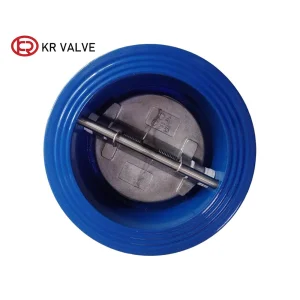
Wafer Dual Disc Check Valve (BS5153 CI & DI)
View Specs & OEM Options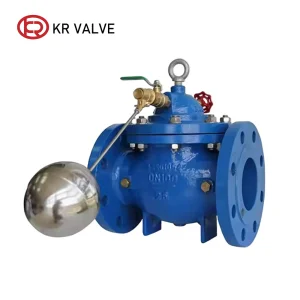
100X Remote Control Float Ball Water Valve
View Specs & OEM Options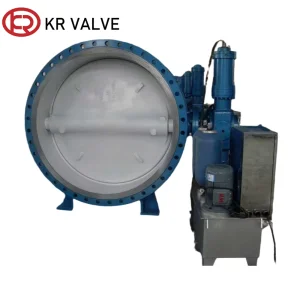
Heavy Hammer Hydraulic Triple Eccentric Butterfly Valve
View Specs & OEM Options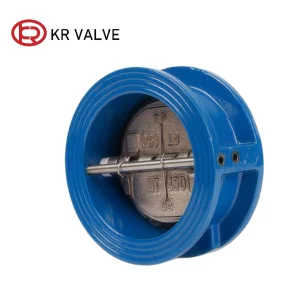
4 Inch Dual Plate Wafer Lug Check Valve
View Specs & OEM Options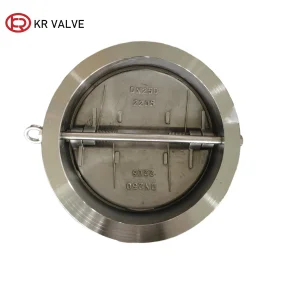
Stainless Steel Wafer Dual Disc Check Valve (AWWA C594)
View Specs & OEM Options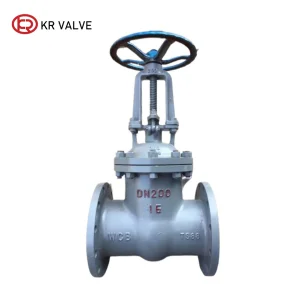
WCB/WCC Material Rising Stem Gate Valve (DN50-DN1000)
View Specs & OEM Options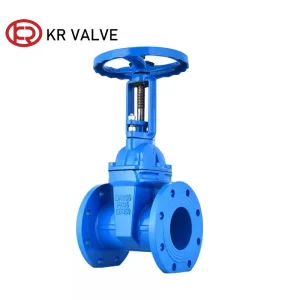
DIN F5 Rising Shaft Resilient Sealing Gate Valve
View Specs & OEM Options