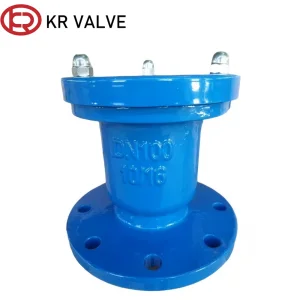
Precision Engineering Valve Selection
Explore our high-performance industrial valves manufactured to rigorous international standards, complementing custom WCC cone valve installations worldwide.
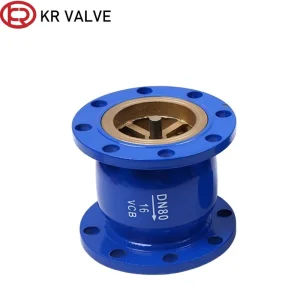
Wholesale WCB Silent One Way Valve PN25 - High Pressure Carbon Steel Check Valve
View Product Specs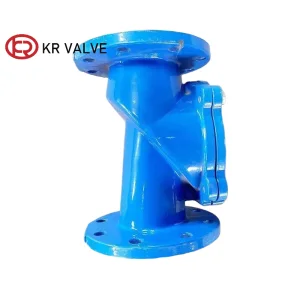
Wholesale Flange Rubber Disc Soft Seal Swing Check Valve Supplier
View Product Specs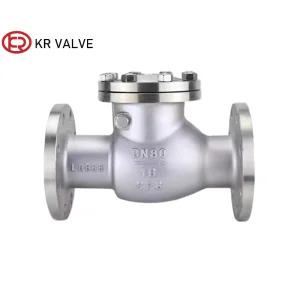
Wholesale API Standard Stainless Steel Swing Check Valve Manufacturers
View Product Specs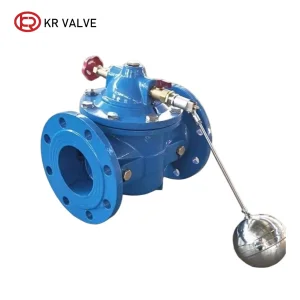
OEM Ductile Iron Hydraulic Ball Remote Float Valve Supplier
View Product Specs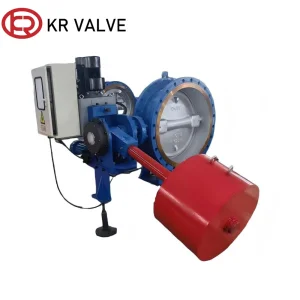
Wholesale Hydraulic Cylinder Control Butterfly Valve Quick Closing Adjusting Type
View Product Specs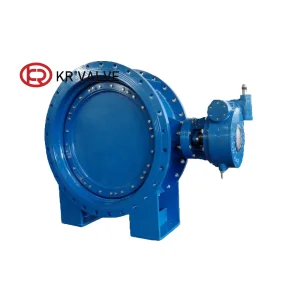
Wholesale Eccentric Butterfly Valve PN16 Soft Sealing China Factory Solutions
View Product Specs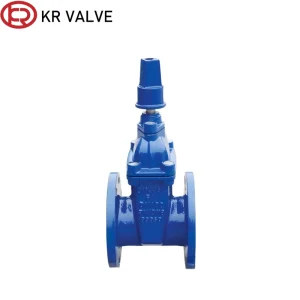
Wholesale Underground Gate Valve Ductile Iron Body and EPDM Seat
View Product Specs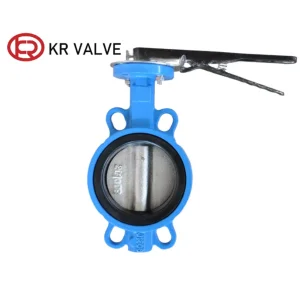
OEM Ductile Iron EPDM Seal Wafer Butterfly Valve Concentric DN40-DN600
View Product SpecsMacro Industrial Status & Severe-Duty Flow Control Dynamics
Analyzing global demand, hydraulic efficiency mandates, and why custom WCC cone valves are displacing legacy gate and butterfly valves in high-head infrastructure.
In modern industrial fluid dynamics and large-scale hydro-infrastructure, managing high-velocity, high-pressure liquid streams presents formidable fluid mechanics challenges. Severe-service isolation and throttling applications—ranging from high-head hydroelectric dam bypass lines and pumped-storage facilities to municipal water transmission conduits and slurry transport—demand flow control equipment that eliminates pressure drops while mitigating destructive hydraulic phenomena such as cavitation erosion, hydraulic shock (water hammer), and seat scour.
Historically, heavy pipeline systems relied on conventional double-eccentric butterfly valves or large-bore wedge gate valves. However, operational data across decades of global infrastructure performance reveals systemic limitations: butterfly valves exhibit disc interference, creating turbulence, permanent head loss, and localized cavitation downstream of the disc edge; conversely, conventional gate valves suffer from rapid seat wear when modulated under partial-opening conditions. The industry’s technological shift toward Custom WCC Cone Valves (Rotary/Lift-Turn Plug-Cone Valves) directly addresses these engineering bottlenecks.
Engineering Insight: Zero-Head-Loss Full-Bore Kinematics
When fully open, a WCC Cone Valve presents a smooth, unobstructed cylindrical waterway identical to the internal diameter of the surrounding pipeline. This reduces the hydraulic resistance coefficient ($C_f$) to near-zero, enabling massive energy savings across continuous municipal pumping networks and maximizing power generation output in hydro-turbine bypass applications.
As global environmental regulations mandate reduced energy footprint and maximum reliability, EPC contractors and municipal water authorities are standardizing on custom-engineered ASTM A216 Grade WCC cast steel cone valves. Compared to standard WCB (Grade B) carbon steel, Grade WCC offers superior tensile strength, higher yield stress thresholds, and enhanced fracture toughness under severe surge pressures, making it the premier metallurgical baseline for critical flow infrastructure operating up to ANSI Class 900 pressure ratings.
ASTM A216 Grade WCC vs. Alternative Valve Alloys
Understanding the mechanical properties, stress performance, and internal lift-and-turn mechanics that define custom cone valve durability.
Selecting the optimal body and plug material is critical for custom cone valves exposed to cyclic pressure surges and aggressive flow dynamics. ASTM A216 Grade WCC is a high-strength carbon steel casting specification tailored for high-temperature and high-pressure service. When evaluated against standard ASTM A216 WCB or cast irons (GGG40/GGG50), WCC provides enhanced structural margins against mechanical fatigue and thermal stress.
| Material Grade Specification | Tensile Strength (MPa) | Yield Strength (MPa) | Elongation (%) | Primary Industrial Application Suitability |
|---|---|---|---|---|
| ASTM A216 Grade WCC Selected Standard | 485 - 655 | ≥ 275 | ≥ 22 | High-pressure municipal mains, hydro-bypass, severe surge isolation. |
| ASTM A216 Grade WCB | 485 - 655 | ≥ 240 | ≥ 22 | Standard industrial piping, medium-pressure oil & gas lines. |
| Ductile Iron GGG50 / EN-GJS-500-7 | ≥ 500 | ≥ 320 | ≥ 7 | Low-to-medium pressure water distribution, HVAC systems. |
| ASTM A351 Grade CF8M (SS316) | ≥ 485 | ≥ 205 | ≥ 30 | Corrosive chemical fluids, seawater desalination, sanitary applications. |
| ASTM A352 Grade LCB | 450 - 585 | ≥ 240 | ≥ 24 | Low-temperature cryogenic services down to -46°C. |
Lift-and-Turn Mechanism
Prior to plug rotation, the internal operating mechanism mechanically lifts the cone plug off its metal seat ring. This completely eliminates seat sliding friction, preventing surface scoring and dramatically reducing actuation torque requirement.
Cavitation Control Trims
Equipped with custom slotted or multi-stage orifice sleeve inserts, our WCC cone valves dissipate kinetic energy in high-differential throttling operations, keeping vapor collapse zones safely within the central fluid core.
Bi-Directional Zero Leakage
Engineered with precision-ground stainless steel or Stellite hard-faced metal-to-metal seating surfaces, establishing bubble-tight bi-directional isolation conforming to API 598 and ISO 5208 Rate A criteria.
Targeted Macro Application Scenarios
Custom WCC cone valves engineered for critical infrastructure installations where failure is not an option.
Hydroelectric Power Generation
Deployed as penstock emergency shut-off valves and turbine bypass pressure-regulating controls. The WCC body absorbs immense water column inertia while the cone mechanism provides rapid, controlled emergency closure during load rejection events without generating destructive surge pressures.
High-Head Municipal Water Mains
Installed at reservoir outlet towers and primary distribution feeder lines. The zero-head-loss full-bore geometry optimizes pumping head efficiency, significantly reducing electrical grid power consumption over decades of continuous transmission service.
Mining Tailings & Slurry Pipelines
Customized with hardened Stellite 6 thermal spray coatings on WCC internal body pathways and plug profiles. Designed to withstand extreme particle abrasion and solids settling in gold, copper, and iron ore mineral processing circuits.
Cooling Water Ingestion Systems
Engineered for nuclear and fossil thermal power plant condenser cooling lines. Resists brackish water erosion, bio-fouling build-up, and frequent cycling demands while providing full-flow velocity during peak thermal loads.
Refinery & Chemical Off-Gas Throttling
Customized WCC body configurations with extended bonnet designs suitable for elevated temperature gas streams, handling thermal expansion while maintaining gland seal integrity under tight EPA fugitive emission compliance.
Pump Discharge Protection & Check Duty
Acts as an active, hydraulic-accumulator assisted non-return system on large booster pump stations, preventing reverse pump rotation and line surging during sudden electrical outages.
Technical Specification & Customization Roadmap
Comprehensive manufacturing parameters, size scopes, design standards, and custom actuation integration options.
Every industrial project exhibits distinct hydraulic dynamics. Our factory specializes in full custom original equipment manufacturing (OEM) and custom design solutions (ODM), matching client pressure envelopes, pipe flange dimensions, and control automation protocols.
- Nominal Diameters: DN150 to DN2400 (6" to 96")
- Pressure Classes: ANSI Class 150, 300, 600, 900 / PN10 to PN100
- Design Standards: AWWA C507, ASME B16.34, API 6D, EN 12516
- Flange Connections: ASME B16.5, ASME B16.47 Series A/B, EN 1092-1
- Seat Materials: Monel, SS316, Stellite 6 Hardfacing, Bronze Alloy
- Actuation Systems: Electro-Hydraulic, Hydraulic Accumulator, Electric Multi-Turn
Custom Coating & Surface Protection Technologies
To resist corrosive aquatic environments and soil immersion, WCC cone valve bodies undergo internal and external blast cleaning to Sa 2.5, followed by heavy-duty Fusion Bonded Epoxy (FBE) coating at 300-500 microns thickness or polyurethane coating conforming to AWWA C213 and C222 specs.
Quality Management, Testing & Global Compliance
Stringent non-destructive inspection, hydrostatic pressure testing, and international certification standards governing our production facility.
High-pressure severe duty installations require 100% quality traceability. Our manufacturing plant operates under a certified ISO 9001:2015, ISO 14001, and ISO 45001 integrated quality framework. Every cast WCC valve shell undergoes rigorous Non-Destructive Examination (NDE) prior to precision CNC machining.
Radiographic & Ultrasonic NDE
100% Volumetric examination of critical WCC casting pressure boundary sections according to ASME B16.34 Annex B to guarantee structural soundness free of porosity, shrinkage, or inclusions.
Hydrostatic Pressure Testing
Conducted in accordance with API 598 / ISO 5208 standards. Shell testing at 1.5x design pressure and high-pressure seat closure testing at 1.1x rating, verifying zero pressure drop over extended hold durations.
Fugitive Emissions & SIL 3
Certified low-emission live-loaded stem packing systems adhering to ISO 15848-1 and API 622, paired with SIL 3 certified emergency actuation systems for plant safety integration.
Next-Generation Cone Valve Innovations & Smart Infrastructure
Integrating digital twin sensors, additive trim manufacturing, and ultra-low emission packing for smart water and energy networks.
As industrial automation advances toward Industry 4.0 standards, custom WCC cone valve technology is evolving to incorporate smart diagnostic and predictive maintenance capability. Our R&D team is driving key innovations that set new benchmarks for long-term operational resilience:
Digital Twin Sensor Integration
Embedded real-time acoustic emission sensors, cavitation detectors, and stem torque monitors stream asset health metrics via SCADA Modbus / HART protocols to predict seal wear before leakage occurs.
Additive Trim Manufacturing
3D laser powder bed fusion (LPBF) technology utilized to create complex internal anti-cavitation trim geometries that are mathematically impossible to machine via traditional 5-axis CNC methods.
Zero-Fugitive Environmental Packing
Self-adjusting live-loaded graphite-PTFE hybrid packing seals ensuring absolute environmental zero-leakage compliance during continuous high-temperature or volatile gas cycle operation.
Frequently Asked Questions & Technical Insights
In-depth answers addressing engineering, selection, installation, and procurement inquiries from global project directors.
What is the primary technical advantage of ASTM A216 WCC over WCB for custom cone valves?
ASTM A216 Grade WCC offers higher minimum yield strength (275 MPa vs 240 MPa for WCB) and enhanced tensile performance (485-655 MPa). This permits thinner wall designs for identical working pressure classes, reducing overall valve assembly mass while providing superior resistance against hydraulic pressure surges, water hammer shockwaves, and mechanical fatigue in continuous heavy-duty service.
How does a cone valve achieve zero head loss compared to a butterfly valve?
When fully opened, the cone valve's plug rotates 90 degrees to align a full-diameter, circular, smooth internal waterway directly with the pipeline bore. Unlike butterfly valves, which leave the disc directly in the flow stream, the cone valve presents zero fluid obstruction, yielding a flow coefficient ($C_v$) virtually equal to an equivalent length of straight pipe.
Why is the lift-and-turn mechanism vital for high-pressure cone valve longevity?
In traditional metal-seated plug valves, rotating the plug while contacting the seat causes severe metal rubbing, galling, and rapid seal destruction under high differential pressures. The lift-and-turn operating sequence mechanically unseats the plug axially by a fraction of an inch before rotation begins, eliminating seat friction completely during the 90-degree turn.
Can custom WCC cone valves be used effectively for throttling duty?
Yes. When fitted with custom anti-cavitation sleeve trims, characterized plug ports, or multi-stage pressure drop trims, WCC cone valves act as exceptionally durable throttling devices. They can control high pressure differentials ($ΔP$) without experiencing localized cavitation erosion on the main body pressure envelope.
What actuation options are recommended for emergency penstock isolation?
For penstock safety systems, electro-hydraulic actuators equipped with weighted hydraulic accumulator fail-safe drop systems are recommended. In the event of a total site electrical blackout, the stored hydraulic energy or gravity drop-weight safely closes the WCC cone valve at a pre-calibrated rate to prevent water column separation and penstock collapse.
What quality testing documentation is supplied with custom WCC cone valves?
Every shipment includes an EN 10204 3.1 Certified Material Test Report (MTR) covering chemical ladle analysis and mechanical testing of the WCC casting melt, hydro-pressure test logs, NDE non-destructive examination reports (RT/UT/MT/PT), paint dry-film thickness (DFT) checks, and functional actuation calibration certificates.
How does WCC cone valve selection impact long-term total cost of ownership (TCO)?
While the initial capital expenditure of a custom WCC cone valve is higher than a commodity butterfly valve, the complete elimination of operational pumping head loss, zero seat maintenance over 20+ year operational windows, and resistance to severe water hammer yield a significantly lower TCO across the asset lifecycle.
What customization options are supported by your OEM valve factory?
We provide full customization including exact face-to-face dimensions (matching legacy layout footprints), special flange drilling (AWWA, DIN, ANSI, JIS), custom internal cladding (Stellite, Inconel, Monel), custom gear ratios, smart positioner integration, and specialized marine/subsea paint specifications.
Comprehensive Industrial Valve Catalog
Discover our complementary line of butterfly, gate, check, and control valves manufactured for global engineering contractors and project distributors.
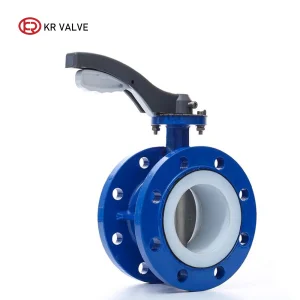
Wholesale PTFE Seal Double Flange Butterfly Valve D41F Series DN40-DN2000
View Product Specs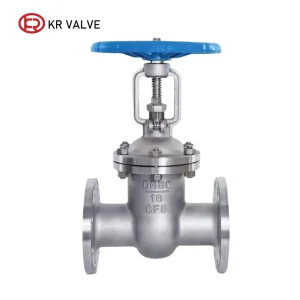
Wholesale Stainless Steel SS Flange Gate Valve Rising Stem Metal Seated
View Product Specs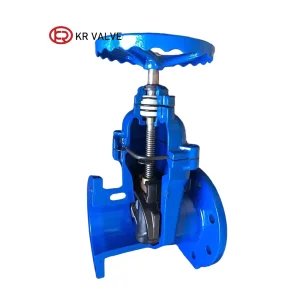
Custom Resilient Seat Gate Valve BS5163 Standard 4 Inch Suppliers & Factory
View Product Specs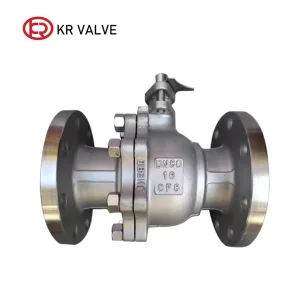
Custom Flange Mounted Stainless Steel Ball Valve Q41F for DN300-DN1000
View Product Specs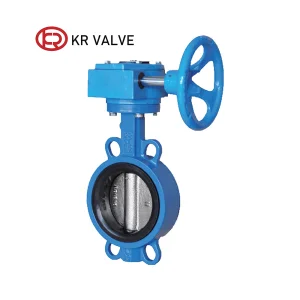
Wholesale Ductile Iron Wafer Butterfly Valve with Gear Box DN40-DN600 PN6-PN16
View Product Specs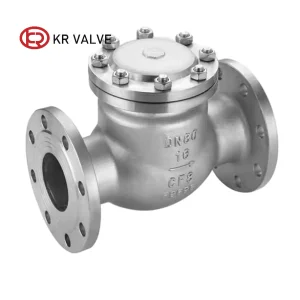
Wholesale Flanged Swing Type Check Valve CF8 Material Suppliers & Manufacturer
View Product Specs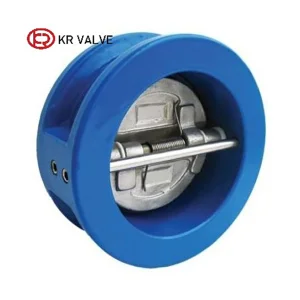
Wholesale One Way Valve Ductile Iron Body CF8 Disc Wafer Type DN40-DN700
View Product Specs