
High-Precision Valves & Actuation Hardware
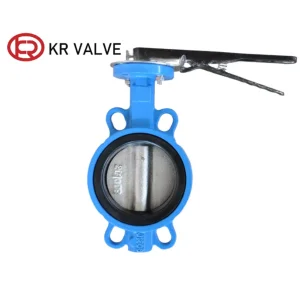
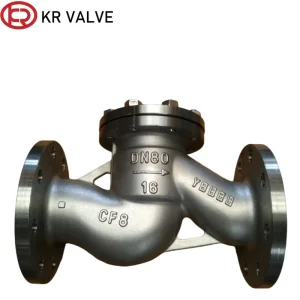
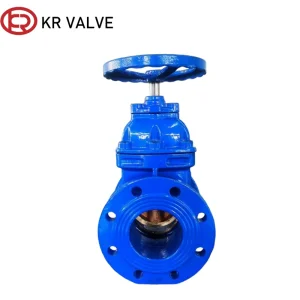
Explore our premium range of industrial manual butterfly valves, resilient seated gate valves, dual-plate check valves, and OEM customized handle components engineered for zero-leakage flow systems.
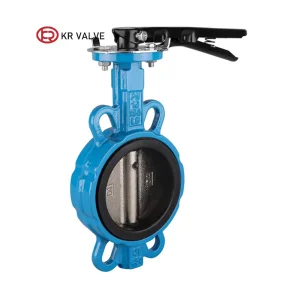
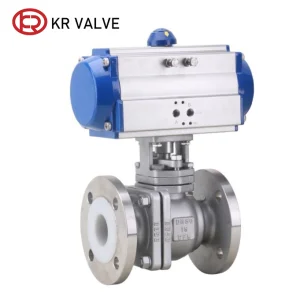
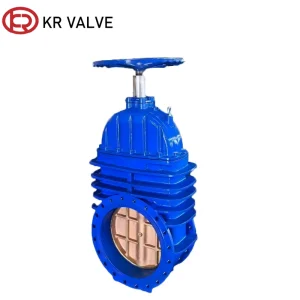
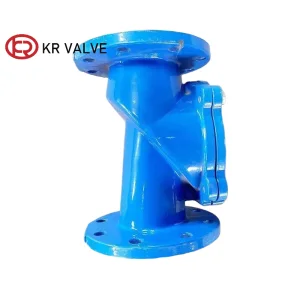
Global Industrial Actuation Ecosystem
Quantitative breakdown of the global shift toward lightweight die-cast aluminium handles in fluid control pipelines, HVAC networks, and municipal water management infrastructure.
Executive Summary: The Strategic Value of OEM Aluminium Handles
In modern industrial fluid control, manual actuation hardware serves as the primary physical interface between process engineers and mechanical flow control systems. Historically, malleable cast iron and pressed carbon steel held a dominant market share for lever handles on butterfly valves, ball valves, and plug valves. However, modern process plants—spanning desalination facilities, HVAC infrastructure, chemical processing plants, and marine vessels—demand elevated corrosion resistance, reduced weight burdens on pipe runs, and superior mechanical ergonomics.
Leading OEM Aluminium Handle Suppliers & Manufacturers have responded by engineering high-pressure die-cast aluminum alloy lever handles (primarily using A380, ADC12, and 6061-T6 alloys). These components provide an optimal strength-to-weight ratio, high mechanical yield under sudden torque spikes, and exceptional chemical passivity when treated with thermosetting epoxy powders or anodic oxidation coatings.
Information Gain Insight: Modern OEM valve handles are no longer passive metal bars. They are precision-engineered mechanical sub-assemblies featuring integrated notch plates, spring-loaded locking latches, position indicators, and standardized ISO 5211 mounting pads designed to mitigate valve stem bending moments during manual torque application.
Global Development Trends in Valve Actuation
How advanced foundry chemistry, lightweighting mandates, and ergonomic safety regulations are reshaping OEM handle manufacturing across international markets.
Corrosion Passivation & Surface Metallurgy
Standard cast iron handles are vulnerable to atmospheric oxidation and galvanic corrosion at the stem connection. Modern OEM manufacturers deploy multi-stage chemical passivation—including chromate conversion, electrocoat priming, and electrostatic polyester powder coating—to withstand aggressive marine and coastal environments.
HPDC Smart Die-Casting Engineering
High-Pressure Die Casting (HPDC) allows OEM manufacturers to achieve complex ergonomic shapes, thin-wall structural ribbing, and minimal micro-porosity. Internal structural reinforcement ribs distribute operating torque evenly along the handle lever, preventing catastrophic shear failure at the drive stem socket.
Ergonomic Safety & Lockout Mechanism Integration
Industrial safety standards (such as OSHA 1910.147 Lockout/Tagout directives) necessitate manual valve levers equipped with tamper-proof latching mechanisms. Contemporary aluminium handles integrate stainless steel position locks and padlocking eyelets to prevent unauthorized valve operation in critical pipelines.
Comprehensive Material & Performance Matrix
| Engineering Property | A380 Die-Cast Aluminium | ADC12 Aluminium Alloy | Ductile Iron (GGG40) | Pressed Stainless Steel 304 |
|---|---|---|---|---|
| Density (g/cm³) | 2.71 (Ultra-Light) | 2.82 (Lightweight) | 7.10 (Heavy) | 7.93 (Heavy) |
| Tensile Strength (MPa) | 320 MPa | 310 MPa | 400 MPa | 515 MPa |
| Yield Strength (MPa) | 160 MPa | 150 MPa | 250 MPa | 205 MPa |
| Corrosion Resistance (Uncoated) | Excellent (Passivated Oxide) | Good | Poor (Prone to Rust) | Superior |
| Machinability & CNC Precision | Exceptional | Exceptional | Moderate | Difficult |
| Relative Cost / Unit Weight | High Efficiency | Optimal OEM Value | Moderate | High Cost |
Global Enterprise Procurement Requirements
How international valve OEMs, EPC contractors, and global distributors evaluate aluminium handle suppliers to ensure long-term mechanical reliability and supply integrity.
When enterprise procurement managers evaluate OEM Aluminium Handle Suppliers & Manufacturers, their qualification audits extend beyond unit price. In high-reliability applications, valve handle failure can lead to inaccurate disc positioning, stem binding, operator injury, or unscheduled facility downtime. Sourcing managers focus on key technical dimensions:
1. Dimensional Standardization & Fitment
Handles must conform strictly to international mounting dimensions, including ISO 5211 drive square tolerances, parallel keys, and flat-head stem connections (DN40 to DN300). Precision CNC machining of the internal drive hub guarantees zero backlash when engaging stem flats.
2. Surface Coating Adhesion & Durability
Procurement specifications often require cross-hatch adhesion testing (ASTM D3359 Class 4B/5B) and salt-spray testing (ASTM B117) exceeding 500 to 1,000 hours without blistering or delamination, ensuring survivability in chemical plants and off-shore rigs.
3. Torsional Load Capacity & Safety Factor
Every handle design must withstand extreme Breakaway Torque (BTO) without structural cracking. Leading manufacturers simulate FEA (Finite Element Analysis) stress distributions to verify a minimum 2.5x safety factor above maximum rated valve seating torque.
Furthermore, enterprise buyers demand standardized material certification (EN 10204 3.1) covering raw ingot chemical composition, X-ray non-destructive testing for internal die-casting void ratios, and RoHS/REACH compliance for synthetic handle grip overlays.
China Factory 4.0: Supply Chain Resilience & Efficiency
Leveraging automated die-casting cells, CNC robotic machining centers, and integrated supply chains to deliver unparalleled scale, speed, and precision.
The manufacturing ecosystem for industrial valve components in China has evolved from traditional labor-intensive foundries into ultra-automated, digitalized Smart Factories. For international buyers seeking custom OEM aluminium handles, China’s industrial infrastructure provides significant strategic advantages:
Fully Automated Cold-Chamber Die Casting
Robotic pouring ladles, automated die-spraying systems, and closed-loop hydraulic press monitoring eliminate human error during casting solidification. This yields dense, pore-free aluminium handle blanks with high structural consistency.
In-House Tooling & Mold Engineering
Chinese OEM facilities utilize high-precision 5-axis CNC machining centers and EDM wire-cutting equipment for rapid mold manufacturing. Custom handle toolings (incorporating customer logos, branding, and custom lever lengths) move from CAD design to sample validation in under 15 days.
Vertical Supply Chain Integration
By co-locating raw aluminum ingot smelting, die-casting, shot-blasting, CNC machining, automated powder coating, and final assembly, Chinese suppliers minimize internal transit delays and offer short lead times for high-volume orders.
Supply Chain Resilience Factor: Modern Chinese manufacturers maintain dual-power grid backups, comprehensive raw material buffer stocks, and digitized ERP inventory management to guarantee shipment continuity even during global shipping disruptions or raw material price volatility.
Localized Applications & Industrial Environments
Deployment scenarios where lightweight, anti-corrosive OEM aluminium handles provide technical and operational advantages over traditional cast iron hardware.
Municipal Water Treatment & Desalination
Desalination plants expose valve equipment to aggressive airborne chloride ions and high humidity. Epoxied aluminium lever handles on wafer and lug butterfly valves eliminate rust flaking, preserving cleanroom hygiene standards and maintaining structural integrity throughout long service cycles.
Commercial HVAC & Building Automation
High-rise chilled water loops and district heating networks require lightweight manual override handles on balancing and butterfly valves. Aluminum handles minimize static loads on suspended piping systems while providing clear 10-position notch-plate indexing for precise flow throttling.
Chemical Processing & Industrial Petrochemicals
In chemical handling lines where accidental sparks present explosion risks (ATEX zones), spark-resistant aluminium handles paired with anti-static stainless steel stem assemblies provide safe manual valve operation for flammable liquid and gas lines.
High-Performance Industrial Valve Selection
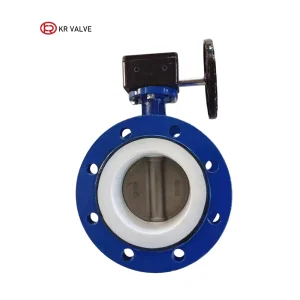
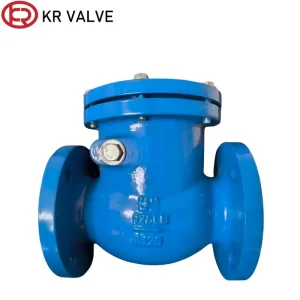
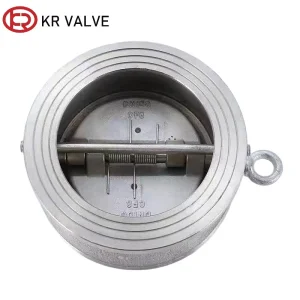
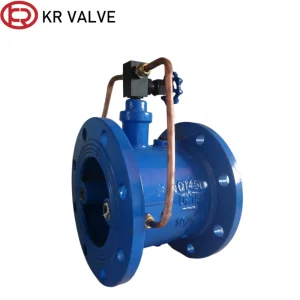
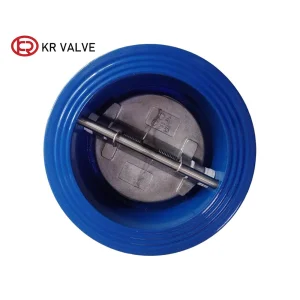
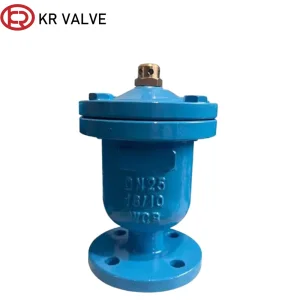
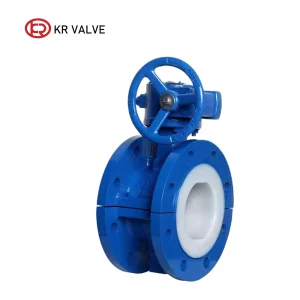
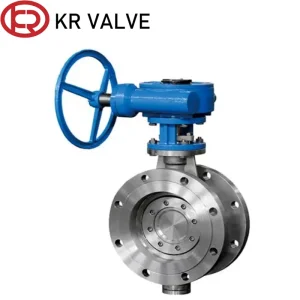
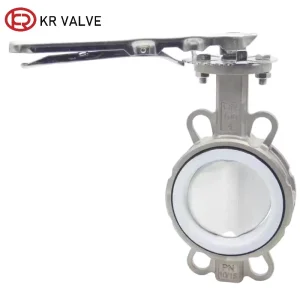
Explore our extended series of non-return check valves, PTFE-lined butterfly valves, and heavy-duty gate valves equipped for rigorous process automation.
Frequently Asked Questions (FAQ)
In-depth engineering answers regarding OEM aluminium handle customization, metallurgical standards, stem sizing, and order fulfillment.