
Featured High-Pressure Flow Control & Dissipation Valve Range
Explore our OEM-certified industrial valve series engineered for extreme hydraulic pressure heads, cavitation resistance, and precise regulation in heavy-duty municipal and hydro infrastructure applications.
1. Executive Engineering Overview: The Fixed Conical Valve Paradigm
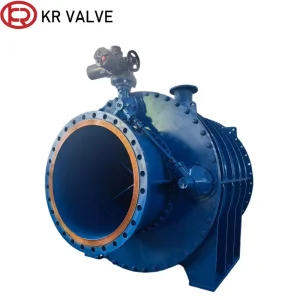
In hydraulic infrastructure, reservoir safety management, and dam discharge engineering, controlling high-velocity water streams under immense hydrostatic pressure head represents one of the most demanding fluid mechanics challenges. Uncontrolled discharge leads to intense kinetic energy destruction, scouring of downstream riverbeds, structural fatigue of spillway aprons, and severe destructive acoustic vibration. The Fixed Conical Energy Dissipation Valve (commonly known in hydraulic engineering as the Howell-Bunger Valve or Sleeve Discharge Valve) has established itself as the ultimate terminal flow control mechanism to mitigate these destruction mechanisms.
Engineered to discharge fluid into atmospheric space or submerged discharge basins in a expanding hollow-cone pattern, the fixed conical valve splits the high-energy water column into fine spray sheets. This process maximizes the surface area contact between water and ambient air, effectively breaking down up to 90% of the fluid's kinetic energy before the stream reaches the downstream receiving channel. Operating as terminal control infrastructure in dam bottom outlets, ecological release conduits, turbine bypass circuits, and municipal water supply reservoirs, these assemblies safeguard multimillion-dollar civil installations.
2. Mechanics, Fluid Dynamics & Cavitation Prevention Architecture
To understand why tier-1 hydraulic engineering projects specify OEM fixed conical valves, one must examine the internal fluid dynamics and physical actuation mechanics. The valve assembly primarily consists of five core structural components: a stationary conical body with radial guide ribs, a sliding cylindrical outer sleeve, an actuation mechanism (twin hydraulic cylinders or synchronized mechanical screw jacks), a high-durability resilient/metal sealing interface, and an optional discharge hood (jet disperser or discharge chamber).
The central stationary cone redirects incoming axial pipe flow into a $90^\circ$ radial sheet. The internal rib structure is hydrodynamically shaped via Computational Fluid Dynamics (CFD) modeling to eliminate internal turbulence eddies and pressure drops.
Instead of a rotating disc, stroke control is executed by modulating an external stainless-steel sleeve linearly over the cone apex. This ensures linear flow characteristic ($Q \propto \text{stroke}$), rendering precise discharge regulation across 10% to 100% opening.
High differential pressure creates local fluid velocity surges where static pressure drops below water vapor pressure ($P_v$). Modern OEM factories integrate anti-cavitation air-admission slots that supply air into the cone interior, elevating local pressure above $P_v$.
Hydro-Engineered Sealing Integrity Under High Head
A primary vulnerability in substandard conical valves is seat erosion during micro-opening strokes. Leading OEM China suppliers utilize a dual-stage sealing strategy: a primary metallic wedge seat crafted from nickel-base alloy or bronze, combined with a secondary resilient seal ring (EPDM / Polyurethane / Viton) clamped behind the stainless steel sleeve edge. When the valve achieves full closure, hydraulic back-pressure energizes the elastomeric ring against the body body, delivering zero-leakage shutoff complying with ANSI/FCI 70-2 Class VI and ISO 5208 Rate A standards.
3. Industrial Technical Comparison Matrix
Selecting the correct terminal flow control valve requires matching hydraulic conditions with mechanical performance attributes. Below is an engineering evaluation comparing Fixed Conical Energy Dissipation Valves against alternative high-head flow control solutions.
| Valve Type | Energy Dissipation Ratio | Cavitation Risk | Discharge Coeff. ($C_d$) | Actuation Drive Force | Optimal Application Duty |
|---|---|---|---|---|---|
| Fixed Conical Valve (Unhooded) | 80% – 90% (Maximum) | Extremely Low (Air Entrained) | 0.82 – 0.86 | Low-Medium (Balanced Sleeve) | Free Air Terminal Reservoir Discharge |
| Fixed Conical Valve (Hooded) | 65% – 75% (Concentrated) | Low (Ventilated Hood) | 0.75 – 0.80 | Low-Medium (Balanced Sleeve) | Confined Plunge Basin & Conduit Outfall |
| Needle / Plunger Valve | 40% – 60% (Moderate) | Medium (Requires Trim) | 0.50 – 0.65 | High (Internal Piston Drag) | In-line Pressure Regulation & Pipeline Duty |
| Double Eccentric Butterfly Valve | 15% – 25% (Minimal) | High under Throttling | 0.68 – 0.75 | High Dynamic Torque | In-line Isolation (On/Off Service Only) |
| Submerged Jet Disperser Gate | 50% – 70% (Submerged) | High without Aeration | 0.60 – 0.70 | Very High (Hydraulic Hoist) | Deep Sluice Outlet Control |
4. Field Application Scenarios & Engineering Implementations
Fixed conical energy dissipation valves are customized according to regional hydraulic topographies, environmental regulations, and civil structure geometries. Below are the primary deployment scenarios where OEM factories provide specialized valve configurations.
In high-head dams, bottom discharge outlets clear sediment buildup and dump reservoir water quickly during high-flood emergencies. Fixed conical valves installed at the conduit terminal discharge the water column into the air as a hollow cone spray. The fine atomization dissipates kinetic energy safely over a broad riverbed surface, preventing catastrophic concrete erosion at the dam toe.
During sudden load rejections (electrical grid trips), hydro turbines shut off penstock flow within seconds. To prevent water hammer shockwaves from rupturing high-pressure penstocks, an automated fixed conical bypass valve opens synchronously. It bypasses full design discharge directly into the tailrace, maintaining continuous hydraulic velocity while dissipating excess head pressure safely.
Environmental protection laws require dams to release constant "ecological minimum flows" to sustain downstream aquatic habitats. Because these releases run continuously under varying seasonal reservoir heads, standard gate valves suffer severe seat erosion. Fixed conical valves with stainless steel sleeve trims deliver fine step-less flow regulation with minimal wear.
Water treatment utilities sourcing raw water from mountain reservoirs use conical valves at break-pressure tanks or intake towers. Equipped with jet-guiding discharge hoods, these valves drop pressure from several hundred meters of water column down to atmospheric pressure before water enters filtration channels, preventing structural damage to municipal treatment units.
5. OEM China Supply Chain Ecosystem, Manufacturing Precision & Efficiency
China's heavy industrial valve manufacturing sector—centered in strategic industrial hubs such as Tianjin, Zhejiang, and Jiangsu—offers unmatched capabilities for large-scale fixed conical energy dissipation valve production. Procurement managers and EPC contractors globally leverage Chinese OEM suppliers for distinct technical and economic reasons:
Fabricating fixed conical valves exceeding DN2000 demands massive vertical turning mills (VTLs), 5-axis heavy CNC gantry centers, and specialized sleeve slotting machinery. Chinese factory clusters maintain dedicated foundries capable of pouring single-cast bodies weighing over 35 metric tons in Ductile Iron GGG40/50, WCB, or Duplex Stainless Steel.
Leading OEM factories execute rigorous quality control protocols: 100% Ultrasonic Testing (UT) and Magnetic Particle Inspection (MT) on cast bodies, X-ray Non-Destructive Testing (RT) on weld seams, High-Pressure Hydrostatic Shell Testing up to 1.5x working pressure, and dynamic sleeve stroke tests prior to export shipment.
By integrating raw material casting, precision machining, rubber seat vulcanization, surface epoxy coating (AWWA C550), and actuation testing within a localized 50-kilometer industrial radius, Chinese manufacturers reduce lead times by 30% to 50% while offering unmatched total cost efficiency.
6. Technological Roadmap & Next-Gen Smart Dissipation Solutions (2026–2035)
The next decade of hydraulic valve design focuses on digitizing flow control and enhancing material longevity under severe abrasive conditions. Modern R&D divisions within Chinese OEM factories are advancing several engineering breakthroughs:
Sensors installed along the internal ribs of the conical valve measure high-frequency acoustic emissions and micro-vibrations generated by collapsing vapor bubbles. This data feeds into smart PLC controllers, automatically modulating the aeration bypass valves to inject supplementary air before cavitation erosion can damage metal surfaces.
Reservoirs in glacial or mountainous regions transport heavy loads of abrasive silt and granite sand. Modern conical valves incorporate High-Velocity Oxygen-Fuel (HVOF) thermal spray tungsten-carbide or ceramic cladding onto the cone lip and sleeve guide tracks, increasing wear resistance by over 400% compared to standard stainless steel facing.
7. Global Quality Standards & Engineering Compliance
OEM suppliers design and manufacture fixed conical energy dissipation valves in strict conformity with international waterworks and heavy engineering standards. Full compliance ensures seamless field drop-in replacement and acceptance by international EPC consultants:
• DIN EN 1092-1 / BS4504: Flange Connections PN6, PN10, PN16, PN25, PN40
• ISO 5208 / EN 12266-1: Pressure Testing of Metallic Valves (Zero-Leakage Rate A)
• AWWA C550: Protective Epoxy Interior Coating for Potable & Raw Water Service
• CE PED 2014/68/EU: European Pressure Equipment Directive Compliance
Complementary High-Performance Valve Inventory
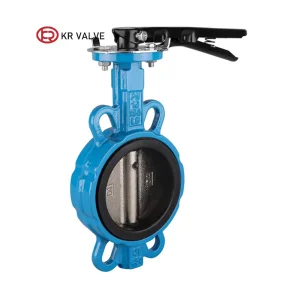
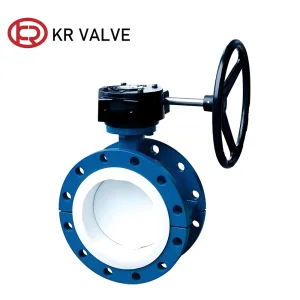
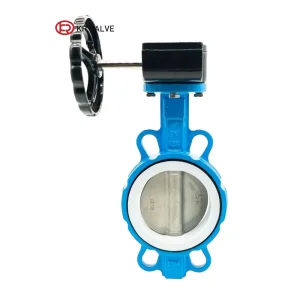
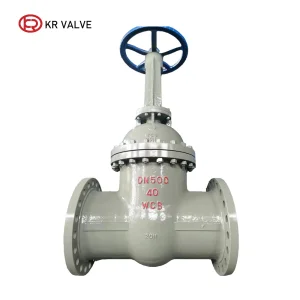
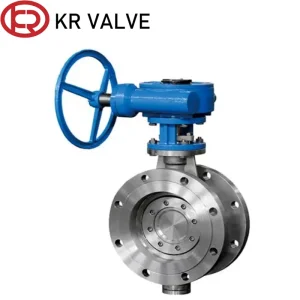
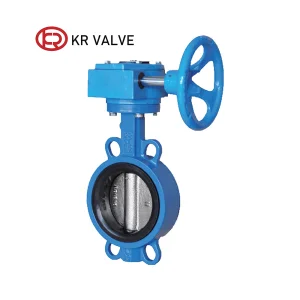
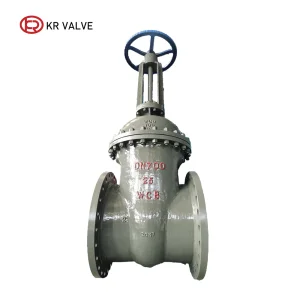
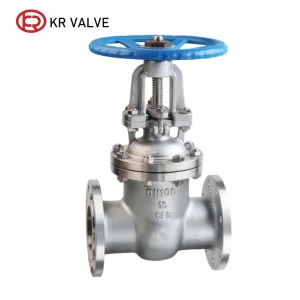
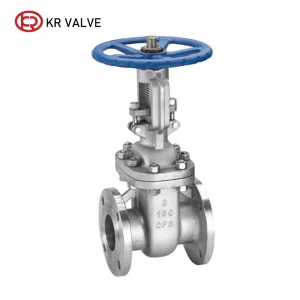
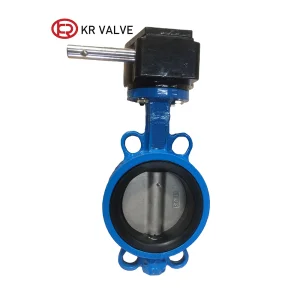
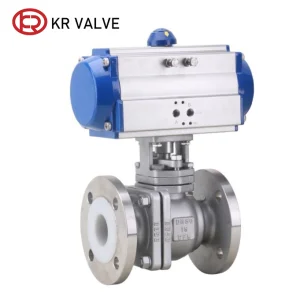
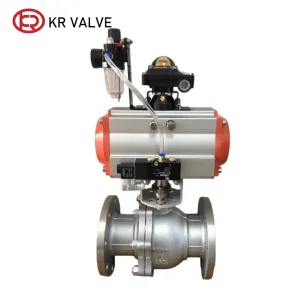
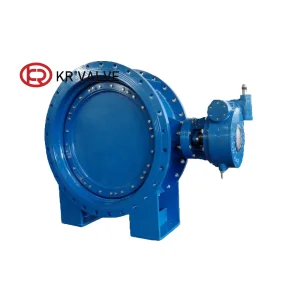
Browse our extended product lineup including heavy-duty cast steel gate valves, PTFE lined corrosion-resistant ball valves, and high-pressure butterfly valve systems ready for customized OEM/ODM projects.
8. Comprehensive Engineering FAQ (Frequently Asked Questions)
Detailed responses to common procurement and engineering inquiries regarding Fixed Conical Energy Dissipation Valve specification, operation, and factory customization.