
High-Performance OEM Valve Portfolio (Part 1)
Engineered to international standards including API, DIN, BS, and ANSI for critical fluid isolation and control applications.
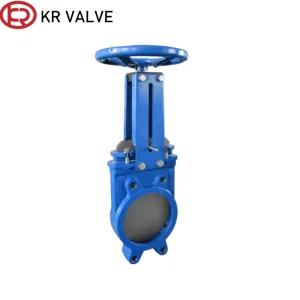
Custom Ductile Iron Wafer Knife Gate Valve PN16 - China Suppliers & Factory for Sewage, Slurry, and Powder Pipelines
View Product Specs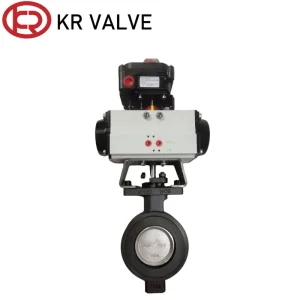
OEM Pneumatic Triple offset high performance Butterfly Valve With Positioner Manufacturer, Factory
View Product Specs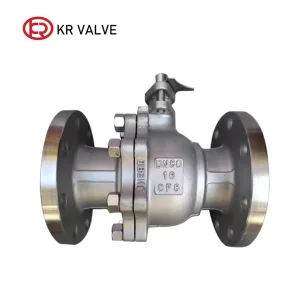
Wholesale Flange Stainless Steel Mounted Ball Valve 4 Inch Handle Manufacturer, Factories
View Product Specs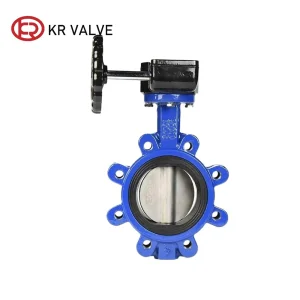
OEM China Suppliers Factory Concentric Resilient Lug Butterfly Valve with EPDM Seal - DN40-DN600, PN6/PN10/PN16
View Product Specs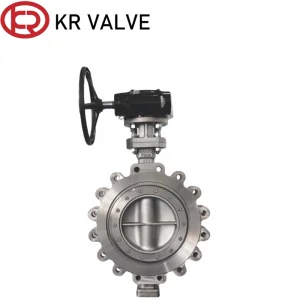
OEM Three eccentric butterfly valve metal to metal lug type Suppliers, Manufacturers
View Product Specs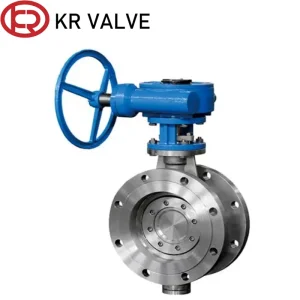
Wholesale Triple Eccentric Metal Seat Butterfly Valve - China Suppliers for High-Pressure Applications
View Product Specs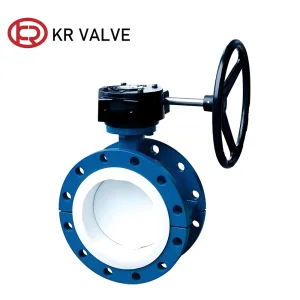
Wholesale China Ductile Iron Split Body Full PTFE Butterfly Valve Suppliers | Factory Direct Sales
View Product Specs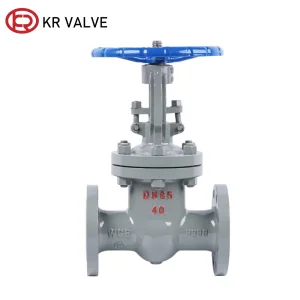
OEM WCB sluice valve ANSI150LB high temperature industrial valve Supplier, Factory
View Product SpecsGlobal Commercial & Industrial Status of Stainless Gate Valves
In the contemporary global process infrastructure, stainless gate valves serve as the indispensable backbone for bidirectional linear flow isolation. Unlike quarter-turn ball or butterfly valves, gate valves provide an unobstructed, straight-through flow pathway, resulting in negligible friction loss, minimal pressure drop, and optimal flow dynamics for viscous or abrasive media. As industrial processes push toward higher operating pressures, extreme cryogenic temperatures, and highly corrosive chemical matrixes, the global market demand for premium OEM stainless gate valves has experienced unprecedented expansion.
From a macroeconomic perspective, the global market for stainless steel industrial valves is projected to exceed USD 14.5 Billion by 2030, driven predominantly by rapid infrastructure expansion in green energy, hydrogen transport, reverse-osmosis desalination, and offshore LNG liquefaction terminals. Sourcing directors and engineering, procurement, and construction (EPC) contractors are increasingly shifting their focus from standardized off-the-shelf valves toward customized OEM solutions manufactured by high-precision foundry facilities in specialized industrial hubs like Tianjin, China.
Key Engineering Gain: Premium OEM stainless gate valve manufacturing requires stringent control over grain boundaries, ferrite-content optimization, and wall-thickness compliance per ASME B16.34 and API 600 standards. Ensuring zero fugitive emission and zero seat leakage under thermal cycling is the primary metric evaluating modern OEM suppliers.
Metallurgical Grade Selection & Chemical Composition Benchmarks
Choosing the correct alloy matrix is critical to ensuring operational integrity and preventing catastrophic chloride stress corrosion cracking (SCC), pitting, or crevice corrosion in harsh operating environments. OEM stainless gate valve suppliers utilize high-purity casting (CF8, CF8M, CF3M) and forging (F304, F316, F316L, Duplex 2205) techniques tailored to specific chemical exposure profiles:
| ASTM Casting Grade | Wrought Equivalent | PREN Rating | Primary Industrial Applications | Corrosion & Temperature Limits |
|---|---|---|---|---|
| CF8 (SS304) | AISI 304 / F304 | 18.0 - 20.0 | Potable water, HVAC, food processing, light chemical handling. | -196°C to +425°C; susceptible to chloride pitting in marine environments. |
| CF8M (SS316) | AISI 316 / F316 | 23.0 - 25.5 | Offshore oil & gas, seawater treatment, pharmaceutical, acidic chemical lines. | -196°C to +650°C; enhanced resistance to sulfuric and acetic acid media. |
| CF3M (SS316L) | AISI 316L / F316L | 23.0 - 25.5 | Ultra-pure water, high-intergranular corrosion environments, weld-heavy systems. | Low carbon content (<0.03%) eliminates carbide precipitation during welding. |
| CK3MCuN (254 SMO) | UNS S31254 | > 42.0 | Flue gas desulfurization (FGD), high-salinity desalination, pulp & paper bleaching. | Resists severe crevice corrosion and pitting under extreme chloride loads. |
| CD4MCu (Duplex 2205) | UNS S31803 / F51 | 34.0 - 38.0 | High-pressure slurry pipelines, subsea oil extraction, phosphoric acid production. | Double the yield strength of austenitic grades; exceptional erosion-corrosion resistance. |
Technical Roadmap, Innovation & Future Outlook
The valve manufacturing paradigm is undergoing a digital and structural transformation to meet environmental net-zero mandates and autonomous plant operations.
ISO 15848-1 Fugitive Emission Sealing
Modern process engineering requires strict control of VOCs and hazardous gases. OEM manufacturers deploy live-loaded packing sets with engineered graphite ring assemblies and Belleville spring washers to maintain constant packing stress across wide thermal cycles.
Additive Manufacturing & FEA Wedge Optimization
Utilizing Finite Element Analysis (FEA) and 3D computational fluid dynamics (CFD), gate wedges are engineered to minimize stress concentration points while maximizing structural rigidity. Laser Cladding with Stellite 6 alloy ensures seat hardness up to HRC 45-50 for extreme wear environments.
Smart IoT Actuation & Digital Twin Integration
Next-gen gate valves incorporate position feedback sensors, wireless acoustic leak detectors, and torque monitors. Integrating digital twins enables predictive maintenance schedules, avoiding unplanned shutdowns in remote pipeline stations.
Macro-Industry Solutions & Engineered Application Scenarios
Custom OEM stainless steel gate valves are not one-size-fits-all components; they are tailored engineered solutions designed to overcome localized stress dynamics, chemical aggressiveness, and extreme pressure differentials across diverse industrial sectors.
1. Seawater Desalination & Marine Systems
In SWRO (Seawater Reverse Osmosis) plants, high-salinity brines under pressures reaching 70–80 bar quickly degrade standard carbon steel or 304 stainless valves. OEM suppliers utilize Duplex 2205 or Super Duplex 2507 gate valves equipped with rubber-encapsulated wedges or solid alloy trim to guarantee zero-leakage performance and resist crevice corrosion inside the seat cavities.
2. Petrochemical & Sour Gas (NACE MR0175)
Processing sour crude oil exposes valve internals to hydrogen sulfide (H2S) cracking and wet H2S stress corrosion. OEM gate valves manufactured for sour service comply with NACE MR0175/ISO 15156, featuring controlled hardness levels (< 22 HRC), solution-annealed stainless bodies, and full material traceability via EN 10204 3.1 certification.
3. Cryogenic LNG & Green Hydrogen Transport
Handling liquified natural gas (LNG) at -161°C or liquid hydrogen at -253°C requires extended bonnet gate valves. The extended bonnet creates an insulating gas column that keeps the stem packing away from the cryogenic fluid, preventing stem freezing and ensuring dynamic seal flexibility.
OEM Manufacturing Quality Inspection & Testing Protocol
To ensure high trustworthiness and compliance with global engineering standards (such as API 598, ASME B16.34, ISO 5208, and EN 12266-1), reputable OEM stainless gate valve manufacturers enforce a multi-tier quality control architecture throughout production:
| Inspection Stage | Test Type & Methodology | Acceptance Criteria & Standard | Technical Objective |
|---|---|---|---|
| Raw Material Verification | Positive Material Identification (PMI) Spectrometry & Spectrochemical Analysis | ASTM A351 / ASTM A182 Material Specifications | Prevents grade mixing; verifies exact Cr, Ni, Mo percentage before casting/machining. |
| Non-Destructive Testing (NDT) | Radiographic Testing (RT), Ultrasonic (UT), Liquid Penetrant (PT) | ASME B16.34 Annex B / MSS SP-55 | Detects internal porosity, slag inclusions, shrinkage cavities, and micro-cracks. |
| Hydrostatic Shell Test | Water pressure applied to closed valve body at 1.5x PN / Class Rating | API 598 / ISO 5208 (Zero Structural Leakage) | Validates pressure-containing wall integrity and casting soundness. |
| High-Pressure Seat Leak Test | Bidirectional fluid pressure applied across closed gate wedge (1.1x Rating) | API 598 / ISO 5208 Rate A (Zero visible drop) | Verifies precision machining of wedge tapers and seat ring sealing faces. |
| Low-Pressure Air Seat Test | Pneumatic pressure (6 bar) applied under water submerged tank | API 598 / EN 12266-1 | Identifies micro-gaps or surface defects unnoticeable during liquid hydro-testing. |
Comprehensive OEM Stainless Gate Valve FAQ
Expert engineering answers addressing technical procurement, installation, and material selection inquiries.
High-Performance OEM Valve Portfolio (Part 2)
Explore our specialized range of check valves, strainers, and resilient butterfly valves engineered for global industrial buyers.
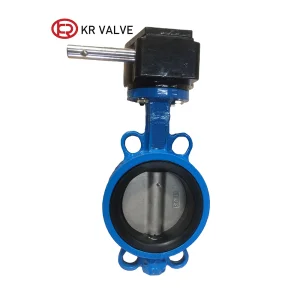
Custom China Suppliers GGG40 Cast Iron Wafer Butterfly Valve with Gearbox - Factory Direct, DN40-DN600
View Product Specs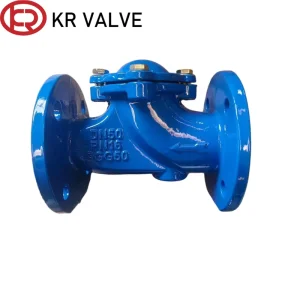
OEM Ball check valve flange connection EPDM ball non return valve Manufacturer, Factories
View Product Specs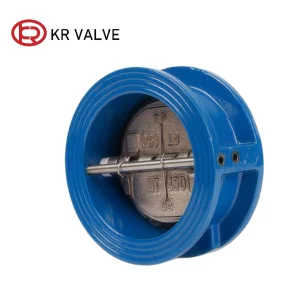
Wholesale Dual Plate Wafer Lug Check Valve 4 Inch Supplier, Manufacturers
View Product Specs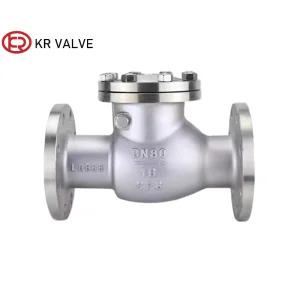
Custom China API Standard Stainless Steel Swing Check Valve Suppliers - H44W-150LB Factory Size DN40-DN700
View Product Specs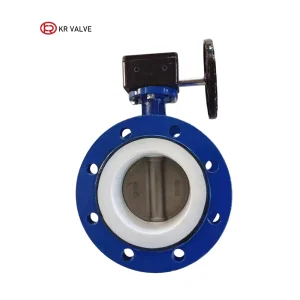
Custom RPTFE seal concentric flange butterfly valve gear box operation Factories, Factory
View Product Specs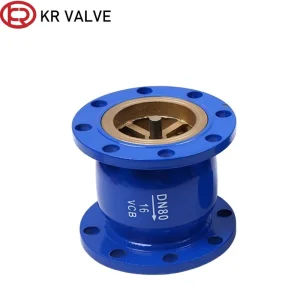
Wholesale WCB Silent One Way Valve PN25 - High Pressure Carbon Steel Check Valve from China Suppliers
View Product Specs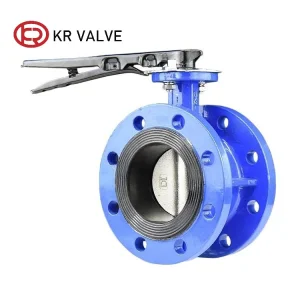
Custom Double Flange Butterfly Valve EPDM Seat Manufacturers, Manufacturer
View Product Specs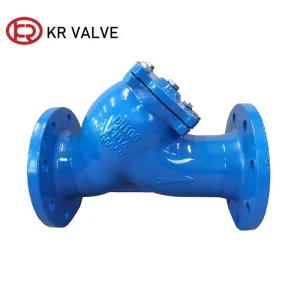
Custom China GG25 Cast Iron Y Strainer Flanged Connection - OEM & ODM Suppliers Factory
View Product SpecsPartner with Premier OEM Valve Engineers
Need custom dimensions, specialized alloy trims (Duplex/SS316L), or project-specific CAD blueprints? Contact our engineering team for immediate technical consultation and factory-direct RFQ pricing.