
Featured Industrial OEM Valve Products
Explore our top-tier flow control components engineered strictly to DIN, BS, ANSI, and ISO standards for demanding industrial applications.
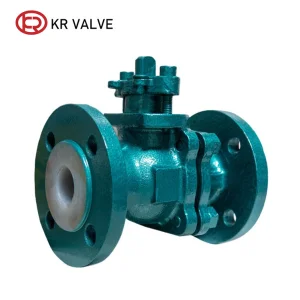
Wholesale Full PTFE Lined Ball Valve Steel Material Body Suppliers, Manufacturer
View Product Details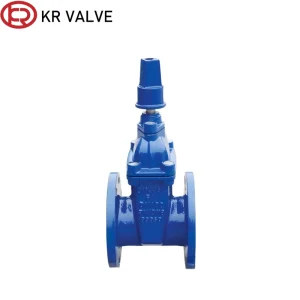
Wholesale Underground gate valve ductile iron body and EPDM Seat Suppliers, Manufacturers
View Product Details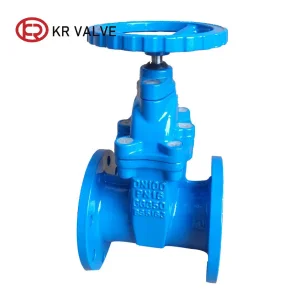
Custom China BS5163 Resilient Seated Gate Valve with Brass Stem Nut - Trusted Suppliers & Factory
View Product Details
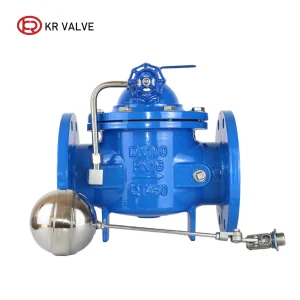
Custom China 100X Hydraulic Control Diaphragm Remote Float Valve Ball 2-8 PN16/PN25
View Product Details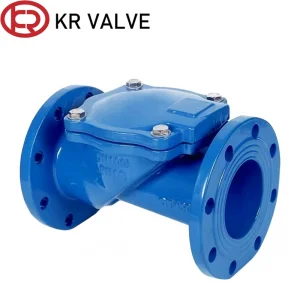
Custom Ductile iron ball type non return valve DIN standard Suppliers, Manufacturer
View Product Details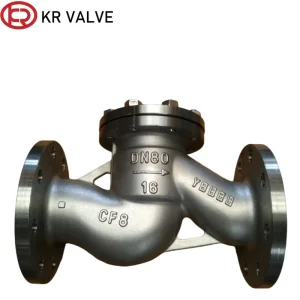
The Strategic Role of OEM Valve Manufacturing in Modern Flow Systems
Understanding global supply chain dynamics, metallurgical advancements, and total cost of ownership in high-stakes fluid transportation infrastructure.
Global Industrial Landscape & Supply Chain Resilience
The global industrial valve market is accelerating toward high-efficiency, corrosion-resistant, and automated fluid control solutions. Valued at over $85 Billion, modern mega-projects—ranging from municipal smart water distribution systems to desalination networks and petrochemical transport—demand unprecedented reliability.
Navigating global supply chain volatility requires EPC contractors and valve distributors to establish direct OEM (Original Equipment Manufacturer) partnerships. Sourcing directly from certified Chinese manufacturing hubs like Tianjin allows engineering teams to secure customized valve dimensions, strict material traceabilities (EN 10204 3.1 MTRs), and significant capital expenditure savings without compromising operational safety.
Information Gain: OEM Engineering vs. Commodity Valves
Standard commodity valves bought off-the-shelf frequently suffer from premature seat degradation, stem friction binding, and body casting porosity when subjected to harsh line media. OEM customized manufacturing fundamentally addresses these failure modes at the design phase:
- Tailored Metallurgical Formulations: Ductile Iron (GGG40/EN-GJS-400-15) for high tensile strength, WCB for high thermal tolerance, and CF8M for aggressive chemical media.
- Custom Elastomeric Vulcanization: Specially bonded EPDM seats for potable WRAS compliance or high-purity virgin PTFE linings for zero chemical reactivity.
- Optimized Hydrodynamic Geometry: FEA-analyzed disc and wedge profiles that minimize head loss coefficient (Kv/Cv), reducing annual pump energy consumption by up to 14%.
Industrial Flow Control Metallurgy & Mechanical Architecture
A comprehensive matrix evaluating material choices, seat sealing mechanisms, and international standard compliance.
| Valve Architecture Type | Body Material Options | Sealing Technology | Working Pressure & Temp | Primary Technical Advantage | Standards Compliance |
|---|---|---|---|---|---|
| Resilient Seated Gate Valve | Ductile Iron (GGG40 / GGG50) | EPDM Fully Vulcanized Wedge | PN10 / PN16 / PN25 -10°C to +80°C |
Full-bore zero flow obstruction; bubble-tight bi-directional sealing. | BS5163 / DIN F5 |
| Full PTFE Lined Ball Valve | Cast Steel (WCB) / SS304 | Virgin PTFE / PFA Lined Body & Ball | Class 150LB / PN16 -20°C to +180°C |
100% immune to concentrated acids, alkalis, and hyper-corrosive liquids. | API 608 / ASME B16.34 |
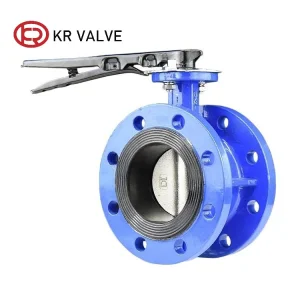
| Double Flange Butterfly Valve | Ductile Iron / Carbon Steel WCB | EPDM / NBR / PTFE / Stainless Surfacing | PN10 / PN16 / 150LB -20°C to +120°C |
Compact flange face-to-face; low operating torque; dead-end service capability. | ISO 5752 / EN 593 |
| Triple Eccentric Butterfly Valve | WCB / LCC / Stainless Steel CF8M | Metal-to-Metal Hard Seal (SS316 + Graphite) | 150LB / 300LB / PN40 -40°C to +425°C |
Frictionless 90° stroke; zero-leakage fire-safe performance in high-pressure steam. | API 609 / BS 6364 |
| Hydraulic Control Valve (100X/200X) | Ductile Iron GGG40 Body | Reinforced NBR/EPDM Diaphragm | PN10 / PN16 / PN25 0°C to +80°C |
Autonomous pilot-guided pressure reduction and remote liquid level control. | CJ/T 219 / EN 1074 |
| Dual Disc Wafer Check Valve | Ductile Iron / SS304 / SS316 | Resilient Rubber / Metal Seat + SS Spring | PN10 to PN40 / 150LB-300LB -20°C to +200°C |
Ultra-fast spring-assisted disc closure that eliminates destructive water hammer. | AWWA C594 / API 594 |
Advanced Elastomer & Polymer Chemistry
The longevity of resilient-seated gate and butterfly valves hinges on elastomeric molecular memory. OEM manufacturing utilizes high-grade EPDM compounds with over 45% polymer contents, resisting compression set under constant line pressures of 25 bar. For chemical media, fluoropolymer lining techniques melt-bond PTFE/PFA directly to cast steel shells, preventing vacuum collapse and thermal delamination.
Precision Machining & Stem Dynamics
Valve stems represent the primary mechanical shear boundary. Our factories execute CNC thread rolling on 2Cr13, Stainless Steel 304, 316, and Monel stems, achieving surface roughness below Ra 0.4 µm. Combined with cold-forged brass stem nuts, this reduces actuator break-out torque by 30%, permitting smaller electric or pneumatic operator sizing.
Zero-Defect Quality Testing Protocol
Before shipping, 100% of manufactured valves undergo rigorous hydrostatic shell and high-pressure seat testing in strict adherence to API 598 and ISO 5208. Shell tests are conducted at 1.5x nominal pressure (e.g., 24 bar for PN16 rating), while low-pressure pneumatic air tests verify zero-bubble seat sealing performance under severe environmental gradients.
Localized Application Scenarios & Infrastructure Engineering
Deploying engineered valve assemblies across critical urban, marine, industrial, and energy infrastructure projects worldwide.
1. Municipal Water Supply & Underground Mains
Buried municipal distribution networks require zero maintenance and high resistance to soil load deformation. Our BS5163 non-rising stem (NRS) resilient seated gate valves feature double O-ring stem seals and non-toxic internal Fusion Bonded Epoxy (FBE) coatings (min 250 µm thick). This prevents bio-film accumulation and tuberculation, maintaining pristine drinking water purity.
2. Desalination Plants & High-Salinity Marine Pipelines
Seawater Reverse Osmosis (SWRO) systems create aggressive chloride corrosion environments. OEM split-body full PTFE lined butterfly valves and Super Duplex (2507) disc dual-plate check valves provide absolute galvanic isolation. The chemical inertness of PTFE/PFA linings guarantees immunity to pitting corrosion up to 80°C under continuous high salinity.
3. Wastewater Treatment & Heavy Slurry Pumping
Untreated sewage and industrial sludge cause severe jamming in conventional check valves. Ductile iron ball-type non-return valves utilize a self-cleaning nitrile rubber (NBR) coated ball that rotates out of the flow stream during operation. This ensures an unobstructed full-port passageway, eliminating ragging and reducing head loss dramatically.
4. High-Rise Building HVAC & District Cooling Loops
Urban chiller plants require automated hydraulic regulation and high space efficiency. Installing 200X pressure reducing valves alongside compact wafer dual-disc check valves maintains steady downstream pressure under variable demand while shielding circulation pumps from backflow surges in multi-story closed water loops.
5. Petrochemical, Oil & Gas Fluid Management
Refinery steam systems and volatile hydrocarbon pipelines mandate fire-safe design. OEM rising-stem WCB gate valves and triple-eccentric metal-seated butterfly valves deliver bi-directional fire-tested seal integrity to API 607 standards, surviving extreme thermal shocks up to 425°C without stem blow-out or shell fracture.
6. Remote Water Storage Tanks & Reservoir Automation
Maintaining constant reservoir liquid levels without electrical power requires hydro-mechanical control. The 100X diaphragm remote float valve uses upstream pressure within a pilot loop to automatically modulate main valve opening and closing. This prevents tank overflow and eliminates water waste in rural distribution networks.
Localized Compliance, Audits & Field Support Assurance
Deploying valves across international jurisdictions demands strict alignment with regional regulatory frameworks, certifications, and technical field assistance.
- Comprehensive International Certifications: Full factory compliance with ISO 9001:2015, CE-PED (Pressure Equipment Directive 2014/68/EU), WRAS (UK Potable Water), DVGW (German Gas/Water), and API 609 / 6D.
- Material Traceability & Testing: Every batch is supplied with EN 10204 3.1 Material Test Reports (MTRs), including chemical spectrographic analysis, mechanical tensile tests, impact tests, and 100% NDT (Non-Destructive Testing) reports.
- Bespoke Branding & OEM Packaging: Full private labeling services, custom body logo casting, laser-engraved stainless steel nameplates, and sea-worthy VCI anti-corrosion vacuum packaging.
- Localized Technical Engineering Support: Direct access to senior application engineers for 2D CAD dimension approval, 3D STEP modeling, actuation torque calculations, and on-site commissioning guidance.
Factory Quality Assurance Checklist
Our 5-stage quality gate system guarantees zero field failures for global engineering projects:
Technology Roadmap: Smart Valves & Sustainable Infrastructure
Embracing digital twin integration, IoT telemetry, low-emission fugitive seals, and green hydrogen compatible metallurgy.
1. IoT-Integrated & Smart Actuated Valve Loops
Next-generation municipal water grids are replacing passive flow controls with smart telemetry-enabled valve packages. By embedding piezoresistive pressure sensors and low-power Modbus/LoRaWAN actuators directly onto 200X PRVs and triple eccentric butterfly valves, operators achieve real-time dynamic pressure regulation, detecting micro-leaks and reducing pipe burst risks by over 40%.
2. Zero Fugitive Emissions (ISO 15848-1 Class AH)
Environmental decarbonization mandates strict control over volatile organic compound (VOC) and gas leakage through valve stems. OEM research focuses on live-loaded graphite stem packings and Belleville washer combinations that satisfy ISO 15848-1 Class AH tightness, guaranteeing fugitive emissions below 10 PPM over 10,000 thermal stroke cycles.
3. Green Hydrogen & Ultra-Low Temp Cryogenics
As global energy transitions toward green hydrogen (H2) and LNG, fluid control equipment must endure extreme cryogenic conditions (-196°C) and hydrogen embrittlement. Advanced OEM casting foundries are introducing specialized Austenitic Stainless Steels (CF3M/316L) with extended bonnet designs, keeping packing glands isolated from sub-zero fluid temperatures.
Specialized Industrial OEM Valve Selection
Discover custom non-return, high-speed exhaust, split-body butterfly, and heavy-duty gate valve solutions.
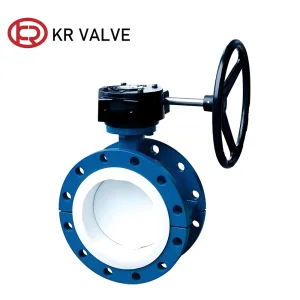
Wholesale China Ductile Iron Split Body Full PTFE Butterfly Valve Suppliers | Factory Direct Sales
View Product Details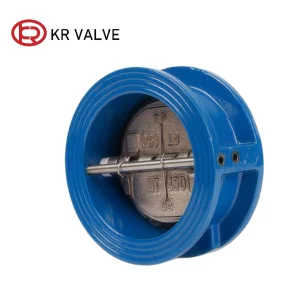
Custom 4 Inch Dual Plate Wafer Lug Check Valve - China Suppliers & Factory for High-Quality Components
View Product Details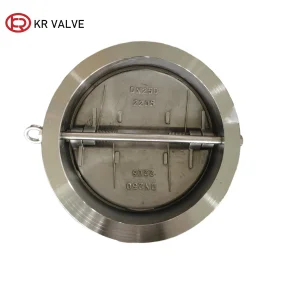
Wholesale Stainless Steel Wafer Dual Disc Check Valve AWWA C594 Supplier, Factory
View Product Details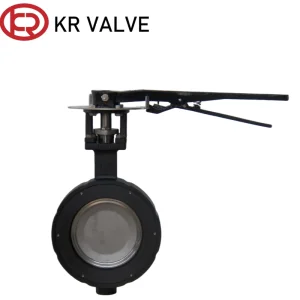
OEM Triple Eccentric Wafer Style Butterfly Valve WCB Material 150LB Manufacturer, Factories
View Product Details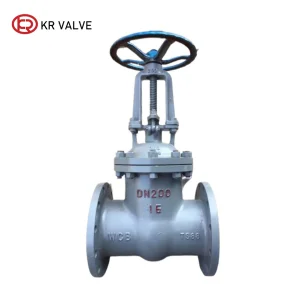
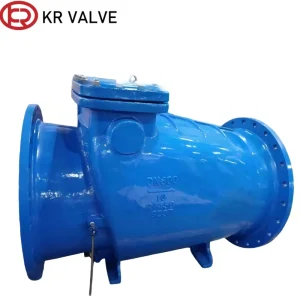
Wholesale Micro resistance slow closing check valve swing type tilting disc Supplier, Factories
View Product Details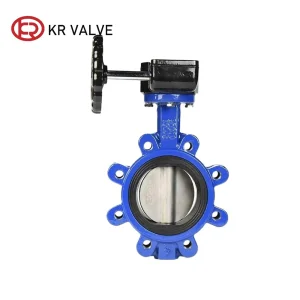
Custom China Lug Butterfly Valve with EPDM Seal - Concentric Resilient Seated DN40-DN600 Supplier
View Product DetailsFrequently Asked Questions (OEM Valve Procurement & Engineering)
Expert technical responses to common questions regarding valve selection, factory audits, custom material options, and international standards compliance.
What is the primary difference between Wafer, Lug, and Double Flanged Butterfly Valves?
Wafer butterfly valves are lightweight and clamped between pipe flanges using long through-bolts, offering the lowest installed cost for general HVAC and water lines. Lug butterfly valves feature threaded bolt lugs that permit dead-end pipe service and downstream line disassembly without draining the upstream system. Double Flanged butterfly valves provide full face-to-face flange bolting (ISO 5752 series 13/14), which is ideal for large-diameter municipal water mains (DN300-DN2000) where mechanical stability and high pressure ratings are required.
When should an engineer specify a Full PTFE Lined Ball Valve over a Stainless Steel Valve?
While Stainless Steel (CF8M/316) offers excellent resistance to general industrial liquids, concentrated acids (such as Hydrochloric, Nitric, and Sulfuric acid), moist Chlorine gas, and hyper-corrosive chemical media will cause rapid pitting and intergranular corrosion. Full PTFE or PFA lined ball valves encapsulate all wetted metallic body surfaces in virgin fluoropolymers, providing total chemical inertness up to 180°C at a fraction of the cost of exotic alloys like Titanium or Hastelloy.
How does a 100X Remote Float Valve function without external electrical power?
The 100X hydraulic control valve operates entirely on line fluid pressure. It consists of a main diaphragm valve and an external pilot loop connected to a float sensor inside the storage tank. When the water level drops, the float opens the pilot valve, venting pressure from the main valve control chamber and allowing line pressure to lift the main disc open. As the water reaches the maximum set point, the float closes the pilot, building pressure in the chamber to smoothly close the main valve tight.
What engineering standards govern BS5163 and DIN F5 Resilient Seated Gate Valves?
BS5163 is the British Standard specification for gate valves used predominantly in UK, Middle Eastern, and Commonwealth water systems, featuring specific stem design, gland packing, and flange dimensions. DIN 3202 F5 (EN 558-1 Series 15) defines the long face-to-face dimension standard widely specified across European municipal projects. Both standards mandate resilient EPDM vulcanized wedges for bubble-tight bi-directional isolation up to 25 bar.
How do Dual-Plate Wafer Check Valves prevent destructive Water Hammer?
Dual-plate wafer check valves utilize two spring-loaded semi-circular plates hinged around a central pin. When fluid flow stops, the internal torsional springs force the plates to close rapidly before reverse flow velocity can build up. This quick response time prevents fluid column slam, protecting pumps, flow meters, and pipe joints from destructive hydraulic pressure surges (water hammer).
What quality documentation is provided with OEM industrial valve orders?
All OEM orders are shipped with a comprehensive quality package, including EN 10204 3.1 Material Test Reports (MTRs) for body castings and stems, Hydrostatic Shell and Seat Pressure Test Certificates (API 598/ISO 5208), Coating Thickness Inspection Reports (FBE), NDT Ultrasonic/Radiographic Test Logs (for critical alloy castings), and Certificate of Origin documentation signed by QA directors.