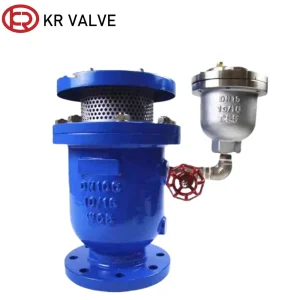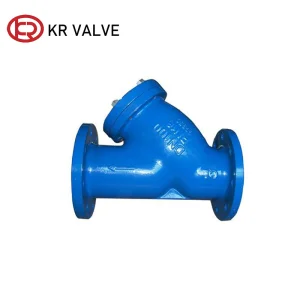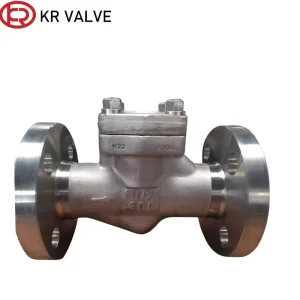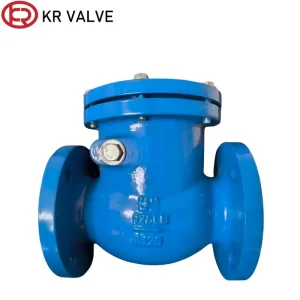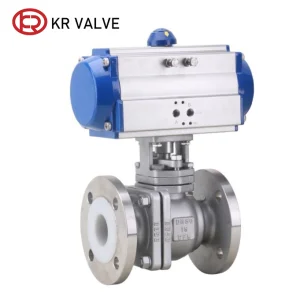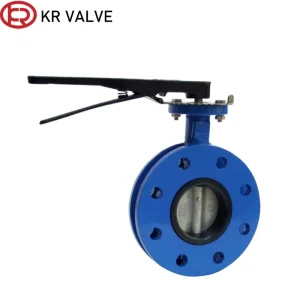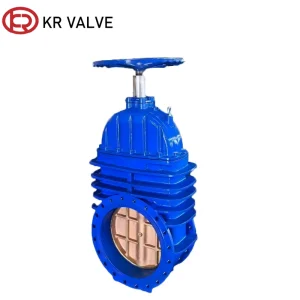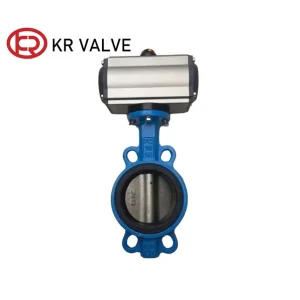
Explore our direct factory inventory of engineered valves and heavy-duty brass sealing elements built to ANSI, DIN, and BS standards for global pipeline infrastructure.
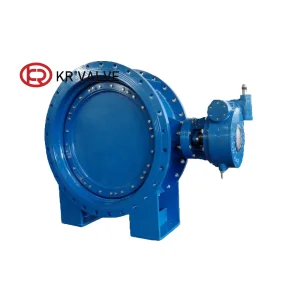
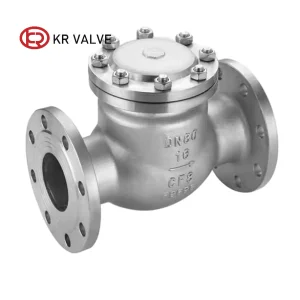
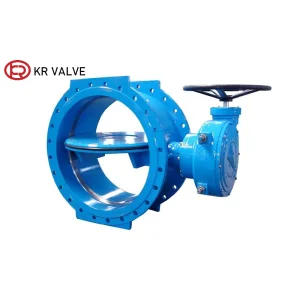
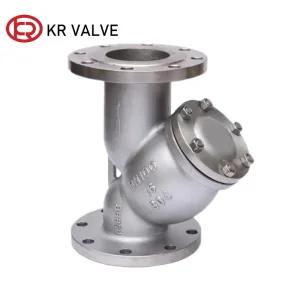
In global pipeline engineering, selecting the optimal sealing alloy determines operational lifespan, torque efficiency, and cavitation resistance. Wholesale brass seals suppliers and factories operate at the intersection of copper-zinc metallurgy, precision CNC machining, and tribological engineering. Unlike soft elastomeric seals (such as EPDM or NBR) that suffer from thermal degradation and compression set under high cycle counts, engineered brass seats provide structural rigidity, low co-efficient of friction against iron wedges, and superior galling resistance.
Modern industrial valve manufacturing utilizes specialized copper-zinc brass compositions engineered for hydrostatic endurance and environmental safety. Understanding the chemical microstructure of these alloys is fundamental for procurement engineers matching factory capabilities with project specifications:
The standard international alloy for hot-pressed brass valve seats and stem nuts. Offers exceptional hot-formability, uniform grain structure after pressing, and balanced tensile strength up to 440 MPa.
Specifically micro-alloyed with Arsenic (0.02-0.05% As) and thermal heat-treated. Essential for potable water systems, acidic sewage, and warm water lines prone to zinc leaching (dezincification corrosion).
Engineered to comply with stringent NSF/ANSI 61 and EU drinking water mandates. Replaces lead with silicon or bismuth, preserving micro-machinability while reducing lead content below 0.25%.
When standard brass (containing over 15% Zinc) is exposed to stagnant, oxygenated, or high-chloride water, a selective leaching process occurs. Zinc atoms are dissolved out of the solid solution alloy matrix, leaving behind a porous, mechanically weak copper framework. In gate valves or check valves, dezincification causes brass seat rings to crumble, crack, or leak under line pressure (PN10/PN16/150LB).
Top-tier Chinese brass seal factories mitigate this risk through precise metallurgical control: maintaining an alpha-phase brass matrix, controlling iron/lead impurities, and executing post-machining annealing at 500°C–550°C. This ensures zero dezincification depth when tested under ISO 6509 standard protocols.
For EPC contractors, international valve distributors, and municipal infrastructure procurement directors, sourcing brass sealing components and brass-seated valves involves balancing initial unit costs with total lifecycle reliability. A premature valve seat failure in a main sewerage trunk line or thermal power plant cooling loop can cause millions of dollars in downtime and environmental compliance fines.
Strategic procurement frameworks evaluate supplier proposals using a multi-dimensional matrix centered on metallurgical compliance, dimensional repeatability, and factory verification standards:
| Procurement Matrix Dimension | Technical Verification Benchmark | Operational Value & Risk Mitigation |
|---|---|---|
| Material Integrity & Traceability | EN 10204 3.1 Material Test Certificate (MTC), Optical Emission Spectrometry (OES) analysis | Eliminates sub-standard alloy substitution; ensures chemical composition matching standard brass grades (CW617N, C36000, CW602N). |
| Hydrostatic & Pneumatic Tightness | API 598, EN 12266-1 Rate A (soft seal) / Rate D (brass metal-to-metal seat) | Prevents seat bypass leaks under differential pressure; verifies structural shell integrity up to 1.5x nominal pressure rating. |
| Machining Geometry & Surface Finish | CNC Lapping to Ra 0.2–0.4 µm micro-finish, Coordinate Measuring Machine (CMM) verification | Minimizes actuation torque; ensures bubble-tight seating contact when gate wedge or swing disc engages the brass seat ring. |
| Supply Chain Lead Time Stability | In-house continuous casting, hot forging, multi-axis CNC machining, and automated assembly line integration | Guarantees predictable delivery schedules for large municipal projects; minimizes port-to-site logistical delays. |
Sourcing direct from verified wholesale brass seals factories in China reduces procurement expense by 25% to 40% compared to Western European stocking distributors. Furthermore, precision-machined brass seating elements in GGG40 swing check valves or metal-seated gate valves extend mean time between maintenance (MTBM) from 3 years to over 10 years, drastically lowering operational expenditure (OPEX).
China's fluid control manufacturing sector—centered around industrial hubs such as Tianjin, Zhejiang, and Jiangsu—delivers unmatched supply chain integration. The synergistic cluster of raw material refining, automated hot forging, precision CNC machining, and export logistics provides global buyers with distinct structural advantages:
Direct integration from copper cathode melting to precision gravity casting and multi-die hot forging. Eliminates intermediate vendor markups and guarantees homogenous alloy chemistry without micro-porosity.
High-speed CNC lathes and automated transfer lines deliver micro-inch precision on brass seating threads, sealing faces, and stem nut drive profiles—ensuring 100% component interchangeability.
Every batch undergoes X-Ray Fluorescence (XRF) alloy scanning, ultrasonic flaw detection, torque testing, and 100% hydrostatic testing before export packaging.
Strategic proximity to major deep-water ports (such as Tianjin Port) streamlines freight consolidation, container packing, and customs clearance for seamless global fulfillment.
Industrial fluid systems impose harsh mechanical and chemical stresses on valve internal components. Brass seals and brass seat ring inserts are engineered to perform under specific localized operational conditions across diverse global industries:
In municipal wastewater treatment plants, raw sewage carries suspended solids, grit, and organic acids. Wholesale Brass Seat GGG40 Swing Check Valves utilize heavy-duty brass seat rings pressed or threaded into resilient ductile iron bodies. The brass-to-rubber or brass-to-bronze sealing interface prevents grit embedding, ensuring non-slam backflow prevention and zero clogging during high-flow pump discharges.
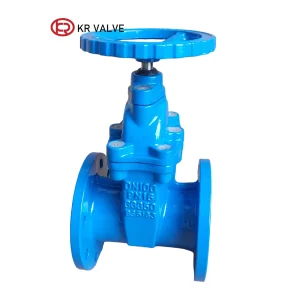
Commercial building HVAC networks and booster pump stations demand silent operation and leak-free isolation under continuous PN16/PN25 operating pressures. Non-Rising Stem (NRS) Gate Valves featuring lead-free DZR brass stem nuts and brass wedge seating surfaces maintain low operating torque over decades of service, eliminating friction binding and stem seizure.
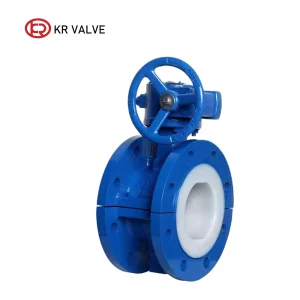
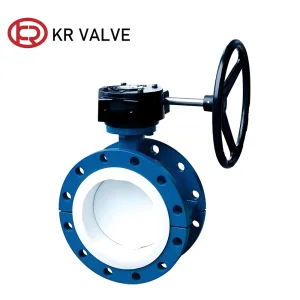
For aggressive chemical processing pipelines, WCB or Ductile Iron full PTFE-lined concentric butterfly valves incorporate brass-reinforced seal backing rings. This composite design provides structural elastomeric memory, preventing PTFE cold flow deformation under continuous high-temperature thermal cycling.
Exporting industrial valve sealing solutions globally requires adherence to international manufacturing standards and rigorous quality assurance certifications. Premier Chinese manufacturers operate under audited Quality Management Systems (QMS) compliant with worldwide engineering mandates:
- ISO 9001:2015 Certification: Comprehensive quality management covering design control, raw material receiving inspection, manufacturing process control, and final testing.
- CE-PED (2014/68/EU Directive): Full conformity with European Pressure Equipment Directive requirements for fluid pressure containment devices.
- WRAS & NSF/ANSI 61/372: Hygienic material approval certifying lead-free brass and elastomeric compounds safe for human drinking water contact.
- International Valve Face-to-Face & Flange Standards: Dimensional compliance with DIN EN 558-1, BS 5163, BS 5153, ASME B16.10, ANSI B16.5, and DIN EN 1092-2 (PN10/PN16/PN25/150LB).
To bridge global timezone and engineering gaps, leading factories provide localized project support services. This includes comprehensive 24-hour engineering response windows, 2D/3D CAD drawing submittals for tender approval, site installation guidance, and local warehousing/consignment options for high-volume OEM partners.
The industrial valve sealing sector is undergoing a profound technological transformation driven by global decarbonization goals, strict environmental lead limits, and smart infrastructure digitisation:
Global environmental legislation (such as the US Safe Drinking Water Act and EU Drinking Water Directive) is driving total phase-out of leaded brass alloys. Factories are scaling production of Silicon-Brass and Bismuth-Brass alloys that deliver high machinability without toxic lead additives.
Next-generation multi-axis automated lapping machinery achieves sub-micron surface smoothness (Ra < 0.15 µm) on brass valve seats. This drastically reduces operating torque requirement for electric and pneumatic actuators, enabling smaller, lower-power actuator sizing.
Integration of micro-piezoelectric sensors within brass seat matrices to measure localized friction, acoustic cavitation frequency, and wear rates—transmitting real-time telemetry to municipal SCADA systems for predictive maintenance.
Expert answers to standard technical, metallurgical, and supply chain queries raised by international project engineers and procurement managers.
Why are brass seat rings widely specified in ductile iron gate and swing check valves instead of stainless steel?
What is Dezincification Resistant (DZR) brass, and when is it mandatory for valve suppliers to use it?
How do Chinese wholesale brass seals factories guarantee zero-leakage compliance during bulk production?
What is the difference between brass metal-seated gate valves and soft-seated (EPDM/NBR) gate valves?
Can Chinese factories custom manufacture non-standard brass seals or special flange dimensions based on CAD drawings?
What material documentation should procurement managers request when importing brass valves from China?
How does temperature fluctuation affect brass valve seat sealing performance?
What are the standard lead times for bulk OEM orders of brass-seated valves from China factories?
Discover specialized pipeline valves, high-speed release air valves, and bronze/brass hard-sealed gate valves built for municipal, industrial, and heavy discharge pipelines.