
Explore our high-precision valve assemblies engineered to DIN, ANSI, and BS international benchmarks for heavy industrial applications.
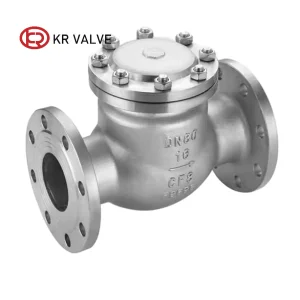
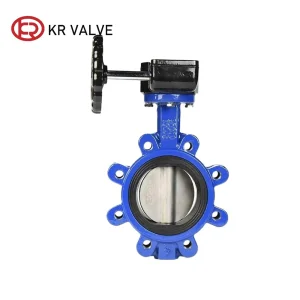
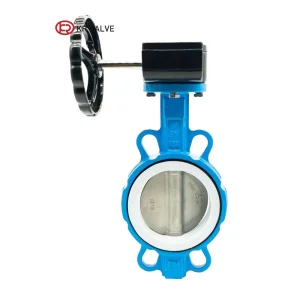
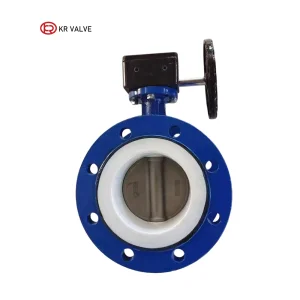
In high-pressure, thermal-cycling, and volatile industrial fluid networks, choosing the right wholesale carbon steel ball valve supplier is a critical engineering decision. Carbon steel remains the cornerstone material for demanding pipeline applications due to its superior tensile strength, fracture toughness, and cost efficiency compared to exotic alloys.
The global standard for mid-to-high temperature non-corrosive services. WCB carbon steel contains controlled carbon (0.30% max) and manganese (1.06% max) levels, ensuring exceptional weldability and ductile fracture energy across operating temperatures from -29°C to 425°C (-20°F to 800°F).
- Tensile Strength: 485 - 655 MPa
- Yield Point: ≥ 250 MPa
- Optimal for Oil, Gas, High-Pressure Water, Steam
Forged carbon steel ball valves eliminate internal casting porosity and micro-shrinkage defects. Specified for high-pressure small-bore lines (DN15 to DN50) or heavy-wall 3-piece trunnion valves. Forging aligns material grain structure along stress axes, boosting fatigue life under dynamic pressure pulsation.
- Dense Grain Structure via Hot Forging
- Hardness: HBW 137 - 187
- Meets NACE MR0175 Sour Gas Standards
Engineered specifically for sub-zero operating environments down to -46°C (-50°F). LCC steel undergoes strict Charpy V-Notch impact testing to guarantee impact energy absorption ≥ 20 J at low temperatures, making it essential for Arctic pipelines, LPG transport, and cold-climate refining applications.
- Impact Energy Tested at -46°C
- Prevents Low-Temperature Brittle Failure
- Compliant with Cryogenic Safety Codes
The global industrial valve market is undergoing a structural transition driven by energy expansion, infrastructure modernizations, and stringent environmental fugitive emission regulations.
In North America and Western Europe, aging pipeline infrastructure replacement, combined with shale gas midstream processing, has heightened demand for high-pressure, API 6D certified carbon steel ball valves. Energy companies prioritize suppliers who can offer certified fire-safe designs (API 607 / ISO 10497) and ultra-low leakage stem seals to comply with EPA and EU Green Deal methane reduction mandates.
Rapid industrialization across Southeast Asia and mega energy investments in the Middle East (GCC region) require cost-effective, bulk-manufactured carbon steel valves. Procurement managers in these regions require high-volume production capabilities, versatile flange drillings (ANSI B16.5, DIN EN 1092-1, JIS B2220), and rapid export dispatch to maintain aggressive project commission schedules.
Carbon steel ball valves serve as the primary isolation unit across diverse processing plants and utility grids. Below is an engineering matrix matching valve configurations with application requirements.
High-pressure oil transmission pipelines require full-port trunnion-mounted carbon steel ball valves (Class 300 to Class 1500). Full-bore construction allows smooth pigging operations (pipeline inspection gauges) without flow restriction.
- Trunnion Mounted Ball for Low Operating Torque
- Double Block and Bleed (DBB) Capability
- Emergency Sealant Injection Fitting
Hydrocarbon Hydrocracking
Refineries operating at elevated temperatures rely on heavy-duty WCB carbon steel body valves equipped with Stellite or Chromium Carbide hard-faced metal seats (Metal-to-Metal Sealing) to withstand abrasive catalyst particulates and severe thermal cycling.
- Metal Seated for Temperatures > 260°C
- Anti-Static Grounding Devices
- Blowout-Proof Stem Design
Steam lines in power stations demand robust shut-off against high-velocity superheated steam. Carbon steel valves with reinforced PTFE (RPTFE) or Peek seats provide zero-leakage tight shut-off, preventing thermal energy losses across steam traps and headers.
- Class IV and Class VI Bubble-Tight Shutoff
- ISO 5211 Direct Mounting Pad for Actuators
- High Thermal Fatigue Resistance
Sourcing wholesale carbon steel ball valves directly from established Chinese manufacturing hubs like Tianjin provides global contractors with significant strategic and economic advantages.
Tianjin hosts one of China’s premier industrial valve clusters, integrating steel foundries, CNC machining centers, rubber/PTFE seal molders, and automated testing labs within a 50 km radius. Proximity to Tianjin Port—one of the world's largest container shipping hubs—reduces inland logistics timelines and ocean freight staging costs.
By leveraging integrated raw material procurement, high-speed multi-axis CNC machining centers, and optimized labor efficiency, Chinese manufacturers deliver ASME/DIN-compliant carbon steel valves at 25% to 40% lower capital expenditure than European or North American counterparts without sacrificing material purity or pressure integrity.
Leading factories execute complete quality assurance protocols in compliance with ISO 9001 quality management systems. Every single carbon steel valve undergoes 100% shell hydrostatic pressure testing (1.5x nominal pressure) and seat pneumatic tightness testing (0.6 MPa air under water) prior to export packaging.
As global industries adopt digital automation and hydrogen energy blends, next-generation carbon steel ball valves are evolving rapidly.
Modern carbon steel ball valves are increasingly fitted with intelligent electric or pneumatic positioners featuring integrated HART, Modbus, or PROFIBUS communication protocols. Digital sensors monitor operating torque variations, stem displacement, and cycle counts in real time, enabling predictive maintenance that prevents unscheduled plant shutdowns.
To support the global hydrogen transition and net-zero goals, carbon steel valve stems are engineered with live-loaded packing glands (Belleville spring washers) and advanced PTFE/Graphite chevron seals. Specialized internal electroless nickel plating (ENP) or HVOF tungsten carbide coatings prevent hydrogen embrittlement and micro-fretting wear on ball surfaces.
Navigating international compliance requires rigorous alignment with global standards organizations. Wholesale procurement packages from top-tier suppliers come fully documented with EN 10204 3.1 material test certificates (MTC).
Pipeline and Refinery Ball Valve Design Standards
Fire-Safe Certified Pressure Testing Performance
European Pressure Equipment Directive Compliance
Fugitive Emission Stem Sealing Testing Class AH
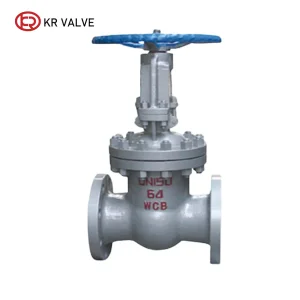
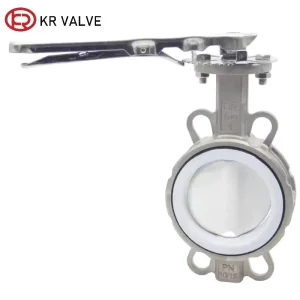
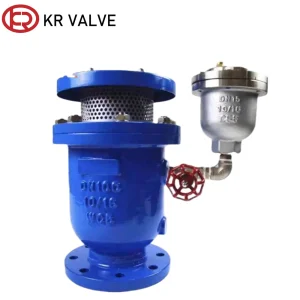
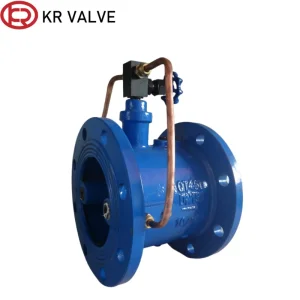
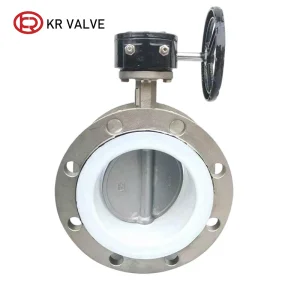
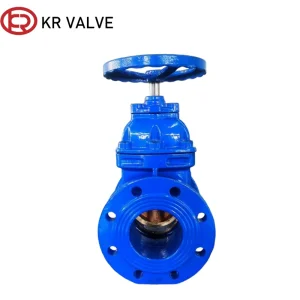
Browse our full range of gate, butterfly, strainers, and specialized exhaust valves for industrial pipeline integration.
Detailed answers to critical engineering, metallurgical, and commercial procurement queries regarding carbon steel ball valves.
- PTFE (Virgin Teflon): -29°C to 180°C; excellent chemical inertness and low friction coefficient.
- RPTFE (Glass/Carbon Filled PTFE): -29°C to 220°C; higher wear resistance and pressure stability.
- PEEK (Polyether Ether Ketone): -29°C to 260°C; exceptional strength under extreme pressure and high steam.
- Metal-to-Metal (Stellite / Chrome Carbide): -46°C to 450°C+; ultimate choice for severe abrasive slurries, hot cracking, and thermal fluids.