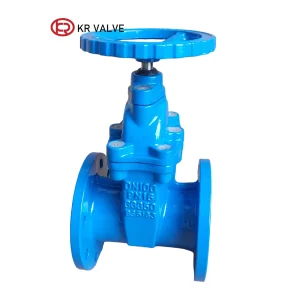
Featured Ductile Iron & Industrial Valve Series
Precision-manufactured flow control assets certified to international standards (DIN, BS, ANSI) for immediate OEM/ODM export.
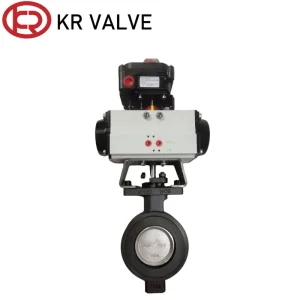
OEM Pneumatic Triple offset high performance Butterfly Valve With Positioner Manufacturer, Factory
View Technical Details →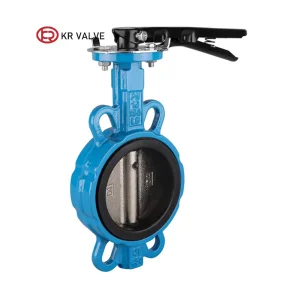
OEM China Suppliers Factory Wafer Butterfly Valve DN100 - Concentric Resilient Seated, PN6/PN10/PN16
View Technical Details →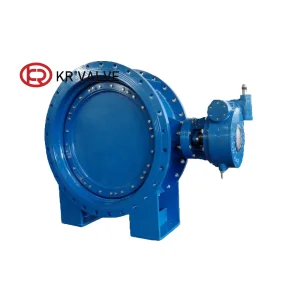
Wholesale Eccentric Butterfly Valve PN16 Soft Sealing - China Suppliers and Factory OEM ODM Solutions
View Technical Details →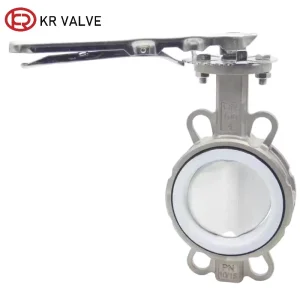
OEM China PTFE Lined Wafer Butterfly Valve with SS Body - Top Suppliers and Factory Solutions
View Technical Details →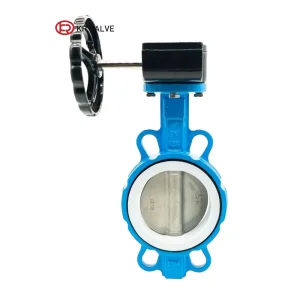
OEM China PTFE Seat Butterfly Valve Suppliers - D71X Series DN40-DN600 Factory Direct
View Technical Details →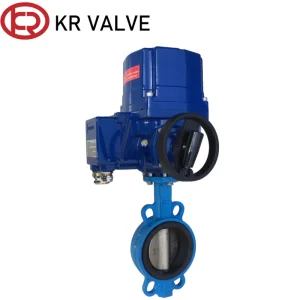
Wholesale Electric Actuated Butterfly Valve Wafer EPDM Seal Type Motorized Suppliers, Factory
View Technical Details →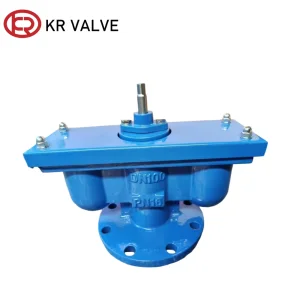
Custom Double Port Air Evacuation Valve - Automatic Release Air | China Suppliers and Factory Direct
View Technical Details →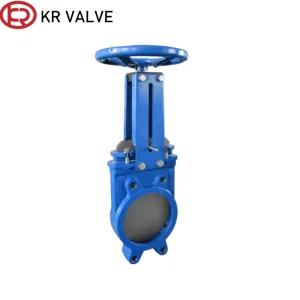
Wholesale Ductile Iron Wafer Knife Gate Valve PN16 - China Suppliers & Factory for Sewage & Slurry
View Technical Details →Ductile Iron (DI) Knife Gate Valves—engineered from spheroidal graphite iron grades such as EN-GJS-400-15 (GGG40) and EN-GJS-500-7 (GGG50)—represent the benchmark for heavy-duty slurry isolation, municipal wastewater processing, and dry bulk solids handling. This technical guide examines metallurgical advantages, seat shear dynamics, localized industrial applications, and how China's integrated foundry infrastructure provides global buyers with high-precision, MSS SP-81 compliant valve solutions at optimized total cost of ownership (TCO).
1. Metallurgical Blueprint: Ductile Iron (GGG40/GGG50) vs. Conventional Alloys
In high-viscosity, abrasive, and solids-laden piping environments, structural valve integrity is paramount. Standard gray cast iron (GG25) possesses graphite in flake form, creating internal stress risers that lead to brittle fractures under hydraulic shock or line stresses. Modern wholesale DI knife gate valve manufacturing relies exclusively on Ductile Iron (DI), where magnesium treatment converts graphite flakes into spherical nodules.
This microstructural shift delivers dramatic performance upgrades: tensile strength increases from 250 MPa to ≥400–500 MPa, while elongation capacity improves from less than 0.8% to 15%. When subjected to line pressure surges or thermal expansion, Ductile Iron bodies absorb mechanical energy without catastrophic failure.
Ductile Iron Body Integrity
Formulated with GGG40/GGG50 spheroidal iron, offering superior impact resistance, anti-cracking resilience, and burst pressures exceeding 4x nominal pressure ratings (PN10/PN16).
SS304/SS316 Stainless Blades
Precision ground and chamfered bevel edge gate blades cut through dense fibers, thick sludge, slurry, and scale without clogging or jamming the chest assembly.
Bi-Directional Resilient Sealing
Advanced elastomeric seats (EPDM, NBR, Viton) or reinforced PTFE liners molded with steel cores ensure zero-leakage drop-tight seal performance regardless of flow direction.
1.1 Engineering Comparison Table: Valve Body Metallurgies
The table below highlights key physical and mechanical parameters evaluated by EPC engineers when specifying knife gate valves for severe-duty industrial lines:
| Material Specification | Tensile Strength (MPa) | Yield Strength (MPa) | Elongation (%) | Impact Energy (J) | Solids Handling Suitability |
|---|---|---|---|---|---|
| Cast Iron (GG25 / EN-GJL-250) | 250 | N/A | < 0.8% | < 3 J | Low (Clean Media) |
| Ductile Iron (GGG40 / EN-GJS-400-15) | 400 | 250 | 15% | ≥ 18 J | Optimal (Slurry/Sludge) |
| Ductile Iron (GGG50 / EN-GJS-500-7) | 500 | 320 | 7% | ≥ 12 J | High Pressure (PN16+) |
| Carbon Steel (WCB / 1.0619) | 485 | 275 | 22% | ≥ 27 J | High Temp / Refining |
| Stainless Steel (CF8 / 304) | 485 | 205 | 35% | ≥ 60 J | Corrosive Chemicals |
2. Localized Heavy Industrial Application Scenarios
Wholesale DI knife gate valves engineered in modern Chinese OEM manufacturing hubs are deployed globally across severe process environments. The sharp, knife-like gate bevel combined with a narrow face-to-face wafer dimension minimizes valve weight while providing dependable shut-off capability in media containing high solid volume percentages.
Municipal Sewage & Sludge Digestion
Environment: Primary sludge, raw sewage, and activated digestate lines with 5% to 15% solids.
Solution: GGG40 Ductile Iron wafer knife gate valves fitted with EPDM perimeter seals and scraper packing gland assemblies prevent grit buildup and ensure zero atmospheric leakage.
Mining Tailings & Mineral Slurry
Environment: Copper, iron ore, and gold mining tailings with dense mineral abrasive slurries under continuous velocity.
Solution: Heavy-duty DI bodies with replaceable polyurethane (PU) or natural rubber sleeves that cushion particle impact and eliminate metal body erosion.
Pulp & Paper Mill Processing
Environment: Stock preparation, recycled pulp fiber suspensions, and black liquor lines.
Solution: Stainless steel gate blades (AISI 316) featuring V-notch or sheared bottom profiles cut cleanly through suspended cellulose fibers without packing stem channels.
Thermal Power Fly Ash Conveying
Environment: Dry pneumatic ash conveying and wet bottom ash disposal systems.
Solution: Hardened metal-to-metal seating (Stellite overlay or nitrided gate edges) integrated into ductile iron frames designed to withstand abrasive friction at elevated temperatures up to 250°C.
3. Technical Roadmap & Next-Generation Innovations (2025–2030)
The industrial flow control sector is experiencing a technological evolution toward digitalization, predictive maintenance, and low-emission sealing technology. Leading Ductile Iron knife gate valve factories are transforming baseline mechanical valves into smart, eco-friendly assets.
3.1 Key Engineering Innovations in Pipeline Control
- IoT-Integrated Smart Actuation: Integration of IO-Link and HART positioners on pneumatic and electric actuators allows real-time measurement of stroke travel, seat friction torque, and cycle counts—enabling predictive seat replacement prior to system shutdown.
- Self-Cleaning Scraper Glands: Dual-layer PTFE scraper rings combined with synthetic fiber packing prevent media ingress into the top yoke, doubling stem packing longevity in harsh outdoor mining installations.
- Anti-Corrosion Fusion Bonded Epoxy (FBE): Electrostatic application of non-toxic FBE coating (min 250 to 300 microns thickness) provides complete barrier protection against aggressive chemicals, soil corrosion, and atmospheric oxidation.
- Advanced Surface Nanocoatings: Diamond-Like Carbon (DLC) and Tungsten Carbide thermal spraying applied to gate surfaces reduce friction coefficients by 40%, dramatically lowering operational torque requirements for automated systems.
4. China Supply Chain Resilience & Wholesale Factory Efficiency
Global procurement teams increasingly partner with tier-1 Chinese valve manufacturers due to unrivaled supply chain integration, strict quality verification processes, and rapid scaling capabilities. Industrial hubs located in Tianjin, Zhejiang, and Jiangsu bring together raw material foundries, high-precision CNC machining centers, and testing laboratories within concentrated manufacturing clusters.
Foundry Scale & Cost Structure
In-house resin sand casting and automated mold production lines produce thousands of tons of GGG40/GGG50 ductile iron bodies monthly, lowering unit costs through raw material volume buying.
CNC Multi-Axis Precision Machining
Automated horizontal machining centers guarantee tight dimensional tolerances on face-to-face flange faces, stem guide channels, and seat ring recesses for repeatable assembly.
OEM/ODM Customization Flexibility
From custom face-to-face dimensions (MSS SP-81, DIN 3202-K1) to custom actuation interfaces (ISO 5211 top flanges), Chinese factories tailor designs to meet exact engineering project bids.
5. Global Industrial Landscape & Regulatory Compliance Framework
To serve international infrastructure and EPC developments in North America, Europe, the Middle East, and Latin America, wholesale DI knife gate valve manufacturing must satisfy stringent regional and international engineering standards.
5.1 International Governing Standards for Knife Gate Valves
- MSS SP-81: Stainless Steel, Bonnetless, Flanged Knife Gate Valves—governing pressure ratings, face-to-face dimensions, and shell test criteria.
- API 598: Valve Inspection and Testing—specifying hydrostatic shell test pressures (1.5x PN) and seat leakage allowances for liquid and gas testing.
- EN 1092-2 / DIN 2501: Ductile iron flange drilling dimensions matching PN6, PN10, and PN16 piping installations globally.
- AWWA C520: American Water Works Association standard covering knife gate valves for municipal water and wastewater utilities.
- ISO 5211: Universal top flange mounting pad standard enabling seamless mounting of pneumatic cylinders, electric actuators, and gear operators.
6. Factory Quality Control & Testing Protocol
Quality assurance for Ductile Iron knife gate valves requires strict inspection from liquid iron pouring to final export packaging. Leading export manufacturers execute comprehensive testing regimes before dispatching shipments.
- Spectrographic Material Analysis: Verification of iron melt charge chemistry ensuring carbon, silicon, and magnesium percentages conform to GGG40/GGG50 grade limits.
- Ultrasonic Wall Thickness Testing: NDT measurement confirming uniform valve body casting wall thickness across all pressure retention zones.
- Hydrostatic Body Testing: Shell pressure testing at 1.5x nominal pressure (e.g., 24 bar test for PN16 rating) maintained for a minimum of 60 to 180 seconds.
- Low-Pressure Air Seat Tightness Test: Pneumatic seat testing at 6 bar to verify zero bubble-tight leakage across resilient seats (EPDM/NBR/PTFE).
- Epoxy Spark Testing: High-voltage holiday detection testing verifying continuous FBE coating coverage free of pinholes or micro-cracks.
7. Frequently Asked Engineering & Procurement Questions (FAQ)
What is the difference between Uni-Directional and Bi-Directional DI knife gate valves?
Uni-Directional knife gate valves are engineered to seal against fluid pressure from one specified direction only (usually pushing the gate against the seat). Reversing line pressure can cause seat leakage or displacement. Bi-Directional DI knife gate valves feature dual elastomer seats or perimeter seals that squeeze against both sides of the stainless gate blade, ensuring 100% bubble-tight shut-off regardless of pressure direction.
Why choose Ductile Iron (GGG40/GGG50) over Cast Iron (GG25) for knife gate valves?
Ductile Iron contains spheroidal graphite nodules which provide vastly higher tensile strength (400–500 MPa vs 250 MPa) and superior elongation (7–15% vs <0.8%). This prevents catastrophic body cracking caused by water hammer, piping thermal stress, or field bolt over-torquing commonly observed with brittle cast iron valves.
What seat materials should be specified for highly abrasive slurry applications?
For abrasive mining tailings or sand-laden slurry, flexible Polyurethane (PU) seats or thick, natural rubber heavy sleeves (O-port gate design) provide optimal abrasion resistance by absorbing particle impact. For chemical or high-temperature media, reinforced PTFE or Viton seals are recommended.
What actuation choices are available for wholesale DI knife gate valves?
Wholesale factories supply knife gate valves with handwheel manual operators, bevel gearboxes, double-acting or spring-return pneumatic actuators, electric motorized actuators (with ON-OFF or modulating positioners), and hydraulic cylinders for severe slurry applications.
What standard flange connections are supported by Chinese DI knife gate valve factories?
Standard bodies feature multi-drilling wafer or lug designs compatible with EN 1092-2 (PN6/PN10/PN16), ANSI B16.5 / B16.47 Class 150, BS 10 Table D/E, and JIS 10K flange dimensions for universal global drop-in replacement.
How does Fusion Bonded Epoxy (FBE) coating protect Ductile Iron valves?
FBE coating is electrostatically applied to pre-heated ductile iron bodies, creating a non-porous polymer layer (250–300µm thick). This barrier insulates the metal iron matrix from chemical corrosion, acidic soil moisture, galvanic reaction, and micro-organism growth in municipal water lines.
Additional OEM Factory Direct Products
Explore our full line of gate, butterfly, check, and control valves manufactured for international distribution.
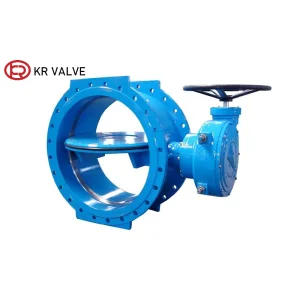
Custom Double Eccentric Butterfly Valves SS304 Sealing - China Suppliers for D342X Series
View Technical Details →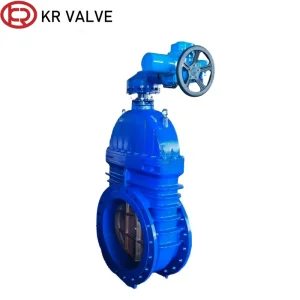
Custom Electric Operation Brass Metal Seat GGG40 Gate Valve - Water, Oil, Steam Control
View Technical Details →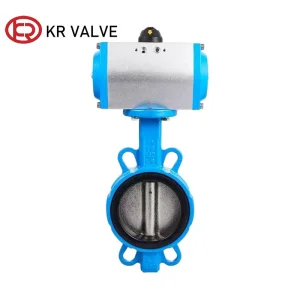
OEM Pneumatic Wafer Butterfly Valve - Double Acting, DN40-DN600, PN6/PN10/PN16
View Technical Details →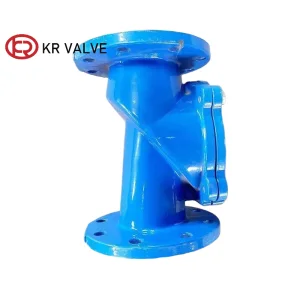
Custom Flange Rubber Disc Soft Seal Swing Check Valve H44X-10/16 for DN40-DN300
View Technical Details →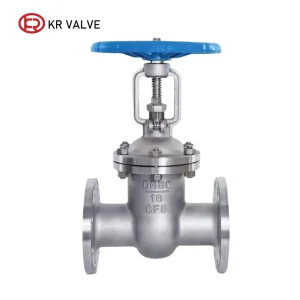
OEM Stainless Steel SS Flange Gate Valve Rising Stem Type - Factory Direct OEM/ODM
View Technical Details →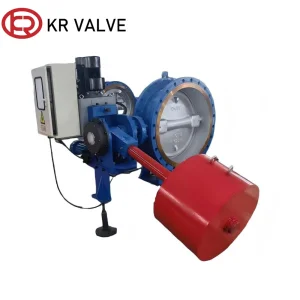
Wholesale Hydraulic Cylinder Control Butterfly Valve Quick Closing Adjusting Type
View Technical Details →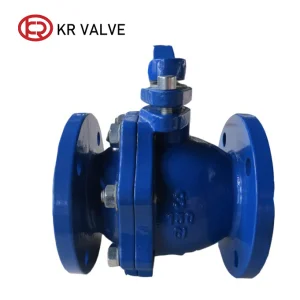
OEM Ductile Iron Flange Ball Valve PTFE Seat Supplier, Factory Direct Export
View Technical Details →