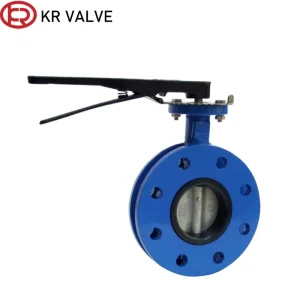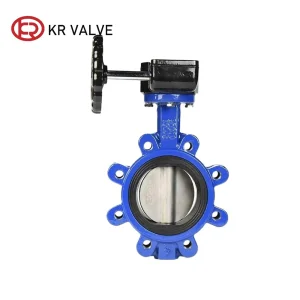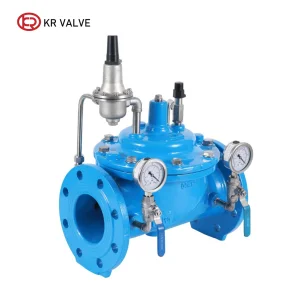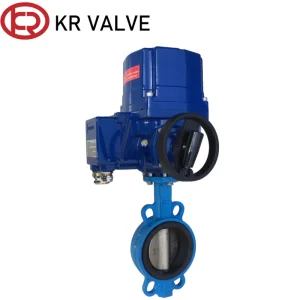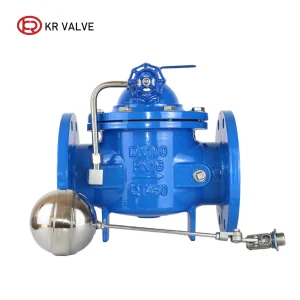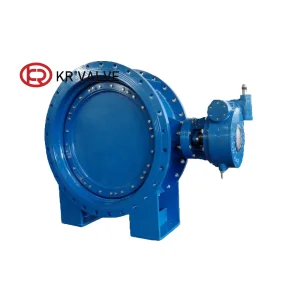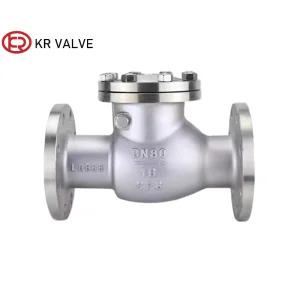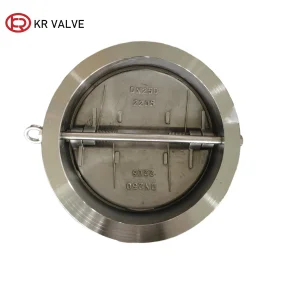
Featured Industrial Valve Solutions
Direct OEM & Wholesale Valves Tested to DIN, BS, ANSI, and API Standards

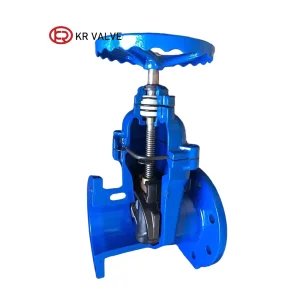
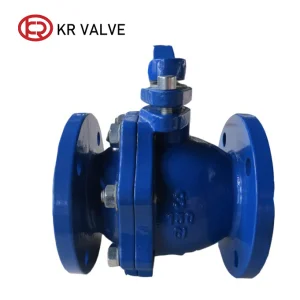
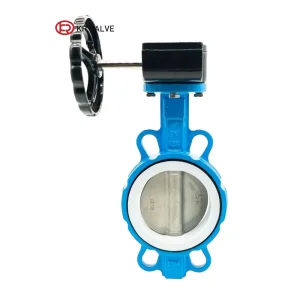
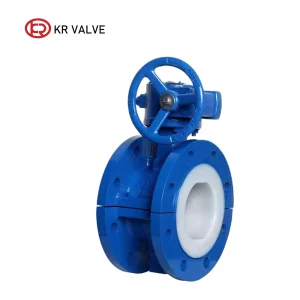
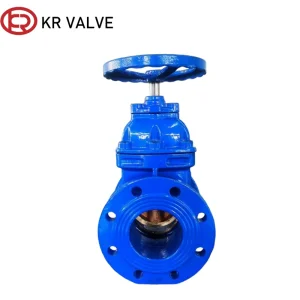
Executive Whitepaper: The Engineering Evolution of Handwheel Gate Valves
In modern industrial fluid transport, municipal distribution networks, and petrochemical processing infrastructure, the manual handwheel gate valve remains an indispensable mechanical asset. Designed primarily for full-open or full-close isolation service, handwheel-operated gate valves offer low fluid resistance, bi-directional sealing capabilities, and zero flow obstruction when fully open. However, as global operational standards demand higher pressure ratings, zero-fugitive emission packing, and extended lifecycle durability under cyclic fatigue, selecting the right wholesale manufacturing partner requires deep scrutiny of metallurgical controls, stem drive mechanics, and seat design methodologies.
Technical Insight: Linear mechanical advantage in handwheel gate valves relies on the pitch thread geometry between the stem and stem nut. Modern China Industry 4.0 factories utilize CNC-whirled ACME threads to cut operational torque by up to 35%, significantly reducing manual manual-effort thresholds for plant operators handling large-bore (DN300-DN600) valves.
Non-Rising Stem (NRS) vs. Outside Screw & Yoke (OS&Y) Mechanical Architectures
Procurement engineers must evaluate key mechanical tradeoffs between Non-Rising Stem (NRS) and Outside Screw and Yoke (OS&Y) handwheel gate valves based on spatial limitations and operating environments:
| Design Criteria | Non-Rising Stem (NRS) Gate Valve | Outside Screw & Yoke (OS&Y) Gate Valve |
|---|---|---|
| Stem Mechanics | Stem rotates inside the valve body; wedge climbs the stem threads internally. | Stem rises linearly outside the valve body; threads remain external to the medium. |
| Spatial Footprint | Compact vertical envelope; ideal for underground vaults, ships, and tight plant corridors. | Requires high vertical clearance to accommodate full linear stem rise. |
| Thread Corrosion Risk | Higher risk if medium contains solids, slurries, or corrosive agents. | Zero medium contact; stem threads are easily lubricated and visually inspected. |
| Visual Position Indicator | Requires mechanical position indicator dial or electrical limit switches. | Inherent visual indication: extended stem signals open, recessed stem signals closed. |
| Typical Standards | DIN 3352 F4/F5, BS 5163, AWWA C509/C515 | API 600, ASME B16.34, BS 1414, ISO 10434 |
China Supply Chain Resilience & Manufacturing Engineering
How Modern Wholesale Valve Hubs in Tianjin & Zhejiang Deliver High-Precision Manufacturing at Global Scale
Automated Lost-Foam & Resin Sand Casting
High-integrity GGG40/GGG50 ductile iron and WCB carbon steel castings with controlled cooling curves eliminate internal porosity, micro-cracks, and grain boundaries, ensuring zero shell leakage during hydro testing.
Robotic EPDM Vulcanization & Surfacing
Wedge cores are fully encapsulated with drinking-water grade EPDM/NBR via high-pressure injection molding, ensuring perfect memory retention, zero tear-off, and WRAS/NSF-61 compliance.
100% Automated Pressure Testing
Every manufactured unit undergoes digital shell (1.5x PN) and seat (1.1x PN) hydrostatic testing alongside low-pressure air testing per ISO 5208 and API 598 standards prior to export boxing.
Handwheel Gate Valve Technology Roadmap & Future Outlook
Bridging Manual Reliability with Smart Infrastructure & Material Science Innovations
1. IoT Smart Handwheels with Torque Telemetry
The integration of non-intrusive wireless torque sensors into handwheel hubs allows plant engineers to monitor real-time operating resistance. Abnormal torque signatures trigger predictive maintenance alerts before stem seizure or wedge binding occurs.
2. Nano-Composite Anti-Gall Stem Coatings
Next-generation stainless steel stems feature physical vapor deposition (PVD) TiN or DLC (Diamond-Like Carbon) coatings. This reduces thread friction co-efficients below 0.08, eliminating stem galling in high-frequency manual cycling environments.
3. Zero-Fugitive-Emission Stem Packing
Driven by strict environmental ESG targets, factory engineering incorporates live-loaded PTFE/graphite chevron packing rings with Belleville springs, meeting Class AH requirements under ISO 15848-1 for chemical and gas applications.
Macro Industry Solutions & Sector Implementations
Customized Valve Configurations Engineered for Extreme Operational Conditions
1. Municipal Water Treatment & Desalination
Desalination plants require valves resistant to chloride-induced pitting. Wholesale factories supply ductile iron gate valves coated with 250-micron electrostatic fusion-bonded epoxy (FBE) internally and externally, complemented by Duplex 2205 stems and EPDM seats certified under WRAS, DVGW, and NSF-61 for potable water safety.
2. Downstream Petrochemical & Refining Pipelines
High-temperature hydro-processing units mandate cast carbon steel (WCB) or stainless steel (CF8M) OS&Y gate valves built to API 600. Stellite No. 6 hard-faced seats prevent thermal binding and wire-drawing erosion when handling hydrocarbons at pressures up to Class 1500 (PN250).
3. High-Rise Commercial HVAC & District Heating
HVAC chilled and hot water distribution lines rely on compact DIN F4/F5 non-rising stem gate valves. Integrated position indicators enable maintenance crews to verify isolation status instantly inside crowded mechanical equipment rooms.
4. Mining Tailings & Slurry Processing
Abrasive media rapidly destroys standard resilient wedges. Dedicated factory solutions utilize knife gate valves or hard-sealed metal gate valves featuring replaceable Ni-Hard or Chromium-Carbide wear rings and flush ports to clean out settled particulate solids prior to closure.
Global Procurement Blueprint: Quality Assurance & Regulatory Auditing
For international B2B buyers, EPC contractors, and global stocking distributors, evaluating a Chinese handwheel gate valve supplier requires a structured risk-mitigation framework. Beyond price-per-unit metrics, supply chain leaders must verify foundational engineering compliance across three core pillars:
1. Metallurgical Verification
- Spectrometric chemical heat analysis report (EN 10204 3.1 certification).
- Tensile, yield, and elongation testing per ASTM A536 / EN 1563.
- Charpy V-Notch impact testing for low-temperature applications (-29°C to -46°C).
2. Dimensional Integrity
- Strict face-to-face tolerance checks (EN 558 series 14/15, ASME B16.10).
- Flange drilling alignment to EN 1092-2, ANSI B16.5, or BS 4504.
- Handwheel outer diameter verification for operator torque compliance.
3. Coating & Sealing NDT
- Holiday spark testing (minimum 1.5kV to 2.5kV) for coating pinhole checks.
- Coating thickness measurement (250μm dry film thickness baseline).
- Radiographic (RT) or Ultrasonic (UT) testing on critical cast pressure shells.
Frequently Asked Questions (FAQ)
Deep Engineering Solutions for Common Gate Valve Procurement & Maintenance Queries
Complementary Pipeline Equipment Portfolio
Explore Matching Check Valves, Butterfly Valves, Ball Valves, and Control Valves Direct from Tianjin