
High-Performance Ball Check Valves & Industrial Solutions for Poland
Engineered for rigorous municipal wastewater, slurry pumping, and heavy industrial fluids across Polish industrial hubs like Katowice, Silesia, and Mazovia.
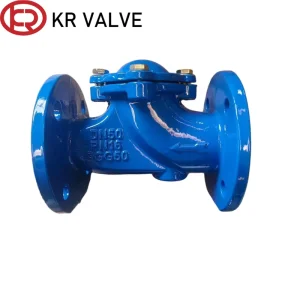
OEM Ball Check Valve Flange Connection EPDM Ball Non-Return Valve for Poland Wastewater Infrastructure
View Technical Details →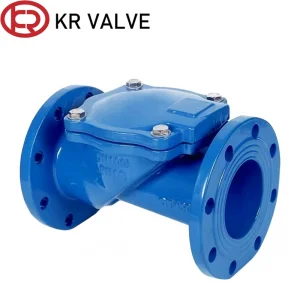
Custom Ductile Iron Ball Type Non-Return Valve DIN Standard for Polish Municipal Pumping Stations
View Technical Details →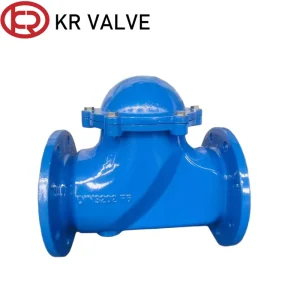
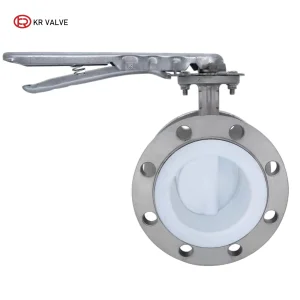
The Industrial & Commercial Ecosystem for Valves in Poland
Understanding Poland's strategic position as Central Europe's manufacturing powerhouse and its demand for advanced backflow prevention technology.
Silesian Industrial & Mining Hub
The Upper Silesian Industrial Region (Górnośląski Okręg Przemysłowy) around Katowice requires high-durability ball check valves engineered for mine dewatering, coal slurry transport, and heavy abrasive media processing. Valves must withstand severe particulate abrasion without seizing.
Municipal Wastewater Overhaul
Major Polish municipalities such as Warsaw (MPWiK), Kraków, and Poznań are executing extensive modernization of wastewater treatment facilities funded by EU infrastructure grants. Ball check valves are mandatory in sewage lifting stations due to their full-bore, self-cleaning anti-clog architecture.
Chemical & Agri-Food Processing
With massive agricultural production centers in Wielkopolska and chemical processing clusters in Puławy and Tarnów, Poland demands non-return valves with specialized elastomeric coatings (EPDM, NBR, FKM/Viton) resistant to organic acids, fats, and harsh processing effluents.
Engineering Physics of Self-Cleaning Ball Check Valves
Unlike standard swing check or lift check valves where suspended solids collect in body cavities, a ball check valve utilizes an unguided or guided internal elastomeric-coated sphere that moves completely out of the flow pathway during operation.
- Unrestricted Full-Bore Passage: The ball is pushed into a side recess chamber by forward fluid velocity (minimum 0.7 m/s), creating near-zero pressure drop ($K_v$ optimized).
- Rotational Self-Cleaning Action: As fluid flows, the ball continuously rotates in the medium, preventing localized rubber wear and scouring away fibrous sediment or rags.
- Zero Water Hammer Surge Control: Dynamic backpressure immediately forces the metallic/composite core ball onto its conical seating ring, establishing a bubble-tight drop-free shut-off ($0\text{ drops/min}$).
Ductile Iron Body & Polymer Sealing
Manufactured strictly from EN-GJS-400-15 (GGG40) or EN-GJS-500-7 ductile iron, providing tensile strength up to 400-500 MPa. The internal ball features an aluminum or carbon steel core vulcanized with a minimum 6mm layer of NBR or EPDM rubber (Shore A hardness 70±5), yielding superior resilience against hydraulic shock.
Technical Sourcing Matrix & Standard Specifications for Polish Projects
Comprehensive engineering dimensional standards, testing parameters, and structural design criteria accepted by Polish EPC contractors and municipal water authorities.
| Engineering Parameter | DIN / EN Standard Specification | Polish / EU Compliance Certificate | Application Field |
|---|---|---|---|
| Nominal Diameters (DN) | DN50, DN65, DN80, DN100, DN125, DN150, DN200, DN250, DN300 to DN600 | PN-EN 1092-2 Flange Standard | Municipal Wastewater, Industrial Pumping |
| Face-to-Face Dimension | EN 558 Series 48 / DIN 3202 F6 (Flanged) & Threaded BSP / NPT | ISO 5752 / EN 558 compliance | Retrofit & Direct Plant Replacement |
| Pressure Rating | PN10 (1.0 MPa), PN16 (1.6 MPa), Class 150 ANSI optional | Pressure Equipment Directive (PED 2014/68/EU) | Pressurized Sewage Pipelines & Slurry Lines |
| Surface Protection | Fusion Bonded Epoxy Coating (FBE), minimum thickness 250 µm RAL 5005 | PZH (National Institute of Public Health Poland) | Potable Water & Municipal Effluent |
| Shell & Seat Testing | Hydrostatic Shell: 1.5 × PN (24 bar for PN16); Seat: 1.1 × PN (17.6 bar) | EN 12266-1 Leak Rate A (Zero Leakage) | High Reliability Pumping Stations |
| Ball Core Metallurgy | Carbon Steel / Aluminum Alloy / Stainless Steel CF8 (304) / CF8M (316) | EN 10204 3.1 Material Traceability | Corrosive Chemical & Mining Slurry |
Macro Industry Solutions Across Polish Key Sectors
Tailored flow control solutions satisfying stringent environmental regulations enforced by the Polish Ministry of Climate and Environment.
1. Underground Mine Dewatering (Katowice Region)
In deep coal and metal mining operations across Silesia, groundwater contains high concentrations of suspended sand, iron grit, and mineral salts. Ball check valves mounted vertically on submersible pumps allow heavy particulate media to clear the valve seat instantly during discharge, eliminating pump burn-outs caused by clogged valves.
2. Agricultural Biogas & Distilleries (Wielkopolska)
Poland is expanding its biomethane production infrastructure. Organic digestate, agricultural waste slurries, and thick manure mixtures require full-port flow pathways. Non-return ball check valves with soft NBR-coated balls prevent fibrous materials from stringing across the disk, ensuring continuous, automated digestion line operation.
3. Seaport Maritime & Drainage (Gdańsk / Gdynia)
Coastal infrastructure and port stormwater management facilities in Northern Poland require robust sea water and brackish water backflow protection. Stainless steel ball check valves (CF8M/316) coated with high-grade marine epoxy prevent coastal flood surges from back-flowing into urban drainage tunnels.
Next-Generation Manufacturing & Smart Valve Integration
As global industrial supply chains demand higher energy efficiency and predictive maintenance capabilities, our factory is deploying smart manufacturing and material innovations tailored for Polish and EU markets.
- Self-Balancing Hollow Composite Balls: Engineered ultra-lightweight composite balls that require 40% less fluid lift velocity, minimizing head loss in low-head municipal pumping networks.
- IoT Pressure & Seat Sealing Sensors: Optional smart bonnet design embedded with acoustic vibration transducers that alert SCADA control systems of backflow leakage or physical ball degradation.
- Eco-Friendly Zero-VOC Powder Coatings: Automated robotic electrostatic powder spraying ensuring 100% pinhole-free coverage, satisfying stringent EU REACH and RoHS environmental standards.
100% Factory Inspection & Testing Guarantee
Every ball type check valve manufactured for dispatch to Poland undergoes rigorous hydrostatic shell pressure testing, low-pressure seal tightness testing (at 0.2 bar), and coating thickness verification using magnetic induction gauges. Certificates under EN 10204 3.1 are supplied standard with every consignment.
Request Quality Control Protocol →Complementary Industrial Valves & Check Valves for Polish Distributors
Explore our complete product matrix engineered to DIN, BS, and ANSI standards with factory-direct pricing and full OEM branding options.
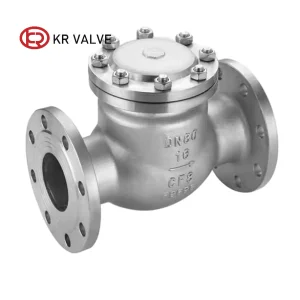
Flanged Swing Check Valve CF8 Material H44W-150LB for Backflow Prevention in Polish Facilities
View Technical Details →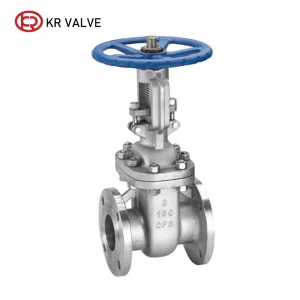
CF8 Stainless Steel ANSI Solid Wedge Gate Valve - Factory Direct Supply for Poland Refineries
View Technical Details →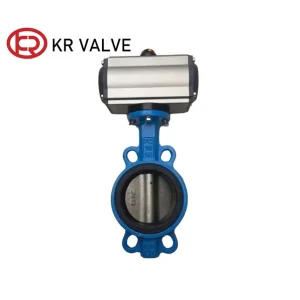
Pneumatic Wafer Butterfly Valve Spring Type for DN40-DN600 Polish Automated Process Lines
View Technical Details →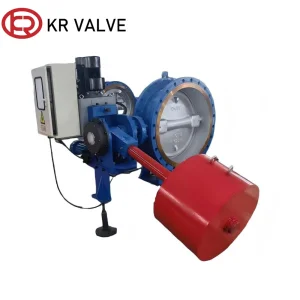
Double Eccentric Hydraulic Cylinder Control Butterfly Valve - Quick Closing for Polish Power Stations
View Technical Details →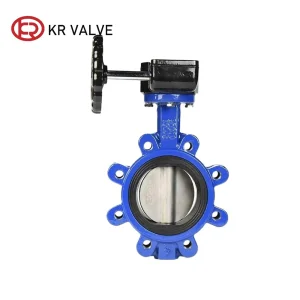
Custom Gear Box Operation Lug Butterfly Valve with EPDM Seal for Poland Water Networks
View Technical Details →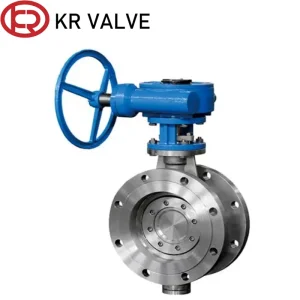
OEM Renewable Metal Seat Butterfly Valve Triple Eccentric Structure for High Temp Polish Steam Lines
View Technical Details →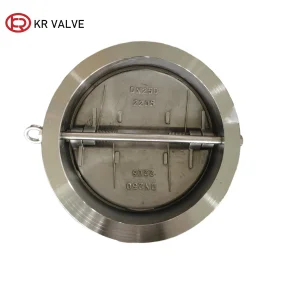
Frequently Asked Questions by Polish Project Engineers & Procurement Managers
Expert engineering insights covering installation dynamics, material selection, standard certifications, and procurement logistics in Central Europe.
What is the recommended minimum flow velocity required to fully lift the ball in a ball type check valve?
To ensure the rubber-coated ball moves completely into the side recess chamber and clears the flow pathway, a minimum fluid velocity of 0.7 m/s to 1.0 m/s is required for vertical installations, and approximately 0.5 m/s for horizontal installations. Operating below this velocity may cause the ball to hover in the main bore, leading to increased head loss and localized seat wear.
Can ball type check valves be installed in both horizontal and vertical pipe orientations in Polish facilities?
Yes. Ball check valves function exceptionally well in vertical lines (with upward flow) because gravity assists the ball in returning promptly to its conical seat during pump shutdown. For horizontal installations, ensure the valve bonnet points upwards or within a 45-degree angle so the ball rolls back smoothly guided by internal body contours.
How do NBR, EPDM, and Viton (FKM) ball coatings differ when handling industrial effluents in Poland?
NBR (Nitrile): Excellent resistance to mineral oils, greases, fats, and general municipal sewage (-10°C to +80°C). Standard choice for most Polish municipal stations.
EPDM: Superior resistance to hot water, dilute acids, alkalis, and ozone (-10°C to +120°C). Ideal for industrial water treatment and HVAC loops.
Viton (FKM): Required for high-temperature chemical fluids, aromatic hydrocarbons, and aggressive industrial waste (-20°C to +180°C).
Which European standards and certificates are mandatory for importing ball check valves into Poland?
Valves imported into Poland must comply with the Pressure Equipment Directive (PED 2014/68/EU) bearing the CE mark. Flange connections must adhere to PN-EN 1092-2 (PN10/PN16), and face-to-face dimensions should conform to EN 558 Series 48 (DIN 3202 F6). For potable water applications, a PZH Hygienic Certificate issued by the Polish National Institute of Public Health is required.
What are the primary maintenance practices to prevent valve failure in abrasive slurry pumping?
Inspect the elastomeric ball every 12 to 18 months in severe abrasive service (such as Silesian mining dewatering). The removable top bonnet allows easy access without removing the valve body from the pipeline. Simply unbolt the bonnet, lift out the ball, inspect for surface gouges or swelling, flush out sediment buildup from the pocket, and replace the bonnet O-ring.
What is the typical delivery lead time and OEM customization options for Polish buyers?
Standard DIN/EN ball check valves (DN50-DN300) in ductile iron GGG40 are stocked or produced with a standard lead time of 15 to 25 days. Customized OEM requests—such as specific RAL epoxy colors, private laser logo marking, customized flange drilling (ANSI/BS/DIN), or 3.1 material test certificates—are fully supported.
Partner with a Direct Factory Supplier for Your Polish Valve Sourcing
Get instant factory-direct quotations, technical 2D/3D CAD drawings, material certificates, and tailored engineering support for your pipeline projects in Poland and across Central Europe.
Send Inquiry Now