
High-Performance Ball Check Valves for Tokyo Projects
Engineered for high back-pressure endurance, zero-clog operation, and seamless integration into Tokyo Metropolitan Government municipal standards.
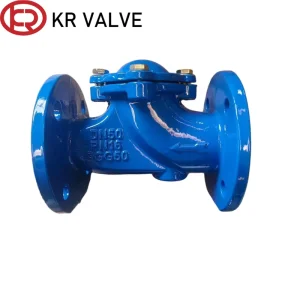
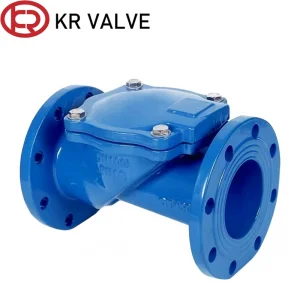
Custom Ductile Iron Ball Type Non-Return Valve (DIN/JIS) for Tokyo Pumping Stations
View Product Details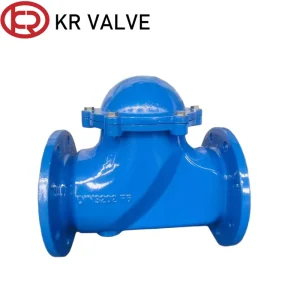
1. Executive Analysis: Ball Type Check Valve Demand in the Tokyo Metropolitan Area
The Greater Tokyo Area, representing one of the world's most sophisticated and densely built urban environments, operates under stringent civil engineering codes and municipal fluid-handling directives. Managed by organizations such as the Tokyo Metropolitan Sewerage Bureau (Tokyo-to Gesuidokyoku) and various regional industrial water utility districts, the city requires flow control valves capable of handling high solid contents, preventing catastrophic backflow during torrential typhoon surges, and maintaining zero-leakage standards over long operational lifetimes.
Ball type check valves (also referred to as spherical non-return valves) have emerged as the primary fluid safety component across Tokyo’s sub-surface pumping infrastructure, wastewater purification facilities (such as the Shibaura and Mikawashima Water Reclamation Plants), and heavy industrial complexes spanning the Tokyo Bay coastal corridor (Shinagawa, Koto, and Kawasaki border zones). Unlike traditional swing or dual-plate check valves, which suffer from mechanical wear on hinge pins and clogging from stringy fibrous debris, the ball type check valve utilizes an unguided or guided elastomer-coated spherical core. This core rolls clear of the flow path during forward pumping, creating an unobstructed 100% full-bore passage.
Critical Operational Challenges in Tokyo Urban Hydraulics
- Seismic Resilience & Stress Tolerance: Located within a high-seismic activity zone, Tokyo’s underground piping networks require valves tested to withstand ground micro-displacements without seat rupture or housing shearing. Ductile Iron (GGG40 / EN-GJS-400-15) ball check valves offer superior elongation and tensile strength compared to brittle grey iron alternatives.
- Ultra-Quiet Noise Damping (<45 dB Requirement): With pump stations situated in proximity to high-density residential and commercial towers in Shinjuku, Minato, and Chiyoda, hydraulic slam and water hammer noise must be completely suppressed. The elastomeric outer layer of the ball core absorbs kinetic closing energy, delivering silent shut-off.
- Micro-Footprint & Maintenance Ergonomics: Space limitations in Tokyo’s underground vault chambers demand compact valve body dimensions. The top-entry cover design of ball type check valves enables rapid inline inspection and ball replacement without dismounting the valve body from the pipeline.
2. Global Engineering Benchmarks & Fluid Dynamics Comparison
Understanding the hydro-mechanical superiority of ball check valves against competing non-return technologies in heavy solids and wastewater management.
In modern fluid engineering, the pressure drop ($\Delta P$) and head loss coefficient ($K$-factor) dictate the long-term energy consumption of pump stations. Standard swing check valves introduce severe flow turbulence due to the disc lingering in the flow stream. In contrast, a properly engineered ball check valve features an integrated side cavity where the ball rests during flow, yielding a hydraulic head loss coefficient $K \le 0.8$, compared to $K \ge 1.8$ for swing checks.
| Performance Metric | Ball Type Check Valve (Our Standard) | Traditional Swing Check Valve | Dual Plate Wafer Check Valve | Tilting Disc Check Valve |
|---|---|---|---|---|
| Flow Passage Profile | 100% Full Bore (Self-Cleaning) | Partial Bore (Disc obstruction) | Restricted (Central pin obstruction) | Substantially Restricted |
| Slurry & Solid Handling | Excellent (Non-clogging up to 80mm solids) | Poor (Stringy media wraps pin) | Very Poor (Clogs easily) | Moderate (Subject to abrasion) |
| Water Hammer Damping | Superior (Elastomer cushion absorb) | Low (High risk of valve slam) | Moderate (Spring assisted) | Moderate to High |
| Head Loss ($K$-Factor) | 0.6 – 0.8 (Low energy loss) | 1.5 – 2.2 (High energy cost) | 1.8 – 2.5 (High energy cost) | 1.0 – 1.4 (Medium energy cost) |
| Maintenance Interval | 5–8 Years (Top-entry access) | 2–3 Years (Hinge wear) | 1–2 Years (Spring degradation) | 3–4 Years (Pivot pin wear) |
| Installation Vector | Vertical & Horizontal | Horizontal Primary | Horizontal & Vertical | Horizontal Primary |
Energy Cost Reduction
The unobstructed flow channel significantly lowers system friction loss, directly cutting kilowatts consumed by main pump drives across Tokyo municipal installations.
Zero Mechanical Hinge Wear
With no internal shafts, springs, or rotating hinge pins to corrode or bind, mechanical failure rates are virtually reduced to zero under continuous duty.
Elastomer Vulcanization
Balls are engineered with high-tensile metallic cores vulcanized with thick layers of EPDM, NBR, or FKM, offering dynamic resiliency and chemical inertness.
3. Metallurgy, Material Formulations & Technical Specifications
Exceeding international standards to meet Tokyo’s rigorous urban industrial criteria.
Selecting the ideal material configuration for ball type check valves depends heavily on fluid composition, working pressure, temperature profiles, and environmental exposure. For Tokyo clients, we manufacture valves aligned with JIS B2220, DIN 3202-F6, EN 1092-2, and ANSI B16.5 parameters.
Valve Body Metallurgy Options
- Ductile Iron GGG40 / GGG50 (QT450-10): The gold standard for Tokyo municipal wastewater infrastructure. Offers high yield strength (≥320 MPa) and impact resistance required for sub-surface vault installations under heavy vehicular street traffic loading.
- Cast Carbon Steel WCB (ASTM A216): Formulated for high-pressure industrial lines and energy generation plants across Tokyo Bay. Rated up to PN40 / ANSI 300LB.
- Stainless Steel CF8 / CF8M (SS304 / SS316): Essential for corrosive chemical effluent in industrial plants, seawater discharge, and purified water circuits demanding zero iron contamination.
Elastomer & Ball Core Vulcanization Engineering
The spherical ball is the heart of the non-return valve. Our engineering lab manufactures balls utilizing three distinct interior structural classes:
- Metal Core with Molded NBR/EPDM: An inner core of aluminum alloy or carbon steel encapsulated within a thick (8–15mm) seamless vulcanized elastomer matrix. Specific gravity is balanced ($\approx 1.2 - 1.4$) to allow smooth lifting under minimal differential pressure ($≥0.02 \text{ MPa}$).
- Solid High-Density Polyurethane / Phenolic Resin: Ideal for highly abrasive slurries containing sand, silt, or mineral tailings where rubber tearing could occur.
- Hollow Stainless Steel Ball: Engineered for light-pressure, clean water, or specialized chemical lines where rapid buoyancy is mandated.
| Elastomer Type | Working Temperature | Recommended Media | Tokyo Industry Application |
|---|---|---|---|
| EPDM (Ethylene Propylene) | -20°C to +120°C | Potable water, sewage, mild acids, ozone | Tokyo Metropolitan Waterworks & Pumping Stations |
| NBR (Nitrile Rubber) | -10°C to +85°C | Oily wastewater, hydrocarbons, grease, sludge | Commercial kitchen blackwater & industrial oil lines |
| FKM (Viton) | -15°C to +200°C | Aggressive chemicals, high-temp fluids, solvents | Tokyo Bay chemical plants & thermal power utilities |
4. Localized Application Frameworks in Tokyo Infrastructure
Targeted engineering solutions addressing specific urban geography and industrial demands across Tokyo’s 23 Special Wards and Western Suburbs.
Underground Stormwater Basins
Integrated into mega-scale flood control projects (e.g., Kanda River Underground Retention Channel). High-volume flanged DN300-DN600 ball check valves prevent back-flow during typhoon-induced surge surges.
Super High-Rise Drainage Towers
Specified in major skyscraper complexes in Roppongi, Toranomon, and Shinjuku. Installed vertically on basement sewage lift stations to deliver silent operation and absorb hydrostatic shock up to 2.5 MPa.
Tokyo Bay Coastal Processing
Full PTFE-lined and Stainless Steel ball check valve configurations supporting coastal chemical plants, food processing complexes, and desalination bypass systems in the Koto and Ota port sectors.
5. Smart Macro Solutions & Technology Roadmap (2025–2035)
Pioneering intelligent flow control aligned with Tokyo's Smart City Initiatives and Sustainable Infrastructure Goals.
As Tokyo advances toward its "Tokyo Sustainability Action Plan 2030" and integrates IoT monitoring into utility infrastructure, traditional passive mechanical valves are evolving into intelligent sensing nodes.
IoT-Enabled Condition Monitoring Integration
Our factory offers customizable ball type check valves fitted with embedded inductive proximity sensors and acoustic emission transducers within the bonnet cover. These smart sensors wirelessly transmit operational data back to central SCADA systems across Tokyo municipal control rooms:
- Ball Seating Verification: Proximity sensors provide real-time status signals confirming 100% complete closure, eliminating undetected backflow leakage.
- Acoustic Cavitation Detection: High-frequency sound transducers detect early-stage fluid cavitation or abnormal turbulence before seat degradation occurs.
- Predictive Maintenance Analytics: Wear algorithms monitor the total cycle count and ball movement dynamics to schedule maintenance during planned low-demand hours.
Decarbonization & Eco-Friendly Manufacturing Roadmap
In response to Japan’s 2050 Carbon Neutrality Mandate, our manufacturing facilities have implemented low-carbon foundry practices:
- 100% Recyclable Ductile Iron scrap casting with electric arc induction melting.
- Water-based non-toxic epoxy coatings (FBE) free of volatile organic compounds (VOCs), compliant with JWWA K-135 standards.
- Optimized CFD internal geometries that reduce fluid friction coefficient by 14%, reducing lifetime electrical consumption of connected pump systems.
6. Comprehensive Technical FAQ for Tokyo Buyers & Engineers
Detailed engineering answers to critical procurement and operational questions.
Q1: Why are ball type check valves preferred over swing check valves in Tokyo sewage systems?
Swing check valves rely on a hinged disc suspended directly within the flow path. In sewage containing stringy fibers, wet wipes, and solid sludge (common in dense urban areas like Tokyo), debris frequently wraps around the hinge pin, preventing full closure and causing pump clogging. Ball type check valves push the elastomeric ball entirely out of the flow stream into a side pocket, creating a 100% unobstructed full-bore channel that allows solids up to 80mm to pass through without clogging.
Q2: How do you adapt DIN/ANSI standard ball check valves to Japanese JIS flange dimensions?
Our factories manufacture multi-standard pattern valve bodies cast with multi-drilled flanges or specialized face-to-face dimensions compatible with JIS B2220 10K / 20K standards as well as EN 1092-2 PN10/PN16 and ASME B16.5 150LB. We supply custom adapter flanges and engineering drawings for easy retrofitting into existing Tokyo utility vaults.
Q3: Can ball check valves be installed vertically in high-rise building drainage systems?
Yes, ball check valves operate effectively in both vertical (upward flow) and horizontal pipelines. In vertical installations, upward fluid velocity lifts the ball into the enlarged chamber. When the pump stops, gravity combined with reverse hydrostatic pressure drives the ball smoothly onto the bottom seat, providing an instant, water-tight seal without slamming.
Q4: What is the minimum cracking pressure required to unseat the ball?
Thanks to optimized ball density (metallic core engineered to specific gravity $\approx 1.3$), the standard cracking pressure is extremely low—typically between $0.015 \text{ MPa}$ to $0.03 \text{ MPa}$ ($1.5 \text{ to } 3.0 \text{ m w.c.}$). This ensures minimal energy waste during pump start-up in low-head municipal systems.
Q5: How does Fusion Bonded Epoxy (FBE) coating protect valves in Tokyo Bay coastal environments?
Tokyo Bay coastal soils and atmosphere contain elevated chloride levels that accelerate atmospheric and electrochemical corrosion. Our valves undergo electrostatic powder coating with non-toxic Fusion Bonded Epoxy (FBE) to a minimum thickness of 250 microns (interior and exterior). This creates a dielectric barrier compliant with JWWA K-135, preventing pitting corrosion and biofouling.
Q6: What lead time and OEM customization services are available for Tokyo EPC contractors?
We provide full OEM services including custom face-to-face machining, specialized coating shades (e.g., Munsell colors specified by Japanese municipalities), brand badging, and third-party inspection certificates (EN 10204 3.1 / 3.2). Standard production orders are shipped within 15–25 days with full export packing suitable for ocean freight to the Port of Tokyo or Yokohama.
Comprehensive Flow Control Portfolio for Tokyo Engineering Projects
Explore our complete range of certified industrial valves, strainers, and non-return mechanisms available for OEM supply to Japan.
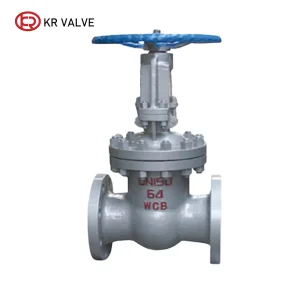
OEM WCB Metal-to-Metal Hard Seat Gate Valve PN64 (DN50-DN1000) for High-Pressure Lines
View Product Details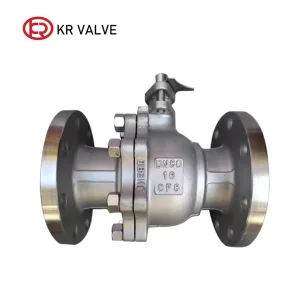
Flange Mounted Stainless Steel Ball Valve Q41F (4 Inch / DN100-DN1000) for Chemical Process Piping
View Product Details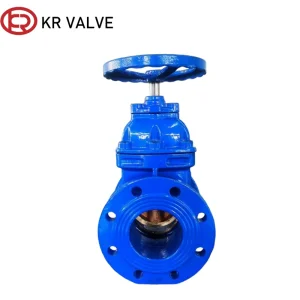
Custom Ductile Iron GGG40 Bronze Seat Hard Seal Flange Gate Valve for Industrial Utilities
View Product Details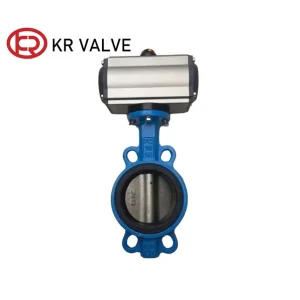
Pneumatic Wafer Butterfly Valve Single Acting Spring Return Type for Automated Fail-Safe Duty
View Product Details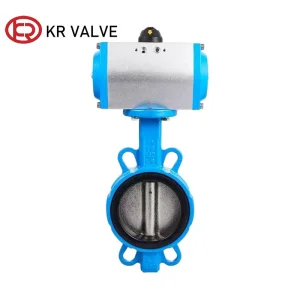
Double Acting Pneumatic Wafer Butterfly Valve Direct Factory Supply for Tokyo HVAC Plants
View Product Details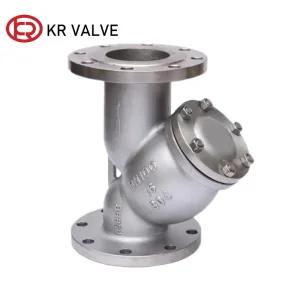
OEM SS304 Stainless Steel Y-Type Strainer 150LB Flanged Filter for Water Intake Protection
View Product Details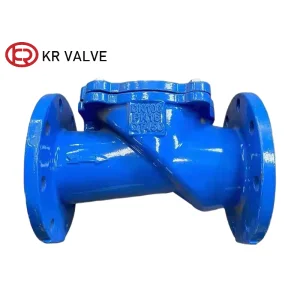
Ductile Iron EPDM Rubber Flap Flanged Non-Return Check Valve for High Volume Drainage
View Product Details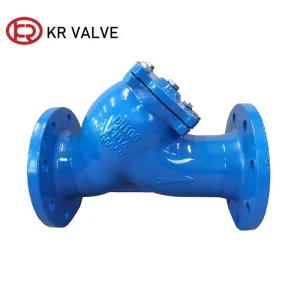
Custom Cast Iron GG25 Y-Strainer Flanged Connection for Municipal Pipeline Debris Filtration
View Product DetailsPartner with a Leading Ball Type Check Valve Manufacturer for Tokyo
Access direct engineering support, full metallurgical test reports (EN 10204 3.1), competitive factory pricing, and tailored OEM solutions for Japanese municipal and industrial projects.
Send Inquiry Now