
Featured Industrial Valve Solutions for New Zealand
Engineered for New Zealand municipal water, irrigation schemes, and processing utilities. High-pressure air management and fluid regulation systems.
Executive Whitepaper: Industrial Flow Control Architecture in New Zealand
New Zealand’s industrial landscape presents a unique, demanding mix of geographical, environmental, and regulatory conditions. As the nation expands its municipal water distribution networks under the oversight of Taumata Arowai (the Water Services Regulatory Authority), upgrades its extensive agricultural irrigation grids across the Canterbury Plains, and harnesses geothermal energy throughout the Taupō Volcanic Zone, demand for highly specialized flow control valves has escalated. Industrial valve sourcing for New Zealand is no longer a matter of selecting off-the-shelf items; it requires customized OEM/ODM manufacturing capable of enduring seismic ground movement, aggressive thermal fluids, micro-climatic coastal corrosion, and zero-lead drinking water compliance (AS/NZS 4020 standard).
This technical report evaluates how international valve manufacturing plants and custom OEM providers bridge the gap for New Zealand’s contractors, regional councils, and industrial plant operators. By delivering precise engineering modifications—such as fusion-bonded epoxy (FBE) coatings, dual-port surge protection mechanisms, resilient EPDM seats, and heavy-duty ductile iron (GGG40/GGG50) casting—global OEM partners empower New Zealand enterprises to achieve operational longevity while mitigating lifecycle maintenance overheads.
Taumata Arowai & Drinking Water Safety
Strict adherence to AS/NZS 4020 ensures zero heavy metal leaching in potable municipal lines, mandatory for Auckland Watercare and regional council water supplies.
Geothermal & Thermal Resistance
High-grade WCB steel and hardened stainless seats designed to handle sulfurous geothermal steam environments up to 250°C in Rotorua and Taupō operations.
Seismic & Transient Protection
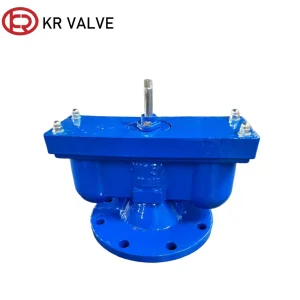
Custom CARX compound air valves and high-speed evacuation valves designed to prevent pipe collapse or rupture during sudden pressure surges or seismic shifts.
Engineering & Manufacturing Rigor
Quantitative proof of reliability backing custom valve supplies delivered to New Zealand ports.
Targeted Industrial Flow Control Solutions Across New Zealand Regions
Understanding user intent and search nuances reveals that New Zealand engineers and procurement heads require tailored valve configurations depending on regional geography. Below is an overview of specialized sector requirements met by custom OEM manufacturing.
1. Dairy & Food Processing Utilities (Waikato, Taranaki, Canterbury)
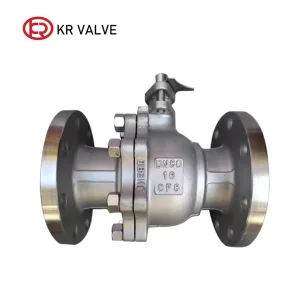
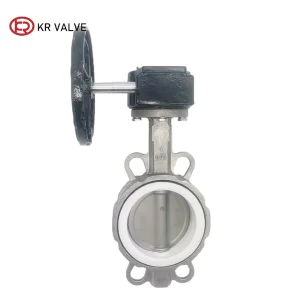
New Zealand’s dairy sector relies heavily on steam, clean CIP (Clean-in-Place) hot water loops, and process effluent treatment lines. OEM Stainless Steel Body PTFE Seat Wafer Butterfly Valves and Flange Mounted SS Ball Valves (Q41F Series DN300-DN1000) deliver high chemical compatibility, eliminating fluid contamination risks while holding up against rigorous cleaning agents.
2. Geothermal Energy Generation (Taupō Volcanic Zone)
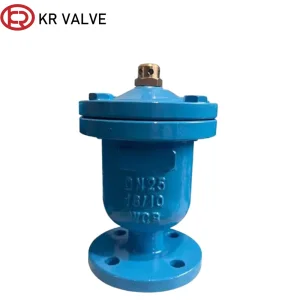
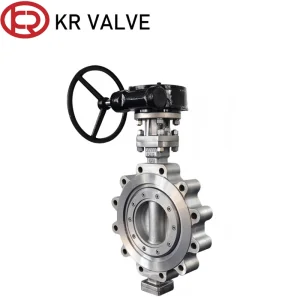
Geothermal steam extracted in the Central North Island contains silica, hydrogen sulfide (H2S), and dissolved minerals. Wholesale Automatic Air Release Valves in WCB cast steel and Replaceable Metal Seat Eccentric Lug Butterfly Valves resist thermal expansion, steam erosion, and abrasive scaling, ensuring uninterrupted power plant steam extraction.
3. Municipal Water Networks & Taumata Arowai Compliance
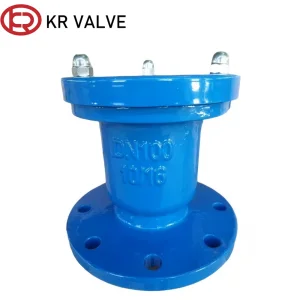
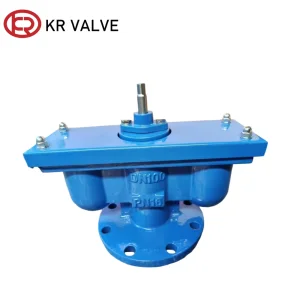
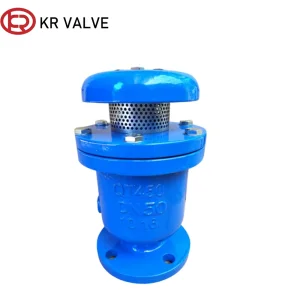
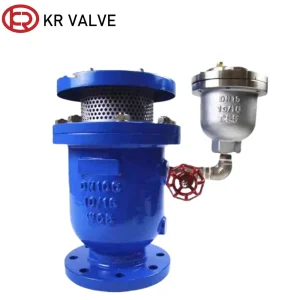
Under the NZS 4404 land development and subdivision infrastructure rules, air entrapment within water mains is a leading cause of flow friction loss and pipe burst incidents. Custom Single and Double Port Air Exhaust Valves in Ductile Iron PN16/25 release trapped pockets automatically during filling and pipeline operation.
4. Hydro-Agricultural & Coastal Marine Projects
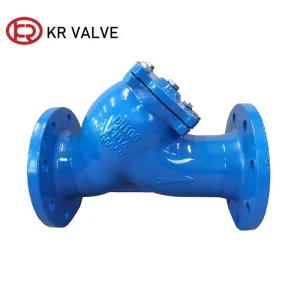
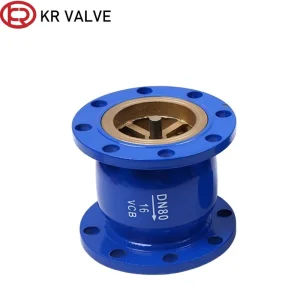
Canterbury’s large-scale center-pivot irrigation systems demand robust Y-Type Strainers (GG25/GGG40) and WCB Silent Check Valves to protect pumps from gravel sediment. Coastal desalination and intake projects benefit from marine-grade coatings and stainless disc check valves.
Engineering Material Specification Matrix for NZ Sourcing
Selecting the optimal metallurgy, seat trim, and connection standard for New Zealand operating environments.
| Valve Type / Metallurgy | Pressure Class | Seat / Seal Option | Standards Compliance | Ideal NZ Field Application |
|---|---|---|---|---|
| Ductile Iron (GGG40 / GGG50) | PN10 / PN16 / PN25 | EPDM / NBR / Brass | BS EN 1092-2, AS/NZS 4020 | Municipal Water Mains, Potable Water Lines, Stormwater Relief |
| Cast Steel (WCB / Carbon Steel) | PN16, Class 150/300 | Stellite / Metal-to-Metal | ANSI B16.34, API 609 | Geothermal Steam Lines, High-Temp Utility Steam, Hydro-Power |
| Stainless Steel (CF8 / CF8M / 316) | PN16 / PN25 / Class 150 | PTFE / R-PTFE / Viton | ISO 5211, BS 5159 | Fonterra Dairy Processing, Food CIP Loops, Corrosive Effluent |
| Cast Iron (GG25 / Grey Iron) | PN10 / PN16 | Stainless Screen / EPDM | DIN 3202, BS EN 558 | Low-Pressure Filtration, HVAC Water Circuits, Irrigation Pumping |
Technical Roadmap & Future Outlook: Next-Generation Valve Manufacturing
As smart water management (Smart Water Grid) initiatives roll out across major New Zealand centers like Auckland, Christchurch, and Wellington, industrial flow control equipment is evolving rapidly. Our technical manufacturing roadmap focuses on three pivotal pillars designed to give New Zealand engineering projects a competitive edge:
- IoT-Enabled Smart Air Evacuation Systems: Integrating digital pressure transducers into CARX High-Speed Release Compound Exhaust Valves to send real-time transient pulse data directly to SCADA systems used by council engineers.
- Zero-Lead Metallurgy & Eco-Casting: Transitioning cast iron and ductile iron foundries to high-purity electric induction melting, eliminating trace heavy metals to comply with stringent drinking water directives.
- Advanced Anti-Cavitation Trim Design: Engineering silent one-way check valves (PN25 WCB) with hydrodynamic internal geometries that prevent water hammer shocks and vibration wear in high-head pumping stations.
Localization, Compliance & Freight Logistics for New Zealand Buyers
Ordering custom industrial valves directly from overseas factories requires seamless freight handling, rigorous quality testing, and transparent documentation. For New Zealand importers, EPC contractors, and regional distributors, we maintain strict logistical and quality control workflows:
Direct Freight to Major NZ Ports
Flexible shipping schedules with direct containerized freight to Port of Auckland, CentrePort Wellington, Port of Tauranga, and Lyttelton Port, ensuring predictable delivery timelines for project milestones.
Third-Party Inspection & Mill Test Reports
Every shipment includes EN 10204 3.1 Material Test Certificates, Hydrostatic Pressure Test Certificates, and optional SGS/TÜV inspection reports prior to factory dispatch.
Custom Flange & Face-to-Face Specs
Custom drilling for Table D, Table E, AS 4087, BS 4504, DIN PN16, and ANSI B16.5 standards to align effortlessly with legacy New Zealand pipeline infrastructure.
Full Factory Product Catalog & OEM Options
Explore our complete range of air release valves, butterfly valves, ball valves, check valves, and strainers manufactured for the global and New Zealand markets.
Technical Q&A: Procurement & Engineering Guidance
Clear answers to technical intent questions frequently raised by New Zealand pipeline engineers and buyers.
Partner with an Established Global Valve Manufacturer
Send us your engineering specifications, CAD drawings, or tender bill of quantities. Our technical sales engineers respond within 24 hours with certified drawings and direct factory quotations.