
Flow Control Solutions Engineering for Costa Rica's Tropical Ecosystem
As Costa Rica advances its ambitious Plan Nacional de Descarbonización (2018–2050) and modernizes its water distribution networks under AyA, reliable, non-corrosive fluid isolation infrastructure has become mission-critical.
Costa Rica presents a unique hydro-geological and climatic environment for pipeline infrastructure. Home to dense tropical rainforests, extensive coastal zones bordering both the Caribbean Sea (Puerto Limón) and the Pacific Ocean (Puerto Caldera), and active volcanic zones such as Poás and Irazú, fluid control equipment faces severe atmospheric, chemical, and physical stresses. Standard municipal valves frequently succumb to premature seat degradation, atmospheric salt-spray corrosion, or internal encrustation caused by mineralized volcanic runoff.
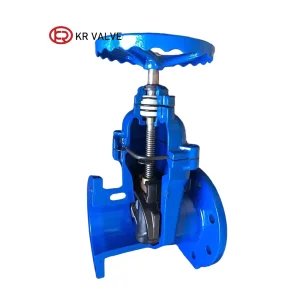
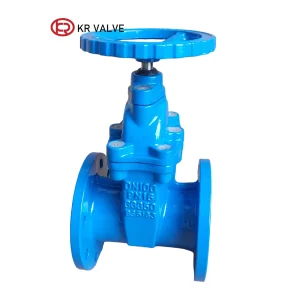
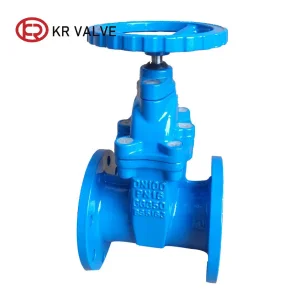
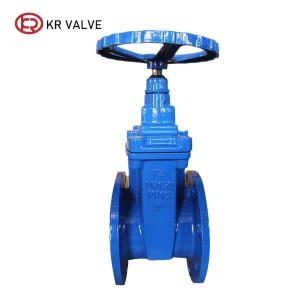
For municipal water authorities such as AyA (Instituto Costarricense de Acueductos y Alcantarillados) and the over 1,500 rural water committees known as ASADAS (Asociaciones Administradoras de Sistemas de Acueductos y Alcantarillados Comunitarios), system downtime, water loss (Non-Revenue Water), and valve replacement costs are unacceptable. Modern infrastructure mandates the deployment of premium-grade Resilient Seated Gate Valves (RSGV) that feature fully vulcanized EPDM wedges, fusion-bonded epoxy (FBE) coatings, and non-rising stainless steel stems engineered specifically for continuous immersion and subterranean direct burial.
Furthermore, Costa Rica's energy grid relies heavily on hydroelectric power generation managed by ICE (Instituto Costarricense de Electricidad) and independent power producers. Penstock auxiliary systems, cooling water intake lines, and micro-hydro projects throughout the Central Valley require heavy-duty ductile iron gate valves built to international standards (BS5163, DIN 3352 F4/F5, AWWA C515) to absorb pressure surges, water hammer, and high thermal variations while maintaining bubble-tight isolation.
Featured Resilient Seated Valves for Costa Rican Projects
Fully certified isolation valves designed for seamless integration into AyA, ASADAS, and private industrial networks.
Anatomy of an Ultra-Reliable Resilient Seated Gate Valve
Understanding material science, vulcanization mechanics, and fluid dynamic design principles required for zero-leakage performance in tropical climates.
Ductile Iron Metallurgy
Constructed exclusively from EN-GJS-450-10 (Ductile Iron Grade 65-45-12), offering a tensile strength exceeding 450 MPa and minimum elongation of 10%. Superior to brittle grey iron (GG25), ductile iron handles pressure surges, soil shifts, and seismic shocks common in Central America.
Full EPDM Wedge Vulcanization
The ductile iron wedge core is completely encapsulated in drinking-water approved EPDM elastomer using advanced hot-vulcanization bonding. Compliant with WRAS, DVGW, and NSF/ANSI 61, the wedge features a Shore A hardness of 70±5, guaranteeing zero metal exposure and complete bubble-tight shutoff.
Triple O-Ring Stem Sealing
Equipped with a cold-forged stainless steel stem (AISI 420 / 316) featuring rolled threads for minimum torque resistance. The stem seal incorporates a primary NBR wiper ring, secondary EPDM pressure seal, and replacement under-pressure capabilities without dismantling the valve line.
Fusion-Bonded Epoxy (FBE) Protective Armor: Resisting Volcanic & Coastal Corrosion
In humid tropical microclimates such as those in Limón or Puntarenas, atmospheric moisture combined with airborne salt particulates causes rapid oxidation on un-coated or poorly painted iron components. Similarly, groundwater in regions surrounding Volcán Arenal or Turrialba contains elevated dissolved sulfur compounds and organic acids that attack metal structures.
To deliver an operating lifespan in excess of 50 years, all our gate valves undergo electrostatic Fusion-Bonded Epoxy (FBE) coating inside and out in accordance with DIN 30677-2 and GSK (Gütegemeinschaft Schwerer Korrosionsschutz) guidelines. The epoxy powder (RAL 5005 / RAL 5017) is thermal-cured at 200°C to achieve a uniform thickness of at least 250 µm up to 300 µm. This cross-linked polymer matrix provides an impenetrable barrier against dielectric soil currents, microbiological corrosion, and chemical degradation spanning a pH spectrum of 4.0 to 11.0.
Straight-Through Full-Bore Hydraulics: Optimizing Energy Efficiency
Unlike traditional metal-seated gate valves that require a bottom pocket cavity to collect the wedge—which inadvertently acts as a trap for gravel, silt, and sand—our resilient seat gate valves feature a flat, unobstructed smooth bottom bore. When fully opened, the wedge retracts entirely out of the flow path.
This full-bore geometry yields a flow coefficient ($K_v / C_v$) virtually identical to a smooth straight pipe section of equivalent diameter. Head losses ($h_f$) are minimized, directly lowering pumping energy requirements for municipal water stations operated by AyA. Furthermore, the smooth bore allows easy pigging and pipeline cleaning without risking wedge seat damage.
Industrial Grade Specs Built for Extreme Conditions
Rigorous engineering benchmarks verified by third-party testing agencies including SGS and TÜV Rheinland.
International Engineering Compliance for Costa Rican Purchasing Managers
Matching local tender requirements with global manufacturing standards (DIN, BS, EN, AWWA, ISO).
| Specification Parameter | DIN 3352 F4 / F5 Standard | BS 5163 Standard | AWWA C515 / C509 Standard | Costa Rica Application Suitability |
|---|---|---|---|---|
| Nominal Diameter Range | DN50 – DN800 (2" to 32") | DN50 – DN600 (2" to 24") | NPS 2" – NPS 36" | AyA Mains & ASADAS |
| Face-to-Face Dimension | EN 558-1 Series 14 (F4) / 15 (F5) | BS 5163 / ISO 5752 Series 3 | ASME B16.10 / AWWA C515 | Global Retrofits |
| Nominal Pressure (PN) | PN10, PN16, PN25 | PN10, PN16, PN25 | Class 150 / 300 PSI | High Altitude Lines |
| Flange Drilling Standards | EN 1092-2 (PN10/PN16/25) | BS EN 1092-2 Table D/E/F | ANSI B16.1 Class 125/150 | Universal Flange Match |
| Stem Type & Drive | Non-Rising Stem (NRS) / OS&Y | NRS Cap / Handwheel / T-Key | NRS Square Nut / Rising Stem | Underground & Plant Use |
| Test Standard (Shell/Seat) | EN 12266-1 Rate A (ISO 5208) | BS ISO 5208 Rate A | AWWA C515 / Hydro 1.5x PN | 100% Zero Leakage |
Total Cost of Ownership (TCO) vs. Initial CapEx for Costa Rican Contractors
When procuring valves for tender projects in San José, Alajuela, or Heredia, procurement committees often weigh initial purchasing price against long-term maintenance overhead. Bargain grey cast iron (GG25) valves with brass-on-bronze seats frequently develop internal seat scoring caused by suspended solids in surface river runoff. This scoring leads to continuous seat weeping, requiring costly line isolation, street excavation, and valve replacement within 3 to 5 years.
In contrast, specifying premium Ductile Iron Resilient Seated Gate Valves increases initial CapEx by a modest margin while delivering up to 10x operating endurance. The elastic memory of the vulcanized EPDM wedge allows it to conform effortlessly over trapped particulate matter without permanent seat indentation. Upon opening, fluid velocity flushes the particle away, restoring absolute tightness upon the next closure cycle.
Tailored Flow Control Solutions for Key Costa Rican Sectors
From municipal drinking water networks to hydro-turbines and agricultural processing facilities.
1. Municipal Potable Water (AyA & ASADAS)
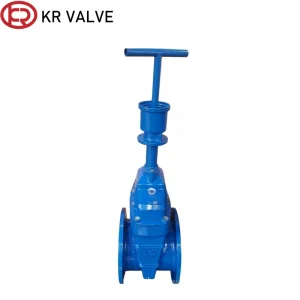
Ideal for direct subterranean installation in street mains and pump stations. Features T-key operational extensions, NRS non-rising stems, NSF-61 certified non-toxic coatings, and heavy-duty EPDM wedges ensuring drinking water purity without metallic contamination.
2. Hydroelectric Power Plants (ICE Projects)
Engineered for PN16/PN25 high-pressure auxiliary lines, bypass isolation, and turbine cooling circuits. Ductile iron body strength resists dynamic pressure oscillations and thermal shock caused by mountain stream diversion.
3. Agro-Industrial & Banana/Pineapple Plants
Processing plants in Limón and San Carlos demand rugged wash-water recycling valves resistant to acidic soil washings, organic fruit acids, and continuous washdown cycles. FBE epoxy and stainless steel stems prevent aggressive chemical wash-away.
Direct Supply Chain & OEM Support for Costa Rican Importers
Seamless manufacturing, rigorous quality verification, and direct ocean freight delivery to Puerto Limón and Puerto Caldera.
Navigating international supply chains for major infrastructure projects requires more than just high-quality manufacturing—it demands transparent compliance, customizable engineering, and punctual container freight delivery. Our direct OEM factory model provides Costa Rican buyers, EPC contractors, and hardware distributors with total supply-chain control.
Custom Factory Engineering & OEM Options
- Custom Flange Drilling: Machined to EN 1092-2 PN10/16, BS 4504, or ANSI B16.1/B16.5 Class 150 to mate effortlessly with existing piping networks.
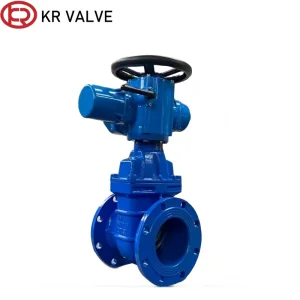
- Actuation & Automation Integration: Top flanges engineered according to ISO 5210 for direct mounting of electric actuators (AUMA, Rotork), pneumatic cylinders, or bevel gearboxes.
- Extension Spindles & Surface Boxes: T-Key extension kits manufactured to precise trench depth requirements for direct buried municipal installations.
- Private Label Branding: Custom cast logos, body markings, and custom color epoxy coatings matching regional utility identification codes.
Quality Control Certification & Documentation Package
Every single valve undergoes rigorous 100% hydrostatic shell testing (1.5x PN) and seat tightness testing (1.1x PN) in compliance with EN 12266-1 / ISO 5208 before packing. Each shipment includes complete documentation required by Costa Rican customs and engineering auditors:
- EN 10204 3.1 Material Test Certificates (MTR) covering chemical composition and mechanical properties of castings.
- FBE Epoxy Coating Thickness Verification & Holiday Testing Reports.
- WRAS / NSF 61 Drinking Water Compatibility Certificates for EPDM components.
- Third-Party Inspection Certificates available upon request (SGS, Bureau Veritas, TÜV).
Smart Valves & The Future of Costa Rica's Smart Aqueducts
Next-generation flow control innovations designed to support SCADA integration and intelligent leak monitoring.
IoT SCADA Valve Position Feedback
Integrating low-power wireless limit switches and non-contact inductive stem sensors to send real-time open/closed status updates to central AyA municipal monitoring dashboards in San José.
Integrated Acoustic Leak Sensing
Embedded piezoelectric sensors within valve bonnets to detect high-frequency sonic signatures caused by micro-cracks or pipe leaks downstream, drastically reducing Non-Revenue Water loss.
Advanced Bio-Polymer Coatings
Developing ultra-low friction nano-epoxy coatings that actively inhibit biofilms and micro-algae growth inside warm tropical water mains, ensuring pristine drinking water delivery.
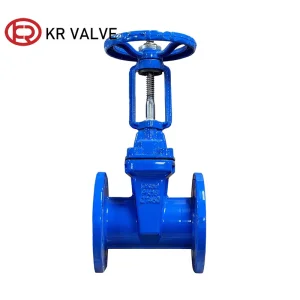
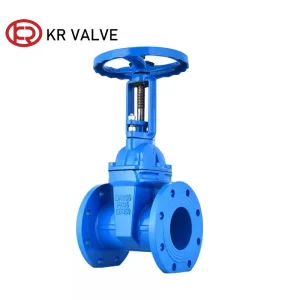
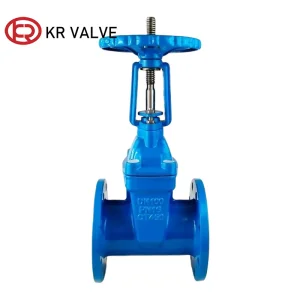
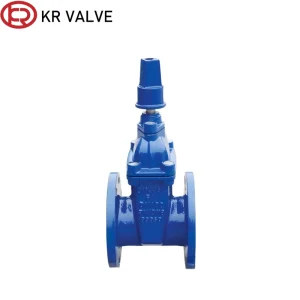
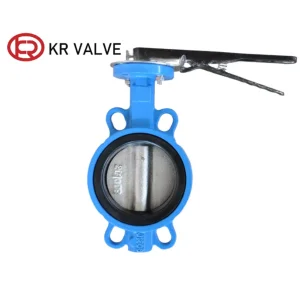
Complete Resilient Seated Gate Valve Catalog for Costa Rica
Explore our full line of rising stem, non-rising stem, underground, electric, and butterfly valves with preserved direct factory links.
Frequently Asked Questions by Engineers & Buyers in Costa Rica
Detailed answers covering compliance, material compatibility, local logistics, and technical selection.
Do your resilient seated gate valves comply with AyA (Costa Rica) technical tenders?
How do your valves withstand volcanic runoff and acidic groundwater in Costa Rica?
What is the difference between DIN F4 and DIN F5 face-to-face standards?
Why choose a Resilient Seated Gate Valve over a traditional Metal Seated Sluice Valve?
How are shipments handled to Puerto Limón and Puerto Caldera?
Can your valves be operated via T-Key for direct underground burial?
What flange drilling standards are available for Costa Rican orders?
Are these valves suitable for hydroelectric power applications managed by ICE?
What testing documentation is provided prior to export clearance?
What is the typical lead time for custom OEM orders bound for Costa Rica?
Ready to Engineer High-Reliability Pipelines in Costa Rica?
Get direct factory pricing, engineering CAD drawings, and technical compliance datasheets tailored for your AyA, ASADAS, or industrial project today.