
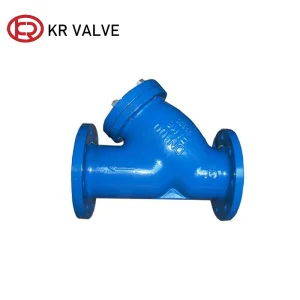
Ductile Iron GGG40 Y-Strainer (SS304 Mesh) for Conakry Pumping Stations
Impact-resistant nodular iron body with AISI 304 dual-layer screen, optimized for SEG municipal pipelines and heavy water extraction.
Engineered to ISO 5208, DIN EN 1092-2, and ASME B16.5 standards, our inline filtration systems deliver uninterrupted particulate removal under rigorous West African tropical conditions.
Impact-resistant nodular iron body with AISI 304 dual-layer screen, optimized for SEG municipal pipelines and heavy water extraction.
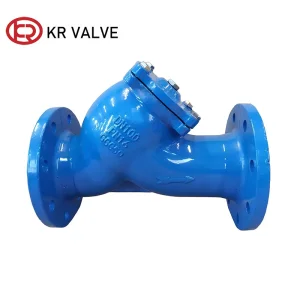
Cost-effective mechanical protection for secondary cooling water and commercial HVAC chillers across the Conakry downtown peninsula.
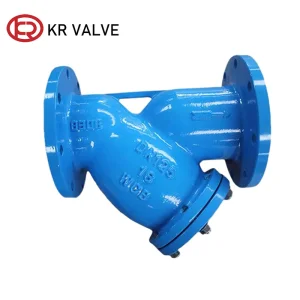
High-tensile carbon steel filtration unit built to absorb intense mechanical pulsations in bauxite slurry transport and fuel bunkering.
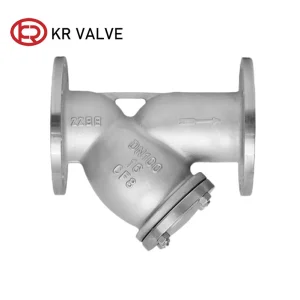
Austenitic stainless body impervious to saline atmospheric fog, offshore seawater cooling, and aggressive chemical feed injection.
The Republic of Guinea's capital represents a high-stress thermodynamic and chemical operational ecosystem for pipeline infrastructure, combining monsoon deluges, salt-saturated sea air, and massive raw mineral logistics.
As the primary maritime artery handling multi-million-ton bauxite exports, offshore fuel transshipment, and containerized industrial imports, the Autonomous Port of Conakry demands heavy-gauge strainers. Pipeline pumps discharging heavy HFO fuel and washwater require continuous debris screening to prevent catastrophic impeller abrasion.
Conakry's rapid urban and industrial expansion along the Kaloum-Dixinn-Matam axis has placed profound hydraulic loads on municipal raw water intake facilities originating from Grandes Chutes and the Kakoulima foothills. High seasonal turbidity requires rugged pre-filtration before treatment membranes.
Thermal power complexes situated around Tombo and auxiliary mineral washing installations across Kindia-Boffa feeding into Conakry demand continuous circulating cooling water. Particulate fouling in condenser heat exchangers creates thermal bottlenecks that our Y-strainers explicitly eliminate.
A rigorous engineering evaluation of differential pressure drops, open-area ratios, cavitation control, and anti-corrosive metallurgies tailored for Guinea's maritime-industrial matrix.
In standard pipeline filtration, a high initial pressure drop triggers cavitation upstream of sensitive centrifugal pumps. Our Y-type strainers engineered for Conakry water and industrial utilities maintain an Open Area Ratio (OAR) of no less than 3.5:1 to 4:1 relative to the nominal pipeline cross-sectional area.
This wide OAR is achieved through precision computer-punched staggered hole perforations lined with high-tensile austenitic stainless mesh (AISI 304/316). The hydrodynamic basket angle of 45° to 60° directs laminar fluid vectors smoothly through the perforated cylinder while directing suspended particles into the dead collection pocket.
Conakry experiences persistent humidity exceeding 85% during the monsoon period, accompanied by chloride-dense ocean aerosol. Standard low-grade grey irons succumb to severe graphitic corrosion, causing catastrophic wall thinning and bolt fracture.
We supply specialized nodular cast iron GGG40 (EN-GJS-400-15) and WCB carbon steel treated with thermal fusion-bonded epoxy (FBE) coatings exceeding 250 microns in dry film thickness. For process lines conveying chlorinated municipal discharge or marine ballast, CF8 (304) and CF8M (316) casting formulations offer absolute immunity against intergranular cracking.
| Nominal Size (DN) | Body Material | Pressure Class | Standard Mesh Rating | Screen Open Area | Typical Pressure Drop (ΔP) | Conakry Target Application |
|---|---|---|---|---|---|---|
| DN50 – DN150 | GGG40 Ductile Iron | PN16 / PN25 | 1.5 mm perf + 40 mesh | 380% of pipe area | 0.012 – 0.025 bar | SEG Water Booster Pump Stations |
| DN200 – DN400 | ASTM A216 WCB | Class 150 / PN16 | 2.0 mm perf + 20 mesh | 350% of pipe area | 0.018 – 0.035 bar | Bauxite Slurry Port Facilities & Rail Depots |
| DN50 – DN300 | ASTM A351 CF8M | Class 150 / 300 | 0.8 mm perf + 80 mesh | 420% of pipe area | 0.020 – 0.040 bar | PAC Offshore Marine Ballast & Chemical Dosing |
| DN500 – DN800 | GGG40 / WCB | PN10 / PN16 | 3.0 mm heavy perf | 320% of pipe area | 0.015 – 0.030 bar | Urban Gravity Drainage & Raw Water Mains |
From the Port Peninsula of Kaloum to the industrial outskirts of Coyah and Dubréka, fluid flow systems depend on customized inline strainer reliability.
Conakry's fuel terminals receive refined hydrocarbons that must be cleanly separated from pipe scale before storage tanks. Our WCB flanged Y-strainers equipped with 60-mesh stainless filtration baskets and drain valves ensure clean product custody transfer without line holdup.
Commercial marine facilities and local coastal cold storage facilities utilize direct ocean cooling. Deploying CF8/CF8M stainless strainers prevents shell-encrusted debris, macro-algae, and plastic flotsam from entering expensive plate titanium heat exchangers.
Bauxite washing operations in the nearby Boké-Kindia-Conakry mineral belt recirculate thousands of cubic meters of process water daily. Our large-bore GGG40 and WCB strainers act as sacrificial guard units against coarse silica and abrasive alumina grits, protecting pump impellers.
Leveraging Tianjin's world-class valve casting cluster, KR Valve provides EPC contractors and procurement managers in Guinea with uncompromised quality, strict traceability, and predictable delivery timetables.
Our production facilities utilize automated furan resin sand and green sand molding lines, ensuring uniform casting wall thickness, zero internal porosity, and smooth inner hydraulic waterways that reduce friction loss by up to 18% compared to manual floor castings.
Sourcing valves for West African infrastructure often suffers from fragmented logistics and transshipment delays. KR Valve coordinates comprehensive export packaging—including seaworthy fumigated wooden crates, vapor corrosion inhibitor (VCI) shrink wrapping, and flange end protectors.
Modern flow control is rapidly moving toward predictive telemetry, automated blow-down, and low-friction green pipeline infrastructures.
By fitting upstream and downstream sensor tapings with wireless ΔP transmitters, plant managers in Conakry can monitor screen fouling levels in real time from a central SCADA interface, preventing pipeline starvation and unplanned shutdowns.
Replacing standard threaded blind plugs with automated quarter-turn ball valves allows regular timed or pressure-triggered self-cleaning flushes without removing the heavy strainer bonnet cover, drastically cutting maintenance labor costs.
For fine chemical dosing and micro-filtration at Conakry manufacturing and pharmaceutical bottling plants, dual-stage sintered mesh filters provide multi-tier particulate collection down to 25 microns without screen collapse under reverse surge.
Addressing the core technical, procurement, and metallurgical concerns of West African engineering teams.
A comprehensive inventory of international standard flow control hardware engineered to pair with our Y-strainer series across Guinean infrastructure projects.
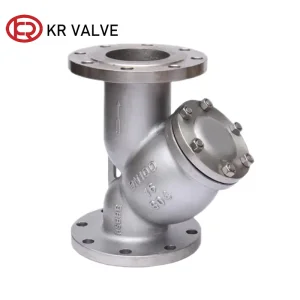
High-flow stainless steel basket configuration for marine fuel depots, chemical handling, and heavy coastal applications.
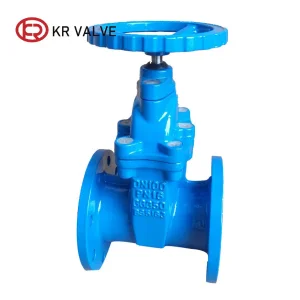
Bubble-tight isolation valve engineered to British Standards for municipal drinking water distribution networks across Dixinn and Matam.
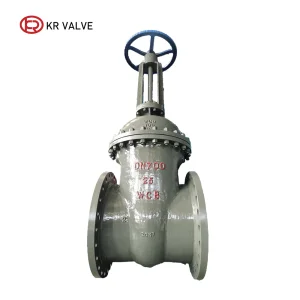
High-torque large-diameter gate valve engineered for primary cooling trunklines and large bauxite bulk handling systems.
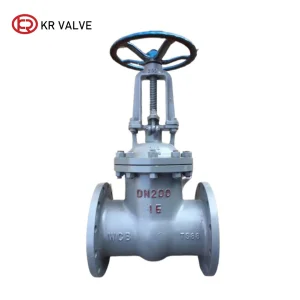
Outside Screw and Yoke (OS&Y) gate valve designed for clear position observation in thermal power plant and fire fighting manifolds.
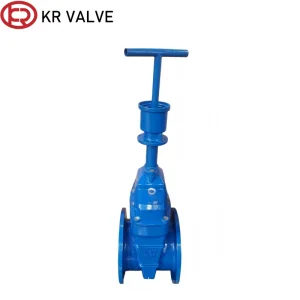
Extended spindle underground isolation valve requiring no civil inspection chamber, ideal for roadside utilities throughout Conakry.
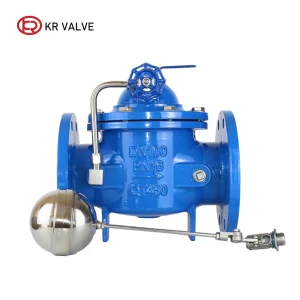
Pilot-operated hydraulic float control valve that maintains exact reservoir levels without electricity, preventing municipal water waste.
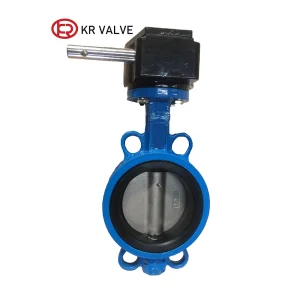
Compact wafer profile offering quick 90-degree isolation and throttling in restricted shipboard and plant engine room layouts.
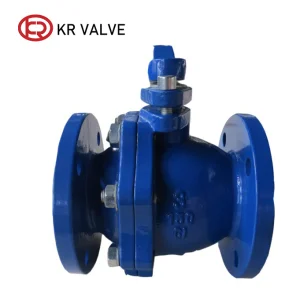
Full-port design minimizing flow turbulence; ideal for chemical additive pipelines, fuel transfer, and industrial process fluids.