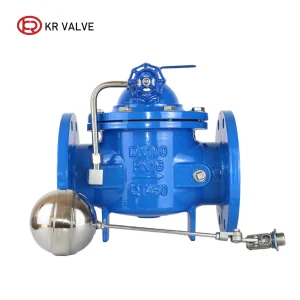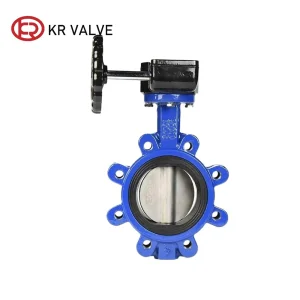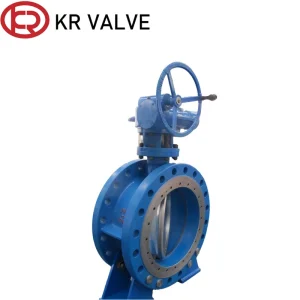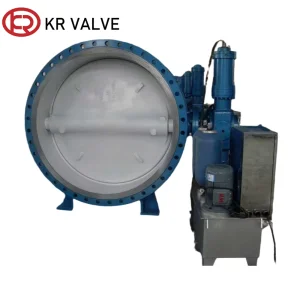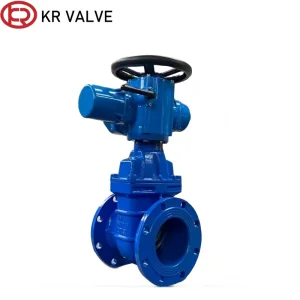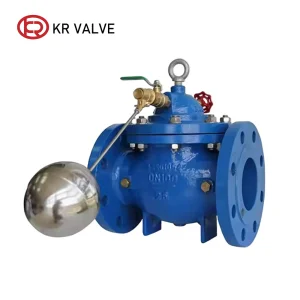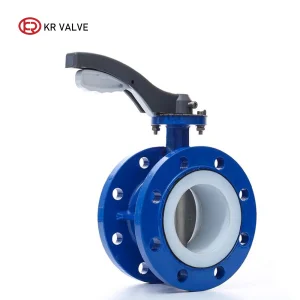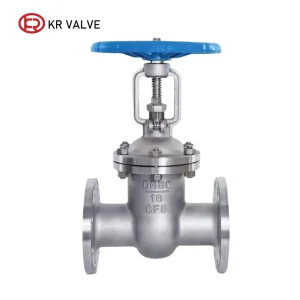
Featured Precision Flow Control & Check Valves (Series 1)
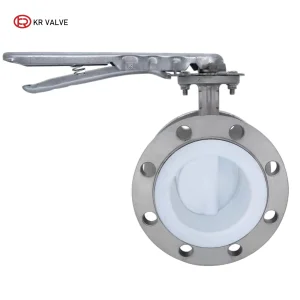
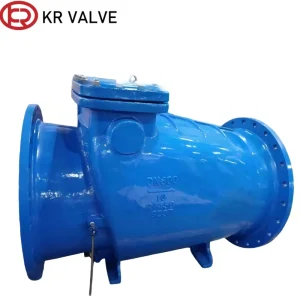
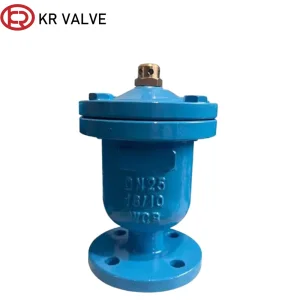
Explore our engineering-grade custom manufacturing capabilities across non-return, gate, butterfly, and hydraulic control valve assemblies built to DIN, ANSI, and BS specs.
1. Strategic Industry Overview & Hydraulic Fundamentals of Backflow Prevention
In modern municipal water supply networks, industrial process lines, and commercial high-rise building systems, cross-connection control is the single most critical safeguard protecting public health and fluid integrity. Backflow events occur when unwanted reverses of flow draw non-potable water, chemicals, or effluents into clean supply lines. Partnering with a specialized custom backflow preventer valve manufacturer & factories ensures that hydraulic protection assemblies are engineered specifically for precise operating pressures, temperature variations, and chemical environments.
Hydraulic Physics: Backsiphonage vs. Backpressure
Backflow is fundamentally driven by two hydrodynamic phenomena: Backsiphonage (caused by negative or sub-atmospheric pressure in the supply line due to main breaks, heavy firefighting demand, or line draining) and Backpressure (occurring when the downstream pressure exceeds the supply pressure due to booster pumps, thermal expansion, or elevation heads). Custom backflow preventer valves are hydro-dynamically balanced to react instantly to differential pressure drops ($\Delta P$).
Reduced Pressure Zone (RPZ) Assemblies
RPZ assemblies feature two independently acting check valves separated by a hydraulics-driven differential relief valve zone. Designed for high-hazard cross-connections, if either check valve leaks, the relief valve discharges to atmosphere, maintaining a minimum pressure differential of 2 PSI (14 kPa) between the supply zone and the intermediate zone.
Double Check Valve (DCV) Systems
DCV assemblies utilize two spring-loaded check valves in series within a single valve body. Suited for low-to-medium hazard applications (e.g., fire sprinkler lines, HVAC loops), DCVs prevent backflow under both backpressure and backsiphonage conditions while offering low friction head-loss profiles.
Pressure Vacuum Breakers (PVB)
Comprising an independently operating spring-loaded check valve and an independently operating spring-loaded air inlet valve, PVBs protect against backsiphonage in continuous pressure systems such as irrigation heads and industrial wash tanks.
2. Technical Engineering & Material Customization Architecture
Custom valve engineering requires matching metallurgical characteristics to media aggressiveness, pressure cycles, and mechanical strain. At KR Valve (Tianjin), custom backflow preventers and check assemblies are cast and machined using advanced metallurgical formulations tailored for severe-service longevity.
Body & Shell Metallurgy
Our custom production lines accommodate multiple material standards tailored to site requirements:
- Ductile Iron (GGG40 / GGG50 / QT450-10): Offers high tensile strength (>450 MPa) and impact resistance, standard for municipal potable water lines. Coated with electrostatically applied non-toxic fusion-bonded epoxy (FBE) min. 250 µm thickness complying with WRAS and NSF/ANSI 61.
- Stainless Steel (CF8 / CF8M / SS316L): Essential for marine environments, industrial chemical fluid control, and high-salinity water reuse pipelines, ensuring zero galvanic corrosion.
- Cast Steel (WCB) & Bronze Alloys: Engineered for high-temperature boiler feeds and offshore backpressure systems.
Sealing Technology & Elastomer Chemistry
Zero-leakage seat integrity under micro-differential pressures requires precise polymer compounding:
- EPDM (Ethylene Propylene Diene Monomer): NSF-certified grade providing superior resilience against chloramines, ozone, and hot water up to 120°C.
- PTFE / RTFE Lined Seats: Chemically inert surfacing for aggressive slurry, chemical effluent, or high-purity processing media.
- NBR (Nitrile) & Viton (FKM): Formulated for oil/gas fluid lines and hydrocarbon backpressure protection up to 180°C.
3. Macro Industry Solutions & Turnkey Application Blueprints
Different industrial and municipal sectors pose unique fluid dynamics hazards. KR Valve’s custom manufacturing services deliver tailored valve dimensions, flange configurations, and opening pressure thresholds across key market segments:
Municipal Potable Water Networks
Protects main distribution headers against cross-contamination from commercial facilities, hospital waste lines, and car washes. Custom-engineered face-to-face dimensions (DIN F4, F5, BS5163) enable direct retrofit into existing meter pits.
High-Rise HVAC & Boiler Systems
Prevents anti-freeze chemicals, rust inhibitors, and high-temperature boiler feed water from siphoning back into municipal feeds under sudden drop-in-street pressure events.
Fire Protection Systems (NFPA 13/24)
Supplies UL/FM compatible Double Check Detector Assemblies (DCDA) and RPDA with integrated bypass lines to detect unauthorized water usage or leakage while guaranteeing unhindered fire suppression flow.
Industrial Chemical Processing & Effluent
Custom PTFE-lined and Hastelloy/SS316 spring-loaded check valves engineered to isolate corrosive chemical lines, heavy industrial slurry, and toxic washdown systems.
4. China Factory 4.0: Supply Chain Resilience & Manufacturing Excellence
As a premier valve manufacturing hub, Tianjin, China integrates raw casting foundries, automated precision machining centers, and national-level fluid dynamic testing laboratories. KR Valve (Tianjin) Co., Ltd. leverages this mega-cluster to provide global buyers with unmatched OEM agility, cost efficiencies, and supply chain resilience.
Automated Precision Machining
Our facility operates multi-axis CNC machining centers capable of holding tolerances within $\pm 0.01\text{ mm}$. Precise seating geometry guarantees smooth disc travel and zero-leakage sealing under low micro-differential pressures ($<0.05\text{ bar}$).
100% Pressure & Flow Bench Testing
Every custom backflow preventer valve unit undergoes rigorous 100% hydrostatic shell testing at $1.5\times \text{PN}$ and seat leak testing at $1.1\times \text{PN}$ in accordance with ISO 5208, EN 12266-1, and API 598 standards before export packaging.
Full Traceability & Rapid Prototyping
From spectral analysis of raw melt iron to coordinate measuring machine (CMM) dimensional reports, all production lots carry full material heat number traceability and 3D CAD/CAM custom engineering support.
5. Comprehensive Technical Selection & Parameter Matrix
Compare performance specifications, hazard level ratings, and mechanical profiles to select the optimal valve assembly for your project pipeline architecture:
| Valve Type | Hazard Rating | Nominal Sizes | Pressure Rating | Body Material | Sealing Material | Standard Compliance |
|---|---|---|---|---|---|---|
| RPZ Assembly (Reduced Pressure) | High Hazard (Health Risk) | DN50 - DN300 (2" - 12") | PN10 / PN16 / ANSI 150 | Ductile Iron GGG50 / SS316 | EPDM / Stainless Steel 304 | ASSE 1013, AWWA C511, EN 12729 |
| Double Check Valve (DCV) | Low - Medium Hazard | DN40 - DN600 (1.5" - 24") | PN10 / PN16 / PN25 | Ductile Iron / WCB / Stainless | EPDM / NBR / Brass | ASSE 1015, AWWA C510, BS5153 |
| Dual Disc Wafer Check Valve | Non-Return / Anti-Hammer | DN40 - DN1200 (1.5" - 48") | PN10 - PN40 / ANSI 150-300 | Cast Iron / GGG40 / CF8M | Metal-to-Metal / EPDM / PTFE | API 594, EN 12334 |
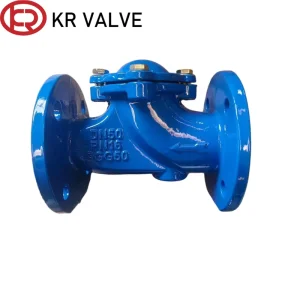
| Ball Type Non-Return Valve | Wastewater / Slurry | DN50 - DN400 (2" - 16") | PN10 / PN16 | Ductile Iron GGG40 | NBR Coated Aluminum Ball | DIN 3202-F6, EN 12050-4 |
| Hydraulic Control PRV (200X) | Pressure Regulation | DN50 - DN800 (2" - 32") | PN10 / PN16 / PN25 | Ductile Iron GGG50 | EPDM + SS304 Trim | CJ/T 256, JB/T 10674 |
6. Technology Roadmap & Future Outlook (2025–2035)
The global fluid infrastructure landscape is undergoing a digital and ecological dynamic shift. KR Valve is driving research and development efforts across three major technological frontiers:
IoT Smart Backflow Telemetry
Integration of wireless low-power pressure differential transducers onto RPZ relief zones. Real-time telemetry alerts municipal SCADA networks immediately if a relief valve discharges or seat degradation occurs, eliminating manual inspection rounds.
Advanced Eco-Metallurgy
Pioneering 100% lead-free bronze formulations and bismuth-modified copper-nickel alloys to comply with zero-lead drinking water mandates across Europe (EU Drinking Water Directive 2020/2184) and North America (NSF/ANSI 372).
CFD Flow Optimization
Utilizing 3D Computational Fluid Dynamics (CFD) modeling to re-engineer internal valve body contours. Modernized internal geometry reduces turbulent vortex generation, lowering head loss by up to 18% compared to traditional check patterns.
7. Global Procurement Framework & Compliance Security
For international EPC contractors, municipal engineers, and valve distributors, selecting a reliable China factory requires verifying both manufacturing quality and international compliance certifications. KR Valve (Tianjin) streamlines overseas procurement via transparent supply frameworks:
Total Cost of Ownership (TCO) Advantages
By offering modular internal check cartridges, KR Valve assemblies allow field maintenance technicians to replace wear components in-line without unbolting the valve body from the pipeline, reducing lifetime maintenance downtime by over 60%.
OEM/ODM Branding & Documentation
We support private-label laser etching, custom casting logos, client-specified epoxy color matching (RAL shades), and complete export documentation packages including EN 10204 3.1 Material Test Certificates, Hydro-test reports, and Certificates of Origin.
8. Frequently Asked Questions (Engineering Q&A)
Detailed technical answers for procurement directors, mechanical engineers, and pipeline system operators.
Featured Precision Flow Control & Check Valves (Series 2)
Browse additional custom non-return, diaphragm control, butterfly, and stainless steel valve models available direct from our factory lines.