
Featured Custom & OEM Discharge Valve Products (Part 1)
Explore our high-performance industrial valve series manufactured to API, DIN, ANSI, and BS standards for demanding fluid discharge systems.
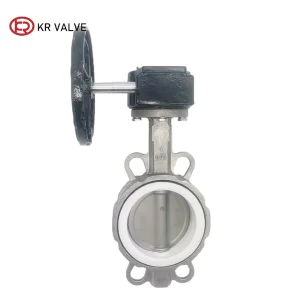
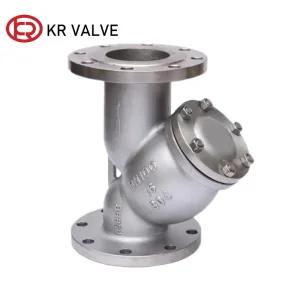
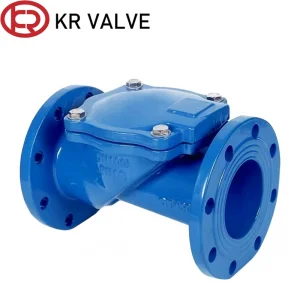
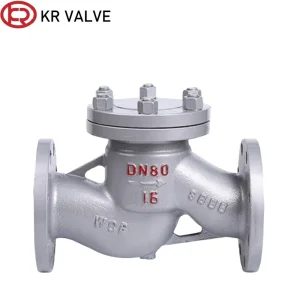
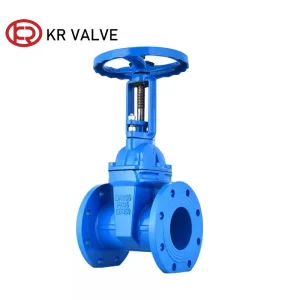
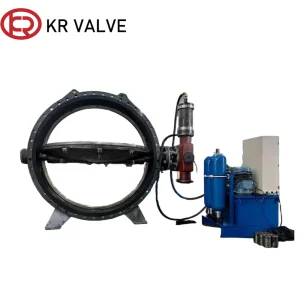
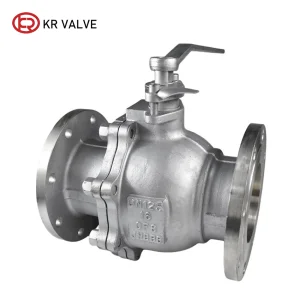
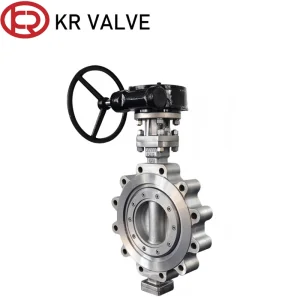
1. The Fluid Mechanics & Mechanical Architecture of Custom Discharge Valves
In modern industrial process engineering, the discharge valve serves as the vital bottom-outlet control element for reactors, mixing vessels, storage silos, and crystallization tanks. Unlike standard inline isolation valves, custom discharge valves are explicitly designed to eliminate "dead space" (stagnant media zones), handle high slurry concentrations, and provide reliable shut-off under severe thermal and pressure dynamics.
Zero-Dead-Space Architecture
Standard ball or gate valves mounted beneath a tank nozzle leave a dead space volume where fluid or powder settles, leading to batch contamination or crusting. Custom flush-bottom discharge valves position the valve disc flush with the inside wall of the vessel, eliminating unmixed product pockets completely.
High-Integrity Sealing Technology
Discharge valves operate in harsh slurry, polymer melt, and corrosive acid environments. Modern engineering incorporates Stellited hard-faced metal-to-metal seats, virgin or glass-filled PTFE/RTFE encapsulated inserts, and spring-energized dynamic packing to ensure zero external emissions (ISO 15848-1 certified).
Severe Duty Actuation Integration
Custom discharge valves require specialized mechanical drives. Pneumatic quick-closing cylinders, hydraulic emergency fail-safe systems, and smart electric actuators with HART/Modbus feedback are fully integrated to prevent clogging during viscous or polymer crystallization phases.
2. Custom Discharge Valve Types vs. Standard Valves
Evaluating performance differences across key industrial operational metrics to guide procurement decisions for heavy-duty process applications.
| Valve Design Type | Dead-Space Rating | Slurry & Viscous Handling | Sealing Mechanism Options | Clean-in-Place (CIP) Fit | Primary Industrial Use Case |
|---|---|---|---|---|---|
| Disc Opening Into Tank (Flush Bottom) | Zero (Optimal) | Excellent (Breaks surface crust) | Metal-to-Metal / Stellite / PTFE | Very High | Chemical Reactors, Crystallizers |
| Disc Opening Into Valve (Flush Bottom) | Near Zero | Good for medium viscosity | RTFE / PEEK / Stainless Steel | High | Storage Vessels, Mixing Tanks |
| Ram / Piston Discharge Valve | Absolute Zero | Superior (Piston pushes out solid) | Multi-ring PTFE Packing Rings | High (Self-Cleaning) | Polymerization & Petrochemical |
| Slurry Knife Gate Discharge | Moderate | Excellent for mining tailings | Elastomer Sleeves / Metal Seat | Medium | Hopper Bottoms, Mineral Dredging |
| Standard Ball Valve (Baseline) | High (Stagnant Cavity) | Poor (Solid particles jam ball cavity) | Soft PTFE / Metal Seat | Low | Standard Piping Isolation Only |
3. Strategic Advantages of China's Custom Discharge Valve Manufacturing Hubs
China's flow control industrial cluster—anchored in hubs such as Tianjin, Wenzhou, and Jiangsu—delivers unmatched scale, metallurgical precision, and supply chain agility for international EPC firms and OEM buyers.
Advanced Metallurgical & Foundry Expertise
Chinese valve factories utilize state-of-the-art silica sol investment casting and sand casting technologies. From standard WCB and GGG40 ductile iron to high-alloy materials like SS316L, CF8M, Hastelloy C276, Duplex 2205, and Monel, casting precision ensures void-free, pressure-tight valve bodies.
Full-Chain CNC Precision Machining
Equipped with 5-axis CNC machining centers, automated seat-surfacing robotic stations, and laser-cladding machines, China's direct manufacturers achieve micrometer-level machining tolerances on sealing faces, disc contours, and stem alignment.
Scalable OEM/ODM & Customization Capabilities
Global procurement teams benefit from end-to-end custom engineering: tailored face-to-face dimensions, custom flange drillings (ANSI 150/300, DIN PN16/25, JIS 10K), specialized seat hard-facing (Stellite coating), and bespoke actuation mountings per ISO 5211.
4. Next-Generation Industry Trends & Technical Innovations
The discharge valve industry is rapidly evolving towards smart automation, zero fugitive emissions, and extreme wear-resistant material science.
IoT-Enabled Predictive Valve Monitoring
Smart discharge valves integrated with acoustic emission sensors, stem position transmitters, and torque feedback algorithms allow plant supervisors to predict packing degradation, seat wear, or scale accumulation in real-time—reducing unplanned downtime in continuous chemical synthesis.
Zero-Fugitive Emissions (ISO 15848-1 / TA-Luft)
Environmental regulations demand stringent leakage controls. Modern custom discharge valves utilize live-loaded PTFE packing sets with Belleville springs, alongside secondary O-ring seals or double stuffing boxes with lantern rings for hazardous media containment.
Advanced Ceramic & Nanocoating Linings
For highly abrasive discharge applications (lithium slurry, mining concentrates, silica powder), factories apply thermal-sprayed tungsten carbide (HVOF) or structural zirconia/silicon carbide ceramic liners, expanding valve service life by up to 500% over standard alloys.
5. Localized Application Frameworks & Field Case Solutions
Engineered discharge valves operate across diverse harsh industrial environments. Below are specialized deployment frameworks engineered by top China valve factories.
Scenario A: Fine Chemical & Petrochemical Reactors
Challenge: High-pressure chemical synthesis requires complete drainage of corrosive acid batches without leaving residue that spoils subsequent batches.
Engineering Solution: Custom flush bottom tank valves fabricated in Hastelloy C276 or SS316L lined with solid PTFE/PFA. Featuring an inverted disc design that opens into the vessel to break solid crust build-up before discharging liquid media cleanly.
Scenario B: Mining Slurry & Mineral Tailings Drains
Challenge: Heavy solid concentration (up to 60% solids) quickly erodes conventional valve seats and blocks stem movement.
Engineering Solution: Heavy-duty slurry knife gate discharge valves with GGG40 ductile iron bodies, replaceable natural rubber/polyurethane sleeve liners, and stainless steel gate blades faced with Stellite hard-facing.
Scenario C: Food, Beverage & Pharmaceutical Hygienic Tanks
Challenge: Ultra-sanitary standards require complete Clean-in-Place (CIP) and Sterilize-in-Place (SIP) capability with zero bacteria growth zones.
Engineering Solution: Electropolished AISI 316L (Ra < 0.4 µm) sanitary bottom diaphragm or disc valves with FDA-compliant EPDM/PTFE diaphragms and tri-clamp sanitary connections.
6. Macro Industry Solutions for Plant Engineering
A holistic perspective on integrating custom discharge valves into plant-wide piping systems, thermal management loops, and emergency shut-down (ESD) frameworks.
Thermal Steam Jacketing Systems
For media that solidifies at room temperature (bitumen, molten sulfur, phthalic anhydride), custom discharge valves are engineered with fully cast or welded steam heating jackets. Steam or thermal oil circulates through the body, maintaining fluid temperature continuously up to the valve seat.
Cavitation & Pressure Surge Mitigation
High-differential pressure tank discharge causes severe fluid cavitation and water hammer. Engineering custom multi-stage perforated trims or hydraulic quick-opening/slow-closing drive cylinders dampens shockwaves and extends downstream piping life.
Fire-Safe & Emergency Cut-Off Integration
In flammable fuel or solvent storage tanks, bottom discharge valves must remain closed in thermal disasters. Custom fire-safe discharge valves designed per API 607 / ISO 10497 incorporate graphite packing and secondary metal seats that seal tightly even if soft seals burn away.
7. Global Procurement Blueprint: Quality Compliance & Factory Audits
Ensuring seamless international procurement, technical compliance, and defect-free valve delivery from China manufacturing partners.
Material Traceability (EN 10204 3.1)
International buyers must require full chemical analysis and mechanical testing certificates (MTC) for all pressure-retaining castings and forgings. Positive Material Identification (PMI) testing guarantees correct alloy composition prior to machining.
Pressure & Leak Testing Standards
Every custom discharge valve must undergo factory acceptance testing (FAT) per API 598, ISO 5208, or EN 12266-1. Tests include high-pressure shell hydrostatic testing, low-pressure pneumatic seat air testing, and seat leakage rate verification (Class VI bubble-tight).
Non-Destructive Testing (NDT)
For high-pressure or lethal service applications, factories conduct Radiographic Testing (RT) on critical casting junctions, Ultrasonic Testing (UT) on stems and shafts, and Dye Penetrant (PT) / Magnetic Particle (MT) testing on welded hard-faced seat overlays.
Featured Custom & OEM Discharge Valve Products (Part 2)
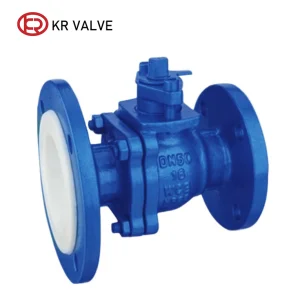
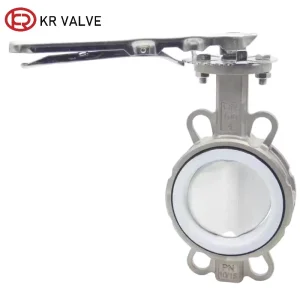
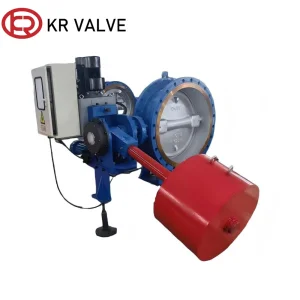
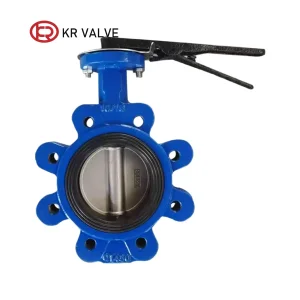
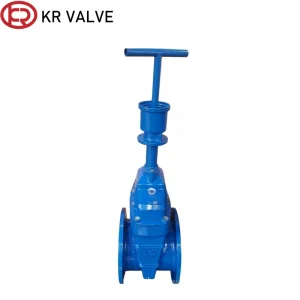
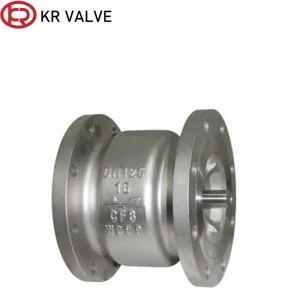
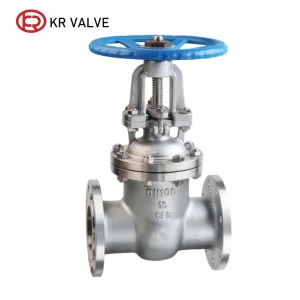
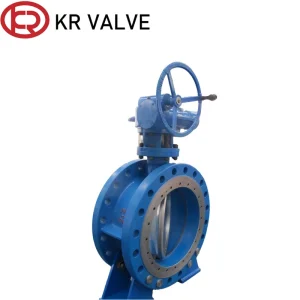
Review the second batch of high-reliability industrial valves engineered for global supply chains, utility networks, and processing plants.
8. Frequently Asked Questions (FAQ) for Custom Discharge Valves
In-depth technical and commercial answers addressing common engineering queries from plant operators, valve buyers, and EPC contractors.
An upward-opening (disc opening into the tank) discharge valve pushes the disc inside the vessel during actuation. This action effectively breaks up surface crusts, sludge layers, or solid precipitates accumulated at the bottom nozzle. A downward-opening (disc opening into the valve) valve lowers the disc into the valve body, which is ideal when internal vessel agitator clearances are tight and cannot accommodate an extending stem or disc.
Unlike standard inline valves governed by ASME B16.10 or EN 558-1, discharge valves typically feature asymmetrical flange connections. The top flange mounting to the tank bottom vessel is generally one nominal pipe size larger (e.g., DN100 top flange with a DN80 outlet flange) to maximize flow intake and prevent bridge formation. Custom China manufacturers machine these mounting flanges according to customer vessel drawings or ASME B16.5 / DIN EN 1092-1 standards.
For abrasive slurry applications, cast carbon steel (WCB) or ductile iron (GGG40) bodies are lined with high-hardness alloys or polymers. Seat sealing surfaces should undergo hard-facing via Stellite 6, Colmonoy, or tungsten carbide thermal spraying (HVOF). For extreme chemical plus slurry wear, structural zirconia ceramics or solid CF8M body with glass-filled PEEK soft inserts provide an optimal service life balance.
Essential quality documentation includes ISO 9001 quality management system certification, CE-PED (Pressure Equipment Directive) approval for European markets, API 6D / API 607 for oil and gas applications, ISO 15848-1 / TA-Luft fugitive emission testing certificates, and material test reports to EN 10204 3.1. Food and pharma applications require FDA / 3-A rubber and elastomer compliance certificates.
Yes. Custom discharge valves are frequently integrated with single-acting spring-return pneumatic cylinders or hydraulic actuators equipped with fast-exhaust solenoid valves and fail-safe reservoirs. In emergency shutdown (ESD) events, the valve can achieve complete bubble-tight closure in under 1.0 second, safeguarding upstream process reactors and downstream personnel.
Dead space is eliminated through "Ram" or "Piston" type discharge valve designs. In these valves, a cylindrical piston extends directly into the center of the vessel wall nozzle during the closed position, completely filling the dead space channel. When opened, the piston retracts fully into the valve bonnet, leaving a full-bore, uninhibited clearance path for viscous resins or molten polymers.