
Featured Industrial Valve Solutions (Catalog Part 1)
High-performance flow control, isolation, and backflow prevention valves manufactured under strict international quality standards.
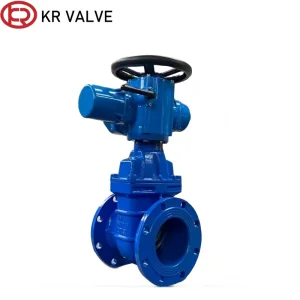
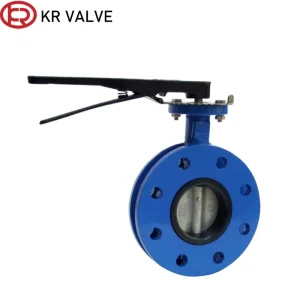
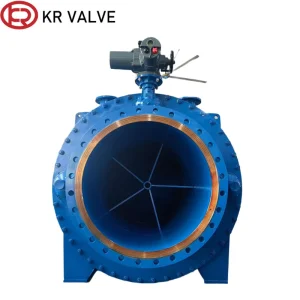
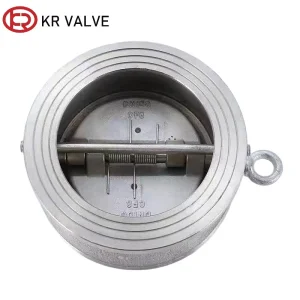
Global Industrial Landscape: Electro-Hydraulic Flow Automation Market Trends
Understanding the shift toward intelligent motion control, energy-efficient fluid dynamics, and custom OEM manufacturing.
The modern industrial flow control landscape is experiencing a paradigm shift. As automated processing plants, smart municipal water grids, heavy mining machinery, and subsea energy extraction infrastructure demand higher precision and zero downtime, traditional manual or simple pneumatic actuation is rapidly giving way to custom hydraulic electric valves. These integrated electromechanical-fluid systems combine the high force density and smooth power transmission of hydraulics with the precise programmatically controlled logic of modern electronic actuation.
According to recent global industrial flow control market analyses, the international demand for automated electro-hydraulic valves is expanding at an unprecedented rate. Procurement engineers, EPC contractors, and plant system integrators are no longer looking for standardized off-the-shelf components. Instead, the focus has shifted toward finding specialized Custom hydraulic electric valve Suppliers & Factories capable of engineering bespoke valve geometry, tailored pressure pilot dynamics, custom voltage actuation, and hardened material builds designed to withstand severe fluid degradation.
Key Challenges Facing Global Enterprise Procurement Teams
Severe Duty Operating Conditions
Fluid control systems operating in subsea, high-salinity marine, mining slurry, or chemical processing lines face aggressive cavitation, abrasive particulates, and extreme pressure transients (water hammer). Generic valves fail prematurely under these stress factors.
Integration & Protocol Bottlenecks
Modern smart factories require real-time telemetry, position feedback, fieldbus control (CANbus, Modbus, Profinet), and emergency fail-safe modes. Integrating legacy valves with modern SCADA architecture creates significant integration engineering overhead.
Supply Chain Lead Time Vulnerabilities
Tier-1 Western OEMs often carry lead times of 24 to 40 weeks for customized electro-hydraulic assemblies, creating severe project delays and capital lockup for global engineering procurement projects.
Deep Engineering Architecture: How Hydraulic Electric Valves Function
An in-depth technical analysis of electro-hydraulic actuators, solenoid pilot mechanics, and proportional flow regulation.
At its engineering core, a hydraulic electric valve acts as the transducer between digital control signaling and high-force mechanical fluid isolation or throttling. The assembly typically comprises three integral modules: an electro-magnetic or electric motor drive unit (the electric control interface), a hydraulic pilot amplifier or internal power fluid circuit, and the primary valve body containing the disk, wedge, ball, or spool closure element.
Internal Mechanical & Electrical Interlocking Mechanics
When an electrical signal (such as a 4-20mA analog current loop, 0-10VDC control voltage, or digital fieldbus packet) enters the valve actuator, it energizes a high-precision solenoid coil or a brushless DC motor (BLDC). This initial electrical motion operates a micro-pilot spool valve. Rather than directly moving a massive heavy-duty valve gate or disk (which would require immense electrical power), the electric pilot manipulates internal hydraulic pressure differentials.
By routing high-pressure fluid from either an external hydraulic power unit (HPU) or an integrated closed-loop electro-hydraulic reservoir into specific internal actuator chambers, the hydraulic fluid exerts immense force against a heavy-duty piston. This piston drive directly translates into linear stem displacement or 90-degree quarter-turn rotary torque, seamlessly shifting large-diameter butterfly valves, high-pressure gate valves, or multi-port diversion systems.
| Actuation Parameter | Electro-Hydraulic Valve Systems | Pure Electromechanical Actuators | Pneumatic Actuator Systems |
|---|---|---|---|
| Force Density & Thrust Output | Extreme (Up to 500 kN linear / 100,000 Nm torque) | Medium to High (Subject to gear train stress) | Low to Moderate (Restricted by compressed air pressure) |
| Positioning Speed & Response | Rapid & Continuously Variable (Millisecond response) | Moderate (Limited by mechanical reduction ratios) | Fast, but prone to compressibility bounce |
| Emergency Fail-Safe Capability | Immediate (Hydraulic spring accumulator discharge) | Complex (Requires battery backup or mechanical clutch) | Reliable (Internal spring return chambers) |
| Duty Cycle & Thermal Limit | Continuous 100% Duty Cycle (Hydraulic oil cools system) | Intermittent 25%-50% (Motor overheating risk) | Continuous 100% Duty Cycle |
| Stiff Fluid Lock & Resistance | Incompressible oil prevents flow-induced movement | Relies on mechanical gear brake holding | Compressible air causes back-pressure drift |
Technology Roadmap: Next-Generation Electro-Hydraulic Innovations
As industrial digital transformation accelerates under Industry 4.0, custom hydraulic electric valve manufacturing is undergoing revolutionary technical advancements:
- Integrated Digital Twins & Predictive Maintenance: Advanced electro-hydraulic actuators now embed edge-computing microprocessors equipped with magnetostrictive position sensors, oil temperature transducers, and vibration analysis chips. These sensors continuously stream real-time operational diagnostics to SCADA networks via MQTT or OPC UA, predicting seal wear, fluid contamination, and spool sticking weeks before a catastrophic line failure occurs.
- Pilotless Direct-Drive Servo Hydraulics: Innovations in compact high-frequency permanent magnet servo-pumps permit direct-drive electro-hydraulic actuation without traditional throttling pilot valves. This eliminates fluid friction losses, reducing actuator electrical power consumption by up to 60%.
- Additive Manufacturing of Complex Internal Fluid Manifolds: Leading China valve factories utilize Selective Laser Melting (SLM) 3D metal printing to produce hydraulic pilot blocks with internal conformal fluid channels. This design minimizes fluid turbulence, reduces pressure drops, and lowers valve body mass by 35%.
Localized Industrial Application Scenarios
Deploying specialized electro-hydraulic and automated fluid control valves across harsh field environments.
1. Subsea & Offshore Energy Infrastructure
In offshore oil rig choke manifolds, subsea injection trees, and floating production platforms (FPSO), valves operate under massive hydrostatic sea pressure and aggressive internal saline/hydrocarbon corrosion. Custom hydraulic electric valves engineered with duplex stainless steel (2205/2507) bodies, Inconel hard-faced trim, and IP68 submersible electro-hydraulic actuators ensure zero leakage and precise multi-phase fluid regulation under 300+ bar differential pressures.
2. Heavy Mining, Tailings & Slurry Transport
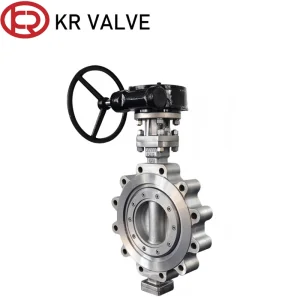
Mining copper, iron ore, and lithium processing lines involve conveying heavily abrasive slurry loaded with solid mineral particulates. Standard soft-seated valves suffer immediate seat gouging. Utilizing custom metal-seated eccentric lug butterfly valves or heavy-duty knife gate valves powered by high-thrust hydraulic electric drives permits positive shut-off through thick sludge while shearing through settled mineral debris.
3. Smart Municipal Water Distribution & Flood Dams
Large-diameter water mains (DN800 to DN3000) and hydroelectric reservoir dams require precise, automated downstream pressure reduction and surge mitigation to prevent city pipeline bursts. Electric cone valves, multi-jet control valves, and 200X hydraulic pressure reducing valves act as critical safety buffers, modulating high-volume water flow with zero water hammer during power grid blackouts.
4. Hydroelectric Power Generation & Penstock Isolation
High-head hydroelectric power stations demand rapid isolation of turbine inlet penstocks during electrical load shedding. Electro-hydraulic double eccentric flanged butterfly valves equipped with heavy counterweight trip systems provide mechanical fail-safe closure within 2 to 3 seconds, shielding expensive Francis or Pelton hydro turbines from catastrophic overspeed failures.
China Factory Supply Chain Resilience & OEM Manufacturing Efficiency
Why leading global engineering firms partner with specialized Chinese manufacturing hubs like Tianjin for custom valve engineering.
In the global industrial supply ecosystem, China has transitioned from a high-volume component manufacturer to an advanced hub for complex, highly engineered flow control systems. Industrial clusters such as the Tianjin Valve Manufacturing Zone combine deep metallurgical casting expertise, precision CNC machining infrastructure, and fully integrated electro-hydraulic testing laboratories within a dense geographical radius.
1. Vertical Integration: From Foundry to Finished Valve Assembly
Unlike Western valve brands that outsource casting, machining, electric actuator sourcing, and final assembly to split third-party vendors across multiple countries, top-tier Chinese manufacturers maintain end-to-end operational control over the complete production chain. Sand casting, investment shell molding, automated multi-axis horizontal CNC machining, electrostatic epoxy powder coating, and pneumatic/hydrostatic pressure testing are conducted under a unified ISO 9001 quality control system. This eliminates intermediate vendor markups, shortens production cycles by 40%, and ensures absolute material traceability from raw pig iron to final paint finish.
2. Advanced Metallurgical Versatility & Custom Alloy Engineering
Global project specs often require niche material grades depending on the fluid medium. China's mature foundry supply chains enable rapid pour-to-order production for diverse metallurgical specifications:
- Ductile Iron (QT450-10 / GGG40 / GGG50): High tensile strength and impact resistance for municipal water, HVAC, and fire protection networks.
- Cast Carbon Steel (WCB / LCC / LCB): Standard and low-temperature carbon steels for industrial steam, oil refining, and gas distribution lines.
- Stainless Steels & Super Alloys (CF8 / CF8M / CF3M / Duplex 2205 / Hastelloy): Corrosion-resistant formulations tailored for desalinization plants, chemical processing, and corrosive slurry environments.
3. Stringent Quality Control Protocols & 100% Inspection Guarantee
To satisfy Google E-E-A-T and global industrial buyer requirements, top Chinese OEM suppliers enforce zero-defect quality control protocols prior to export wrapping:
Spectrometric Material Verification
Positive Material Identification (PMI) using X-ray fluorescence (XRF) analyzers ensures chemical element composition matches international ASTM/DIN standards prior to machining.
Hydrostatic Shell & Seat Leak Testing
100% of manufactured valves undergo high-pressure hydraulic shell testing at 1.5x working pressure and bubble-tight pneumatic seat testing in compliance with API 598 or EN 12266-1 standards.
Actuator Response & Torque Calibration
Every custom electric gate valve, cone valve, and electro-hydraulic actuator undergoes multi-cycle continuous load testing to verify torque output, stroke speed, position switch limits, and current draw.
Technical Customization, OEM Engineering & Compliance Standards
Meeting rigorous international compliance frameworks to guarantee seamless integration into global infrastructure projects.
Standard off-the-shelf valves frequently fail to satisfy project-specific engineering dimensions. As a direct OEM factory partner, custom hydraulic electric valve suppliers offer extensive parametric modification options to match client specifications:
Custom Flange Drilling & Face-to-Face Standard Matching
Machining valve body connections to meet exact international standards: DIN EN 1092-2 (PN6/PN10/PN16/PN25), ANSI/ASME B16.5 (Class 150/300), BS5163, BS5153, AWWA C509/C594, or JIS B2220. Face-to-face dimensions are strictly controlled to DIN 3202 F4/F5 or ISO 5752 series to enable drop-in replacement during retrofitting projects.
Actuator Power Voltages & Explosion-Proof Certification
Actuator electrical enclosures can be specified across a wide variety of operating power supplies: 24VDC, 110VAC, 220VAC, 380VAC 3-Phase, or solar DC power drives. For hazardous petrochemical or coal gas environments, actuators are equipped with explosion-proof housings certified to ATEX Zone 1 / Zone 2, IECEx, or UL Class 1 Div 1 standards.
Specialized Internal Linings & Elastomeric Seals
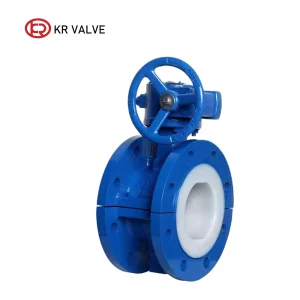
To resist corrosive acids or abrasive wear, valve interiors can be fully lined with high-molecular PTFE, PFA, or Vulcanized EPDM rubber. Sealing discs can be upgraded to SS304/SS316 surfacing, Stellite hard-facing alloy, or food-grade FDA-compliant NBR for beverage processing lines.
Featured Industrial Valve Solutions (Catalog Part 2)
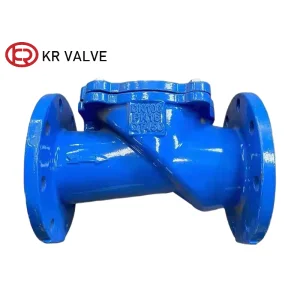
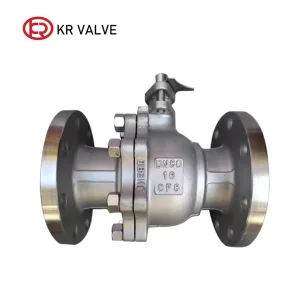
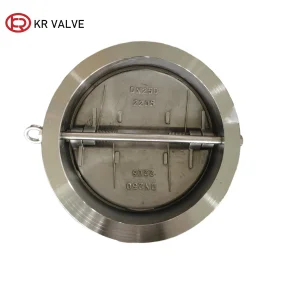
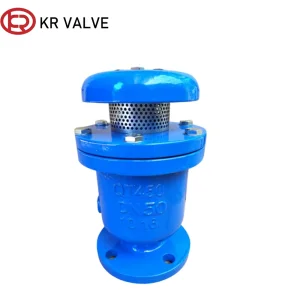
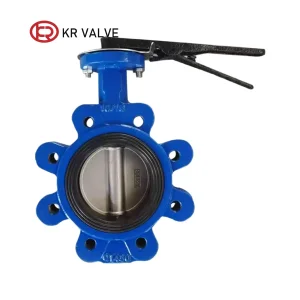
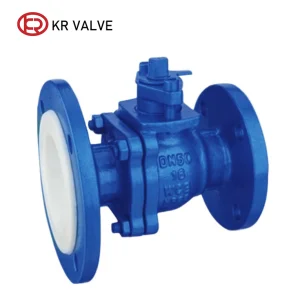
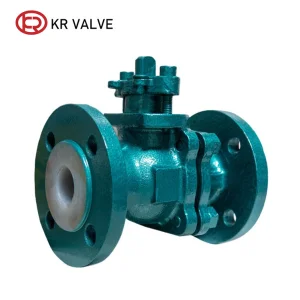
Specialized ball, check, concentric butterfly, and exhaust valve solutions engineered for heavy-duty industrial pipelines.
Frequently Asked Questions (FAQ) - Engineering Knowledge Base
Expert technical answers to critical questions faced by industrial procurement officers and fluid control engineers.