Featured Industrial Valve Solutions
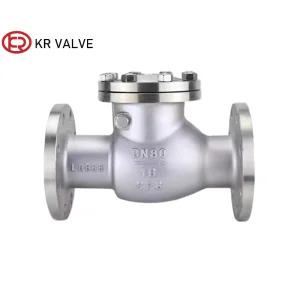
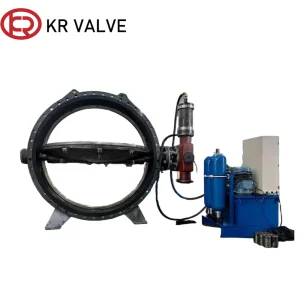
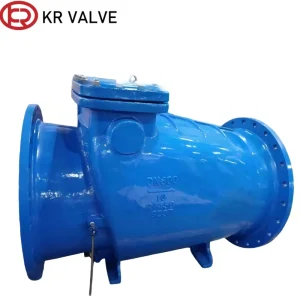
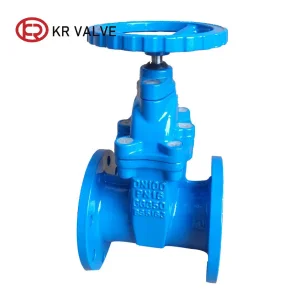
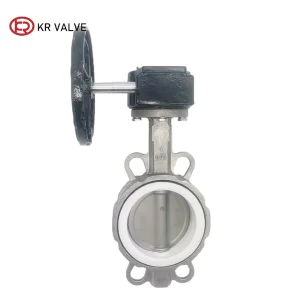
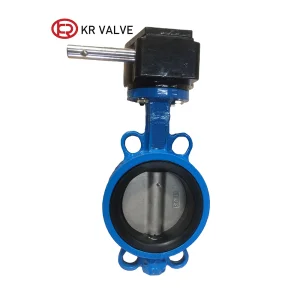
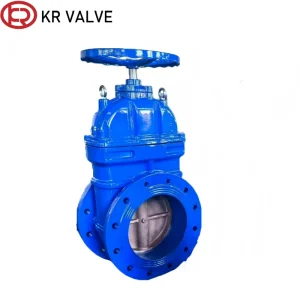
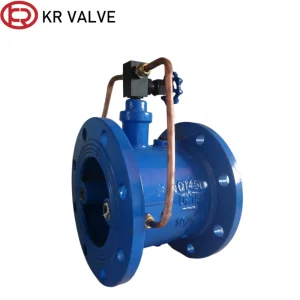
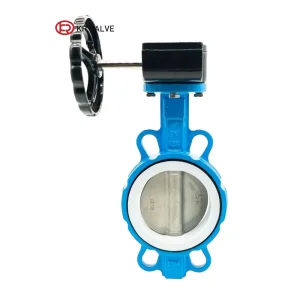
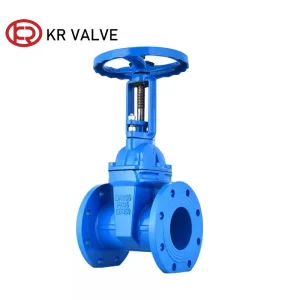
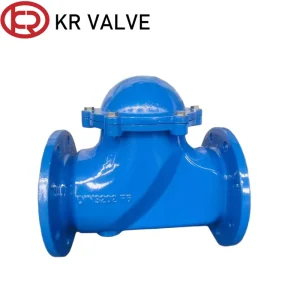
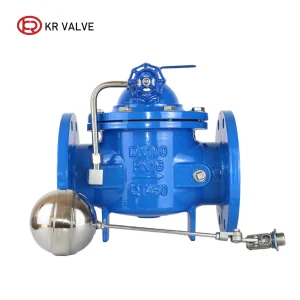
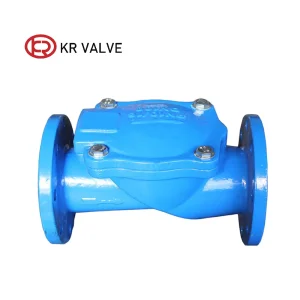
Explore our primary inventory of heavy-duty gate valves, micro-resistance check valves, PTFE seated wafer butterfly valves, and hydraulic control solutions engineered for international project standards.
Fundamentals & Material Science of Soft Sealing Butterfly Valves
An in-depth analysis of resilient seating mechanisms, elastomer polymer selection, seat vulcanization techniques, and structural torque management for industrial fluid networks.
Resilient Seating Dynamics
Unlike metal-to-metal seating valves that rely on precise mechanical contact line interference, soft-sealing (resilient seated) butterfly valves utilize elastomeric deformation to achieve zero-leakage isolation. When the disc rotates into the closed position, the spherical disc edge compresses the resilient seat (EPDM, NBR, Viton, or PTFE), creating a continuous 360-degree bubble-tight seal according to ISO 5208 Rate A and API 598 standard requirements.
Vulcanization & Seat Retention
Modern soft sealing butterfly valve factories employ two primary seat lining structures: replaceable loose-fit boots and molded-in (bonded/vulcanized) seats. Direct vulcanization of the elastomer onto a rigid metal backing ring or internal valve body channel eliminates seat stretch, prevents lining collapse under full vacuum conditions, and significantly reduces seating/unseating torque requirements over long operating cycles.
Stem Sealing & Dry-Shaft Architecture
To eliminate fugitive emissions and protect stem bearings from corrosive fluid media, premium custom soft sealing butterfly valves implement a triple shaft seal design. Primary sealing is achieved by interference fit between the disc hub and seat flat; secondary sealing utilizes inner O-rings embedded within the stem bushings; tertiary safety is guaranteed by top gland O-rings, providing dual-directional barrier security.
Soft Seat Polymer Selection & Medium Compatibility Guide
Choosing the correct elastomer or fluoropolymer compound is critical to optimizing service life, chemical resistance, and operational reliability in specific industrial media environments.
| Elastomer / Seat Polymer | Temp Range (°C) | Primary Working Media | Chemical & Physical Advantages | Key Standards / Compliance |
|---|---|---|---|---|
| EPDM (Ethylene Propylene) | -20°C to +120°C | Potable water, HVAC chilled water, sewage, dilute acids | Excellent ozone and UV resistance, high tear strength, superior hot water endurance | WRAS / NSF 61 |
| NBR (Nitrile Rubber) | -10°C to +85°C | Crude oil, diesel, compressed air, oily wastewater, hydraulic fluids | High resistance to aliphatic hydrocarbons, petroleum products, and mechanical wear | EN 682 / API 609 |
| FKM / Viton® | -15°C to +180°C | High-temp chemicals, aromatic hydrocarbons, concentrated acids, hot gas | Exceptional thermal stability, supreme chemical inertness against harsh solvents | ISO 16010 |
| PTFE / RPTFE (Virgin/Reinforced) | -35°C to +200°C | Ultra-pure water, aggressive acids, alkalis, pharma process lines | Near-universal chemical resistance, extremely low coefficient of friction, hygienic non-stick surface | FDA / EU 1935/2004 |
| Silicone (VMQ) | -40°C to +180°C | Food processing, beverage, pharmaceutical media, low-pressure steam | High flexibility at extreme low temperatures, odorless, non-toxic elastomeric properties | FDA 21 CFR 177.2600 |
Disc & Body Metallurgy Options for Custom Valve Manufacturing
China's premier soft sealing butterfly valve factories offer a wide array of pressure-retaining structural materials to withstand mechanical line stress, pipeline bending moments, and internal fluid velocity erode:
Standard body material offering high tensile strength (400 MPa) and impact resistance at economical price points for municipal waterworks.
Heavy-duty cast steel bodies designed for high-pressure industrial utility, oil & gas distribution, and thermal piping projects.
High-alloy internal discs providing maximum corrosion immunity in brackish water, desalinization brines, and chemical processing media.
China Factory Manufacturing & Global OEM Ecosystem
Leveraging Tianjin's world-class valve manufacturing cluster to deliver high-precision engineering, cost efficiency, strict metallurgy control, and end-to-end OEM/ODM customization for global enterprises.
Tianjin Industrial Cluster Synergy
Situated in Tianjin—China's primary industrial valve manufacturing cluster—our factory ecosystems integrate complete local supply chains. From green-sand and resin-sand foundries to high-precision CNC machining centers and rubber vulcanization shops, localized sourcing reduces lead times by 30-40% compared to fragmented international supply routes.
Precision CNC Machining & Automation
Equipped with multi-axis CNC lathes, horizontal boring mills, and automated rubber injection molding machinery, modern soft sealing butterfly valve manufacturers guarantee tight dimensional tolerances on valve neck flanges, shaft pin holes, and body seating grooves, maintaining interchangeability to ISO 5211 actuator mounting standards.
Flexible OEM & ODM Customization
Whether overseas buyers require private labeling, custom face-to-face dimensions (DIN 3202 F4 / EN 558 series 20/13), special Fusion Bonded Epoxy (FBE) coating thicknesses (250-300 microns), or specific lever/gearbox designs, China factory partners provide total engineering agility from CAD/FEA simulation to mass production.
Need Custom Valve Specifications for Large EPC Bids?
Connect directly with our engineering team to request detailed CAD drawings, torque calculations, material certs, and factory-direct volume pricing.
International Quality Standards & Enterprise Procurement Compliance
Ensuring cross-border procurement peace of mind through stringent quality assurance inspection protocols, international certification compliance, and full traceability documentation.
Mill Test Reports (MTR EN 10204 3.1)
Every batch of raw ductile iron, carbon steel, and stainless steel undergoes Positive Material Identification (PMI) chemical analysis and tensile/impact mechanical testing. Mill Test Reports to EN 10204 3.1 standards are supplied with all export consignments to satisfy municipal audit requirements.
Hydrostatic & Pneumatic Testing Protocols
In accordance with ISO 5208 and API 598, 100% of manufactured valves are hydrostatically tested at 1.5x nominal pressure for body shell integrity and 1.1x pressure for seat leakage prior to packaging. Zero visible leakage during required hold times ensures zero-field failure rates upon commissioning.
Regional Certification Alignment
Factory production lines comply with major global regulatory guidelines: CE Pressure Equipment Directive (PED 2014/68/EU), WRAS for drinking water in the UK, NSF/ANSI 61 for North American water distribution, and API 609 for heavy industrial pipeline isolation.
Future Trends in Resilient Flow Control Technology
Discover how advanced smart actuation, eco-friendly powder coatings, and double-offset soft sealing mechanisms are reshaping modern pipeline automation.
Smart Actuation & IoT Integration
Modern soft sealing butterfly valve assemblies are increasingly integrated with intelligent electric positioners, Modbus/HART digital feedback units, and predictive maintenance sensors. Real-time torque monitoring detects seat wear or scale buildup early, enabling proactive maintenance in smart water networks.
Low-Torque Concentric & Eccentric Geometry
Advanced CAD/FEA simulation has optimized disc profiles to minimize flow resistance (increasing Cv/Kv flow coefficients) and reduce seat contact interference. Double eccentric (double offset) soft seated designs pull the disc away from the seat instantly upon opening, decreasing friction wear and extending seal life up to 50,000 cycles.
Eco-Friendly Non-Toxic FBE Coatings
To eliminate heavy metal leaching and prevent tuberculation inside municipal water mains, China leading suppliers utilize electrostatic Fusion Bonded Epoxy (FBE) powder coating processes. Applied at temperatures exceeding 200°C, FBE coatings provide 300+ micron smooth corrosion barriers compliant with drinking water standard WRAS and NSF.
Engineering Implementations Across Key Industries
Custom soft sealing butterfly valves are vital components across municipal, industrial, commercial, and marine flow infrastructure worldwide.
Municipal Water & Wastewater Infrastructure
Used extensively in raw water intake systems, filtration beds, pump station discharge lines, and municipal distribution mains. Resilient EPDM seats handle chlorinated water while offering low head loss and quick 90-degree quarter-turn isolation.
HVAC Chilled & Hot Water Piping
Installed in district cooling plants, commercial building boiler loops, and air conditioning central chillers. Compact wafer and lug body styles allow easy installation between standard ANSI Class 125/150 or PN10/16 flanges in tight mechanical rooms.
Seawater Desalination Plants
Equipped with Super Duplex (2507) or Hastelloy discs paired with vulcanized EPDM or PTFE liners to resist severe pitting corrosion, chloride attack, and bio-fouling in reverse osmosis (RO) high-pressure desalinization skids.
Frequently Asked Questions by Procurement Managers & Engineers
Get immediate expert answers regarding soft sealing butterfly valve specifications, structural selections, pressure ratings, and sourcing from Chinese suppliers.
What is the primary difference between a soft sealing and a metal sealing butterfly valve?
Soft sealing butterfly valves feature elastomeric (EPDM, NBR, Viton) or fluoropolymer (PTFE) seats that deform under compression to provide 100% bubble-tight shut-off (ISO 5208 Rate A). Metal sealing butterfly valves use stainless steel or stellite seats capable of enduring extreme temperatures (>250°C) and high pressures, but may permit minor allowable leakage (ISO 5208 Rate C/D). Soft sealing is ideal for clean liquids, water treatment, and low-to-medium temperature utility lines.
Should I select a Wafer, Lug, or Double Flanged butterfly valve body design?
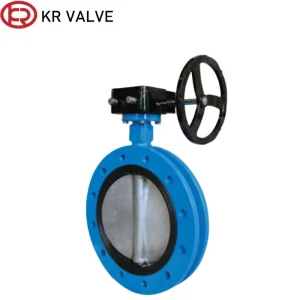
Wafer type is the most compact and economical option, clamped between pipe flanges with guide holes. Lug type features threaded lugs around the body, allowing dead-end service and downstream pipe removal under pressure. Double Flanged type has integral bolt flanges at both ends, offering maximum structural rigidity and stability on larger pipe diameters (DN350+) or buried municipal mains.
How do China factories control vulcanization quality for soft EPDM/NBR liners?
Leading Chinese factories utilize automated vulcanization presses with precise temperature, pressure, and cure-time microprocessors. The rubber compound is chemically bonded onto a rigid phenolic or metallic skeleton ring or directly onto the shot-blasted body channel. Adhesion tests (ASTM D429) and durometer hardness verification (Shore A) ensure the elastomer does not detach, stretch, or tear under high velocity flow.
Can custom soft sealing butterfly valves be actuated automatically?
Yes. All standard resilient seated butterfly valves produced by our factory network feature top flanges compliant with ISO 5211 dimensions. This standardized mounting pad allows direct or bracketed mounting of pneumatic actuators (double acting / spring return), electric quarter-turn actuators, or hydraulic operators without modifying the valve stem.
What lead times can overseas buyers expect for bulk OEM orders?
Standard catalogue wafer and lug butterfly valves (DN50 to DN300) with standard EPDM seats are typically dispatched within 15-20 days. Custom engineered orders involving special alloy discs (CF8M/Duplex), customized body dimensions, or specific epoxy coating requirements generally carry a lead time of 25-35 days from approved CAD drawings.
What documentation is provided to guarantee compliance with international bids?
Every export order is accompanied by a full Quality Assurance Dossier including Mill Test Reports (EN 10204 3.1) for body & disc castings, Hydrostatic & Pneumatic Seat Test Certificates (ISO 5208/API 598), Coating Thickness Measurement Reports, Certificate of Origin (CO), and ISO 9001 factory quality audit certificates.
Expanded Specialty & Check Valve Portfolio
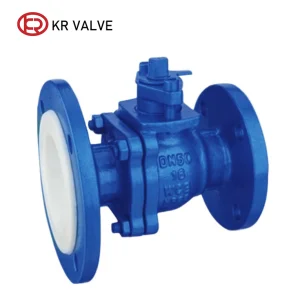
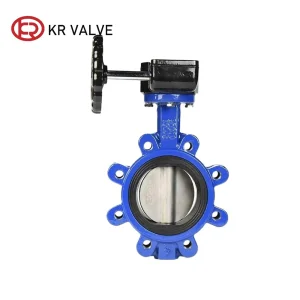
Browse our secondary catalog featuring API swing check valves, hydraulic cylinder butterfly valves, BS5163 gate valves, PTFE lined ball valves, and heavy-duty lug pattern butterfly assemblies.