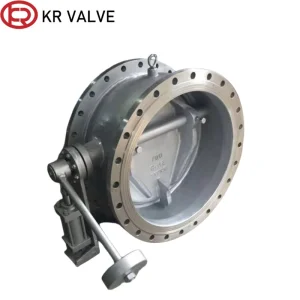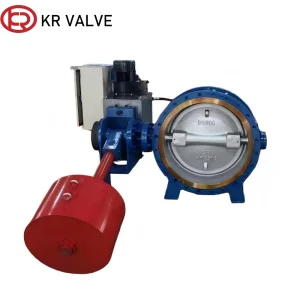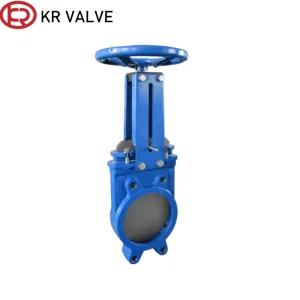
Featured Industrial Flow Control Valves (Part I)
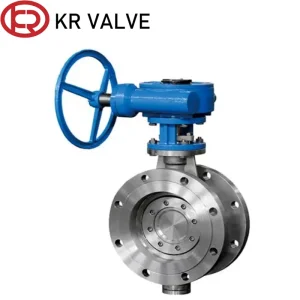
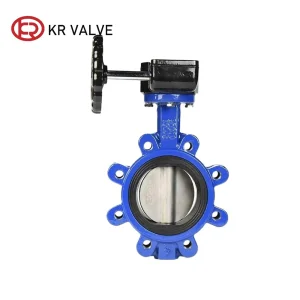
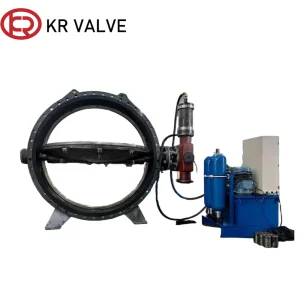
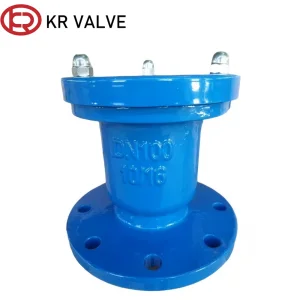
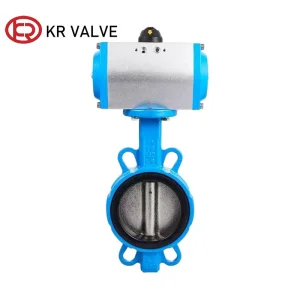
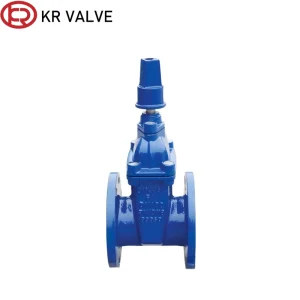
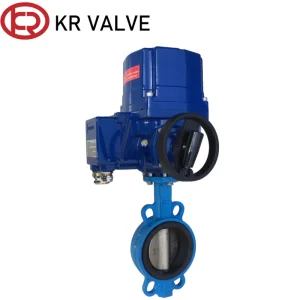
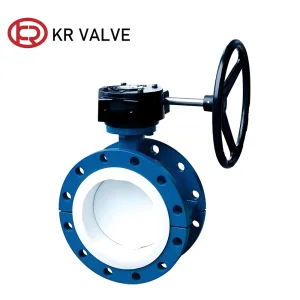
Explore our heavy-duty wafer, lug, flanged, and automated valve series engineered for rigorous global projects.
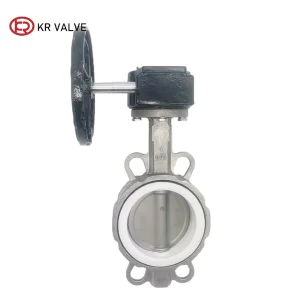
Executive Engineering Whitepaper: Stainless Steel Knife Gate Valve Mechanics
A comprehensive analysis of shear stress, sealing dynamics, material selection, and structural resilience in heavy-duty flow control.
In high-viscosity, slurry-laden, and highly corrosive industrial process lines, standard gate valves or globe valves frequently experience seat clogging, disc jamming, and severe abrasive degradation. The Stainless Steel Knife Gate Valve represents the pinnacle of linear shut-off technology specifically engineered to address these challenges. Featuring a precision-machined, bevel-edged stainless steel gate, this valve acts as a mechanical guillotine capable of shearing through dense suspended fibers, mining slurries, sludge, and dry powders.
Selecting the optimal custom knife gate valve requires an in-depth understanding of fluid dynamics, metallurgical chemistry, and structural mechanical engineering. As leading manufacturers based in Tianjin, China, KR Valve synthesizes advanced investment casting with rigorous finite element analysis (FEA) to manufacture knife gate valves conforming to international design codes including MSS SP-81, ASME B16.34, API 598, and DIN EN 1092-1.
Precision Metallurgy & Alloy Grade Selection
Utilizing high-grade austenitic alloys (CF8/304, CF8M/316, CF3M/316L) and Duplex/Super Duplex stainless steels (2205, 254 SMO). Our casting procedures guarantee low carbon content, eliminating intergranular corrosion during welding and continuous chemical exposure.
Self-Cleaning Shearing Action
The bottom edge of the knife gate is ground to a fine radius bevel. Upon closure, it slices cleanly through solids while simultaneously pushing residual matter away from the seating surface into the lower flush chamber, preventing seat pocket compaction.
Zero-Fugitive Emission Packing Glands
Incorporating multi-layer PTFE/graphite braided packing rings backed by adjustable stainless steel gland followers. Our valves meet ISO 15848-1 and TA-Luft environmental standards, preventing volatile organic chemical (VOC) leakage.
Metallurgical & Engineering Specification Comparison Matrix
| Alloy Grade | UNS Standard | PREN Rating | Yield Strength (MPa) | Primary Industrial Media Suitability | Temperature Limits |
|---|---|---|---|---|---|
| CF8 (304 SS) | UNS J92600 | ~18.0 | ≥ 205 | Freshwater, HVAC, Municipal Sewage, Neutral Liquids | -196°C to +400°C |
| CF8M (316 SS) | UNS J92900 | ~25.0 | ≥ 240 | Paper Pulp, Dilute Acids, Chlorides, Phosphates, Food Processing | -196°C to +500°C |
| CF3M (316L SS) | UNS J92800 | ~25.0 | ≥ 215 | High-weldability industrial lines, Pharmaceutical, Acidic Slurry | -196°C to +450°C |
| 2205 Duplex SS | UNS S31803 | ≥ 34.0 | ≥ 450 | Mining Tailings, Seawater Desalination, Highly Corrosive Slurry | -50°C to +300°C |
| 254 SMO (Super Austenitic) | UNS S31254 | ≥ 43.0 | ≥ 300 | High-Chloride Media, FGD Scrubbers, Bleach Plants, Phosphoric Acid | -196°C to +400°C |
Manufacturing Stainless Steel Knife Gate Valves in China: Factory Advantages
How China's industrial valve hubs combine advanced metallurgy, automated CNC machining, and uncompromised quality assurance to deliver global ROI.
Full Supply Chain Integration & Cluster Efficiency
China's valve manufacturing hubs—particularly in Tianjin and Zhejiang—offer an unmatched industrial ecosystem. By co-locating raw material steel foundries, precision investment casting workshops, forge shops, and automated CNC machining centers, Chinese manufacturers dramatically minimize lead times and logistical overhead.
At KR Valve (Tianjin) Co., Ltd., we oversee 30+ dedicated production facilities. This full-chain integration allows us to procure certified raw stainless steel ingots, execute lost-wax investment casting with exact dimensional tolerance, and conduct high-speed multi-axis CNC machining under one cohesive quality control framework.
Advanced Casting & Machining Infrastructure
Traditional sand casting often results in subsurface porosity and structural inclusions that lead to micro-leakage under pressure. Modern Chinese factories utilize silica sol precision casting and automated shell molding processes. Stainless steel knife gate valve bodies produced through these methods exhibit flawless surface finishes (Ra ≤ 3.2μm), exceptional wall thickness uniformity, and high tensile strength.
Strict Non-Destructive Testing (NDT) Protocols
To guarantee reliability in critical pipeline applications, Chinese manufacturers implement rigorous quality control systems certified to ISO 9001, CE-PED, and API 6D. Every custom stainless steel knife gate valve undergoes extensive quality verification:
- Spectrometric Chemical Analysis: Positive Material Identification (PMI) on every heat batch to confirm precise chemical composition of Cr, Ni, Mo, and C.
- Ultrasonic & Radiographic Testing (UT/RT): Deep internal volumetric inspection to detect hidden casting defects or micro-cracks.
- 100% Hydrostatic & Pneumatic Shell/Seat Testing: Hydrotesting according to MSS SP-81 and API 598 standards before export.
- Gate Surface Hardening Inspection: Verifying surface hardness (HRC 45-60) after hardfacing or nitriding processes.
Industry Trends & Smart Automation Innovations
The evolution of knife gate valves from manual shut-off devices to intelligent, wear-resistant, IoT-connected process components.
Smart Actuation & IIoT Integration
Modern industrial operations require real-time remote monitoring. Custom knife gate valves are increasingly specified with intelligent pneumatic or electric actuators featuring HART, Modbus, or PROFIBUS communication protocols. Integrated position sensors track gate travel speed, stem torque, and seal degradation for predictive maintenance.
Advanced HVOF Thermal Hardfacing
To resist abrasive slurry wear in lithium mining and iron ore processing, gate surfaces are enhanced using High-Velocity Oxygen Fuel (HVOF) spraying. Applying coatings such as Tungsten Carbide (WC-Co) or Stellite Hardfacing elevates gate hardness to HRC 68+, extending operational lifespan by up to 400% compared to standard 316 SS.
Bidirectional Zero-Leakage Rubber Sleeves
Heavy slurry applications are shifting from traditional uni-directional wedge seats to heavy-duty dual-elastomer sleeve designs (NR, EPDM, Nitrile, Viton). When fully open, the two matching sleeves press tightly together, isolating the metal body from abrasive flow and providing bidirectional zero-leakage shut-off.
Localized Application Scenarios & Engineering Field Solutions
Specific field configurations tailored to handle aggressive chemical, abrasive slurry, and pulp suspensions.
1. Pulp & Paper Manufacturing
Challenge: Wood pulp fiber concentrations (3% to 15% consistency) build up in conventional valve seat recesses, preventing tight closure and causing severe stem binding.
Solution: Custom CF8M/CF3M Stainless Steel Wafer Knife Gate Valves equipped with a V-port blade or a chamfered scraping edge. The knife edge cuts through dense pulp fibers effortlessly, while polished internal body walls prevent stock accumulation.
2. Mining, Tailings & Mineral Processing
Challenge: Highly abrasive mineral tailings (copper, gold, coal, iron ore slurry) erode valve bodies, destroy soft seals, and cause rapid leakage under high flow velocities.
Solution: Heavy-duty Duplex 2205 Stainless Steel Knife Gate Valves featuring Tungsten Carbide coated gates and replaceable polyurethane or high-density natural rubber slurry sleeves. The full-port design eliminates flow turbulence.
3. Municipal & Industrial Wastewater Treatment
Challenge: Raw sewage, primary sludge, and grit contain rags, plastics, and debris that tangle around valve discs and destroy soft rubber seats.
Solution: Stainless steel lug type knife gate valves with non-rising stems and flush ports. Flush ports allow air or water injection to purge accumulated solids from the bottom chest before final valve seating.
4. Chemical & Petrochemical Processing
Challenge: Corrosive organic acids, high temperatures, and toxic medium risks demand complete fugitive emission control and chemical inertness.
Solution: Fully stainless steel (CF8M / 254 SMO) bonneted knife gate valves. The enclosed bonnet completely seals the blade, preventing hazardous chemical fumes from escaping to the atmosphere even under elevated line pressures.
Macro Industry Engineering Framework: Sizing & Procurement Protocol
A step-by-step engineering selection model for EPC contractors, plant managers, and procurement officers.
Step 1: Pressure & Temperature Rating
Determine the maximum working pressure (PN6, PN10, PN16, PN25, or Class 150) and continuous fluid temperature. Select elastomeric seat limits (EPDM ≤ 120°C, Viton ≤ 200°C, PTFE ≤ 220°C, Metal-to-Metal ≤ 500°C).
Step 2: Actuation & Automation Selection
Choose actuation based on duty cycle and site power: Manual Handwheel, Bevel Gearbox, Double-Acting Pneumatic Cylinder, Fail-Safe Electric Actuator, or Hydraulic Cylinder.
Step 3: End Connection Compatibility
Match piping flange standards: Wafer, Lugged, or Flanged drilled to ANSI B16.5 Class 150, EN 1092-1 PN10/PN16, JIS 10K, or AS 2129 Table E for seamless inline drop-in replacement.
Global Enterprise Procurement Checklist for OEM Sourcing
Ensuring quality verification, compliance documentation, and risk mitigation when sourcing custom valves from China.
1. Material Test Reports (MTRs) to EN 10204 3.1
Never accept raw stainless steel without verified mill test certificates. Ensure your supplier provides full heat number traceability linking the chemical and physical test records directly to your valve casting body stamp.
2. Factory Acceptance Testing (FAT) Protocols
Require pre-shipment hydrotesting videos and third-party inspection reports (SGS, TÜV, BV). Every custom knife gate valve must undergo shell testing at 1.5x nominal pressure and seat leak testing per MSS SP-81.
Deep-Dive Technical FAQ: Expert Solutions for Valve Engineers
Frequently asked questions regarding material selection, sealing mechanisms, installation, and maintenance.
- Body & Gate Alloys: CF8, CF8M, CF3M, 2205 Duplex, 254 SMO, Hastelloy.
- Gate Coatings: Hard Chrome plating, Nitriding, Stellite, HVOF Tungsten Carbide.
- Seat Seals: EPDM, NBR, Viton, PTFE, Metal-to-Metal hardfaced.
- Actuation: Pneumatic cylinder with solenoid/limit switch, electric fail-safe actuator, bevel gear, hydraulic cylinder.
- Accessories: Enclosed bonnets for zero leakage, flush ports, V-port deflectors for throttling control.
Featured Industrial Flow Control Valves (Part II)
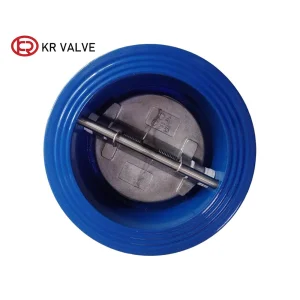
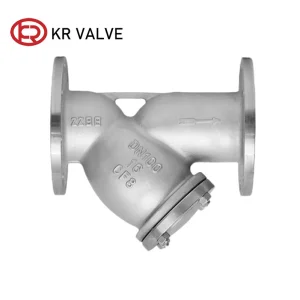
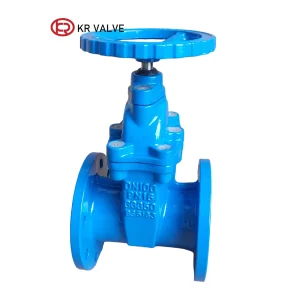
Complete your pipeline system with our check valves, Y strainers, and resilient seated gate valves.