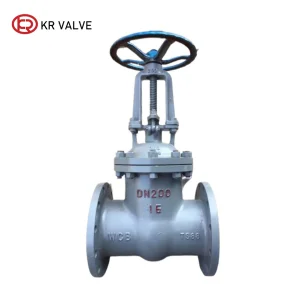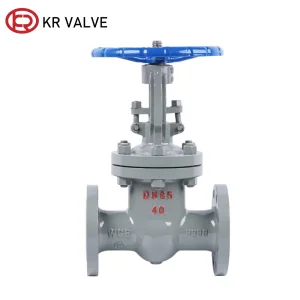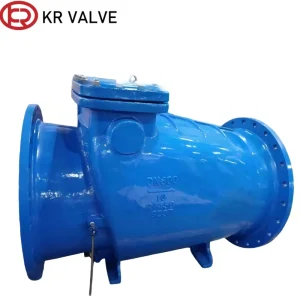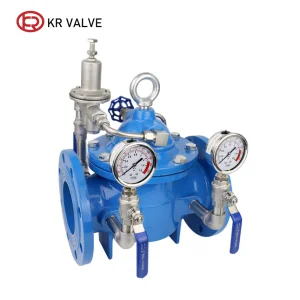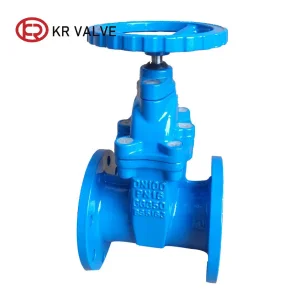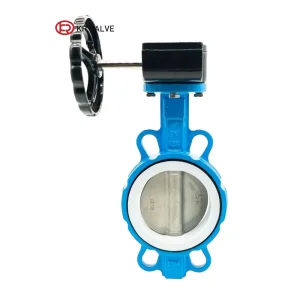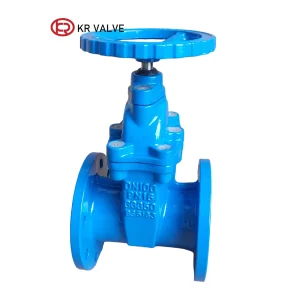
Precision Flow Control Showcase (Part I)
Engineered for zero-leakage isolation, backflow prevention, and continuous duty across municipal, industrial, and specialized fluid systems.
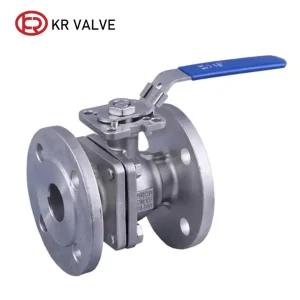
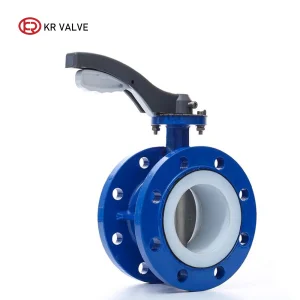
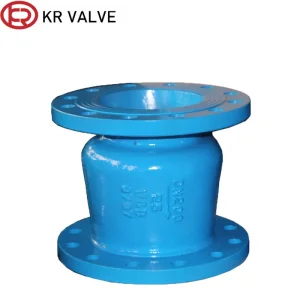
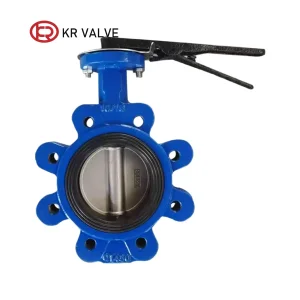
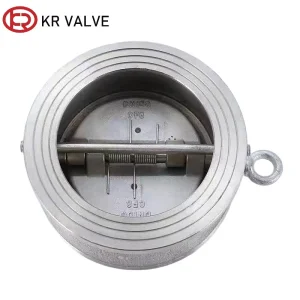
Comprehensive Engineering Guide: OEM Brass Seal Check Valves
An in-depth technical analysis on dynamic non-return sealing, dezincification resistance (DZR), hydro-dynamic cracking pressure optimization, and strict international compliance standards for procurement leaders.
Metallurgical Metallurgy & Material Science
The operational longevity of a brass seal check valve depends directly on chemical alloy composition. Under continuous contact with potable water, aggressive municipal fluids, or high-temperature steam, lower-grade brass suffers from dezincification—a selective corrosion mechanism where zinc leaches out, leaving a porous, structurally compromised copper matrix.
KR Valve utilizes certified copper-zinc alloys including CW617N (CuZn40Pb2) for standard hot-forged structures, and CW602N (CuZn36Pb2As) DZR Brass for stringent anti-dezincification applications. Arsenic doping at precise weight percentages (0.02%–0.05%) creates an impenetrable protective film, ensuring long-term mechanical stability in soft or high-chloride water environments.
Sealing Dynamics: Metal vs. Elastomer Hybrids
Achieving bubble-tight shut-off requires dynamic seat alignment. We offer two primary sealing architectures:
- Precision Precision Brass-to-Brass Metal Seats: Designed for steam, high-temperature boiler lines, and abrasive hydrocarbon processing where elastomeric seals fail. Lapped to mirror finishes with roughness values down to Ra 0.2 µm.
- Brass Seat with Vulcanized EPDM/FKM Elastomer Seals: Engineered for potable water and building service pipelines requiring silent closure, zero seat leakage at micro-backpressure, and high vibration absorption.
Technical Specifications & Material Selection Matrix
| Specification Parameter | Standard OEM Brass Series | DZR Anti-Corrosion Series | High-Pressure Heavy Duty Series |
|---|---|---|---|
| Primary Material Grade | CW617N / C37700 Brass | CW602N / CZ132 DZR Brass | C36000 Heavy Brass / Bronze Alloy |
| Nominal Diameter (DN) | DN15 – DN100 (1/2" to 4") | DN15 – DN50 (1/2" to 2") | DN25 – DN300 (1" to 12") Flanged |
| Nominal Pressure (PN) | PN16 (232 PSI) / PN25 (362 PSI) | PN25 (362 PSI) | PN40 (580 PSI) / ANSI Class 300 |
| Temperature Range | -20°C to +120°C (EPDM/NBR) | -10°C to +150°C (FKM/PTFE) | -30°C to +220°C (Metal-to-Metal Brass) |
| Cracking Pressure Range | 0.02 bar to 0.05 bar (Spring-Loaded) | 0.01 bar to 0.03 bar (Low Delta-P) | 0.1 bar to 0.5 bar (Heavy Spring) |
| Applicable Media | Potable Water, HVAC Glycol, Air | Seawater, Chlorinated Water, Brine | Thermal Oil, High Temp Steam, Gas |
Macro-Industry Solutions & System Integration
Tailored mechanical flow configurations engineered for system stability, minimum pressure drop, and severe-duty protection across global commercial and municipal sectors.
Municipal Water Infrastructure
In municipal water pumping stations and booster networks, water hammer caused by sudden power outages can rupture pipeline junctions. Our brass seal check valves incorporate spring-assisted quick closing discs and guided brass stems. This combination decelerates reverse flow before fluid column separation occurs, eliminating shockwaves and protecting downstream pump impellers.
HVAC & High-Rise Building Systems
High-rise commercial buildings demand silent non-return operation and low head-loss characteristics to maximize chiller plant efficiency. KR Valve supplies full-bore inline brass check valves with hydrodynamic flow paths. These valves reduce turbulence, cut friction loss by up to 18% compared to standard swing designs, and feature anti-vibration seat seals for noise-sensitive installations.
Industrial Chemical & Thermal Lines
Industrial process pipelines handling glycol solutions, compressed air, or light hydrocarbon oils require specialized elastomeric pairing. By integrating custom-molded FKM (Viton) or PTFE soft-sealing rings on high-tensile brass seats, our OEM valves maintain seal integrity under severe thermal cycling and chemical oxidation.
Technology Roadmap: Next-Generation Valve Systems
Pioneering eco-friendly lead-free metallurgy, Industry 5.0 smart valve diagnostics, and nanostructured surface treatments for extreme reliability.
Lead-Free & Zero-Bismuth Eco Alloys
With global environmental mandates such as the US Safe Drinking Water Act (NSF/ANSI 372) and EU RoHS 3 tightening lead threshold limits to <0.25%, KR Valve is leading the industry transition toward silicon-bronze and bismuth-modified brass alloys. Our proprietary C27453 Lead-Free Brass maintains optimal machinability and hot-forging yield while delivering absolute safety for global potable water distribution.
Smart IoT Sensor Integration
As part of our Industry 5.0 R&D initiative, we are embedding micro-wireless acoustic emission and differential pressure sensors within specialized check valve bodies. These smart nodes detect early-stage cavitation, seat wear, and spring fatigue in real time—transmitting predictive maintenance alerts to cloud-based SCADA systems before catastrophic failure occurs.
PVD Surface Hardening & Nano-Coating
To eliminate scale accumulation in hard-water systems, KR Valve applies Physical Vapor Deposition (PVD) Titanium Nitride (TiN) coatings to internal brass sealing discs. This micro-layer increases surface hardness to over 2000 HV and reduces friction coefficients, doubling operational life cycles under severe continuous cycling.
CFD-Guided Ultra-Low Cracking Pressure
Using advanced Computational Fluid Dynamics (CFD) simulation modeling, our engineering team has optimized internal disc geometry and guide-vane curvature. The resulting low-drag flow passage reduces minimum cracking pressure to 0.01 bar while eliminating localized vortex turbulence, dramatically lowering energy consumption in high-flow pumping applications.
China Factory 4.0: Manufacturing Powerhouse in Tianjin
Leveraging automated hot-forging, multi-axis CNC machining, and full-chain quality verification from China's industrial valve hub.
Automated Die-Casting & CNC Production
Situated in Tianjin's advanced manufacturing cluster, our facility houses 600-ton automated friction presses and 12-station rotary transfer CNC machines. Hot-forging brass under controlled temperature gradients eliminates internal micro-porosity, ensuring structural body density capable of enduring burst pressures up to 4x nominal rating.
100% Quality Inspection Protocol
Quality control is integrated into every step of production. Raw brass billets undergo optical emission spectrometry (OES) analysis prior to forging. Every completed valve undergoes double hydrostatic and pneumatic seat testing to EN 12266-1 / API 598 standards prior to automated packaging.
Complete OEM/ODM Customization
As a true dedicated OEM partner, we provide complete custom engineering—including customized thread standards (NPT, BSPT, BSPP), private label laser engraving, bespoke valve body dimensions, custom cracking pressure springs, and specialized retail/project packaging.
Global Regulatory Compliance & OEM Procurement Checklist
Streamlining overseas supply chain management with certified international standards, complete technical documentation, and total cost of ownership (TCO) optimization.
International Regulatory Certifications
Cross-border engineering procurement requires strict verification of regional safety and quality accreditations. KR Valve operates under a certified ISO 9001:2015 Quality Management System. Our potable water brass check valve lines comply with major global standards:
- CE-PED (Pressure Equipment Directive 2014/68/EU): Full compliance for high-pressure European installations.
- WRAS & ACS Approved Components: Certified non-metallic materials (EPDM/NBR seals, lubricants) safe for human consumption in the UK and France.
- DVGW & NSF/ANSI 61/372: Compliance for German and North American drinking water networks.
Engineering Procurement Technical RFQ Checklist
When issuing a Request for Quotation (RFQ) for OEM brass check valves, specifying exact technical parameters prevents costly delays. Ensure your RFQ includes:
- Media Composition & Temperature Curve: Identifies whether CW617N brass or DZR brass is required, along with elastomer compatibility (EPDM vs. FKM).
- System Flow Rate & Max Allowable ΔP: Enables optimized internal spring rate selection to guarantee full opening without flow restriction.
- End Connection & Thread Standards: Specify ISO 228-1 (BSPP), ISO 7-1 (BSPT), or ANSI/ASME B1.20.1 (NPT).
Frequently Asked Questions (FAQ)
Expert answers to common engineering, metallurgical, and procurement queries regarding brass seal check valves.
Brass-to-brass metal seal check valves offer superior resistance to extreme temperatures (up to +220°C), high pressure spikes, and mechanical abrasion from suspended solids. Unlike elastomeric soft seals (such as NBR or EPDM) which degrade under severe thermal cycling or exposure to aggressive fluids, precision-lapped brass metal seats maintain continuous operational integrity without seal hardening, swelling, or thermal blowout.
Dezincification is a form of selective corrosion observed in standard brass alloys exposed to water containing high chloride levels, soft acidic water, or elevated temperatures. Zinc is selectively leached out of the brass matrix, leaving behind a weak, porous copper framework prone to weeping leaks and structural collapse. DZR brass (such as CW602N/CZ132) incorporates specific alloy additions (like arsenic) and specialized heat treatment to resist zinc leaching, extending service life in municipal drinking water systems to over 25 years.
Spring-loaded inline brass check valves utilize a central stainless steel coil spring (typically AISI 304 or 316) that exerts a constant positive closing force on the brass sealing disc. This mechanical force ensures positive seating regardless of physical mounting orientation—allowing the valve to operate flawlessly in vertical up-flow, vertical down-flow (with sufficient backpressure), horizontal, or inclined pipeline layouts.
KR Valve provides full OEM/ODM manufacturing customization. We offer laser-etched customer logos, custom valve body casting molds, customized nominal pressure ratings (PN10 to PN40), tailored spring cracking pressures (from 0.01 bar up to 0.5 bar), specialized thread pitch standards (NPT, BSPP, BSPT), custom brass alloy formulations, and project-specific color-coded packaging or barcodes.
Every production batch undergoes 100% factory inspection in accordance with EN 12266-1 and ISO 5208 standards. Shell testing is performed at 1.5x nominal working pressure (e.g., 37.5 bar for PN25 valves) using hydrostatic media to verify structural body integrity. Seat tightness testing is performed at 1.1x nominal pressure for hydrostatic testing and 6 bar for pneumatic air bubble testing to ensure Zero-Leakage (Rate A) compliance.
Industrial Valve Catalog & Supporting Lineup (Part II)
Discover our comprehensive range of gate, butterfly, check, and pressure control valve assemblies for global pipeline projects.