
Featured Industrial Valve Lineup (Top Sourcing Series)
Explore our high-performance OEM fluid control components certified for global municipal, chemical, and industrial pipeline infrastructures.
-
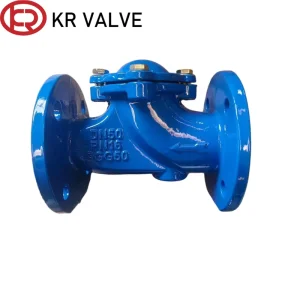
OEM Ball Check Valve Flange Connection EPDM Ball Non-Return Valve
-
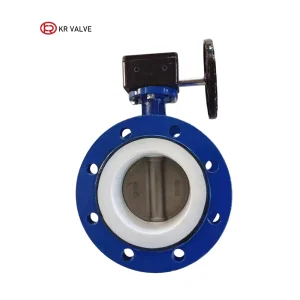
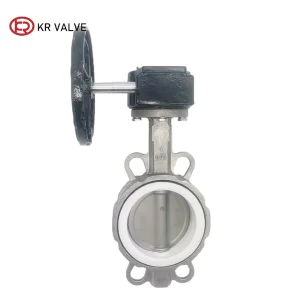
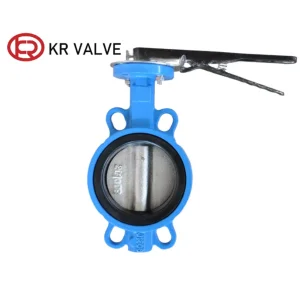
Custom RPTFE Seal Concentric Flange Butterfly Valve Gear Box
-
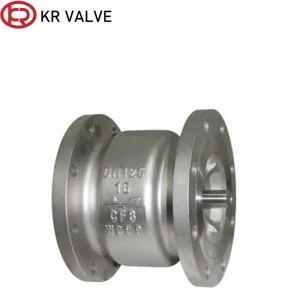
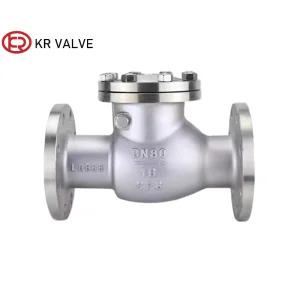
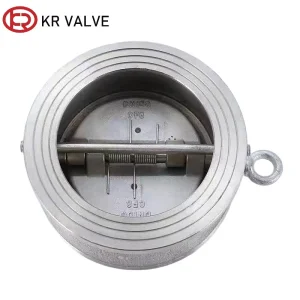
Wholesale Spring Loaded Check Valve Stainless Steel Silent Valve
-
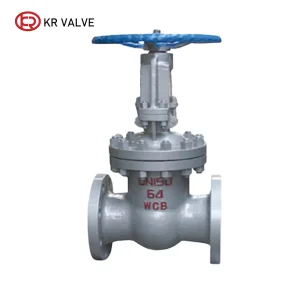
-
-
-
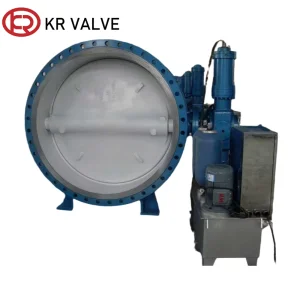
Wholesale Heavy Hammer Hydraulic Butterfly Valve D342X Series
-
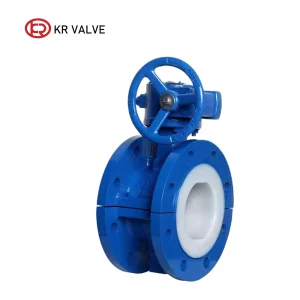
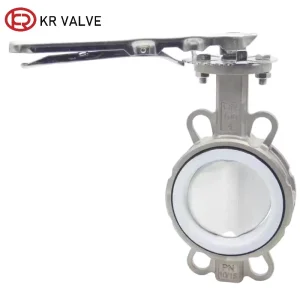
Wholesale WCB Split Body Full PTFE Lined Concentric Butterfly Valve
Global Industrial Landscape: The Role of Flange Knife Gate Valves
Analyzing modern fluid dynamics, municipal upgrades, and heavy industry isolation requirements worldwide.
Heavy Slurry Handling
Traditional gate valves fail under high-solids media due to body cavity clogging. Flange knife gate valves feature a sharp, bevel-edged stainless steel gate engineered to shear through thick slurries, paper pulp, mining tailings, and viscous media effortless, maintaining tight shut-off integrity.
Compact Structural Footprint
Designed with face-to-face dimensions compliant with MSS SP-81 and EN 558-1 Series 20, flange knife gate valves minimize pipe-line weight and space requirements. Their wafer-thin profile reduces installation costs in tight industrial manifolds without sacrificing structural rigidity under pipeline pressure surges.
Zero Leakage Sealing Technology
Modern industrial processing plants demand zero fugitive emissions. With resilient elastomers (EPDM, NBR, Viton, PTFE) or metal-to-metal Stellite hardfaced seats, custom flanged knife gate valves meet ISO 5208 Rate A zero-leakage standards across bi-directional fluid pathways.
China OEM Valve Manufacturing Efficiency & Supply Chain Mastery
How specialized valve hubs like Tianjin provide global EPCs with cost precision, scalable production, and strict international compliance.
Integrated Supply Chain Clusters
Our Tianjin industrial base brings together raw sand casting foundries, investment precision casting shops, CNC machining centers, and rubber vulcanization units within a 30km radius. This geographic concentration reduces logistical friction, lowers component lead times, and allows flexible scale-up for mega-scale municipal and industrial pipeline bids.
Precision CNC Machining & Gate Polishing
Sealing performance in flange knife gate valves depends on gate micro-finish and packing gland precision. Utilizing multi-axis CNC machining, our factory achieves surface roughness down to Ra 0.4 μm on stainless steel gates (SS304, SS316, SS316L, 2205 Duplex). This polished finish extends packing lifespan and dramatically reduces manual/actuated operating torque.
Comprehensive Quality Verification
From Spectrometer Positive Material Identification (PMI) on raw castings to 100% hydrostatic shell testing according to API 598 and ISO 5208 standards, every valve leaves our factory floor backed by EN 10204 3.1 Material Test Certificates. We guarantee zero porosity in ductile iron (GGG40/GGG50) and carbon steel (WCB) pressure-containing bodies.
Target Industrial Applications & Localized Engineering Scenarios
Custom flange knife gate valve solutions configured for specific chemical compositions, temperature profiles, and media solids percentages.
Mining, Mineral Processing & Hydrocyclones
In copper, iron ore, and gold beneficiation plants, severe slurry abrasion destroys standard valves within weeks. Our heavy-duty flanged knife gate valves employ polyurethane sleeves or Ni-Hard deflector cones that shield the valve body from high-velocity particles, maximizing uptime in hydrocyclone isolation lines.
Pulp & Paper Processing Mills
Stock lines exceeding 5% consistency string out and jam standard wedge gate seats. The self-cleaning knife blade cuts through wood fiber, recycled paper stock, and black liquor without packing solid debris in the bottom seal cavity, maintaining smooth pneumatic cycle response.
Municipal Wastewater & Sludge Digestion
Raw sewage, activated sludge, and primary settling tank underflow lines require corrosion protection and bi-directional seal reliability. Epoxy-coated ductile iron bodies paired with replaceable EPDM or Viton U-seats ensure long, low-maintenance lifecycle service under harsh anaerobic digestion conditions.
Power Generation Fly Ash & Pneumatic Conveying
Thermal power plants handling dry pulverized fly ash require high-temperature packing options (Graphite/PTFE blends) and metal-to-metal seats capable of handling thermal expansion and abrasive particulate erosion up to 400°C.
Comprehensive Engineering Matrix & Material Selections
Use our quick engineering reference to match pipeline pressures, face-to-face dimensions, and material grades before requesting a quotation.
| Parameter / Feature | Standard Specification Options | Engineering Benefit & Technical Intent |
|---|---|---|
| Nominal Diameters | DN50 to DN1200 (2" to 48" Large Bore) | Full port design maximizes flow capacity and minimizes line pressure drop across all sizes. |
| Pressure Ratings | PN6, PN10, PN16, ANSI CLASS 150, JIS 10K | Engineered to match local regional flange drilling specs without pipe adapter spools. |
| Flange Connections | ASME B16.5, EN 1092-1, AS 2129 Table E, BS 10 | Fully flanged, wafer, or lugged body options allow downstream pipe removal under dead-end service. |
| Body Metallurgy | Ductile Iron (GGG40/50), WCB Cast Steel, CF8 (SS304), CF8M (SS316), 2205 Duplex | Custom alloy selection resists chemical pitting, chloride stress corrosion cracking, and structural wear. |
| Gate Materials | SS304, SS316L, SS317L, 2507 Super Duplex, Hard Chrome Plated, Nitrided | Precision ground blade edges shear through solid obstructions while preventing seat score marks. |
| Sealing Mechanisms | Resilient (EPDM, NBR, Viton, PTFE) & Hard Metal-to-Metal (Stellite overlay) | Achieves bidirectional or unidirectional bubble-tight shutoff based on fluid characteristics. |
| Actuation Options | Manual Handwheel, Bevel Gear, Pneumatic Cylinder, Electric Actuator (ON/OFF or Modulating), Hydraulic | ISO 5211 top flange mounting allows effortless field retrofitting of smart positioners and solenoids. |
Industry 4.0 Trends & Global Procurement Best Practices
Smart valve diagnostics, zero-emissions packing systems, and OEM buyer compliance requirements.
Smart Actuation & IIoT Integration
Modern industrial plants require real-time valve position telemetry and predictive maintenance. Our OEM flange knife gate valves can be fitted with integrated limit switches, proximity sensors, pneumatic solenoids, and HART/Profibus electric actuators to transmit stem position and packing friction alerts directly to SCADA control rooms.
Low-Fugitive Packing Chambers
Environmental standards such as ISO 15848-1 and TA-Luft demand tight gland sealing. By integrating self-adjusting live-loaded disc springs with PTFE-chevrons or flexible graphite packing sets, our knife gate valves eliminate gland leakage during high-frequency cycling.
Streamlined Export Packaging & Logistics
Global project shipments demand rigorous protective wrapping. Every valve package undergoes anti-corrosion VCI film sealing, stem protection sleeves, and heavy-duty ISPM-15 compliant fumigated plywood crating to protect machined flange faces during multi-modal ocean and overland transport.
Additional Specialized Flow Control Catalog
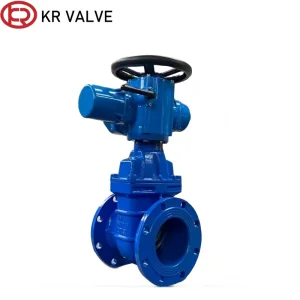
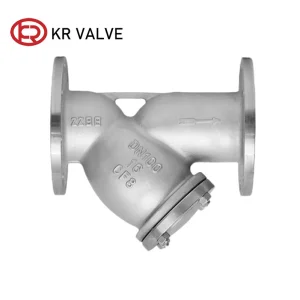
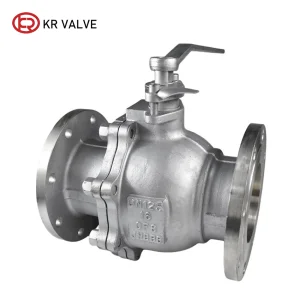
Browse complementary check valves, strainers, butterfly units, and gate valve configurations manufactured under ISO 9001 certification.
Frequently Asked Questions (Technical Sourcing & Application FAQ)
In-depth technical answers provided by our senior engineering director to streamline your purchasing and specification workflow.