Featured OEM Fluid Control Valves & Systems
Standard & customized industrial valve configurations tested for extreme hydraulic pressures, severe environmental endurance, and zero-internal-drift operations.
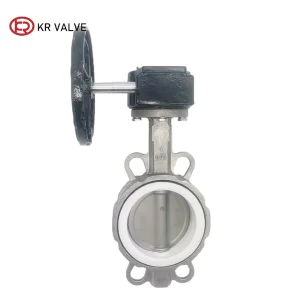
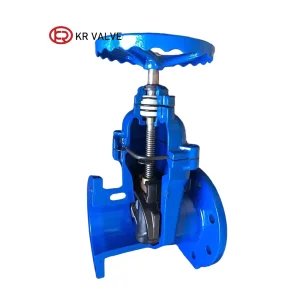
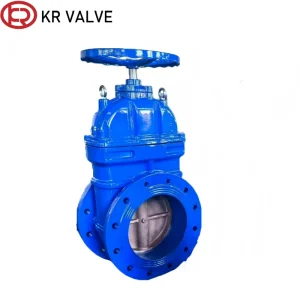
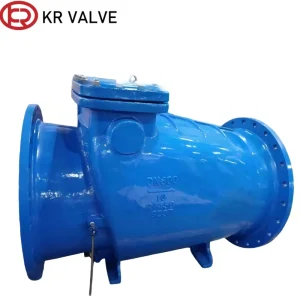
High-Pressure Hydraulic Cylinder Check Valve Engineering Architecture
A whitepaper-level analytical breakdown of fluid mechanics, pilot ratio calculations, poppet seating metallurgy, and dynamic load-holding performance in modern hydraulic cylinder safety systems.
Pilot-Operated (PO) vs. Direct-Acting Mechanics
In heavy-duty mobile hydraulic systems—such as excavator boom cylinders, mobile crane outriggers, and mining shield supports—a standard direct-acting check valve is insufficient for controlled retraction under load. A Pilot-Operated Check Valve (PO Check Valve) incorporates an internal pilot piston that opens the free reverse flow path only when a predetermined pilot pressure signal is applied.
The pilot pressure requirement is governed by the structural pilot ratio $R_p$:
P_pilot = (P_load - P_cracking) / R_p + P_return
Where standard pilot ratios range from 3:1, 4.5:1, to 10:1. A higher ratio lowers the pilot pressure required to unseat the poppet, preventing erratic cylinder chatter, dynamic instability, and excessive pressure spikes across the hydraulic manifold.
Zero-Leakage Sealing Metallurgy & Poppet Dynamics
Internal fluid leakage within a hydraulic cylinder check valve causes unacceptable "cylinder drift," leading to safety hazards in overhead lifting. Our OEM check valve manufacturing utilizes hardened alloy steel poppets (AISI 52100 / 100Cr6) matched with precision-ground carbide seating faces (micro-finish surface roughness < Ra 0.2 µm).
For critical applications requiring zero bubble leakage (e.g., medical operating tables or high-precision aerospace jigs), hybrid elastomer-metallic seats integrating Fluorocarbon (FKM) or Polyurethane (AU) dynamic seals provide positive shut-off at low cracking pressures (0.5 to 3 Bar) while resisting pressures exceeding 420 Bar.
| Valve Type Architectural Class | Typical Pilot Ratio | Operating Pressure Range | Internal Leakage Standard | Primary Industrial Use-Case |
|---|---|---|---|---|
| Direct-Acting Screw-in Cartridge | N/A (Free Flow One-Way) | 0 - 420 Bar (6000 PSI) | < 0.03 cc/min at 350 Bar | Pump outlet backflow prevention, filter bypass protection |
| Single Pilot-Operated Check Valve | 3:1 / 4.5:1 / 8:1 | 10 - 350 Bar (5000 PSI) | Zero-Drift Hard Seat (< 1 drop/min) | Single-acting hydraulic cylinders, outrigger locking pins |
| Dual Pilot-Operated Check Valve | 4:1 / 10:1 Decompression type | 10 - 420 Bar (6000 PSI) | Absolute Zero-Leakage Poppet | Double-acting hydraulic motor lock, steering cylinder lock |
| Subplate Mounted ISO 4401 Valve | 3.5:1 Standard Ratio | 0 - 315 Bar (4500 PSI) | < 0.05 cc/min | Industrial press systems, plastic injection molding hydraulic blocks |
Hydraulic Cylinder Check Valve Technology Roadmap & Future Outlook
Navigating next-generation fluid power developments: electro-hydraulic digitalization, ultra-high pressure hydrogen hydraulics, eco-friendly fluid compatibility, and additive manufacturing optimization.
Smart Electro-Hydraulic Telemetry
The integration of micro-embedded piezoresistive pressure sensors directly into cartridge check valve cavities represents a major technological leap. Real-time differential pressure telemetry allows smart hydraulic manifolds to detect internal seal erosion, contamination lock, and abnormal thermal buildup prior to system failure, enabling true predictive maintenance (Industry 4.0 IoT integration).
Eco-Fluids & 700+ Bar Ultra-High Pressure
With environmental mandates accelerating the transition to bio-degradable hydraulic oils (HEES, HETG synthetic esters), OEM check valves must feature specialized elastomer matrices and corrosion-resistant coatings (Duplex SS & Nickel-Chromium Plating). Furthermore, micro-hydraulics in electric construction vehicles demand pressure thresholds pushing past 700 Bar without increasing block weight.
3D Print CFD Flow-Passage Optimization
Utilizing Laser Powder Bed Fusion (LPBF) additive manufacturing, modern check valve cartridge bodies feature internal curvilinear fluid conduits rather than traditional intersecting drilled holes. Computational Fluid Dynamics (CFD) modeling proves this reduces internal turbulence and pressure drop ($\Delta P$) by up to 30%, suppressing cavitation damage during rapid cylinder dumping cycles.
Macro Industry Application Solutions & Hydraulic System Integration
Custom hydraulic check valve engineering designed to solve critical system risks across mobile, industrial, marine, and renewable energy equipment.
Mobile Construction Machinery & Earthmoving Equipment
In hydraulic excavators, wheel loaders, and mobile cranes, unexpected hose rupture can cause catastrophic cylinder retraction. Direct cylinder flange-mounted pilot-operated check valves (Hose-Burst Protection Valves) lock fluid inside the cylinder chamber immediately upon detecting line pressure drop. Our valves comply with ISO 8643 safety standards, providing smooth emergency lowering controls.
Industrial Forging Presses & Heavy Metal Stamping
High-speed hydraulic presses require large-capacity prefill valves—a specialized derivative of hydraulic check valves—that allow the press ram to pre-fill rapidly from an overhead reservoir under gravity during fast approach, lock tightly during the high-pressure forging stroke (up to 500 Bar), and rapidly decompress to prevent pressure shock before retraction.
Subsea Offshore & Marine Hydraulic Actuation
Offshore winch braking cylinders, subsea valve actuators, and ship steering gears demand exceptional resistance to salt spray and marine corrosion. We produce specialized check valves in AISI 316L, 2205 Duplex Stainless Steel, and Monel K500 with NACE MR0175 compliance for sour gas and saltwater environments.
Wind Turbine Pitch Control & Solar Tracker Hydraulics
Hydraulic pitch systems dynamically adjust wind turbine blade angles to maintain rotational power or feather blades in gale-force winds. OEM check valves deployed in pitch cylinders must operate flawlessly across temperature ranges from -40°C arctic conditions to +85°C desert environments with zero maintenance over 20-year lifecycles.
Global Compliance, Standardization & Regional OEM Technical Support
Ensuring effortless global market deployment with fully certified manufacturing pipelines aligned to North American, European, and Asia-Pacific fluid power engineering standards.
Standardized Interface Interchangeability
All OEM cartridge check valves are manufactured to universally accepted cavity dimensions—including Sun Hydraulics standard cavities, Hydac cavities, and Rexroth standard footprints (e.g., T-11A, T-2A, VC10-2, C-10-2). This guarantees drop-in mechanical replacement for global equipment manufacturers without expensive manifold redesigns.
Quality Assurance & Regulatory Certifications
Our manufacturing facilities operate strictly under ISO 9001:2015 quality management systems and ISO 14001 environmental frameworks. Valve series intended for hazardous operating zones carry CE PED Directive (2014/68/EU) approval and ATEX explosion-proof certification for mining and petrochemical installations.
Field Technical Support & Rapid Engineering
We provide global equipment manufacturers with dedicated application engineering assistance. From customized pilot ratio calculations to localized 3D CAD modeling within 24 hours, our technical team works directly with your hydraulic design team to minimize system development cycles.
China Factory 4.0: Supply Chain Resilience, Automation & Precision Manufacturing
How our advanced smart factory utilizes automated multi-axis machining, robotic thermal processing, and 100% digitalized pressure impulse testing to guarantee competitive OEM supply chain resilience.
Ultra-Precision Machining & Honing
Our high-tech manufacturing center utilizes Japanese Mazak and Okuma 5-axis CNC machining centers paired with automatic robotic loading arms. Internal valve sleeves and poppets are finished via high-precision CNC honing machines, holding dimensional tolerances within ±0.001 mm (1 micron) to ensure perfect concentricity and dynamic sealing performance.
Automated 100% Pressure & Helium Testing
Unlike batch sampling practices, every single hydraulic check valve produced in our facility undergoes 100% automated pressure testing on custom digital test benches. Automated systems verify cracking pressure, reverse proof pressure up to 1.5 times working rating, and internal seat tightness via automated mass spectrometer helium leak detection.
Raw Material Integrity & Supply Chain Agility
To eliminate material defect risks, every steel batch undergoes Spectrometric Positive Material Identification (PMI) and Ultrasonic Flaw Detection. By controlling the entire manufacturing chain—from raw bar forging and vacuum heat treatment to final assembly—we offer dependable lead times and protection against global supply disruption.
Global Enterprise Procurement Needs & Customization Framework
Partnering with global Tier-1 OEMs, hydraulic system integrators, and industrial distributors to deliver custom engineered valve cartridges and complete manifold blocks.
Custom OEM Engineering Capabilities
- Custom Cracking Pressure Calibration: Tailored spring constants yielding cracking pressures from 0.2 Bar up to 10 Bar to suit specific hydraulic return lines.
- Custom Material Alloys: Standard Carbon Steel (12L14, 8620), Heat-Treated Alloy Steel (4140, 42CrMo), Stainless Steels (304, 316, 17-4PH), and Aluminum Manifolds.
- Surface Treatments: Zinc-Nickel Electroplating (passing 1000+ hour salt spray testing per ASTM B117), QPQ Salt Bath Nitriding, and Hard Anodizing.
- Custom Porting & Seals: SAE Flange connections, BSPP, NPTF, Metric threads with NBR, FKM, EPDM, or Polyurethane dynamic seals.
OEM Procurement & Supply Chain Optimization (TCO)
For international buyers managing complex hydraulic component supply lines, reducing Total Cost of Ownership (TCO) is critical. We support enterprise procurement managers with:
- Vendor Managed Inventory (VMI) & Buffer Stocking: Localized safety stock agreements to prevent assembly line downtime.
- Full Lot Traceability: 3.1 Material Certificates according to EN 10204, complete chemical composition and heat treatment reports supplied with every batch.
- Private Labeling & Custom Packaging: Laser-etched customer part numbers, custom QR codes, and shock-resistant export packaging.
Frequently Asked Questions (FAQ) — Engineering & Procurement Guide
In-depth technical answers addressing common questions regarding pilot ratios, internal leakage, valve chatter, cracking pressures, and installation guidelines.
Complete Industrial & Pipeline Valve Product Range
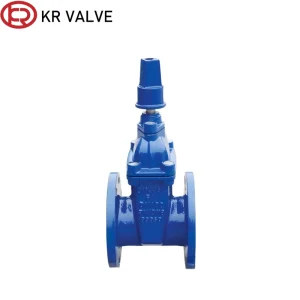
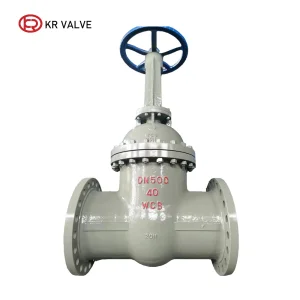
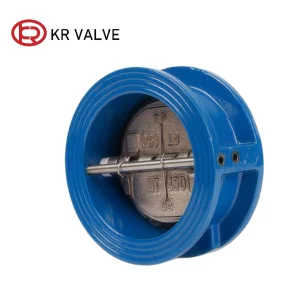
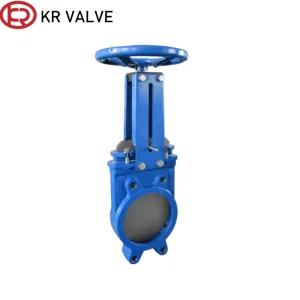
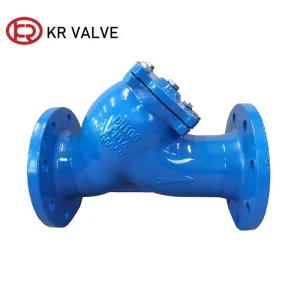
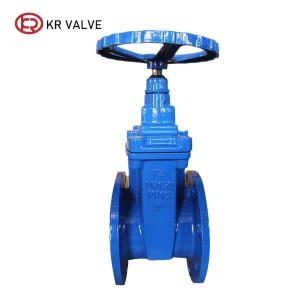
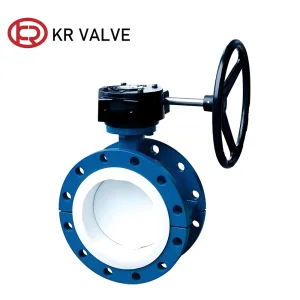
Complementary industrial flow control solutions including gate, check, knife gate, butterfly, and strainers manufactured for infrastructure and processing systems.