
Featured OEM Hydraulic Valves & Actuation Accessories
Directly integrated with high-torque hydraulic systems, our certified valve and strainer assemblies deliver leak-free operational security across high-pressure pipeline environments.
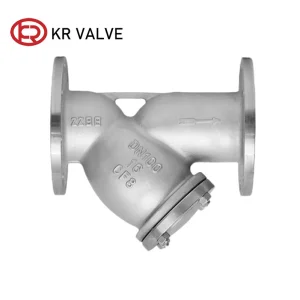
Wholesale CF8 Stainless steel ANSI standard flanged y type strainer Suppliers, Manufacturers
View Product Details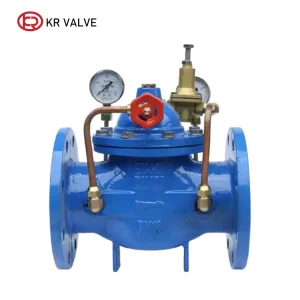
OEM 200X PRV Pressure reducing valve PN16 ductile iron material Suppliers, Factories
View Product Details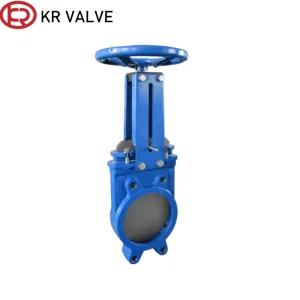
Custom Ductile Iron Wafer Knife Gate Valve PN16 - China Suppliers & Factory for Sewage, Slurry, and Powder Pipelines Manufacturers, Factory
View Product Details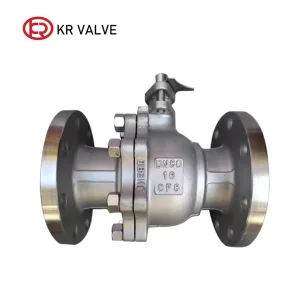
Wholesale Flange Stainless Steel Mounted Ball Valve 4 Inch Handle Manufacturer, Factories
View Product Details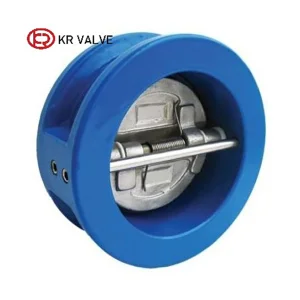
Wholesale China Suppliers Factory One Way Valve, Ductile/Cast Iron Body CF8 Disc, Wafer Type, DN40-DN700, PN6/PN25 Suppliers, Manufacturers
View Product Details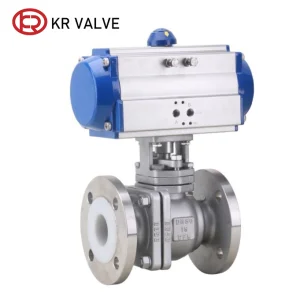
OEM China Suppliers Factory Stainless Steel PTFE Lined Ball Valve Single Acting Pneumatic Actuator Q941F46-10/16 Supplier, Factories
View Product Details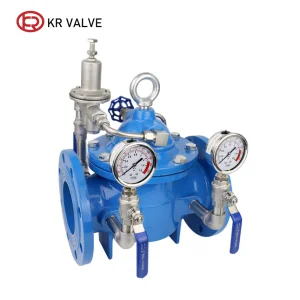
Custom China 200X Pressure Relief Valve Piloted Check Type - Suppliers & Factory for DN50-DN300 Sizes Supplier, Factories
View Product Details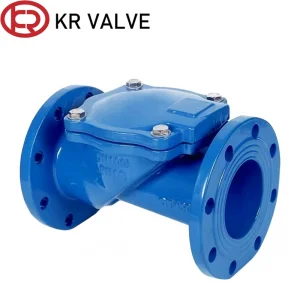
Custom Ductile iron ball type non return valve DIN standard Suppliers, Manufacturer
View Product DetailsGlobal Commercial & Industrial Landscape of Hydraulic Rotary Actuators
In modern industrial engineering, fluid power systems have undergone a profound paradigm shift. The demand for OEM hydraulic rotary actuators has escalated globally due to the increasing necessity for high torque density, compact footprints, and extreme positioning precision in harsh environments. Unlike traditional hydraulic cylinders that rely on complex external mechanical linkages to convert linear motion into rotational movement, hydraulic rotary actuators provide direct rotary torque within a self-contained, sealed housing.
Today's international commercial landscape spans diverse sectors—ranging from maritime crane positioning, offshore subsea valve control, and heavy earthmoving equipment to municipal water flow control and automated metallurgy plants. Key engineering teams globally are specifying hydraulic rotary actuators capable of handling continuous operational pressures from 210 bar (3,000 psi) up to 350 bar (5,000 psi), requiring zero internal drift and robust holding torque under intense dynamic shock loads.
Technical Insight: Helical spline hydraulic rotary actuators yield up to 5 times the output torque of conventional pneumatic or electric actuators of equivalent external dimensions, eliminating mechanical slop, back-drive play, and structural flexing.
Mechanics & OEM Customization Parameters
Understanding the mechanical principles behind Helical Spline, Vane, and Rack-and-Pinion configurations allows engineers to specify the exact actuator geometry for demanding operational profiles.
Helical Gear Technology
Utilizes precision-machined helical splines on both shaft and piston sleeve. As hydraulic pressure moves the piston linearly, the helical gear teeth force the shaft to rotate smoothly with exceptional holding torque and zero backlash.
Vane & Rack Mechanisms
Single and double-vane designs offer lightweight options for moderate pressure applications. Heavy-duty rack-and-pinion actuators excel in ultra-high torque applications where shock resistance is paramount.
Metallurgical Integrity
Forged alloy steel shafts (42CrMo4) coupled with high-tensile ductile iron housings (GGG40/GGG50) undergo gas nitriding and induction hardening to prevent tooth shear under intense fatigue loads.
Theoretical Output Torque Calculation:
Theoretical Torque $T = \frac{P \times V_d}{20 \times \pi} \times \eta_m$
Where $P$ = Operating Pressure (bar), $V_d$ = Volumetric Displacement ($\text{cm}^3/\text{rev}$), and $\eta_m$ = Mechanical Efficiency (typically 85% to 92% for helical gearing).
Engineering Specification Matrix for OEM Procurement
| Parameter | Standard OEM Range | Custom Factory Option | Application Focus |
|---|---|---|---|
| Rotational Angle | 90°, 180°, 360° | Custom angles up to 720° | Valves, Boom Cranes, Steering Links |
| Operating Pressure | 140 bar to 210 bar | High-Pressure Series up to 350 bar | Subsea, Heavy Mining Excavators |
| Housing Metallurgy | Ductile Iron GGG40 / Carbon Steel WCB | 316 Stainless Steel / 42CrMo4 Alloy | Offshore Marine & Chemical Plants |
| Sealing Architecture | Standard NBR / Polyurethane | Viton (FKM) / PTFE High-Temp Seals | Extreme Temperature & Corrosive Media |
| Mounting Interface | ISO 5211 / SAE Flange Standard | Custom Foot & Spline Shaft Geometry | Direct OEM Machine Retrofitting |
China Industry 4.0: Supply Chain Resilience & Cost-Efficiency
Global procurement managers and EPC contractors are increasingly partnering with advanced Chinese OEM factories for hydraulic rotary actuators. This strategic shift is driven by China's continuous investment in Industry 4.0 Smart Manufacturing ecosystems, combining localized foundry integration with world-class multi-axis CNC machining capabilities.
5-Axis CNC & Gear Hobbing
Automated multi-axis machining centers ensure micro-inch tooth surface finishes and strict dimensional tolerances ($\pm 0.005\text{ mm}$), drastically reducing seal friction and internal oil bypass.
Vertical Supply Chain Integration
From raw material steel billets and raw casting foundries to precision gear grinding, heat treatment, and assembly, localized industrial clusters eliminate bottleneck risks and ensure predictable lead times.
Rigorous NDT Quality Control
Every unit undergoes non-destructive magnetic particle inspection, ultrasonic casting defect checks, 100% hydrostatic proof pressure testing ($1.5\times$ working limit), and oil cleanliness validation to ISO 4406 standards.
Total Cost of Ownership (TCO) & Supplier Evaluation Matrix
Evaluating an OEM hydraulic rotary actuator supplier requires a holistic analysis extending far beyond unit purchasing price. Engineering directors must assess long-term operational expenditure (OPEX), potential downtime losses, seal replacement intervals, and factory compliance with international standards.
Essential OEM Supplier Verification Checklist
- System Certifications: ISO 9001:2015 Quality Assurance, ISO 14001 Environmental Management, and CE / ATEX compliance for hazardous operating areas.
- Class Approvals for Maritime Sourcing: DNV-GL, ABS, Bureau Veritas (BV), or Lloyd's Register (LR) certifications for marine-grade hydraulic actuators.
- Heat Traceability & Material Test Reports (MTR): Complete EN 10204 3.1 material traceability for forged alloy shafts and pressure-retaining housings.
- Testing Infrastructure: In-house automated test benches equipped with digital data logging for pressure, flow rate, output torque, internal leakage, and response latency.
Localized Application Scenarios & Engineering Case Studies
1. Offshore & Marine Deck Equipment
Heavy duty marine cranes, pipe-handling arms, and subsea valve manifolds require enclosed hydraulic rotary actuators resistant to salt spray, wave impact, and deep-sea pressure differentials.
2. Mining & Construction Machinery
Excavator bucket tilt mechanisms, drill rig boom rotation, and heavy equipment steering knuckles utilize helical actuators to withstand high shock loads and severe vibrational environments.
3. Hydroelectric & Municipal Water Gates
Direct coupling to large quarter-turn butterfly valves and gate valves enables automatic hydraulic pressure management, surge protection, and emergency shut-off functionality.
Technical & Sourcing FAQ
Clear answers to key technical, engineering, and procurement queries regarding OEM hydraulic rotary actuators.
What is the primary operational advantage of a helical hydraulic rotary actuator over a standard hydraulic cylinder?
How do Chinese OEM manufacturers ensure zero internal drift under high holding pressure?
What custom OEM features can be integrated into the actuator design?
Which international standards govern hydraulic rotary actuator production?
How does fluid viscosity and temperature affect actuator performance?
How do I correctly calculate the required torque rating for choosing an actuator?
What regular maintenance procedures are required for helical rotary actuators?
What lead times can buyers expect when ordering custom OEM actuators from China?
Heavy-Duty Pipeline Valves & Actuation Controls
Explore our full line of industrial ball, gate, butterfly, and check valves engineered for seamless pairing with pneumatic and hydraulic actuation systems.
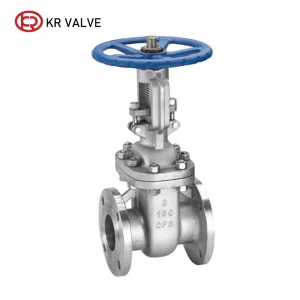
OEM CF8 Stainless steel ANSI solid wedge gate valve Manufacturers, Factories
View Product Details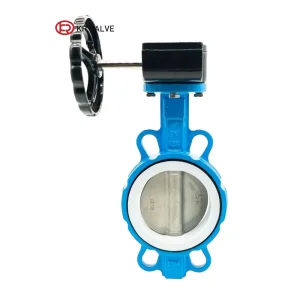
Custom Wafer bf valve PTFE seat gear box operation Suppliers, Factory
View Product Details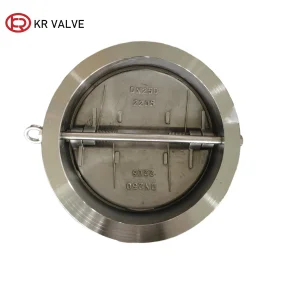
Wholesale Stainless Steel Wafer Dual Disc Check Valve AWWA C594 Supplier, Factory
View Product Details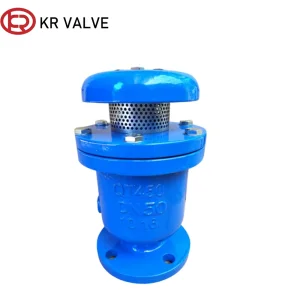
OEM Composite exhaust valve quick exhaust 2-4 inch flange Manufacturer, Factories
View Product Details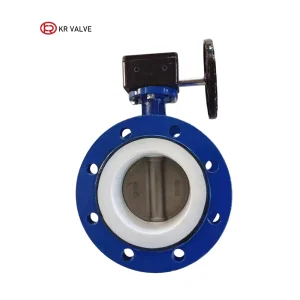
Custom RPTFE seal concentric flange butterfly valve gear box operation Factories, Factory
View Product Details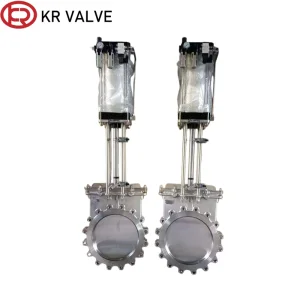
OEM Lug type pneumatic knife gate valve stainless steel material Suppliers, Manufacturers
View Product Details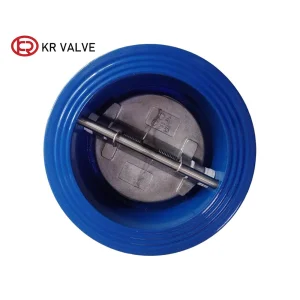
Wholesale China Suppliers Factory H71X-10/16 Wafer Dual Disc Check Valve BS5153 Standard DN40-DN700 Suppliers, Factory
View Product Details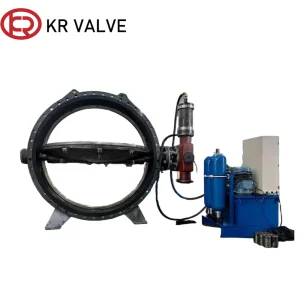
Wholesale Adjustable type hydraulic cylinder operated butterfly valve Manufacturers, Factory
View Product DetailsPartner with Leading OEM Hydraulic Rotary Actuator Factories
Elevate your heavy machinery and pipeline systems with high-density fluid power rotary actuators engineered for absolute reliability, precision torque transmission, and proven operational longevity.