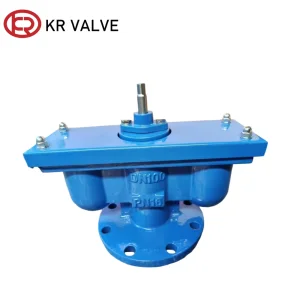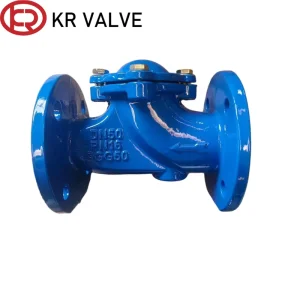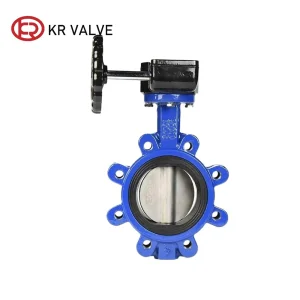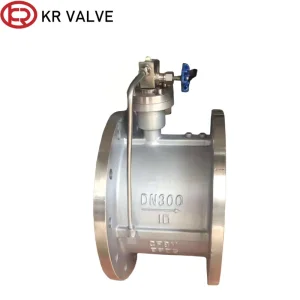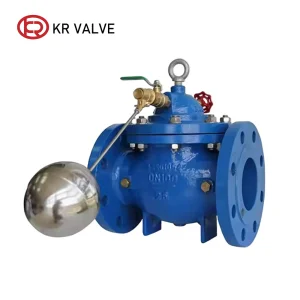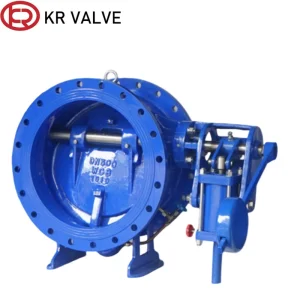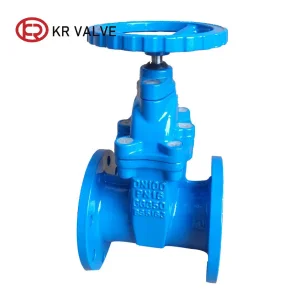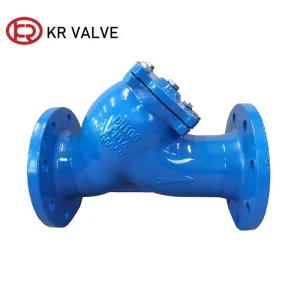
Engineered Valve Series & Heavy-Duty Components
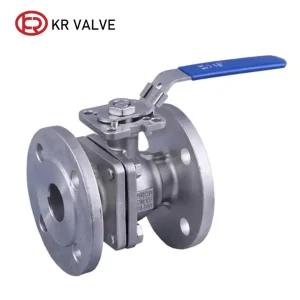
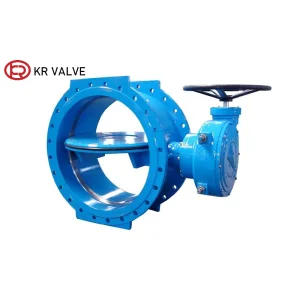
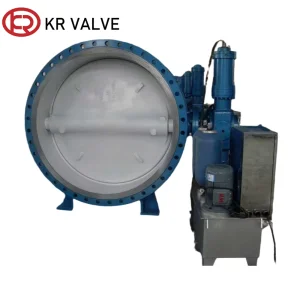
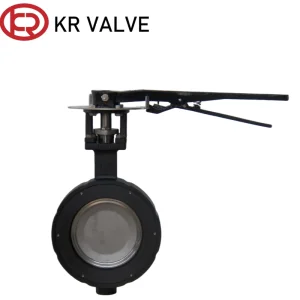
Precision-manufactured to international standards (DIN, BS, ANSI, ISO). Explore our primary lineup below.
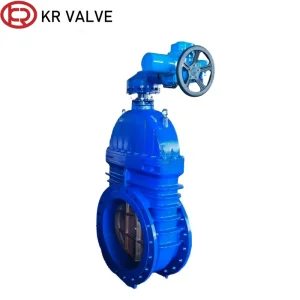
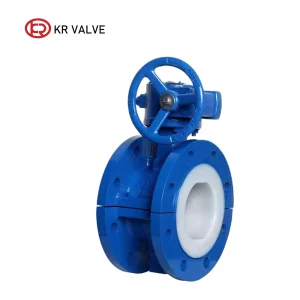
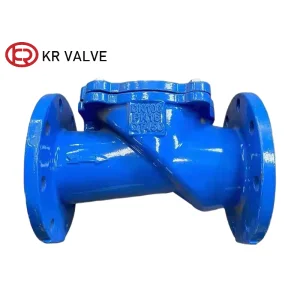
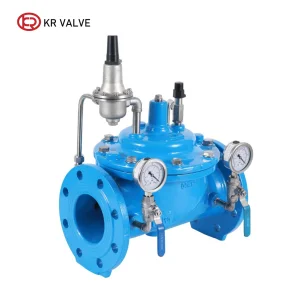
Engineering Excellence in Ductile Iron Swing Check Valves
An authoritative technical analysis on fluid dynamics, material science, and anti-water-hammer architecture for B2B engineering decision-makers.
1. Fundamentals of Swing Check Valve Dynamics & Metallurgy
A Ductile Iron Swing Check Valve serves as an indispensable self-actuating safety component designed to prevent backflow and protect rotating equipment such as centrifugal pumps, compressors, and high-pressure piping infrastructure. Unlike traditional Gray Cast Iron (GG25), modern pipeline engineering overwhelmingly specifies Ductile Iron (EN-GJS-400-15 / GGG40 or EN-GJS-500-7 / GGG50) due to its spherical graphite nodule structure. This microscopic composition imparts superior tensile strength (≥ 400-500 MPa), exceptional impact resistance, and elongation properties up to 15%, preventing brittle fractures under severe pressure surges and hydraulic transients.
The internal disc mechanism hinges freely upon a hinge pin, swinging open under forward fluid velocity and returning smoothly to its seat when forward flow ceases or reverses. Proper hydrodynamic balancing ensures minimal pressure drop ($K_v$ coefficient optimization) while maintaining zero-leakage sealing across low-pressure and high-pressure operational cycles.
2. Material Science Comparison: GGG40/GGG50 Ductile Iron vs. Legacy Materials
| Mechanical Property / Parameter | Ductile Iron GGG40 (EN-GJS-400-15) | Ductile Iron GGG50 (EN-GJS-500-7) | Gray Cast Iron GG25 (EN-GJL-250) |
|---|---|---|---|
| Tensile Strength (MPa) | ≥ 400 MPa | ≥ 500 MPa | ≥ 250 MPa (Brittle) |
| Yield Strength (MPa) | ≥ 250 MPa | ≥ 320 MPa | Not Applicable |
| Elongation Rate (%) | 15% High Ductility | 7% High Toughness | < 0.8% (Risk of cracking) |
| Impact Resistance (Joules) | Superior Shock Absorption | High Structural Integrity | Low Impact Tolerance |
| Hydraulic Transient Resistance | Excellent against Water Hammer | Maximum Pressure Surge Rating | Susceptible to Thermal & Surge Shock |
Global Market & Technological Development Trends
Key shifts shaping the manufacture, specification, and procurement of ductile iron swing check valves globally.
Hydraulic Damping & Anti-Slam Tech
Modern pumping stations demand slow-closing hydraulic dampers, heavy hammer counterweights, and spring-assisted closure mechanisms to combat destructive reverse shockwaves and eliminate water hammer noise.
WRAS & Drinking Water Eco-Coatings
Environmental regulations dictate non-toxic, lead-free internal and external electrostatic Fusion Bonded Epoxy (FBE) powder coatings with minimum 250μm thickness, certified by WRAS, NSF/ANSI 61, and GSK standards.
Smart Valve & IoT Sensor Integration
Integration of magnetic position sensors, wireless vibration telemetry, and pressure drop monitors into check valve bonnets enables real-time asset condition tracking and predictive maintenance scheduling.
Full-Bore Hydrodynamic Cavitation Control
Advanced Computer Fluid Dynamics (CFD) modeling has yielded streamlined valve body geometries that minimize turbulence, reduce head loss coefficients by up to 22%, and prevent cavitation erosion on seating surfaces.
Global Sourcing Requirements & International Standards
Detailed checklist for EPC contractors, engineering buyers, and municipal procurement heads.
When procuring wholesale ductile iron swing check valves, international engineering tenders mandate strict compliance with dimensional, pressure testing, and material standards. Standardizing these criteria ensures seamless field installation and interchangeability.
Design & Manufacturing Standards
- BS EN 12334 / BS 5153: European & British standard for industrial cast iron check valves.
- AWWA C508: American Water Works Association standard for swing check valves (2 in./50 mm through 24 in./600 mm).
- DIN 3202-F6 / EN 558 Series 10: Standard face-to-face dimensions for flanged check valves.
- MSS SP-71: Manufacturers Standardization Society specification for gray and ductile iron swing check valves.
Inspection, Testing & Certifications
- EN 12266-1 / ISO 5208: Pressure testing of metallic valves (Rate A zero-leakage for resilient seat).
- EN 10204 3.1 Certification: Complete chemical and mechanical mill test traceability for raw castings.
- CE / PED 2014/68/EU: Pressure Equipment Directive compliance for European markets.
- WRAS / ACS / NSF 61: Drinking water hygiene and contact compliance approvals.
Industrial Applications & System Integration
Tailored non-return valve configurations engineered for critical infrastructure demands.
1. Municipal Water Supply & Transmission
High-capacity potable water transmission mains utilize ductile iron swing check valves with EPDM/NBR vulcanized disc seals to ensure 100% drip-tight shut-off. Smooth internal contouring guarantees optimal flow coefficient and low energy consumption during continuous pump station operation.
2. Sewage & Wastewater Treatment Plants
For media containing suspended solids or fibrous sludges, non-clogging ductile iron swing check valves feature an unobstructed full bore and clean-out access bonnet. Optional rubber-faced flap configurations prevent solids buildup on valve seating surfaces.
3. Seawater Desalination & Power Generation
Equipped with internal bronze (CC491K) or duplex stainless steel (SS316/A890 4A) trim, ductile iron bodies coated with heavy duty epoxy withstand corrosive brine and high-salinity cooling water loops in coastal desalination plants.
Localization Support, OEM Customization & Quality Assurance
End-to-end manufacturing oversight from sand casting to international logistics.
Custom OEM/ODM Engineering
We provide full custom engineering for international valve distributors and brands. This includes custom flange drilling (ANSI B16.1 Class 125/150, PN10/PN16, JIS 10K), custom face-to-face lengths, non-standard lever counterweight positioning, and custom brand name casting/embossing on the valve body.
100% Quality Inspection Protocol
Every manufactured valve undergoes rigorous quality verification: 1. Spectrometric chemical analysis of raw iron melt; 2. Ultrasonic wall thickness checking; 3. Hydrostatic shell testing at 1.5× PN; 4. High & low pressure seat sealing test at 1.1× PN according to ISO 5208 standards.
Export Packaging & Logistics
To eliminate maritime transit corrosion and physical damage, valves are cleaned, dried, plugged with plastic flange end covers, wrapped in moisture-barrier film, and securely packed into heavy-duty fumigation-free wooden cases built to ISPM 15 standards.
Technology Roadmap & Future Innovations
Pioneering the next generation of eco-friendly and smart flow control hardware.
Phase 1: Advanced Elastomeric Vulcanization
Development of ultra-resilient EPDM and fluoroelastomer compound linings capable of withstanding aggressive inline chemical dosing, ozone treatment, and elevated operational temperatures without polymer degradation or seat bond separation.
Phase 2: Ultra-Low Head Loss Hydrodynamics
Integrating AI-assisted topological optimization in casing design to achieve ultra-streamlined interior contours, reducing turbulent kinetic energy loss, decreasing pumping head requirements, and helping municipal operators reduce net carbon emissions.
Phase 3: Digital Twin & Smart Diagnostics
Embedded micro-sensors for real-time acoustic emission monitoring, detecting seat wear and internal leakage before valve failure occurs. Seamlessly connects via SCADA protocol for automated system health diagnostics.
Frequently Asked Questions (FAQ)
In-depth technical answers addressing common procurement, installation, and engineering queries.
Specialized Flow Control & Piping Products
Explore our full range of auxiliary valves, air release valves, strainers, and control components.