
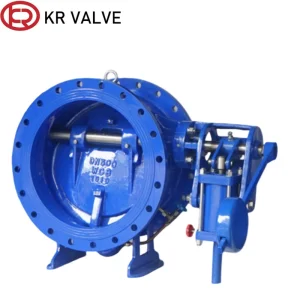
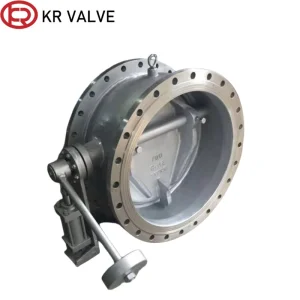
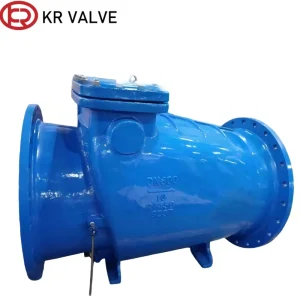
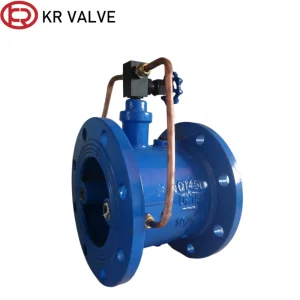
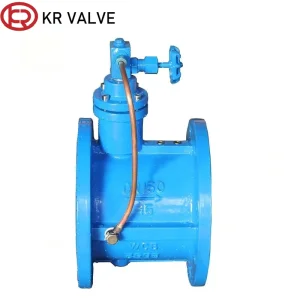
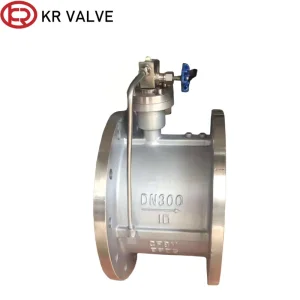
Featured Tilting Disc & Slow-Closing Check Valve Series
Explore our top-tier industrial check valves engineered for severe service applications, low pressure drop performance, and zero-slam hydraulic protection.
Global Procurement Demand & Strategic Market Dynamics for Tilting Disc Check Valves
The global industrial fluid control landscape is undergoing a massive transformation driven by aging municipal water infrastructure updates, expanding reverse osmosis desalination capacity, thermal power plant modernizations, and stringent process safety mandates in the oil and gas sector. At the nexus of this revolution is the demand for highly reliable non-return valves capable of handling high-velocity flow while eliminating catastrophic hydraulic transients—commonly known as water hammer. Engineering procurement specialists and EPC (Engineering, Procurement, and Construction) contractors are increasingly prioritizing Tilting Disc Check Valves over conventional swing check or dual-plate wafer check valves due to their superior hydrodynamic geometry and dynamic closing behavior.
Global demand projections highlight a sharp uptick in high-pressure, large-diameter check valve acquisitions across North America, the Middle East, Asia-Pacific, and Europe. In municipal pump stations and power plant cooling loops, water hammer caused by sudden power outages or pump trip events can generate destructive pressure surges exceeding three to five times normal operating pressure. This threatens pipeline integrity, compromises pump casings, and causes millions of dollars in downtime. Sourcing qualified Tilting disc check valve Suppliers & Manufacturers who possess proven metallurgy expertise, hydro-dynamic design validation capability, and rigorous ISO/API testing compliance is paramount for project risk mitigation.
Key Strategic Takeaway for Procurement Officers: A tilting disc check valve achieves up to 40% reduction in disc stroke angle (typically 40° to 60° opening vs. 80° to 90° in standard swing check valves), allowing the disc to close rapidly before fluid flow reversal actually takes place. Sourcing from experienced manufacturers dramatically lowers total cost of ownership (TCO) by preserving expensive downstream pumping assets.
Transient Surge Protection
Eliminates destructive water hammer by utilizing an inclined pivot axis and balanced mass distribution that closes the valve disc smoothly prior to zero-velocity flow reversal.
Low Flow Resistance
Hydrodynamically contoured aerofoil disc design reduces turbulence and pressure drop, yielding significant lifetime pumping energy cost savings.
Extended Operational Lifespan
Offset pivot pin alignment eliminates seat friction during opening and closing, preventing premature seat wear and galling in high-frequency operations.
Fundamental Physics & Hydrodynamic Architecture of Tilting Disc Check Valves
To appreciate why leading tier-1 EPC buyers specify tilting disc non-return valves, one must analyze the physical fluid dynamics governing their operation. Unlike traditional swing check valves where the hinge pin is placed directly above the seating surface at the top of the body, a tilting disc valve features an eccentric double-offset pivot axis. The pivot shaft is located slightly behind the seat face and offset from the pipeline centerline.
1. Inclined Seating Angle & Stroke Reduction
The valve seat is inclined at an angle of 5° to 15° relative to the vertical line perpendicular to the pipeline axis. This angled geometry serves a dual purpose: first, it reduces the total angular movement required for the disc to swing from fully open to fully closed (typically 50° to 55° total stroke compared to 85° to 90° for standard swing check designs). Second, gravity assists in pulling the top half of the disc backward toward the seat as fluid velocity drops, initiating closure while forward fluid velocity approaches zero.
2. Aerofoil Hydrodynamic Lift & Drag Optimization
The disc itself is engineered with a specialized aerofoil cross-sectional profile. As media flows past the disc, hydrodynamic lift forces are generated across the convex upper surface and concave lower surface. This stabilizes the disc in the fully open position even under low-velocity conditions ($V_{min} \approx 1.0 - 1.2 \text{ m/s}$), eliminating damaging disc chatter and sleeve bushing wear that plague conventional check valves under partial flow regimes.
3. Hydraulic Dashpot Dampening Mechanics
For high-head pumping applications, advanced manufacturers integrate external hydraulic cylinder dampeners or internal oil dashpots. The slow-closing mechanism operates in two distinct stages: a rapid initial closure covering 80-85% of the stroke to block reverse flow velocity spikes, followed by a controlled, cushioned final closure of the remaining 15-20% to prevent hard metal-to-metal slamming against the body seat.
| Performance Characteristic | Tilting Disc Check Valve | Traditional Swing Check | Dual Plate Wafer Check | Silent Nozzle Check |
|---|---|---|---|---|
| Water Hammer Resistance | Excellent (Non-Slam) | Poor (High Slam Risk) | Moderate | Superior |
| Pressure Loss ($K$-Factor) | Low ($K \approx 1.1 - 1.5$) | Medium ($K \approx 1.8 - 2.5$) | High ($K \approx 2.5 - 3.8$) | Medium ($K \approx 1.8 - 2.2$) |
| Disc Stroke Angle | 45° - 55° | 80° - 90° | 70° - 85° | Linear (15 - 25% of DN) |
| Seat Wear Mechanism | Pivot Lift (No Rubbing) | Direct Drag & Hinge Wear | Spring Fatigue & Hinge Wear | Guide Shaft Friction |
| Available Bore Sizes | DN50 to DN2400 (2" - 96") | DN50 to DN1200 (2" - 48") | DN50 to DN1400 (2" - 56") | DN50 to DN1000 (2" - 40") |
Macro Industry Solutions & Sector-Specific Deployments
Leading Tilting disc check valve Suppliers & Manufacturers tailor material specs, face-to-face dimensions, and sealing mechanisms to match demanding application environments. Below are the primary industrial sectors utilizing customized tilting disc non-return valves:
Municipal Water & Sewage Treatment
Deployed in main pump discharge lines, high-head raw water transmission, and wastewater lift stations. Materials typically include Ductile Iron (GGG50/EN-GJS-500-7) with fusion-bonded epoxy (FBE) coating, bronze/SS304 seating rings, and EPDM soft seals for zero leakage.
Thermal & Hydroelectric Power Plants
Crucial for cooling water circulation systems, boiler feed pump discharge, and condenser isolation loops. Fabricated from Carbon Steel (ASTM A216 WCB) or Alloy Steel (ASTM A217 WC6/WC9) with Stellite overlay metal seating to withstand thermal shock and high pressure drops.
Seawater Desalination (SWRO)
High-pressure RO pump skids demand extreme corrosion resistance against concentrated brine. Manufacturers supply high-alloy check valves in Super Duplex Stainless Steel (UNS S32750/CE3MN) or 254 SMO, certified for continuous severe saline exposure.
Petrochemical & Sour Gas Refineries
Engineered in compliance with NACE MR0175/ISO 15156 standards for $H_2S$ sour gas service. Heavy-duty cast stainless steel (CF8M/CF3M) bodies paired with explosion-proof position sensors provide fail-safe operational integrity.
Technical Roadmap, Material Innovations & Smart Valve Horizons
As industrial processing plants pivot toward digitalization and predictive maintenance frameworks, the humble check valve is undergoing a technological evolution. Modern Tilting disc check valve Suppliers & Manufacturers are integrating smart sensor technologies and cutting-edge material science to transition from reactive components to connected assets.
1. Computational Fluid Dynamics (CFD) & Topology Optimization
Advanced manufacturers utilize 3D CFD simulation software to model transient flow profiles, vortex shedding, and cavitation indices ($\sigma$) under varying fluid velocities. Topologically optimized disc casting profiles eliminate unnecessary mass while maintaining structural rigidity, lowering disc inertia by up to 25% and enabling faster response times during pump trips.
2. IoT Sensorization & Condition Monitoring
Smart tilting disc valves now feature non-intrusive WirelessHART or IO-Link enabled sensor suites, including:
- Hall-Effect Shaft Angle Sensors: Real-time tracking of disc angular displacement to monitor full opening and detect partial clogging.
- Acoustic Emission Leak Detectors: Ultrasonic sensors placed near the seating zone to instantly flag high-frequency leak turbulence caused by seat erosion or debris trapping.
- Vibration & Shock Accelerometers: Continuous monitoring of body shock waves during closure to evaluate dashpot damper health and prevent unnoticed surge events.
3. Metallurgical Alloys & Hardfacing Technology
To eliminate galling and extend wear life under high-velocity slurry or steam service, seating surfaces are reinforced using High-Velocity Oxygen-Fuel (HVOF) thermal spray or Plasma Transferred Arc (PTA) welding. Stellite 6, Colmonoy 5, and Tungsten Carbide overlays ensure seating hardness exceeding 45-52 HRC.
Global Compliance, Quality Assurance & Regional Specification Standards
When procuring heavy-duty tilting disc check valves for international projects, adherence to international design, manufacturing, and testing standards is non-negotiable. Qualified suppliers must maintain full material traceability (EN 10204 3.1 certification) and verified quality management systems (ISO 9001:2015).
Design & Pressure Standards
• API 6D / API 594: Specification for Pipeline and Piping Valves.
• ASME B16.34: Valves Flanged, Threaded, and Welding End.
• EN 12334 / EN 16767: Industrial Valves - Cast Iron & Steel Check Valves.
• AWWA C508: Swing Check Valves for Waterworks Service.
Testing & Inspection Protocols
• ISO 5208 / API 598: Pressure testing for metal and soft seated valves.
• EN 12266-1: Industrial valves testing of metallic valves.
• NDT Verification: Dye Penetrant (PT), Magnetic Particle (MT), Radiographic (RT), and Ultrasonic Testing (UT) on critical pressure castings.
Hygiene & Environmental Certifications
• Potable Water: WRAS (UK), NSF/ANSI 61 (USA), DVGW (Germany), ACS (France).
• Pressure Equipment Directive: CE / PED 2014/68/EU Category III/IV compliance.
• Fugitive Emissions: ISO 15848-1 / API 641 certification for shaft seals.
Complementary Flow Control & Auxiliary Valve Solutions
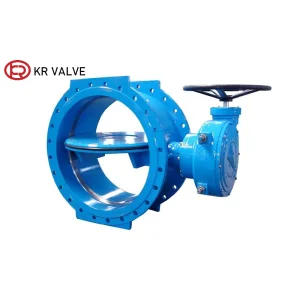
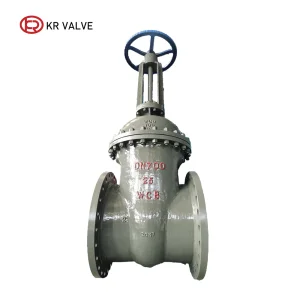
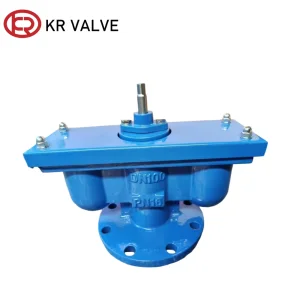
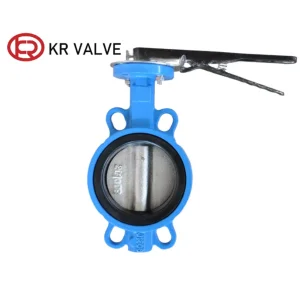
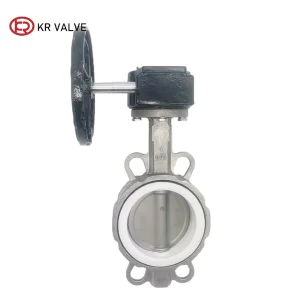
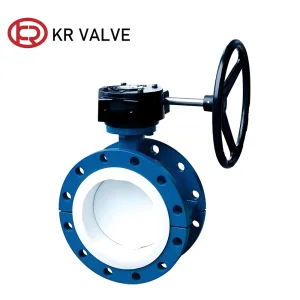
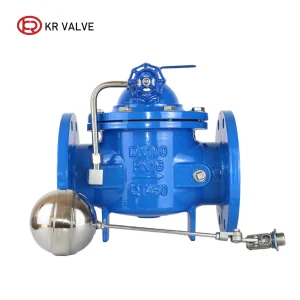
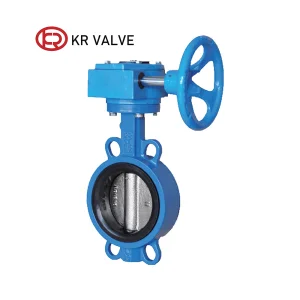
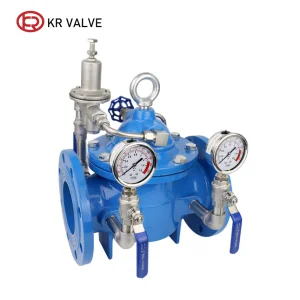
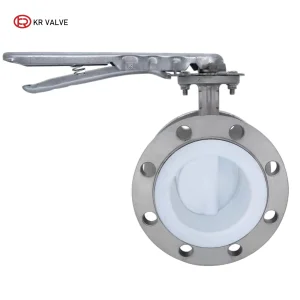
Discover our comprehensive range of high-performance gate valves, butterfly valves, air release valves, and hydraulic control systems for unified system procurement.
Total Cost of Ownership (TCO) & Vendor Evaluation Framework
For large-scale infrastructure investments, purchasing decisions based solely on initial valve unit price often result in severe long-term financial penalties. Low-cost check valves featuring inferior casting metallurgy, uncalibrated pivot placement, or poor seating tolerances lead to rapid disc flutter, seat galling, and unexpected transient water hammer failures.
Engineering procurement teams should evaluate potential Tilting disc check valve Suppliers & Manufacturers using the following multi-factor TCO equation:
TCO = CAPEX (Purchase + Freight) + OPEX (Energy Loss from Pressure Drop) + Maintenance (Seat/Bush Replacement) + Risk Cost (System Downtime & Water Hammer Damage)
Vendor Audit Checklist for Strategic Sourcing:
- In-House Foundry & Machining Capabilities: Does the supplier control casting pouring, heat treatment, and CNC machining, or do they rely entirely on third-party sub-contractors?
- Dynamic Hydro-Damping Test Benches: Can the manufacturer simulate rapid flow reversal and provide documented closure time metrics ($t_c < 0.15 \text{s}$) with hydraulic dashpot performance charts?
- Positive Material Identification (PMI): Are alloy compositions (such as Duplex, SS316, or WCB) verified on-site using portable X-ray fluorescence (XRF) analyzers?
- Global Field Service Support: Does the supplier provide technical commissioning guidance, spare parts packages, and localized maintenance assistance?
Frequently Asked Questions by Engineering & Procurement Teams
Get authoritative, expert answers to critical technical questions regarding tilting disc check valve selection, installation, and performance optimization.
How does a tilting disc check valve prevent water hammer compared to a standard swing check valve?
A tilting disc check valve utilizes an inclined seat angle (5° to 15°) and an eccentric pivot shaft offset behind the seat face. This design reduces the disc stroke travel by approximately 40% compared to a conventional 90° swing check valve. As fluid flow velocity decelerates, gravity and hydrodynamic weight distribution pull the disc back toward the seat, enabling it to complete closure right as flow velocity hits zero, preventing the reverse flow acceleration that causes violent water hammer slams.
What is the minimum flow velocity required to keep a tilting disc check valve fully open?
Thanks to the aerofoil cross-sectional profile of the disc, tilting disc check valves generate aerodynamic lift under flowing fluid. The typical minimum fluid velocity ($V_{min}$) required to hold the disc stably in the fully open position without chatter is between 1.0 m/s and 1.5 m/s for liquid media. For lower flow regimes, counterweights or spring-assisted options can be customized by the manufacturer.
Can tilting disc check valves be installed in vertical pipelines?
Yes, tilting disc check valves can be installed in vertical pipelines with upward flow. However, when installed vertically, gravity assists closure even more rapidly. For vertical downward flow lines, standard check valves are generally not recommended. Always consult the supplier's engineering team to confirm shaft orientation and spring/counterweight selection for vertical pipe layouts.
What are the differences between resilient soft seats and metal-to-metal seats in tilting disc check valves?
Resilient soft seats (utilizing EPDM, NBR, Viton, or PTFE inserts) provide bi-directional, 100% bubble-tight sealing (ISO 5208 Rate A) ideal for clean water, HVAC, and low-temperature services up to 120°C-180°C. Metal-to-metal seats (featuring SS304/SS316, Bronze, or Stellite hardfacing overlays) are chosen for high-temperature steam, abrasive slurries, high-pressure hydrocarbon service, and applications where fire-safe design (API 607) is mandated.
When should an external hydraulic dashpot slow-closing cylinder be specified?
An external hydraulic dashpot slow-closing cylinder should be specified in high-head pumping systems, long transmission pipelines, or high-pressure surge-prone applications where sudden pump trips create extreme hydraulic deceleration. The dashpot controls the final 15-20% of disc stroke closure, providing a smooth cushion that absorbs mechanical kinetic energy while preventing high-pressure spike propagation.
How do I verify the quality and pressure testing of tilting disc check valves prior to shipment?
Procurement managers should require suppliers to supply EN 10204 3.1 Material Test Reports (MTRs), Positive Material Identification (PMI) logs, and Factory Acceptance Test (FAT) certificates in accordance with ISO 5208 or API 598. Third-party inspection (TPI) agencies such as SGS, TÜV, or Bureau Veritas can be commissioned to witness shell hydrostatic testing (1.5x nominal pressure) and seat leakage testing (1.1x nominal pressure) prior to export crating.