
Featured Industrial Valves & Handle Butterfly Valve Solutions
Explore our top-tier engineering lineup featuring concentric, PTFE lined, and resilient seated flow control hardware direct from factory production lines.
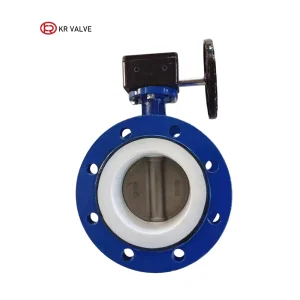
Custom RPTFE Seal Concentric Flange Butterfly Valve Gear Box Operation
Custom RPTFE seal concentric flange butterfly valve gear box operation Factories, Factory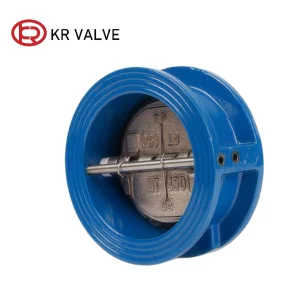
OEM China Dual Plate Wafer Lug Check Valve 4 Inch - High Quality Flow Solutions
OEM China Dual Plate Wafer Lug Check Valve 4 Inch - Suppliers & Factory for High-Quality Flow Control Solutions Suppliers, Manufacturers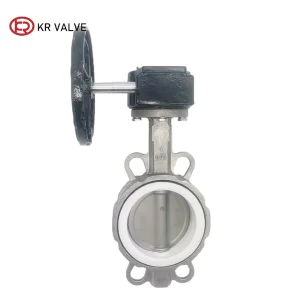
Wholesale D71X Stainless Steel PTFE Seat Wafer Butterfly Valve (DN40-DN600)
Wholesale China Suppliers D71X Stainless Steel PTFE Seat Wafer Butterfly Valve Factory - Size DN40-DN600, Pressure PN6-PN16 Suppliers, Factories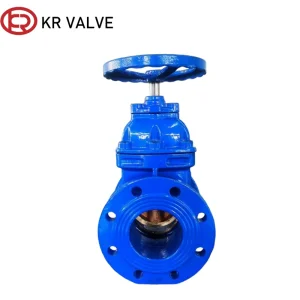
Wholesale GGG40 Bronze Seat Hard Seal Flange Gate Valve
Wholesale GGG40 Bronze seat hard seal flange gate valve Supplier, Manufacturer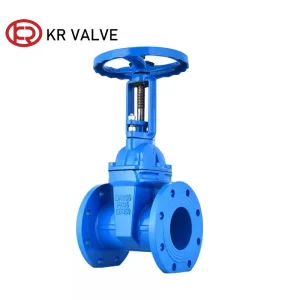
Resilient Seated Rising Shaft Gate Valve DINF5 Series (PN6-PN25)
Wholesale China Resilient Seated Rising Shaft Gate Valve Suppliers - DINF5 Series Factory Direct PN6/PN10/PN16/PN25 Manufacturer, Factory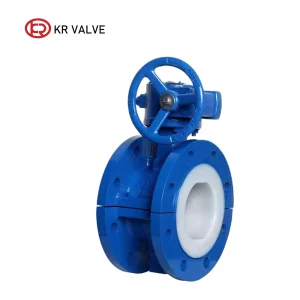
Wholesale WCB Split Body Full PTFE Lined Concentric Butterfly Valve
Wholesale WCB split body full PTFE lined concentric butterfly valve Manufacturers, Factories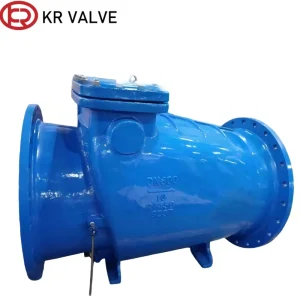
Micro Resistance Slow Closing Check Valve Swing Type Tilting Disc
Wholesale Micro resistance slow closing check valve swing type tilting disc Supplier, Factories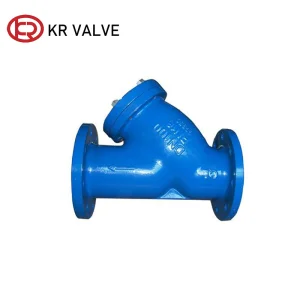
Custom Ductile Iron GGG40 Y-Type Strainer with SS304 Filter Screen
Custom Ductile Iron GGG40 Y-Type Strainer with SS304 Filter - China Suppliers Factory Direct Manufacturers, ManufacturerEngineering Architecture of Handle-Operated Butterfly Valves
Understanding mechanical dynamics, torque distribution, lever ergonomics, and sealing physics in manual quarter-turn pipeline isolation.
Lever Mechanics & Indexing
Manual handle butterfly valves utilize a quarter-turn (0° to 90°) lever mechanism integrated with a notched indexing plate. This design provides 10 distinct locking positions, enabling precise manual throttling and positive mechanical isolation. High-tensile malleable cast iron or pressed steel handles ensure zero slippage during high operational torque events.
Sealing Interference Physics
In concentric handle butterfly valves, the disc edgecompresses against an elastomeric (EPDM/NBR) or fluoropolymer (PTFE/RPTFE) seat ring. Optimal interference calculation prevents excessive seat wear while maintaining bubble-tight shut-off (EN 12266-1 Rate A) under bi-directional pressure differentials up to 16 bar.
ISO 5211 Modular Integration
Modern handle manufacturers standardize valve top flanges to ISO 5211 dimensions. This architectural decision permits seamless field conversion: operators can effortlessly remove the manual lever assembly and install pneumatic actuators, electric motors, or worm gearboxes without pipeline dismantling.
China Factory Supremacy in Butterfly Valve Manufacturing
How Chinese manufacturing hubs like Tianjin leverage vertical supply chain integration, advanced metallurgy, and scale to power global pipeline projects.
Vertical Foundry & Machining Integration
China’s dedicated valve manufacturing clusters—most notably in Tianjin, Jiangsu, and Zhejiang—house complete production lifecycles within tight geographic radii. From raw pig iron melting and automated resin sand casting to precision CNC multi-axis machining and electrostatic powder coating, direct factory ownership guarantees reduced lead times and stringent metallurgical traceability (EN 10204 3.1 certificates).
Rigorous Quality Assurance Protocols
Leading Chinese wholesale butterfly valve manufacturers execute 100% pressure inspection on every finished valve prior to packing. Utilizing automatic hydrostatic testing rigs, pneumatic shell test benches, spectrographic alloy analyzers, and rubber vulcanization torque meters, Chinese factories guarantee compliance with international standard bodies including ISO, DIN, BS, API, and ANSI.
The Tianjin Valve Industrial Cluster Advantage
Tianjin has established itself as the world’s leading hub for resilient seated wafer and lug butterfly valves. Producing millions of units annually for export to over 50 countries, Tianjin factories offer unparalleled economies of scale, bespoke OEM brand customization, and specialized rubber liner formulation engineered specifically for HVAC, water supply, and desalination sectors.
Global Trends Reshaping Butterfly Valve Engineering
Key technological evolutions across fluoropolymer linings, eco-friendly standards, and smart industrial automation.
Fluoropolymer & RPTFE Sealing
As chemical and pharmaceutical processing demands higher corrosion resistance, manufacturers are shifting from standard EPDM toward fully lined split-body WCB/CF8 valves featuring molded PTFE, RPTFE (Reinforced PTFE), and PFA liners. These materials withstand aggressive acids, solvents, and high operating temperatures while preserving low friction torque.
Green & Potable Water Standards
Global environmental regulations mandate non-toxic, zero-VOC elastomeric compounds in municipal drinking water systems. Factory innovations include WRAS, NSF/ANSI 61, and DVGW-certified EPDM rubber formulations, combined with non-contaminating fusion-bonded epoxy (FBE) powder coatings applied electrostatically to minimum 250-micron thicknesses.
Ergonomic Throttling Handles
Modern handle butterfly valve designs incorporate high-durability die-cast aluminum handles with quick-release trigger latches and high-visibility position indicators. Ergonomic grip contouring minimizes operator fatigue during manual line balancing, while integrated padlockable features provide critical safety lockout/tagout (LOTO) capabilities.
Localized Application Scenarios & Macro Flow Solutions
How handle-operated butterfly valves serve critical infrastructure, industrial plants, and commercial fluid transport environments.
HVAC Chilled & Hot Water Systems
In high-rise commercial buildings and district cooling plants, manual wafer butterfly valves with lever handles (DN50 to DN200) serve as compact isolation and coarse flow-balancing devices for cooling towers, chillers, and air handling units (AHUs). Light weight, narrow face-to-face dimensions (ISO 5752 series 20), and low pressure drop make them superior to bulky gate valves.
Municipal Water Supply & Filtration
Municipal water distribution networks rely on resilient-seated ductile iron butterfly valves with notch-plate lever handles for routine pipe segment isolation. High-grade GGG40 bodies coated with electrostatically applied epoxy resin resist soil corrosion and waterborne oxidation, maintaining clean water standards over decades of operation.
Chemical & Process Pipelines
For corrosive liquid transport, full PTFE-lined split-body wafer butterfly valves with stainless steel (CF8/CF8M) discs prevent aggressive media from coming into contact with the metallic valve body. Lever handles permit rapid full-shutoff in emergency conditions, satisfying industrial plant safety codes.
Marine & Offshore Ballast Water Control
Vessel ballast piping demands highly compact, sea-water-resistant valves. Dual-flange and lug-type butterfly valves constructed with bronze seats, nickel-aluminum bronze discs, or SS316 shafts installed in tight shipboard pump rooms provide reliable quarter-turn operation under high salinity and vibration conditions.
Global Enterprise Procurement & Selection Matrix
A strategic framework for EPC contractors, engineering buyers, and valve distributors when evaluating wholesale handle butterfly valve specifications.
1. Connection End Selection
Wafer Type: Lightweight, economical, clamped between flanges; best for space-constrained installations.
Lug Type: Features threaded lugs for dead-end service, allowing downstream piping removal under pressure.
Flanged Type: Heavy-duty double flanged bodies for large diameters or high pipe stress lines.
2. Elastomer vs Fluoropolymer Seats
EPDM (-20°C to 120°C): Standard for HVAC, cold/hot water, dilute media.
NBR (-10°C to 80°C): Petroleum, oil, compressed air lines.
PTFE / RPTFE (-30°C to 180°C): Strong acids, alkalis, pure water, high purity chemical processes.
3. Factory Audit Checklist
Verify that your OEM supplier provides:
• Material spectrometer test certificates (EN 10204 3.1)
• Hydrostatic seat & pneumatic shell test logs
• Coating thickness verification (Elcometer gauge)
• ISO 5211 top pad machining accuracy check
Material & Performance Technical Reference
Comprehensive engineering comparison table for valve body materials, sealing polymers, pressure ratings, and operating parameters.
| Valve Type | Body Material | Seat Material | Nominal Diameter | Pressure Class | Temp Range | Primary Application |
|---|---|---|---|---|---|---|
| Wafer Butterfly (Handle) | Ductile Iron GGG40 | EPDM Resilient | DN40 - DN300 | PN10 / PN16 / Class 150 | -20°C to +120°C | HVAC & Water |
| PTFE Lined Wafer | Cast Steel WCB / CF8 | Virgin PTFE / RPTFE | DN40 - DN300 | PN10 / PN16 | -30°C to +180°C | Chemical Processing |
| Lug Butterfly (Handle) | Ductile Iron GGG50 | NBR Rubber | DN50 - DN250 | PN16 / PN25 | -10°C to +80°C | Oil & Dead-End |
| Flanged Concentric | Cast Iron GG25 / GGG40 | Viton (FKM) | DN50 - DN600 | PN6 / PN10 / PN16 | -15°C to +200°C | High Temp Fluids |
| Double Eccentric Flange | Ductile Iron / WCB | SS304 Surfacing / EPDM | DN100 - DN1200 | PN10 / PN16 / PN25 | -20°C to +150°C | Municipal Mains |
High-Performance Valve Series & Engineering Accessories
Discover our broad range of check valves, gate valves, strainers, and automatic hydraulic control valves for complete system integration.
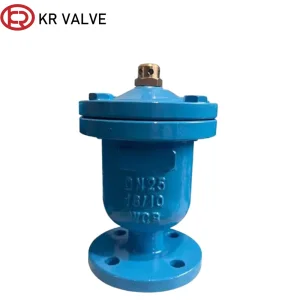
Automatic Air Release Valve Single Port Type WCB Material PN16
Wholesale Automatic Air Release Valve Single Port Type WCB Material PN16 - China Suppliers & Factory Manufacturers, Factory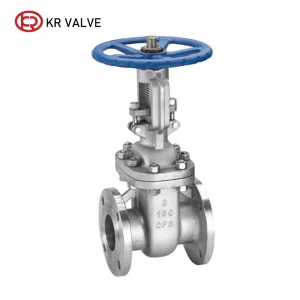
Wholesale CF8 Stainless Steel ANSI Solid Wedge Gate Valve
Wholesale China CF8 Stainless Steel ANSI Solid Wedge Gate Valve - Quality Suppliers & Factory Direct Pricing Supplier, Factories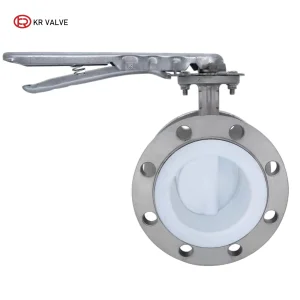
Full PTFE Lined Flange Butterfly Valve CF8 Body for Corrosive Media
Wholesale China Suppliers Factory Full PTFE Lined Flange Butterfly Valve CF8 Body for Corrosive Liquids and Gases Supplier, Suppliers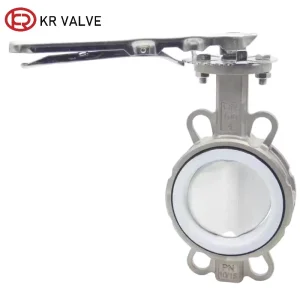
OEM China PTFE Lined Wafer Butterfly Valve with SS Body Solutions
OEM China PTFE Lined Wafer Butterfly Valve with SS Body - Top Suppliers and Factory Solutions Supplier, Manufacturer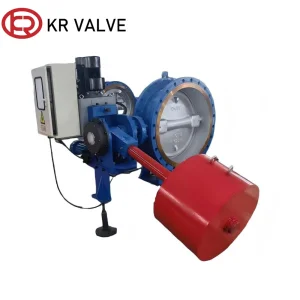
Hydraulic Cylinder Control Butterfly Valve Quick Closing Adjusting Type
Wholesale Hydraulic cylinder control butterfly valve quick closing adjusting type Supplier, Suppliers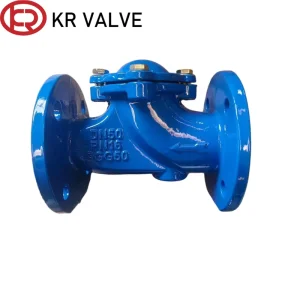
OEM Flange Connection Ball Check Valve with EPDM Ball Non Return
OEM Ball check valve flange connection EPDM ball non return valve Manufacturer, Factories
Wholesale Dual Plate Wafer Lug Check Valve 4 Inch Heavy Duty
Wholesale Dual Plate Wafer Lug Check Valve 4 Inch Supplier, Manufacturers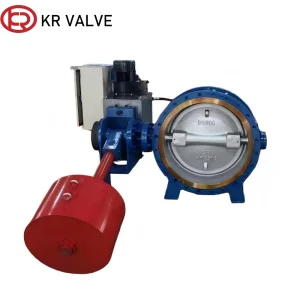
Double Eccentric Hydraulic Control Butterfly Valve PN16 EPDM Sealing
Wholesale China Double Eccentric Hydraulic Control Butterfly Valve PN16 EPDM Sealing - Reliable Suppliers & Factory Manufacturers, FactoryFrequently Asked Questions by Valve Engineers & Procurement Managers
In-depth answers covering sizing limits, handle vs gear mechanics, seat material compatibility, and factory direct procurement logistics.
What is the maximum recommended size for a handle-operated butterfly valve?
How does a notch-plate lever handle allow flow throttling?
What are the key advantages of purchasing butterfly valves from China manufacturers?
- Complete Vertical Integration: In-house foundries, CNC machining, rubber vulcanization, and epoxy coating lines minimize intermediary costs.
- Strict Technical Compliance: Factory products comply with international standards including ISO 5752, DIN 3202, API 609, and BS 5155.
- Custom OEM & Branding: Flexible private labeling, custom handle color powder coatings, specific disc surfacing, and custom flange drilling.
- 100% Quality Inspection: Advanced hydrostatic and pneumatic testing procedures guarantee zero-leakage performance prior to international export.