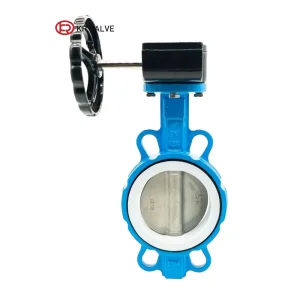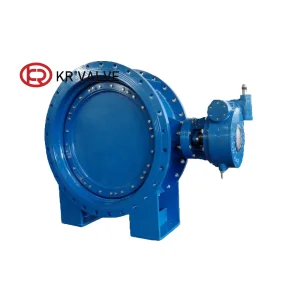
High-Performance Flow Control Solutions
Explore our top-tier industrial valves engineered to withstand high pressure, corrosive media, and extreme thermal fluctuations.
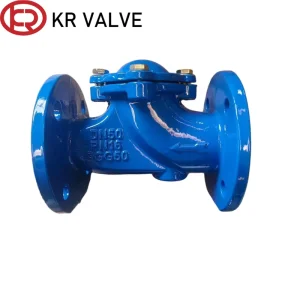
OEM Ball check valve flange connection EPDM ball non return valve Manufacturer, Factories
View Product Details
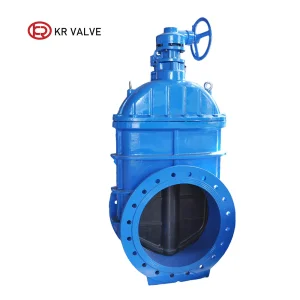
Wholesale Big Size EPDM Resilient Seat Gate Valve AWWA Standard, China Suppliers & Factory - DN40-DN600/2-24 Supplier, Manufacturer
View Product Details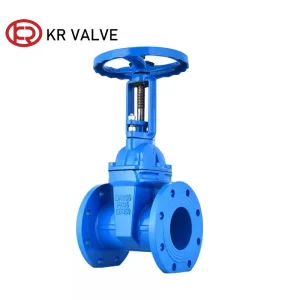
Wholesale China Resilient Seated Rising Shaft Gate Valve Suppliers - DINF5 Series Factory Direct PN6/PN10/PN16/PN25 Manufacturer, Factory
View Product Details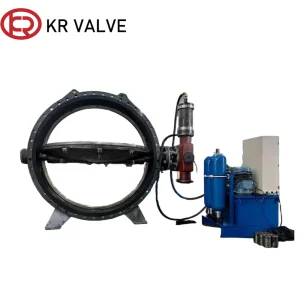
Wholesale Adjustable type hydraulic cylinder operated butterfly valve Manufacturers, Factory
View Product Details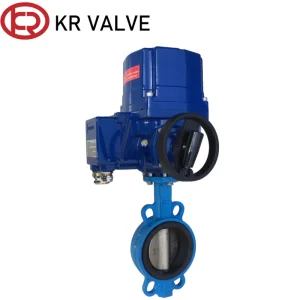
Wholesale Electric Actuated Butterfly Valve Wafer EPDM Seal Type Motorized Suppliers, Factory
View Product Details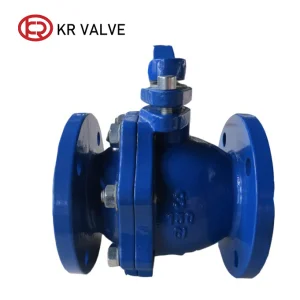
Custom Ductile Iron Flange Ball Valve with PTFE Seat - China Suppliers & Factory, PN16/PN25, Sizes DN50-DN300 Supplier, Manufacturer
View Product Details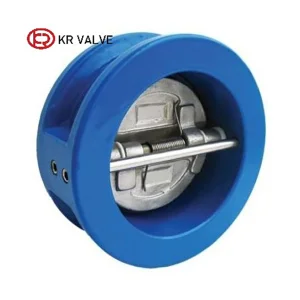
1. Executive Summary & Metallurgical Fundamentals of CS (Carbon Steel) Gate Valves
In the modern industrial fluid handling infrastructure, Carbon Steel (CS) Gate Valves serve as the ultimate line of defense for isolation in high-pressure, high-temperature, and severe-duty pipeline networks. Unlike general utility valves, a custom CS gate valve engineered by a tier-1 OEM factory must withstand linear mechanical stress, thermal expansion cycles, abrasive slurry flow, and aggressive pressure transients without compromising seal integrity.
Carbon steel alloys—predominantly ASTM A216 WCB/WCC for cast valves and ASTM A105 / A350 LF2 for forged configurations—offer a unique combination of high tensile strength, structural ductility, superior weldability, and cost effectiveness compared to austenitic stainless steels or exotic nickel alloys. When custom manufactured to strict API 600, API 6D, and ASME B16.34 specifications, carbon steel gate valves maintain zero-leakage isolation across pressure classes ranging from ASME Class 150 to Class 2500 (PN16 to PN420).
Information Gain Metric: Carbon steel gate valves manufactured with normalized-and-tempered heat treatment exhibit up to 35% higher impact toughness at sub-zero temperatures (down to -29°C for WCB and -46°C for LCC/LF2), eliminating brittle fracture risks during rapid depressurization in midstream gas processing facilities.
Cast vs. Forged CS Gate Valves: Structural Architecture
Selecting between custom cast carbon steel gate valves and forged carbon steel gate valves depends primarily on pipeline diameter, operating pressure rating, and mechanical stress dynamics:
- Cast CS Gate Valves (ASTM A216 WCB / WCC): Typically manufactured for pipe sizes ranging from 2 inches up to 60 inches (DN50 to DN1500). Ideal for large-bore main pipelines, refining units, and power plant cooling networks. Advanced foundry techniques utilizing investment casting or resin sand casting ensure uniform wall thickness and zero internal micro-porosity.
- Forged CS Gate Valves (ASTM A105 / A350 LF2): Manufactured for small-bore pipelines (1/4 inch to 2 inches) or ultra-high pressure applications (Class 900 to Class 2500). The forging process aligns the metal grain structure along the valve body contours, yielding extraordinary mechanical fatigue resistance and resistance to thermal shock.
2. Global Industry Trends & Technological Innovations in CS Gate Valve Manufacturing
As energy systems shift toward cleaner fuels and process plants face stringent environmental regulations, the demand for custom carbon steel gate valves has evolved from basic mechanical cutoff to hyper-engineered fluid isolation devices. Key global trends shaping modern CS gate valve production include:
Fugitive Emission Compliance
Enforcement of API 624 and ISO 15848-1 Class AH mandates that carbon steel gate valves achieve leakage rates below 100 ppmv. This requires live-loaded packing sets, die-formed graphite rings, and micro-honed stem finishes (Ra < 0.4 µm).
Hardfacing & Laser Cladding
To resist severe galling and erosion in high-velocity steam or hydrocarbon flow, custom factories utilize automated Stellite #6 or Inconel 625 laser cladding on the wedge and seat rings, extending operating life by 300%.
Smart Actuation & IoT Integration
Modern CS gate valves are increasingly customized with top flanges conforming to ISO 5211, permitting direct mounting of intelligent electric, pneumatic, or electro-hydraulic actuators equipped with partial stroke testing (PST) protocols.
3. Engineering Specifications & Trim Material Selection Matrix
The operational longevity of a custom CS gate valve relies heavily on matching the interior trim materials to the chemical composition and thermal profile of the process fluid. Below is a comprehensive engineering selection guide utilized by our design engineers:
| ASME / API Parameter | Standard Configuration | NACE / Sour Gas Service | Low-Temp / Cryogenic | High-Temp / Steam Duty |
|---|---|---|---|---|
| Body Material | ASTM A216 WCB / A105 | ASTM A216 WCC / A105 NACE | ASTM A352 LCC / A350 LF2 | ASTM A217 WC6 / WC9 / C12A |
| Nominal Size Range | 2" – 48" (DN50 – DN1200) | 2" – 36" (DN50 – DN900) | 2" – 24" (DN50 – DN600) | 2" – 36" (DN50 – DN900) |
| Pressure Rating | Class 150 – 600 (PN16-100) | Class 150 – 1500 (PN16-250) | Class 150 – 900 (PN16-150) | Class 600 – 2500 (PN100-420) |
| API 600 Trim Standard | Trim 8 (13Cr / Hardfaced) | Trim 12 (316 / Hardfaced) | Trim 10 (316 SS) | Trim 5 (Full Stellite #6) |
| Stem Packing | Die-formed Flexible Graphite | Graphite w/ Zinc Inhibitor | PTFE / Lip Seals | Inconel Wire Reinforced Graphite |
| Bonnet Joint | Bolted Bonnet (BB) / Spiral Gasket | Bolted Bonnet / Ring Joint (RTJ) | Extended Bonnet / Bolted | Pressure Seal Bonnet (PSB) |
4. Global Procurement Demand & Buyer Intent Analysis
Procurement strategies for industrial valves differ significantly across geographical markets and industry verticals. As a global OEM carbon steel gate valve manufacturer, understanding localized technical requirements, compliance certifications, and buyer preferences is paramount:
North American Market (USA & Canada)
Buyers in North America prioritize strict adherence to API standard 600, API 6D, ASME B16.34, and MSS SP-55 quality standards for casting visual inspection. Supply chain managers require complete material traceability through EN 10204 3.1 Material Test Reports (MTRs), including Positive Material Identification (PMI), Charpy V-notch impact testing, and 100% NDT (Radiographic / Ultrasonic) testing on pressure-retaining components.
Middle Eastern Oil & Gas Operators (GCC Region)
With major projects driven by state oil companies (Aramco, ADNOC, KOC), procurement managers demand custom CS gate valves capable of handling high concentrations of hydrogen sulfide ($H_2S$). Valves must strictly comply with NACE MR0175 / ISO 15156 for sour gas service, featuring hardness-controlled carbon steel bodies (max HRC 22) and full Inconel 625 seat overlay to prevent sulfide stress cracking (SSC).
European Union & UK Energy Sector
EU procurement emphasizes environmental sustainability, safety compliance, and energy transition compatibility. Mandatory requirements include CE / PED 2014/68/EU (Pressure Equipment Directive) marking, ATEX compliance for explosive atmospheres, and verified zero-fugitive-emission test certificates under ISO 15848-1.
5. China Factory 4.0: Supply Chain Resilience, Automation & Cost Efficiency
The international valve market has transitioned toward advanced manufacturing hubs that combine deep metallurgical expertise with high-speed digital automation. China’s Industry 4.0 valve manufacturing ecosystems—specifically concentrated in key industrial hubs like Tianjin and Zhejiang—offer unmatched structural advantages to international EPC contractors and valve distributors:
Automated CNC & Machining Centers
Equipped with 5-axis CNC multi-tasking centers and automated valve body machining lines, our factory achieves micron-level tolerances on stem threads, bonnet sealing faces, and wedge guide slots, eliminating manual assembly variations.
Full In-House Quality Assurance
From chemical spectro-analysis of raw castings to 100% hydrostatic testing (API 598), high-pressure gas shell testing, and non-destructive testing (UT, RT, PT, MT), every carbon steel gate valve undergoes strict quality verification prior to export.
Agile OEM & Customization Capacity
Whether project specifications call for special face-to-face dimensions (DIN F4/F5 vs ASME B16.10), extended stems for underground burial, bypass piping systems, or custom paint coatings (C5-M marine epoxy), China 4.0 factories provide rapid engineering turnaround.
6. Localized Application Scenarios & Engineering Field Insights
Scenario A: Upstream Hydrocarbon Gathering & Shale Gas Processing
In high-pressure oil and gas gathering lines, fluids contain abrasive sand particles, water cut, and corrosive carbon dioxide ($CO_2$). A standard gate valve quickly suffers seat erosion and internal washing. Our custom CS gate valves utilize a flexible wedge design with API Trim 5 (Full Stellite) and hardfaced body seats. The flexible wedge accommodates seat angle variations caused by pipe stress, ensuring reliable bubble-tight shut-off even in dirty media.
Scenario B: Supercritical Fossil & Biomass Power Generation Plants
In main steam lines operating at temperatures exceeding 538°C (1000°F), traditional bolted bonnets suffer thermal relaxation, causing bonnet gasket leaks. For this severe duty, custom carbon steel gate valves are engineered with a Pressure Seal Bonnet (PSB) architecture. Internal line pressure exerts upward force against the floating bonnet wedge seal, tightening the seal as system pressure increases.
Scenario C: District Heating & High-Pressure Municipal Water Infrastructure
For municipal water mains, district heating networks, and high-rise commercial water distribution, cost efficiency and long service life are key. Our resilient-seated and metal-seated carbon steel gate valves provide full-bore flow paths with minimal head loss, cutting pumping energy costs while eliminating internal bio-fouling and rust formation.
Frequently Asked Questions (FAQ)
Expert answers to critical technical and procurement inquiries regarding custom carbon steel gate valves.
What is the primary difference between ASTM A216 WCB and WCC carbon steel gate valves?
ASTM A216 WCB is the standard cast carbon steel specification used globally for general industrial applications. ASTM A216 WCC offers slightly higher tensile strength (70–90 ksi vs 70–95 ksi for WCC) and higher yield strength (40 ksi vs 36 ksi for WCB). WCC is often specified in higher pressure applications or where enhanced mechanical properties are required by engineering standards without transitioning to alloy steel.
Why is API Trim 8 specified for standard oil & gas carbon steel gate valves?
API Trim 8 combines a 13% Chromium (AISI 410 stainless steel) stem and wedge seating surface with a Stellite #6 hardfaced body seat ring. This combination delivers exceptional galling resistance, prevents metal-to-metal pickup during frequent cycling, and handles media temperatures up to 425°C (800°F) at a competitive cost point.
How do custom CS gate valves achieve compliance with API 624 fugitive emissions testing?
API 624 compliance requires gate valves to undergo 100 mechanical cycles and thermal cycles with methane gas while maintaining stem leakage below 100 ppmv without gland adjustment. Achieving this requires precision stem burnishing, strict stuffing box tolerance control, and die-formed graphite packing sets integrated with anti-extrusion braided carbon end rings.
Can carbon steel gate valves be customized for sub-zero cryogenic or Arctic operations?
Yes. Standard WCB steel becomes brittle at low temperatures. For sub-zero service down to -46°C (-51°F), body materials are upgraded to ASTM A352 LCC/LCB castings or ASTM A350 LF2 forgings. Additionally, cryogenic extended bonnets are incorporated to keep the stem packing area above freezing temperatures, preventing ice build-up on the seal ring.
What are the main advantages of an Outside Screw & Yoke (OS&Y) rising stem design?
In an OS&Y design, the stem threads are located outside the valve body and isolated from the process fluid. This prevents fluid corrosion, slurry erosion, or debris build-up from damaging the stem threads. Furthermore, the rising stem provides immediate visual indication of whether the gate valve is fully open, partially open, or fully closed.
What quality control documentation is supplied with custom carbon steel gate valve orders?
Standard documentation packages include EN 10204 3.1 Inspection Certificates, MTR chemical and mechanical test reports, Hydrostatic & Pneumatic Test Certificates per API 598, NDT reports (Radiographic RT, Ultrasonic UT, Dye Penetrant PT), Pressure Equipment Directive (PED) compliance data, and Certificate of Origin (CO).
Comprehensive Industrial Valve Catalog
Discover our additional portfolio of butterfly, gate, check, and strainers customized for global projects.
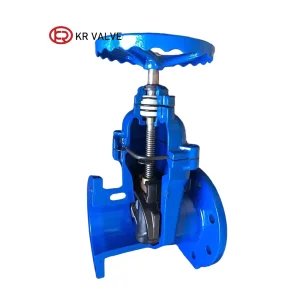
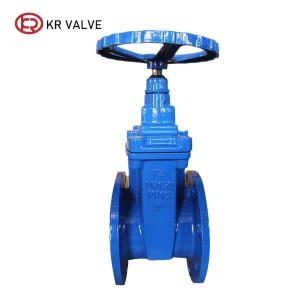
OEM China DIN F4 Standard Gate Valve Suppliers - Resilient Seated Handwheel Operation Factory Manufacturer, Factories
View Product Details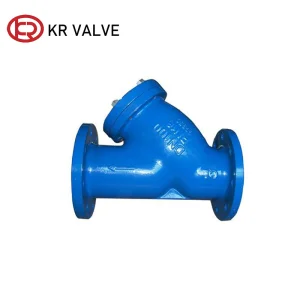
Wholesale Ductile iron GGG40 Y type strainer with SS304 filter Factories, Factory
View Product Details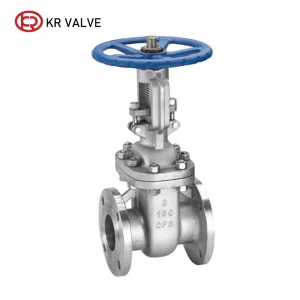
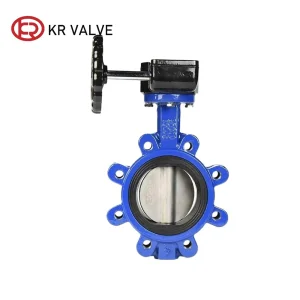
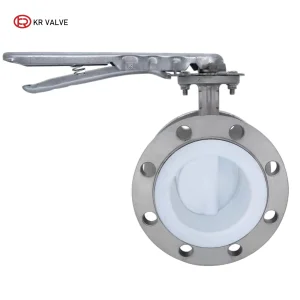
OEM China Suppliers Factory Concentric Resilient Lug Butterfly Valve with EPDM Seal - DN40-DN600, PN6/PN10/PN16 Supplier, Manufacturer
View Product Details